
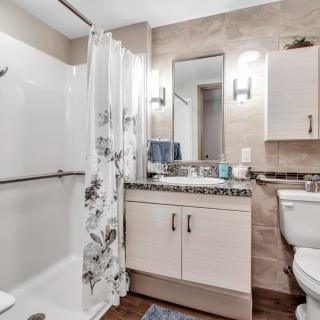

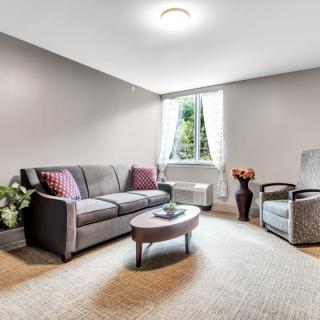

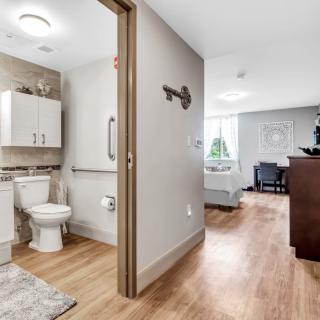
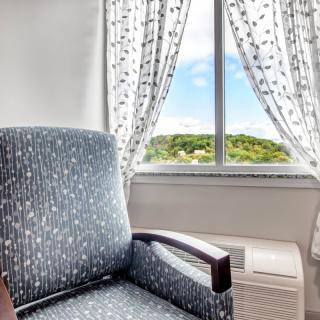
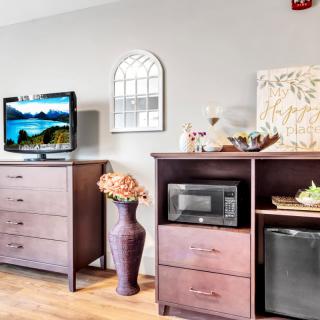
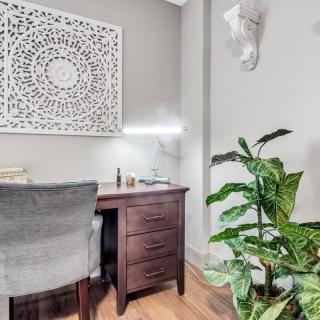
4317 Mcknight Rd, Texarkana, TX 75503
To contact a resident: (903) 838-5001
For more information about senior living options: (866) 208-4318
Oaks Assisted Living & Memory Care Costs & Pricing
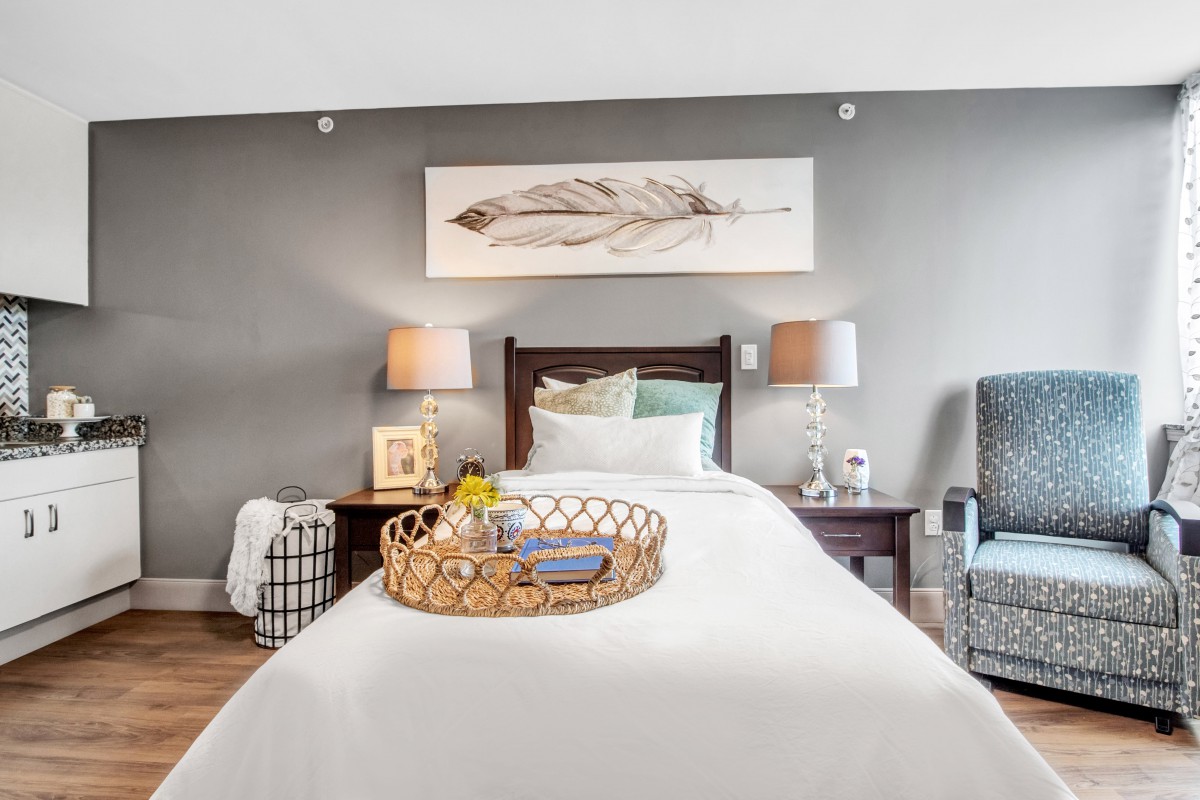
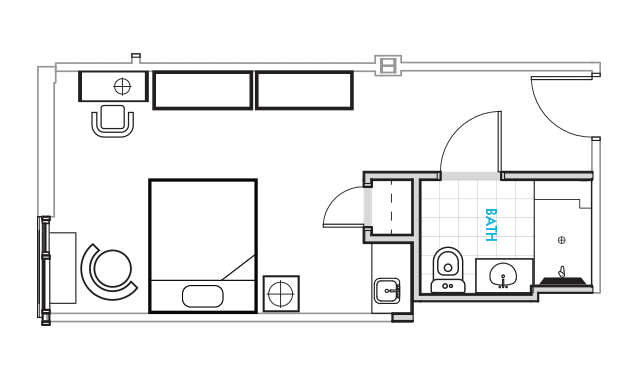
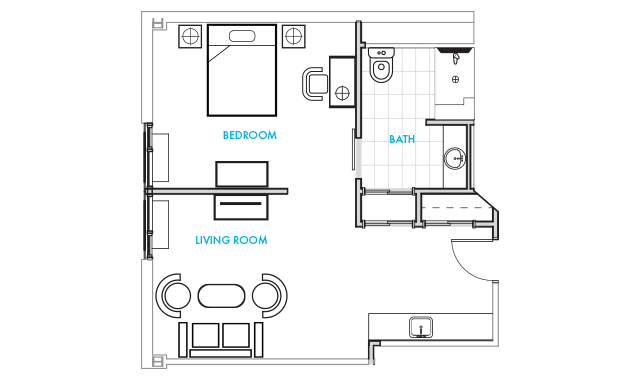
Oaks Assisted Living & Memory Care offers competitive pricing for its residents, especially when compared to both Bowie County and the overall state of Texas. For a one-bedroom unit, the cost at Oaks is $2,680 per month, which is significantly lower than the county average of $3,510 and the state average of $3,761. Similarly, for studio units, Oaks maintains an attractive rate of $3,850 - again more economical than both Bowie County's average of $3,685 and Texas' average of $3,758. This pricing structure not only reflects Oaks' commitment to affordability but also highlights its value proposition in providing quality care within a supportive community environment.
| Floor plans | Oaks Assisted Living & Memory Care | Bowie County | Texas |
|---|---|---|---|
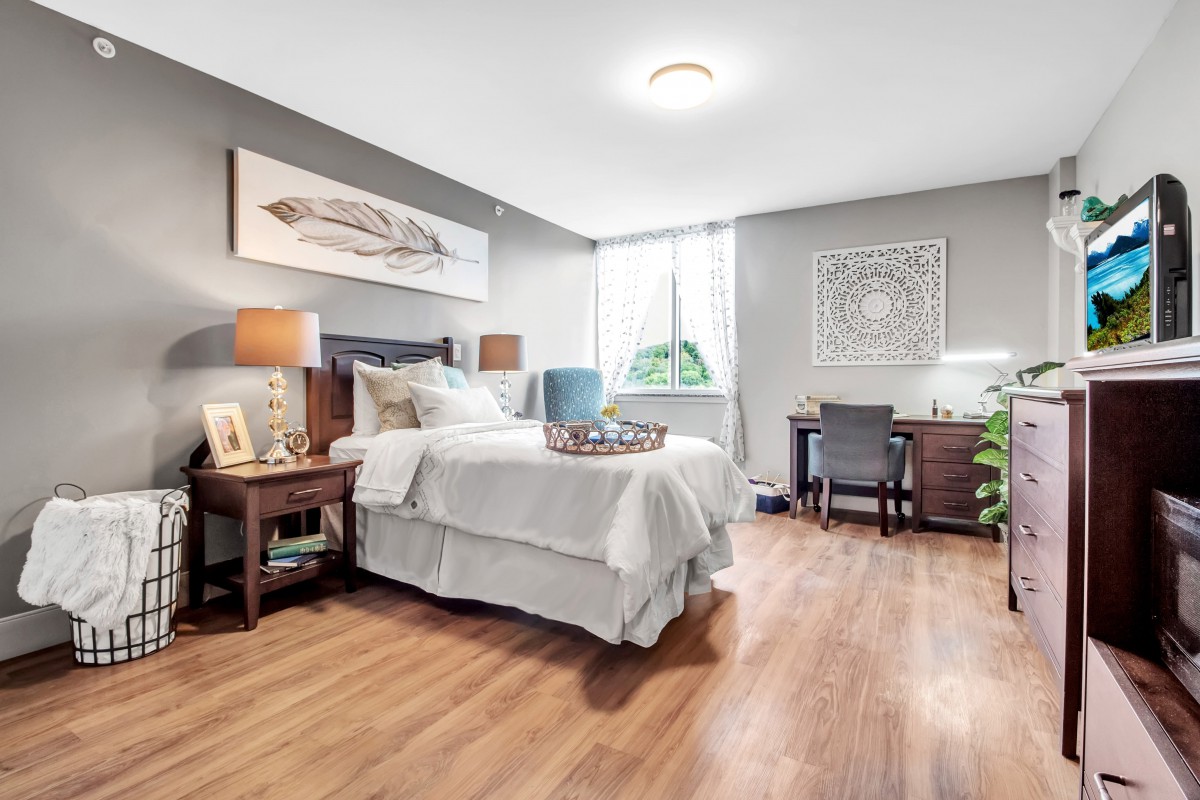
| 1 Bedroom | $2,680 | $3,510 | $3,761 |
| Studio | $3,850 | $3,685 | $3,758 |
Memory care communities with a similar price nearby
-
from +$530 / mo
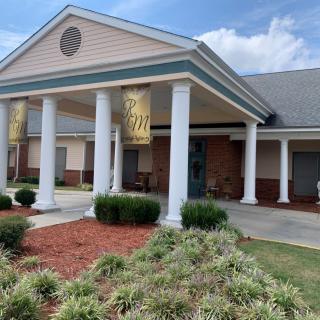
The Magnolia Alzheimer's Assisted Living
$3,210 to $5,400 / month0.2 miles away
Overall Review of Oaks Assisted Living & Memory Care
Pros
 It is a good place overall and is recommended.
- There has never been disappointment with any result, especially with move-in and the initial contact along with the entire process of getting a loved one into Oaks Assisted Living and Memory Care.
- Everything has been great so far with no complaints.
- The community is smaller, enabling more attentive care from the staff.
- Meals are cooked on-site and offer two options for each meal.
Cons
 The reviewer notes that memory care residents are further along in their conditions than the loved one, which makes communication difficult.
- This situation prevents the loved one from getting to know the memory care residents.
Review
Oaks Assisted Living & Memory Care in Texarkana is best suited for families seeking an intimate, caregiver-focused environment where staff attention is steady and the move-in process is smooth. The community plays well for seniors who don’t need a bustling, large-campus vibe but do value clear communication, predictable routines, and a smaller setting that facilitates closer monitoring. It tends to favor residents who benefit from individualized attention and a calmer social atmosphere, with the memory care component housed in a smaller unit that promotes visibility and hands-on support from staff.
Those evaluating alternatives should note that this is not the choice for families prioritizing high-energy programming or highly varied social options among memory care peers. If a loved one requires more dynamic engagement, more expansive memory care neighborhoods, or a dining program with broader menu variety and upscale options, other communities may better meet those expectations. The contrast is especially pronounced for families seeking robust peer interaction across memory-care levels or a campus with a broader calendar of activities.
Key pros are concrete and meaningful in daily decisions. The smaller size translates into more attentive, responsive care, a critical factor for families prioritizing safety and quick staff intervention. The onboarding experience, moving a loved one in and establishing the initial communications, has been consistently described as smooth, reducing the stress of transition. Residents and families report an overall positive trajectory with no major complaints, a strong signal of reliability and steady operations. Additionally, meals are prepared in the assisted living portion and delivered to the memory care unit, with residents offered two meal choices, which provides structure without overwhelming choice.
The main drawbacks hinge on the memory care dynamics and dining expectations. The memory care residents tend to be further along in their conditions, which can limit social connections for a loved one still developing relationships and who relies on peer interaction for comfort and stimulation. This reality suggests that social integration may be more challenging for some residents in memory care, especially when attempting to connect with peers at advanced stages. The dining program, while functional, is described as “alright,” with two fixed options per meal, signaling a more modest culinary experience than some families might hope for; for some, this may be a nontrivial factor if mealtime quality and variety are priorities.
Nevertheless, the strengths can meaningfully offset these concerns. The intimate, small-unit environment inherently supports closer staff oversight, which is a key offset to potential social mismatches in memory care. A smooth transition process reduces anxiety around the move, and consistent positive feedback about the staff’s responsiveness reinforces confidence in daily care. On-site cooking and predictable meal delivery ensure reliability and minimize disruption, while the limited but focused dining options still deliver routine structure. For families whose priority is safety, personal attention, and a calmer pace, these advantages outweigh the constraints.
In the end, Oaks presents a practical, well-suited option for a certain profile of senior and family. It is a solid fit for those who value a low-key, high-touch environment with a transparent admissions process and a dependable care teams’ presence. If the goal is to maximize social interaction for memory care residents, or to enjoy a broader dining program and more active, varied programming, it would be prudent to screen other facilities as part of a broader search. Prospective families should tour with questions about memory-care activity levels, staff-to-resident ratios at different times, and sample meal offerings to ensure alignment with expectations and needs. The right choice hinges on balancing the desire for intimate, attentive care with the resident’s social needs and dining preferences.
 Assisted Living
 Memory Care
 Activities on-site
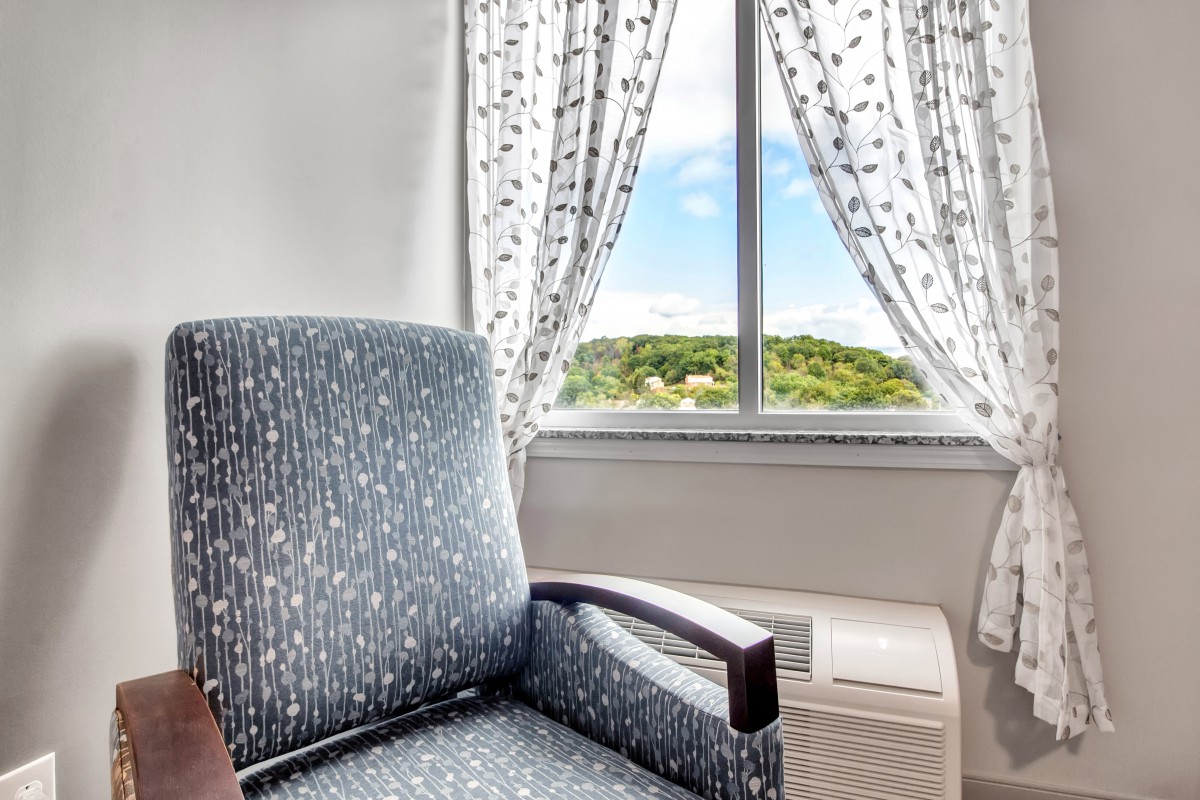
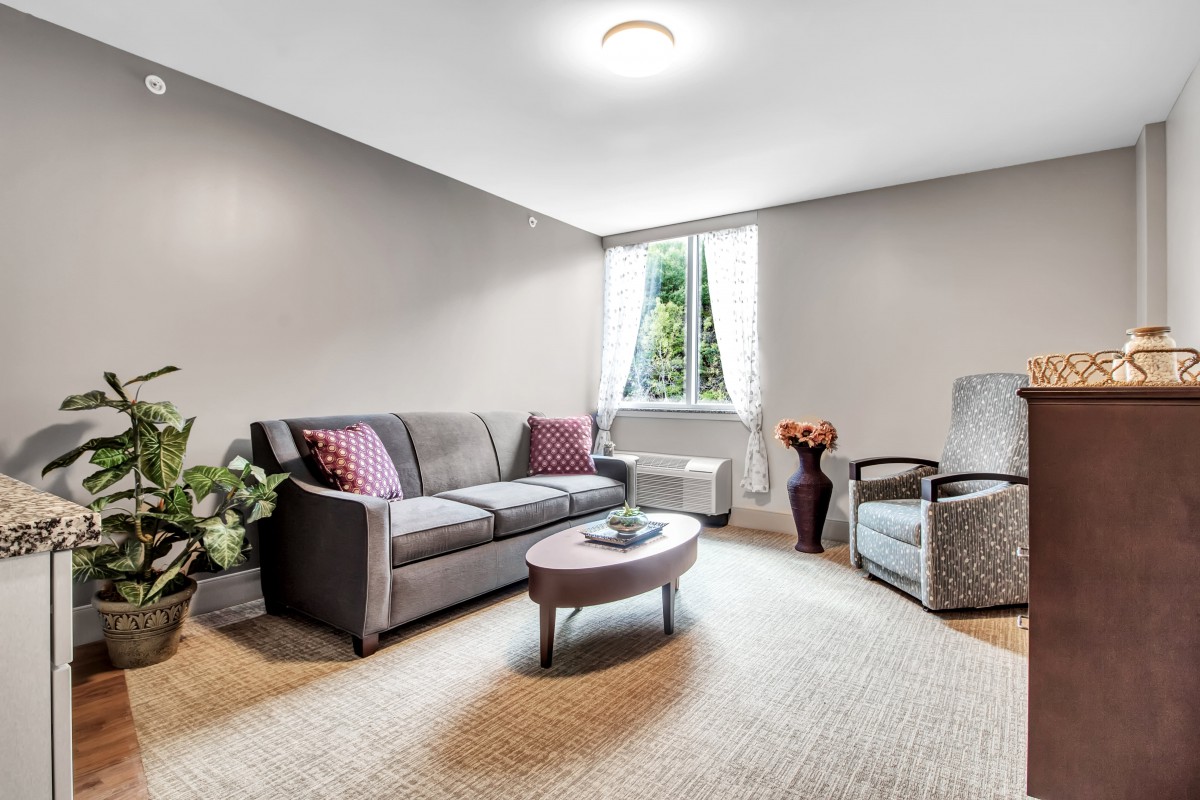
 Air-conditioning
 Beautician on-site
 Devotional services on-site
 Ground floor units
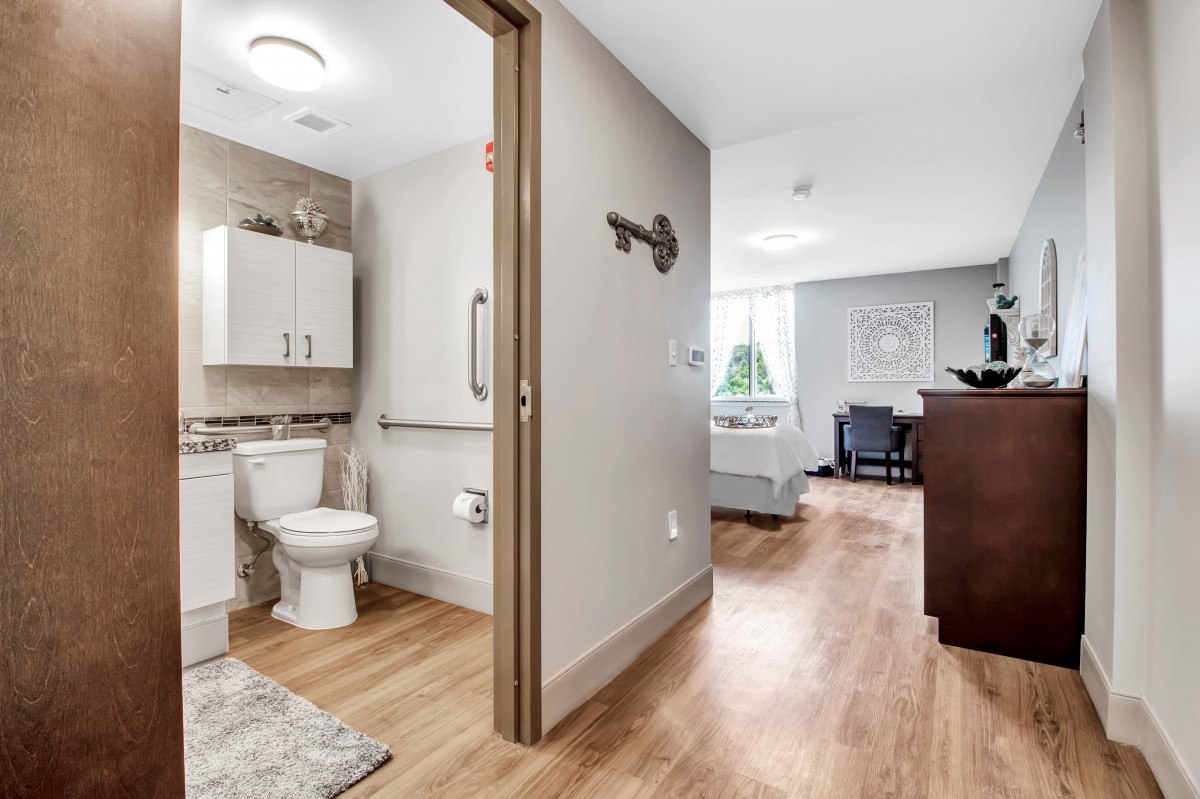
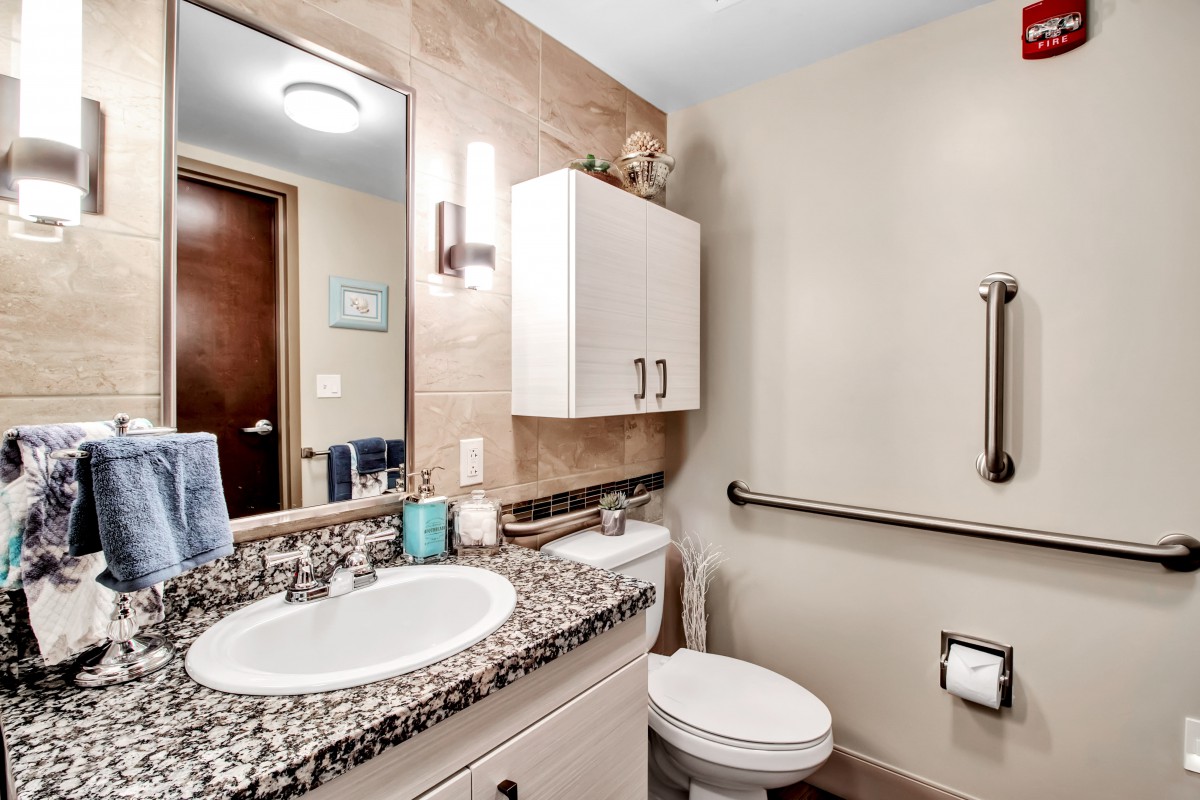
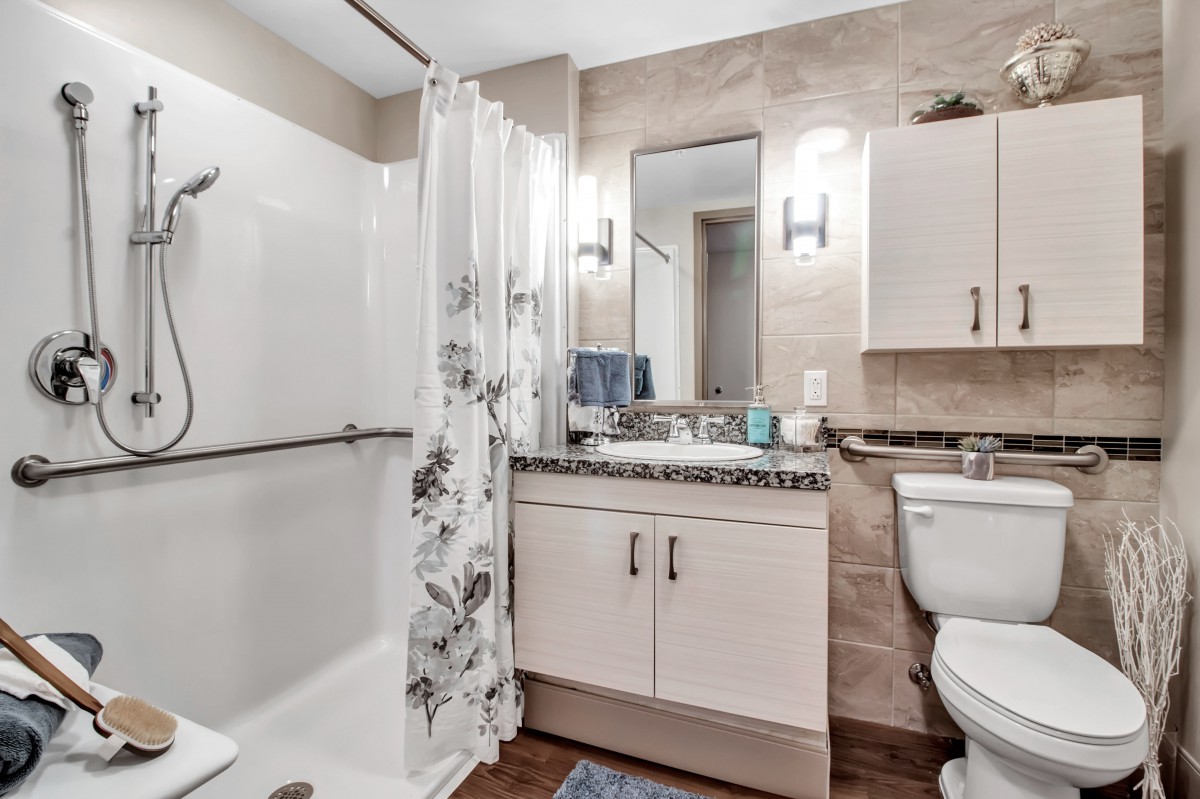
 Handicap accessible
 Indoor common areas
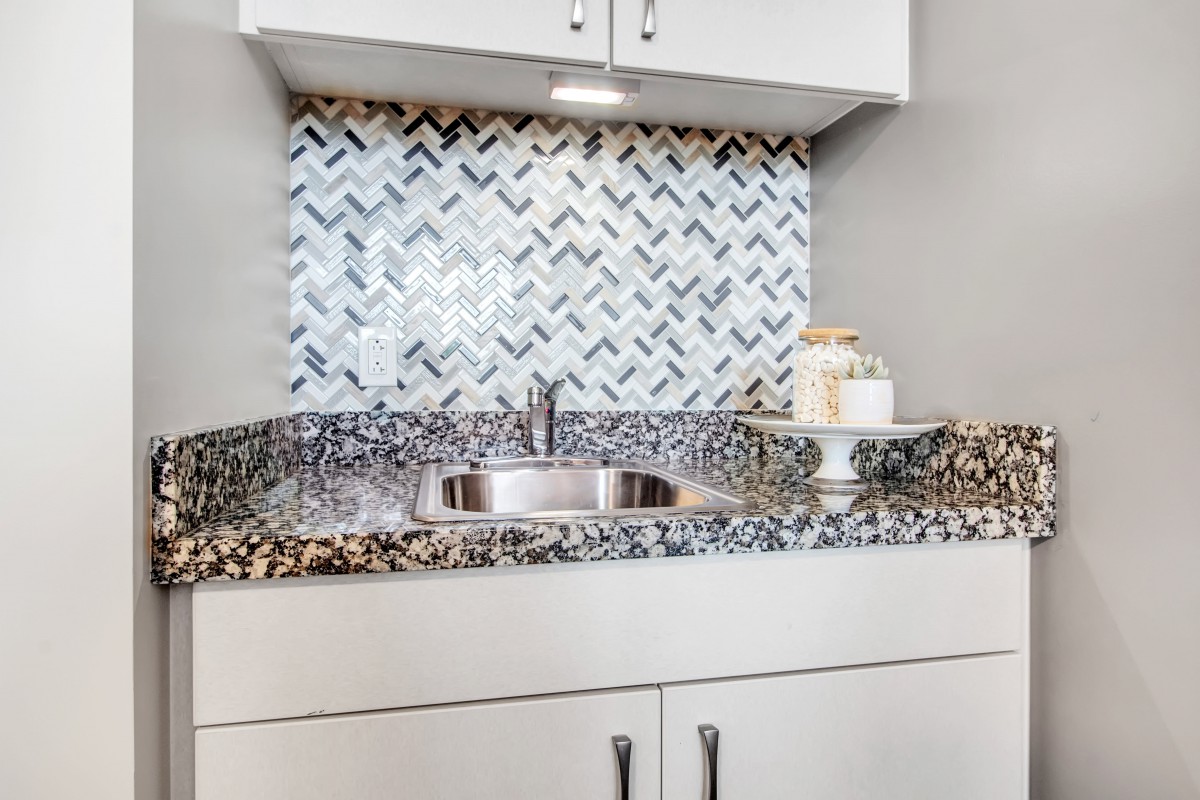
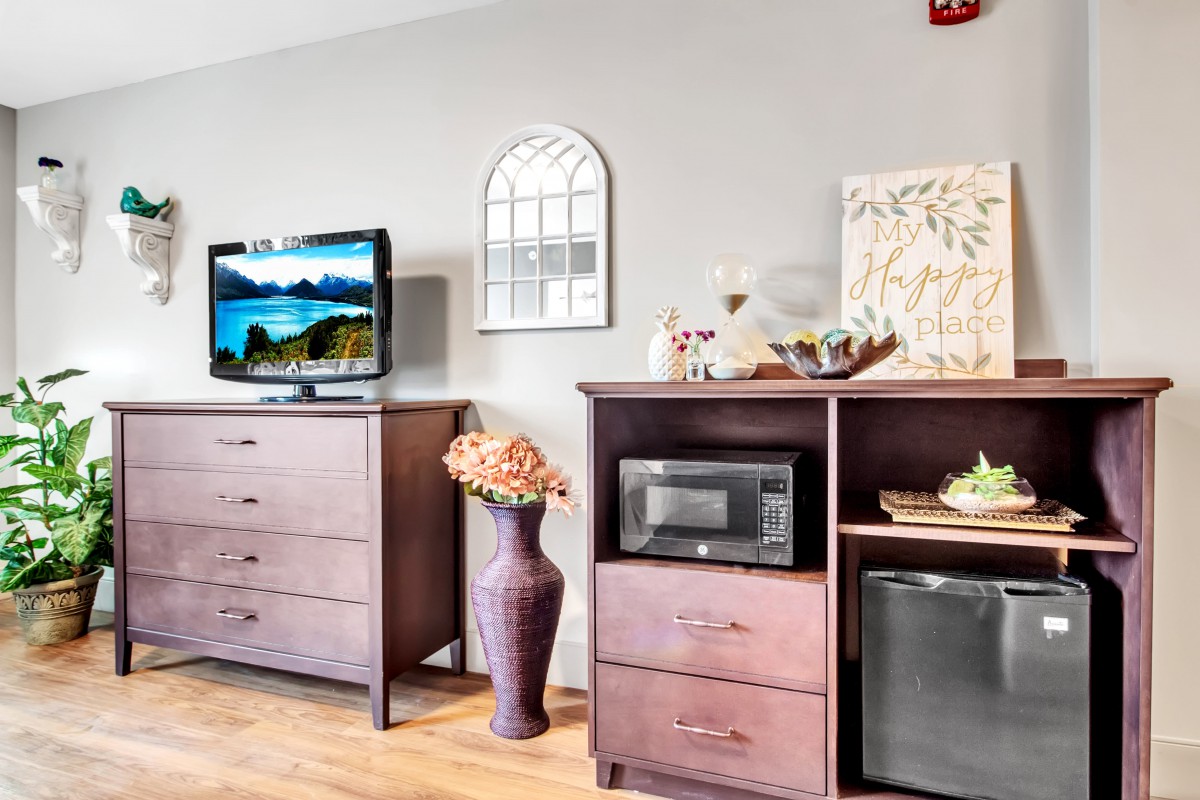
 Kitchenette
 Outdoor common areas
 Private bathrooms
 Wheelchair accessible showers
 Texarkana Regional-Webb (6 miles away)
 Ambulatory care
 Diabetic care
 High acuity care
 Medication management
 Meals provided
 BBQs or picnics
 Birthday parties
 Happy hour
 Live dance or theater performances
 Live musical performances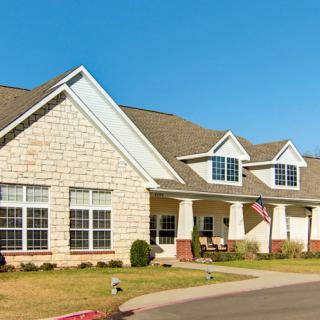


 A Detailed Exploration of Assisted Living Medicaid Waivers Across the United States
 Exploring the Contrasts Between Assisted Living and Skilled Nursing
 Vibrant Senior Living: A Comprehensive Guide for Active Older Adults