


Little River Nursing & Rehab

Save

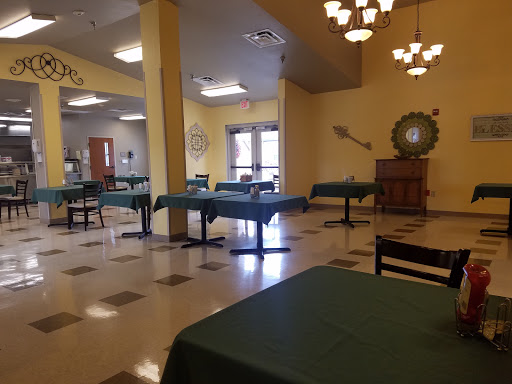
  • Interior

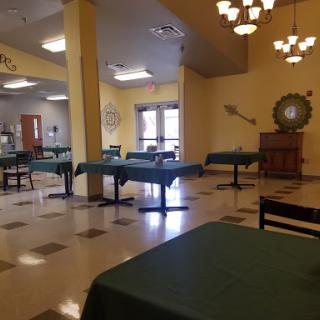
    An empty dining area with green tables and warm lighting.
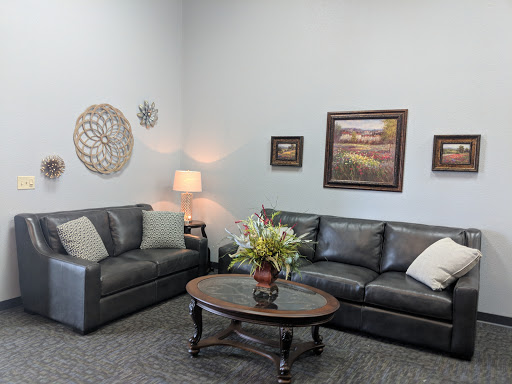
  • Decor

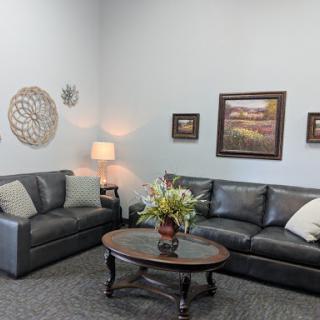
    A cozy living room setup featuring comfortable sofas, a coffee table with floral arrangement, and decorative wall art.
  • Building

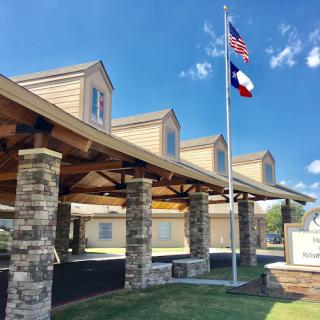
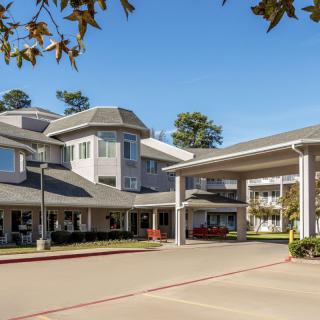
    A commercial building with a welcoming entrance, set against a partly cloudy sky.
  • Architecture

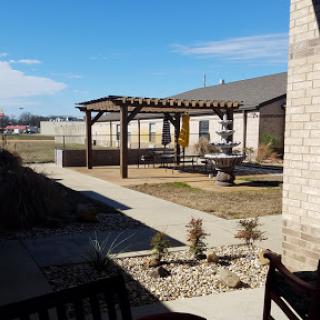
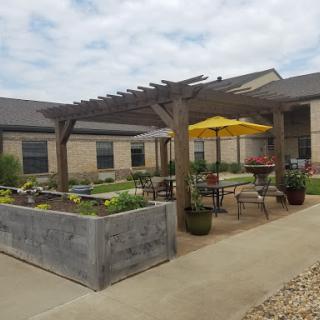
    A serene backyard featuring a pergola and a well-maintained landscape under a clear blue sky.
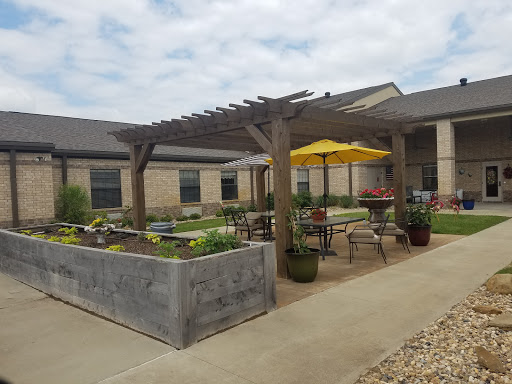
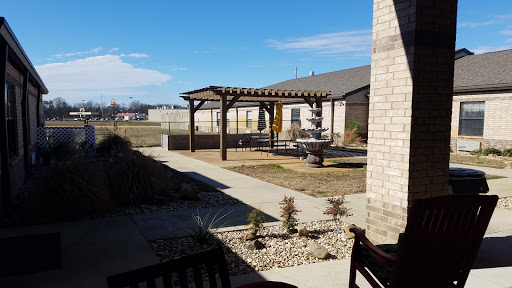
  • Landscaping

    A serene outdoor patio area featuring comfortable seating, a pergola for shade, and vibrant garden elements.
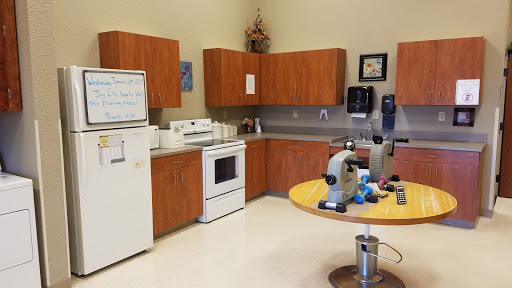
  • Kitchen

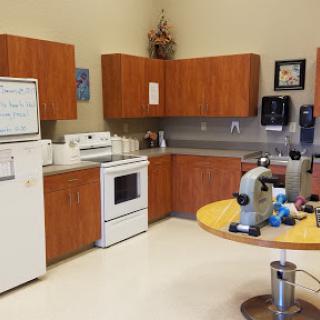
    A well-equipped kitchen area in a laboratory setting, featuring cabinets and a microscope on the table.
  • Garden

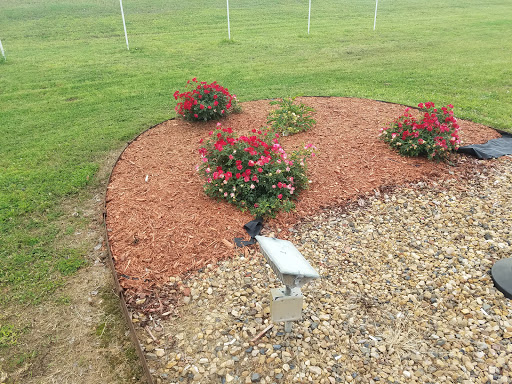
    A beautifully landscaped garden featuring blooming flowers and mulch.
  • Entrance

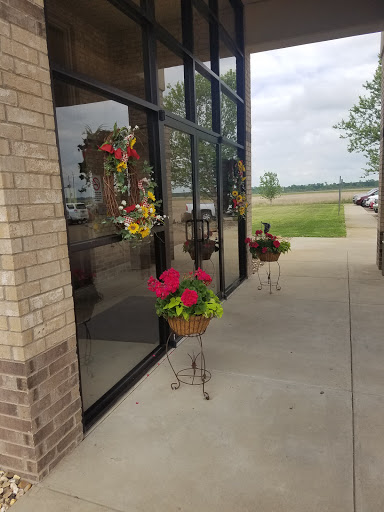
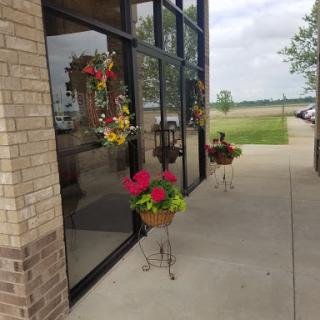
    A vibrant display of flowers in planters at the entrance of a building.
  • Outdoor

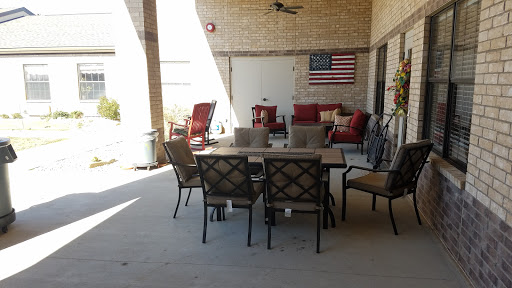
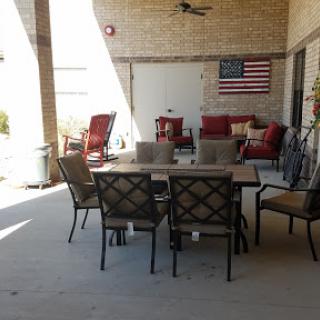
    A cozy outdoor patio area equipped with a dining table and comfortable seating, adorned with an American flag.
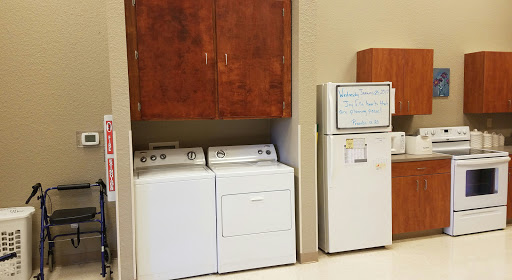
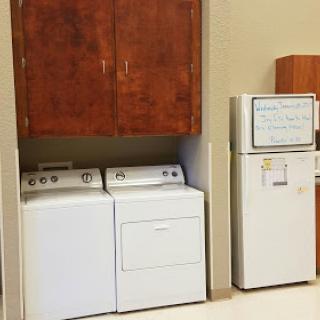
  • Appliances

    A laundry area featuring a washer and dryer with storage cabinets above, next to a refrigerator.

Little River Nursing & Rehab

162 Highway 32-2A, Ashdown, AR 71822

For more information about senior living options: (844) 490-3973

3.5 from 15 reviews
5 stars
9
4 stars
0
3 stars
0
2 stars
1
1 stars
5

Skilled Nursing Facility

What level of care are you interested in?

Assisted Living

Memory Care

Independent Living

Skilled Nursing Facility

Continuing Care Retirement Community (CCRC)CCRC

Other


Request a tour at Little River Nursing & Rehab

    Overall Review of Little River Nursing & Rehab

    Pros

    • pro The dad was well cared for by the facility's friendly professional staff.
    • pro The facility is great and much better than most nursing homes in the area.
    • pro There were a handful of excellent staff who did their jobs and cared for residents.
    • pro Samantha, an LPN, was very polite, helpful, and gentle with residents.
    • pro The staff lent a wheelchair to help a visitor see his grandmother.
    • pro The lunch looked and smelled better than school food.
    • pro The overall atmosphere was marked by friendliness and care from the staff.

    Cons

    • pro The facility lacks a separate Alzheimer's unit and dementia patients are co-mingled with other residents.
    • pro Lunch service can take over an hour, leaving residents in wheelchairs uncomfortable.
    • pro The piano on site needs tuning.
    • pro Dementia diagnoses and care instructions were not communicated to staff, leading to confusion.
    • pro Residents were not given time to adjust after placement.
    • pro Food modifications for his condition were not clearly communicated or followed.
    • pro Staff did not offer appropriate interventions for wandering and instead suggested the resident had to leave.
    • pro The care plan for residents with dementia lacked clear end goals.
    • pro Staff treated male resident flirting as harmless while disapproving when women did the same.
    • pro A resident's fall was not properly reported or logged.
    • pro Important incidents were not communicated to the family in a timely manner.
    • pro Medications intended to reduce wandering worsened symptoms, with little adequate support offered.
    • pro Administration did not express condolences or genuine care, only bills.
    • pro Nurses did not follow doctors' hospice instructions.
    • pro Transportation by drivers was unsafe for wheelchair passengers.
    • pro One reviewer described the place as a "trash place" and the staff as "trash people."

    Review

    The experiences shared about this Arkansas facility are a mix of heartfelt praise and sharp criticism, painting a portrait of a place that can be a comfort to families in some moments and a source of real frustration in others. Several reviewers speak first of the care they observed during the final days with a loved one, noting that the staff appeared friendly, professional, and genuinely caring. In particular, one reviewer who was present during the last days of their father's life described the care as attentive and supportive and emphasized that the staff were friendly and professional throughout. This positive note recurs in small, repeated phrases like "great facility" and "much better than most nursing homes in the area," suggesting that, on some shifts and with some teams, the care can be solid and compassionate.

    Yet beneath that veneer of warmth lies a thread of serious concern about how the facility handles dementia care and the day-to-day living conditions of residents with cognitive impairment. A recurring issue is the lack of a distinct Alzheimer's or memory-care wing or unit. Reviewers report that residents with dementia are integrated with other residents, which in their view creates a dynamic where confusion and agitation among some residents spill into the dining room and common areas. Specific anecdotes describe a dining room near a table where four confused women sat, and a man who was described as confused, angry, and worried he might hurt someone. One reviewer explicitly notes that, during lunchtime, it took over an hour for meals to be served, and they question whether the extended wait is appropriate for residents who spend much of their day in wheelchairs. The concern about the environment - staffing, space, and appropriate placement for dementia care - appears repeatedly as a source of distress for families.

    The August 2023 placement experience adds another layer to the critique: poor pre-admission preparation and communication. A family describes speaking with a staff member named Dana about placing their father-in-law, sharing dementia-related details and health records from Michigan. Despite assurances, they say there was no health background check or formal acclimation process, and the family was told to bring the patient in without delays. After a few days, the patient's difficulty adjusting escalated, and there were clear communication gaps between the admitting staff and the caregiving team. They say staff did not communicate the patient's dementia status, and when the family did, it only then made sense to some nurses. The plan for care appeared to be inconsistent, with references to wandering, behavioral concerns, and a lack of specific end-goals on the patient's care plan. The account also describes a troubling sequence: a nurse expressed concern about a feeding issue, but the information apparently did not reach the rest of the team promptly, resulting in improvised and inconsistent dietary instructions (such as the need to cut up food) not being clearly documented for all staff.

    Wandering and behavior management emerges as another flashpoint. Several reviewers describe a patient who wandered and required more structure and dementia-focused care than a standard memory ward could offer at the time. Instead of receiving a tailored behavioral support plan or referral to a specialized dementia unit, the family was told the patient had to "go" elsewhere. This theme - insufficient behavioral support, unclear thresholds for placement, and a lack of formal, resident-specific goals - appears to have contributed to a sense that the facility was not fully equipped to meet the needs of someone with dementia who experiences wandering or agitation. The same family also notes that a change in medication (a course of Zoloft intended to reduce wandering) aggravated symptoms, and the response from staff was to reiterate that the patient was wandering and needed to leave, rather than offering targeted, memory-care interventions or adjustments guided by a dementia-focused care plan.

    Communication gaps extend to daily routines and care adjustments more broadly. A recurring complaint is that important care information - dietary needs, behavioral considerations, safety protocols - was not consistently shared with the entire care team. A specific example describes a situation where caregivers did not know the patient required his meat to be cut up, yet later staff clarified this in the patient's chart. The net effect, according to families, is a healthcare continuum that feels reactive rather than proactive: problems arise, families intervene, and only then does the staff connect the dots and adjust the care plan accordingly.

    The hospice experience described by one reviewer is particularly stark. They claim that hospice nurses did not follow the doctor's instructions, and the administration offered little in the way of condolence or emotional support after their loved one passed, focusing instead on billing. The reviewer uses strong language - "If I could leave a zero-star review I would" - and cites concerns about transportation safety, noting that drivers should be better trained to move patients in wheelchairs. The comment about Arkansas being a place where liability protections influence not-for-profit operations adds a layer of distrust about how the facility handles end-of-life care and related administrative processes. Taken together, these assertions suggest a perceived disconnect between clinical directives, compassionate care, and administrative practices during hospice involvement.

    Amidst the criticism, a few positive notes shine through a different shade of the facility's portrait. Some staff members are praised for kindness, attentiveness, and practical help. One reviewer recounts a family friend who was visiting their grandmother and received a wheelchair loan to ease the visit, and they single out a particular LPN, named Samantha, for being especially polite, helpful, and gentle during a medical interaction. The general sentiment from some patients and families also includes recognition that there are excellent caregivers among the staff who "do their jobs and care," underscoring the variability in experiences across shifts, departments, and personnel.

    In summary, the overall picture that emerges is one of a facility capable of warmth and genuine concern in many moments, but with notable and persistent challenges in dementia care, communication, and comprehensive care planning. Families describe a mixed landscape: compassionate individual staff members who can make meaningful differences for residents, paired with systemic gaps in dementia-specific programming, timely communication, consistent care plans, and end-of-life support. The stories urge prospective families to proceed with careful due diligence: ask pointed questions about dementia care capabilities, care coordination, and documentation, request timely and transparent communication, seek confirmation of individual care plans and goals, and observe the facility's ability to tailor interventions to the needs of residents with cognitive impairment. The bottom line from these accounts is that while some families have had positive experiences, others have encountered avoidable frustrations and serious concerns that warrant close attention for anyone considering this facility for a loved one.

    Features

    Housing

    • 85 resident community capacity 85 resident community capacity

    Types of Care

    • Skilled Nursing Facility Skilled Nursing FacilitySkilled Nursing Facilities are crucial for seniors as they provide round-the-clock medical care, rehabilitation services, and assistance with daily activities. These facilities ensure that seniors receive the specialized care they need to maintain their health and well-being as they age.

    Amenities

    • Air-conditioning Air-conditioningAir conditioning is important for seniors as they are more vulnerable to heat-related illnesses and may have underlying health conditions that make it difficult for them to regulate their body temperature. It helps to keep them comfortable, safe, and healthy in hot weather.
    • Beauty salon Beauty salonBeauty salons are important for seniors because they provide a space for them to feel pampered, socialize, and maintain their personal grooming and hygiene. Regular visits to a beauty salon can help boost seniors' self-esteem and overall well-being.
    • Cable or satellite TV Cable or satellite TVCable or satellite TV is important for seniors because it provides entertainment, news, and companionship, helping to combat loneliness and boredom. It also offers a wide range of programming options tailored to different interests and preferences.
    • Computer center Computer centerA computer center is essential for seniors as it provides access to technology, communication tools, and resources that can enhance their daily lives. It allows them to stay connected with loved ones, engage in online activities, and learn new skills, ultimately promoting socialization and mental stimulation.
    • Dining room Dining roomDining rooms are important for seniors as they provide a space for socialization, connection, and nutritious meals. They offer opportunities for residents to bond over shared meals, foster a sense of community, and promote healthy eating habits. Dining rooms also ensure that seniors have access to well-balanced meals tailored to their dietary needs and preferences.
    • Fitness room Fitness roomHaving a fitness room in a senior living community is essential for seniors to stay active, maintain their physical health, and improve their overall well-being. Regular exercise can help prevent falls, reduce the risk of chronic diseases, and promote mental sharpness. It also provides social opportunities for residents to connect with others and enjoy a sense of community.
    • Fully furnished Fully furnishedFully furnished senior living communities are important for seniors because they provide convenience, comfort, and a hassle-free moving experience. Seniors can easily settle into their new living space without the stress of having to buy and move furniture. This allows them to focus on enjoying their new home and community.
    • Gaming room Gaming roomGaming rooms are important for seniors as they provide a fun and engaging environment for socializing, cognitive stimulation, and physical activity. Games can improve memory, problem-solving skills, and overall mental well-being while fostering friendships and reducing feelings of isolation.
    • Garden GardenGardens are important for seniors as they provide a peaceful and therapeutic environment for relaxation, physical activity, and socialization. Being in nature has been shown to reduce stress, improve mood, and promote overall well-being. Gardens also offer opportunities for seniors to engage in gardening activities, which can improve mobility, flexibility, and cognitive function. Additionally, gardens create a sense of community and connection with others who share a passion for plants and outdoor spaces.
    • Housekeeping services Housekeeping servicesHousekeeping services are important for seniors because they help maintain a clean and safe living environment, promote independence, and reduce the risk of accidents or illnesses. Additionally, having assistance with household chores can alleviate physical strain and allow seniors to focus on other aspects of their well-being.
    • Kitchenette KitchenetteKitchenettes are important for seniors living in senior living communities because they provide the convenience and independence of being able to prepare simple meals and snacks in the comfort of their own living space. This can help promote a sense of autonomy and well-being for seniors, allowing them to maintain some level of control over their dietary choices and daily routines.
    • Move-in coordination Move-in coordinationMove-in coordination is important for seniors because it helps ease the transition into their new living environment. It ensures that all logistics, such as packing, organizing movers, and setting up utilities are taken care of, allowing seniors to focus on settling in and adjusting to their new home. Having a smooth move-in process can alleviate stress and anxiety, making the transition smoother and more enjoyable for seniors.
    • Outdoor space Outdoor spaceOutdoor spaces are important for seniors as they provide opportunities for physical activity, social interaction, exposure to natural light and fresh air, and a sense of connection to nature. Having access to outdoor spaces can improve overall well-being and quality of life for older adults living in senior communities.
    • Private bathrooms Private bathroomsPrivate bathrooms are important for seniors in senior living communities because they provide independence, dignity, and comfort. Having a private bathroom allows seniors to maintain their personal hygiene routines without the need for assistance, promoting a sense of autonomy and privacy. Additionally, private bathrooms help prevent the spread of infections and provide a safe and clean environment for seniors to navigate safely.
    • Restaurant-style dining Restaurant-style diningRestaurant-style dining is important for seniors because it allows them to enjoy delicious, nutritious meals in a social and upscale setting. This enhances their dining experience, promotes healthy eating habits, and fosters socialization with fellow residents, ultimately contributing to their overall well-being and quality of life.
    • Small library Small librarySmall libraries are important for seniors as they provide access to a variety of reading materials, including books, newspapers, and magazines. This can help stimulate their minds, keep them engaged, and provide a sense of community through book clubs and other social activities. Additionally, reading has been shown to improve cognitive function and overall mental well-being in older adults.
    • Telephone TelephoneTelephones are important for seniors as they provide a lifeline for communication with loved ones, emergency services, and healthcare providers. They offer a sense of security and independence, enabling seniors to stay connected and access assistance when needed.
    • Wellness center Wellness centerWellness centers are important for seniors because they offer a variety of programs and services that promote physical, mental, and emotional well-being. These centers provide opportunities for exercise, socialization, education, and relaxation, helping seniors maintain their overall health and quality of life.
    • Wi-Fi/high-speed internet available Wi-Fi/high-speed internet availableWi-Fi/high-speed internet is important for seniors to stay connected with loved ones, access online resources, and participate in virtual activities to combat feelings of loneliness and isolation. It also allows them to easily manage healthcare needs, access entertainment, and engage in lifelong learning opportunities.

    Transportation

    • Texarkana Regional-Webb (17 miles away) Texarkana Regional-Webb (17 miles away)
    • Community operated transportation Community operated transportationCommunity operated transportation is crucial for seniors as it provides them with the means to access essential services, social activities, and medical appointments. It allows seniors to maintain their independence and quality of life by ensuring they can participate in activities outside of their homes. Additionally, community-operated transportation services offer a safe and reliable way for seniors to travel without having to rely on family or friends for assistance.
    • Transportation arrangement Transportation arrangementTransportation arrangements are crucial for seniors as they may face challenges with driving, mobility, or access to public transportation. Having reliable transportation services ensures that seniors can easily attend appointments, social activities, and maintain their independence and quality of life.
    • Transportation arrangement (non-medical) Transportation arrangement (non-medical)Transportation arrangements are essential for seniors as they provide access to essential services, activities, and social interactions outside the home. This service helps maintain independence, mobility, and overall well-being for seniors who may have limited transportation options.
    • Transportation to doctors appointments Transportation to doctors appointmentsTransportation to doctors appointments is crucial for seniors as it ensures they have access to necessary medical care and support, promoting their health and well-being. It allows them to receive timely treatment, monitor existing conditions, and address any new health concerns efficiently. Additionally, transportation services can help seniors maintain their independence and quality of life by enabling them to stay connected with their healthcare providers.

    Care Services

    • 12-16 hour nursing 12-16 hour nursing12-16 hour nursing care is crucial for seniors in order to ensure around-the-clock monitoring, timely medication administration, and prompt response to any health concerns or emergencies. This level of care helps to promote the overall well-being and safety of seniors living in senior living communities.
    • 24-hour call system 24-hour call system24-hour call systems are important for seniors because they provide peace of mind and immediate assistance in case of emergencies. This technology ensures that help is always available, promoting safety and security for elderly individuals living alone or in assisted living facilities.
    • 24-hour supervision 24-hour supervision24-hour supervision is important for seniors to ensure their safety, well-being, and access to immediate assistance in case of emergencies or health issues. This constant support provides peace of mind for both seniors and their loved ones, allowing them to age in place with dignity and security.
    • Activities of daily living assistance Activities of daily living assistanceActivities of daily living assistance are important for seniors because they provide essential support with tasks such as eating, bathing, dressing, and mobility. This assistance helps seniors maintain their independence, dignity, and overall quality of life as they age.
    • Assistance with bathing Assistance with bathingAssistance with bathing is crucial for seniors as it helps maintain personal hygiene, prevents infections, and ensures their overall well-being and comfort. It also provides a sense of dignity and independence for seniors who may struggle with this task on their own.
    • Assistance with dressing Assistance with dressingAssistance with dressing is important for seniors because it helps maintain their independence, promotes personal hygiene, prevents accidents and injuries, and improves overall quality of life. This service ensures that seniors can continue to dress comfortably and confidently, despite any physical limitations they may have.
    • Assistance with transfers Assistance with transfersAssistance with transfers is crucial for seniors as it helps prevent falls and injuries, maintains their independence, and ensures they can safely navigate their living environment. It also provides peace of mind for both seniors and their loved ones.
    • Diabetes diet Diabetes dietA diabetes diet is crucial for seniors as it helps manage blood sugar levels, reduce risks of complications, and improve overall health and well-being. By following a balanced and nutritious diet tailored to their specific needs, seniors can better control their diabetes and enhance their quality of life.
    • Meal preparation and service Meal preparation and serviceMeal preparation and service are crucial for seniors as they may have limited mobility or energy to cook nutritious meals. Having access to healthy and convenient food options can ensure they are getting the proper nutrition needed to maintain their overall health and well-being.
    • Medication management Medication managementMedication management is crucial for seniors to ensure they are taking the right medications at the correct dosages and times. This helps prevent adverse drug interactions, reduces the risk of medication errors, and promotes overall health and well-being. Proactive management also allows for adjustments as needed based on changing health conditions or new prescriptions.
    • Mental wellness program Mental wellness programMental wellness programs are essential for seniors as they promote cognitive stimulation, emotional support, and social engagement. These programs help prevent isolation, depression, and cognitive decline, ultimately enhancing the overall quality of life for older adults.
    • Special dietary restrictions Special dietary restrictionsSpecial dietary restrictions are important for seniors because age-related changes in metabolism and health conditions can make it difficult for their bodies to process certain foods. By following a diet tailored to their specific needs, seniors can maintain their overall health and well-being, manage chronic conditions, and reduce the risk of complications such as malnutrition or food interactions with medications.

    Dining

    • Diabetes diet Diabetes dietA diabetes diet is crucial for seniors as it helps manage blood sugar levels, reduce risks of complications, and improve overall health and well-being. By following a balanced and nutritious diet tailored to their specific needs, seniors can better control their diabetes and enhance their quality of life.
    • Special dietary restrictions Special dietary restrictionsSpecial dietary restrictions are important for seniors because age-related changes in metabolism and health conditions can make it difficult for their bodies to process certain foods. By following a diet tailored to their specific needs, seniors can maintain their overall health and well-being, manage chronic conditions, and reduce the risk of complications such as malnutrition or food interactions with medications.

    Activities

    • Community-sponsored activities Community-sponsored activitiesCommunity-sponsored activities are important for seniors as they provide opportunities for social interaction, mental stimulation, and physical activity. These activities can help improve overall well-being, combat loneliness and isolation, and promote a sense of belonging and purpose among older adults.
    • Concierge services Concierge servicesConcierge services are essential for seniors as they provide assistance with daily tasks and errands, enhance their quality of life by offering convenience and personalized care, and promote a sense of safety and security.
    • Fitness programs Fitness programsFitness programs are crucial for seniors as they help improve strength, flexibility, balance, and overall well-being. Staying active can reduce the risk of chronic diseases, improve mental health, and enhance quality of life in older adults.
    • Planned day trips Planned day tripsPlanned day trips are important for seniors because they offer opportunities for socialization, mental stimulation, and physical activity. They provide a change of scenery and help seniors stay engaged and connected to their community, promoting overall well-being and quality of life.
    • Resident-run activities Resident-run activitiesResident-run activities are important for seniors as they encourage social interaction, creativity, and a sense of autonomy. These activities empower seniors to stay engaged and active in their community while fostering meaningful connections with their peers.
    • Scheduled daily activities Scheduled daily activitiesScheduled daily activities are important for seniors because they provide structure, socialization, mental stimulation, and physical activity. Engaging in regular activities can improve overall well-being and quality of life for seniors living in a community setting.

    Description

    Little River Nursing & Rehab in Ashdown, AR is a vibrant and welcoming assisted living community that provides comprehensive care services for seniors. Our facility boasts numerous amenities to ensure that our residents enjoy a comfortable and fulfilling lifestyle.

    For those who like to look their best, we have a beauty salon where residents can receive pampering treatments. Our cable or satellite TV service ensures that everyone can stay entertained and up-to-date with their favorite shows. Community operated transportation is available for those who need assistance getting around town, whether it's for shopping or socializing.

    Our computer center allows residents to stay connected with loved ones through email and social media. The dining room offers restaurant-style meals where residents can gather for delicious and nutritious food. We also provide specialized diets, such as diabetes diets, to cater to individual needs.

    Physical wellness is important to us, which is why we have a fitness room where residents can exercise and maintain their health. Additionally, our outdoor space and garden provide a serene environment for relaxation and enjoyment of nature. For those who enjoy gaming or quiet reading time, we have a gaming room and small library available.

    Housekeeping services ensure that our residents' living spaces are clean and tidy at all times. Move-in coordination is provided to assist new residents in settling comfortably into their new homes. Private bathrooms offer convenience and privacy.

    We prioritize our residents' mental well-being by offering mental wellness programs designed to stimulate cognitive abilities and promote overall emotional health. Medication management ensures that medications are taken correctly and on time.

    Transportation arrangements are made both for non-medical purposes as well as transportation to doctors' appointments when needed. Wi-Fi/high-speed internet access is available throughout the facility so that residents can stay connected online.

    In terms of care services, our 24-hour call system provides peace of mind knowing that help is always just a button away. Trained staff members provide 24-hour supervision for added safety. Assistance with activities of daily living, such as bathing and dressing, is provided to ensure residents' comfort and well-being. We also offer assistance with transfers for those with mobility challenges.

    Residents have the opportunity to engage in a wide range of activities, including fitness programs, planned day trips, resident-run activities, and scheduled daily activities. Our concierge services are available to assist residents with any needs or requests they may have.

    Additionally, our community is conveniently located near pharmacies, physicians' offices, restaurants, places of worship, and a hospital, ensuring that essential amenities and services are easily accessible.

    At Little River Nursing & Rehab in Ashdown, AR, we strive to provide a warm and supportive environment where residents can thrive and enjoy their golden years to the fullest.

    Nearby Places of Interest

    Pharmacies

    • The Corner Pharmacy (0.1 miles)
    • Brookshire's Pharmacy (1.4 miles)
    • Walmart Pharmacy (2.6 miles)
    • Walmart Pharmacy (14.3 miles)
    • Artex Medical (14.5 miles)
    • Health Care Center Pharmacy (15 miles)
    • Super 1 Foods (15 miles)

    Places of Worship

    • Kingdom Hall-Jehovah's Wtnsss (0.2 miles)
    • Charity Temple Church of God In Christ (0.2 miles)
    • Linda K Ministries (1.1 miles)
    • Red Oak Grove Baptist Church (1.3 miles)
    • St Elizabeth Ann Seton Church (1.6 miles)
    • Southern Baptist Convention (3.5 miles)
    • First Baptist Church of Wilton (4.9 miles)

    Physicians

    • Memorial Medical Clinic (0.4 miles)
    • Covert George Dr Covert Clinic Ashdown (1.3 miles)
    • Family Medical Associates (1.5 miles)
    • King Medical Clinic (2.3 miles)
    • Pleasant Grove Family Clinic (13.5 miles)
    • White, Gregory Summerhill Pulmonology (14.2 miles)
    • Healthcare Express (14.3 miles)

    Hospitals

    • Little River Memorial Hospital (0.4 miles)
    • Northeast Texas Surgical Center (14.5 miles)

    Restaurants

    • Sonic Drive-In (1.2 miles)
    • Chiladas (14.1 miles)
    • Subway (14.1 miles)
    • Amigo Juan of Texarkana (14.4 miles)
    • Sonic Drive-In (14.7 miles)
    • Waffle House (14.8 miles)
    • McDonald's (14.8 miles)

    Parks

    • Kylee Sullivan Dog Park (15 miles)
    • Spring Lake Park Splash Pad (15.3 miles)

    Cafes

    • Starbucks (15.2 miles)

    Transportation

    • Idealease Of Texarkana (15.2 miles)
    • Megabus Texarkana Stop (15.2 miles)

    Frequently Asked Questions

    Where is Little River Nursing & Rehab?
    What photos are available for Little River Nursing & Rehab in Ashdown, Arkansas?

    Nearby Communities

    Related Resources

    • palliative care vs hospiceUnderstanding the Nuances of Palliative Care and Hospice: A Comprehensive Exploration

      Palliative care focuses on alleviating distress at any stage of a serious illness and can accompany curative treatments, while hospice care is for those nearing the end of life with a prognosis of six months or less, emphasizing comfort over curative measures. Both prioritize holistic care for patients and families but differ in timing, goals, and scope.

    • fecal incontinenceFecal Incontinence in Older Adults: A Comprehensive Guide

      Fecal incontinence, prevalent among older adults, arises from factors like weakened pelvic muscles and nerve damage, significantly affecting well-being and social interactions. Diagnosis involves clinical evaluation and tests to inform tailored treatments, while caregivers and preventive measures can aid in managing the condition effectively.

    • anticipatory griefRecognizing the Journey: Understanding and Navigating Anticipatory Grief
      Anticipatory grief is an emotional response to the impending loss of a loved one, characterized by complex emotions such as sadness and anger, and involves navigating stages similar to those identified by Kübler-Ross. Coping strategies are vital for managing this process, emphasizing compassionate communication, self-care, and support groups while recognizing the cultural influences on grieving.


    Get Pricing Ask A Question Schedule A Tour Contact Senior Advisor