For more information about senior living options: (866) 208-4318
4.2 from 91 reviews
5 stars
70
4 stars
1
3 stars
2
2 stars
3
1 stars
15
Ponoma Hills Assisted Living Costs & Pricing
Ponoma Hills Assisted Living offers competitive pricing for its residents, with semi-private rooms available at $2,800 per month, closely aligning with the average costs in Pima County ($2,805) and the broader state of Arizona ($2,820). For those seeking more privacy, private rooms are priced at $3,500 a month, which is slightly higher than the county's average of $3,332 and the state's average of $3,345. Overall, Ponoma Hills provides quality care at reasonable rates that reflect regional market trends while ensuring residents receive a comfortable living experience.
Floor plans
Ponoma Hills Assisted Living
Pima County
Arizona
Semi-Private
$2,800
$2,805
$2,820
Private
$3,500
$3,332
$3,345
Senior living communities with a similar price nearby
About the same
Abella Manor Senior Care, LLC
5 from 13 reviews
$2,800 to $3,200 / month
9.0 miles away
from +$350 / mo
Casa De Buena Vida
5 from 11 reviews
$3,150 to $3,450 / month
4.0 miles away
from +$400 / mo
Academy Villas
4.9 from 26 reviews
$3,200 to $7,000 / month
19.0 miles away
from -$500 / mo
Northwest Assisted Living
4.9 from 11 reviews
$2,300 to $2,500 / month
5.4 miles away
from -$300 / mo
Grace Home I
4.8 from 10 reviews
$2,500 to $3,200 / month
10.2 miles away
Overall Review of Ponoma Hills Assisted Living
differentiator12 reviews mention this
Food is a frequent highlight
Dining quality stands out, with residents and families repeatedly praising the food and variety.
Residents and visitors commonly describe the meals as delicious and well-prepared, and many call out variety on the menu. Several reviews also mention the wait staff being attentive and helpful during dining, with staff remembering preferences. The community is also described as having spacious, well-appointed dining areas that fit both everyday meals and visits.
differentiator6 reviews mention this
Equine and activities keep days full
The equine program and on-site activities are a recurring reason people enjoy the community.
A number of reviews describe an equine program as a standout feature, with residents and families looking forward to horse-related time. Beyond that, residents mention steady opportunities for engagement, including activities designed to keep people involved. Reviews also emphasize outdoor spaces and a campus layout that supports spending time outside as part of daily life.
common5 reviews mention this
Care team support shows up in reviews
Many reviews credit the care team with responsive support, including for memory-care needs.
Families frequently describe the care team (often referred to as Nayas) as attentive and supportive, especially with personal care and day-to-day help. Some reviews specifically mention memory care or cognitive-disability support, describing residents as safe and content. Residents also describe quick help when problems come up, and families mention care coordination during medical situations.
caveat8 reviews mention this
Skilled nursing staffing is a concern
Several reviewers raise concerns about staffing levels and care responsiveness during higher-acuity situations.
While many reviews are positive about care, a meaningful number of the lowest ratings describe situations where residents were left without timely help. One theme involves insufficient nursing coverage in skilled nursing, including long waits for nurses and busy staffing being overwhelmed. Other negative reviews cite breakdowns in basic support, including difficulties getting assistance and concerns during rehab after a hospital stay.
caveat2 reviews mention this
Pricing and cost communication raise flags
Some families express frustration with billing and the process of getting clear cost information.
A couple of reviews describe negative experiences related to billing, including collections and frustration with charges after payments were arranged. Another review notes trouble receiving promised cost information after outreach. These concerns come alongside otherwise positive comments about the community, but they are repeated enough to stand out.
How we summarize
Counts show how many written reviews mention each theme; a review can touch several themes, and only frequently mentioned themes are displayed.
Features
Types of Care
Board and Care Home
Amenities
Activities on-site
Cable or satellite TV
Devotional services off-site
Indoor common areas
Outdoor common areas
Private
Private bathrooms
Respite or short term stays offered
Wi-Fi/high-speed internet available
Transportation
Tucson International (14 miles away)
Care Services
Diabetic care
High acuity care
Incontinence care
Medication management
Dining
Meals provided
Activities
Activities on-site
Art classes
BBQs or picnics
Birthday parties
Devotional activities offsite
Holiday parties
Live dance or theater performances
Live musical performances
Stretching classes
Yoga / chair yoga
Nearby Places of Interest
This part of Tucson, Arizona offers a variety of amenities and services that may be of interest to seniors looking for a comfortable and convenient living environment. The area boasts a range of dining options, from upscale restaurants like Azul Restaurant and Hacienda Del Sol to more casual choices like Culver's and Taco Bell. Nearby pharmacies such as CVS and Walgreens make accessing medications easy, while a selection of medical centers and physicians provide quality healthcare options. Additionally, cafes like Ren Coffeehouse and Starbucks offer cozy spots to relax with a hot beverage. For outdoor recreation, parks like Children's Memorial Park and Rilito River Park are within close proximity. In case of emergencies, hospitals such as Tmc Labor and Delivery and UMC Emergency Room are conveniently located nearby. Overall, this neighborhood provides residents with the convenience of city living while still offering opportunities for relaxation and leisure activities.
Restaurants
Azul Restaurant (0.4 miles)
Hacienda Del Sol (0.4 miles)
North Italia Tucson (1.1 miles)
P.F. Chang's China Bistro (2.2 miles)
Union Public House (2.2 miles)
Culver's (2.6 miles)
Taco Bell (3.1 miles)
Pharmacies
CVS Pharmacy (0.9 miles)
Walgreens (1.6 miles)
Walgreens (2.6 miles)
Walgreens (3.5 miles)
Walgreens (3.7 miles)
CVS Pharmacy (3.8 miles)
Walgreens (3.8 miles)
Physicians
Pima Heart (2 miles)
Center For Neuro Sciences (2 miles)
Sheftel Scott, MD (2.1 miles)
University Orthopedic Specialists (2.2 miles)
Systems Medicine (2.2 miles)
Arizona Oncology (2.3 miles)
Ironwood Dermatology PC (2.3 miles)
Cafes
Ren Coffeehouse (2.2 miles)
Starbucks (2.9 miles)
Starbucks (3.5 miles)
Starbucks (3.8 miles)
LeBuzz Caffe (3.9 miles)
Starbucks (3.9 miles)
Village Bakehouse (4.1 miles)
Parks
Children's Memorial Park (3.9 miles)
Rilito River Park (4.7 miles)
Hospitals
Tmc Labor and Delivery (4.8 miles)
UMC Emergency Room (5 miles)
UMC Radiologic (5 miles)
The University of Arizona Medical Center - Medicine Clinic Physician Offices (5.1 miles)
Ponoma Hills Assisted Living offers competitive pricing for its residents, with semi-private rooms available at $2,800 per month, closely aligning with the average costs in Pima County ($2,805) and the broader state of Arizona ($2,820). For those seeking more privacy, private rooms are priced at $3,500 a month, which is slightly higher than the county's average of $3,332 and the state's average of $3,345. Overall, Ponoma Hills provides quality care at reasonable rates that reflect regional market trends while ensuring residents receive a comfortable living experience.
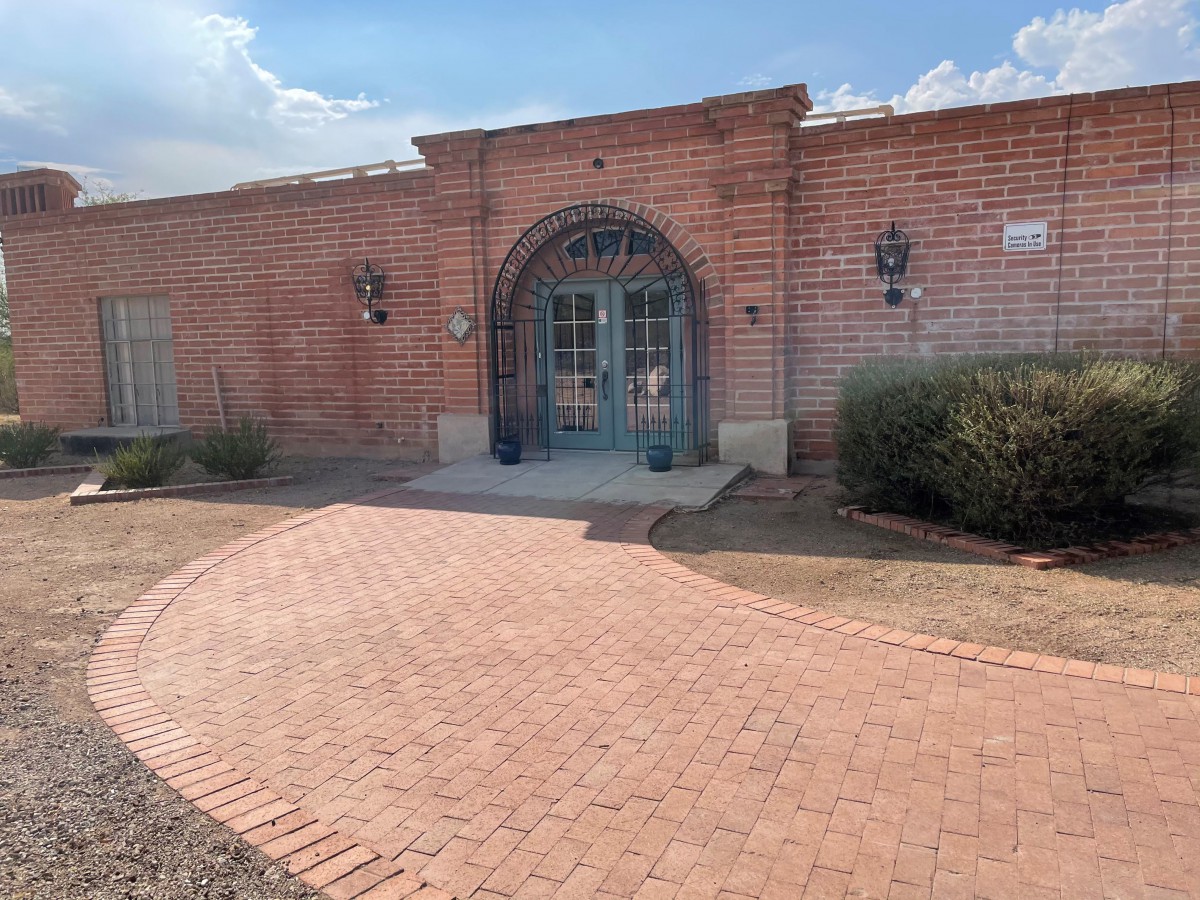
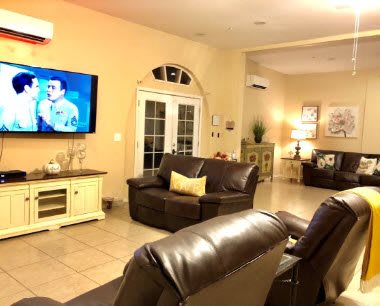
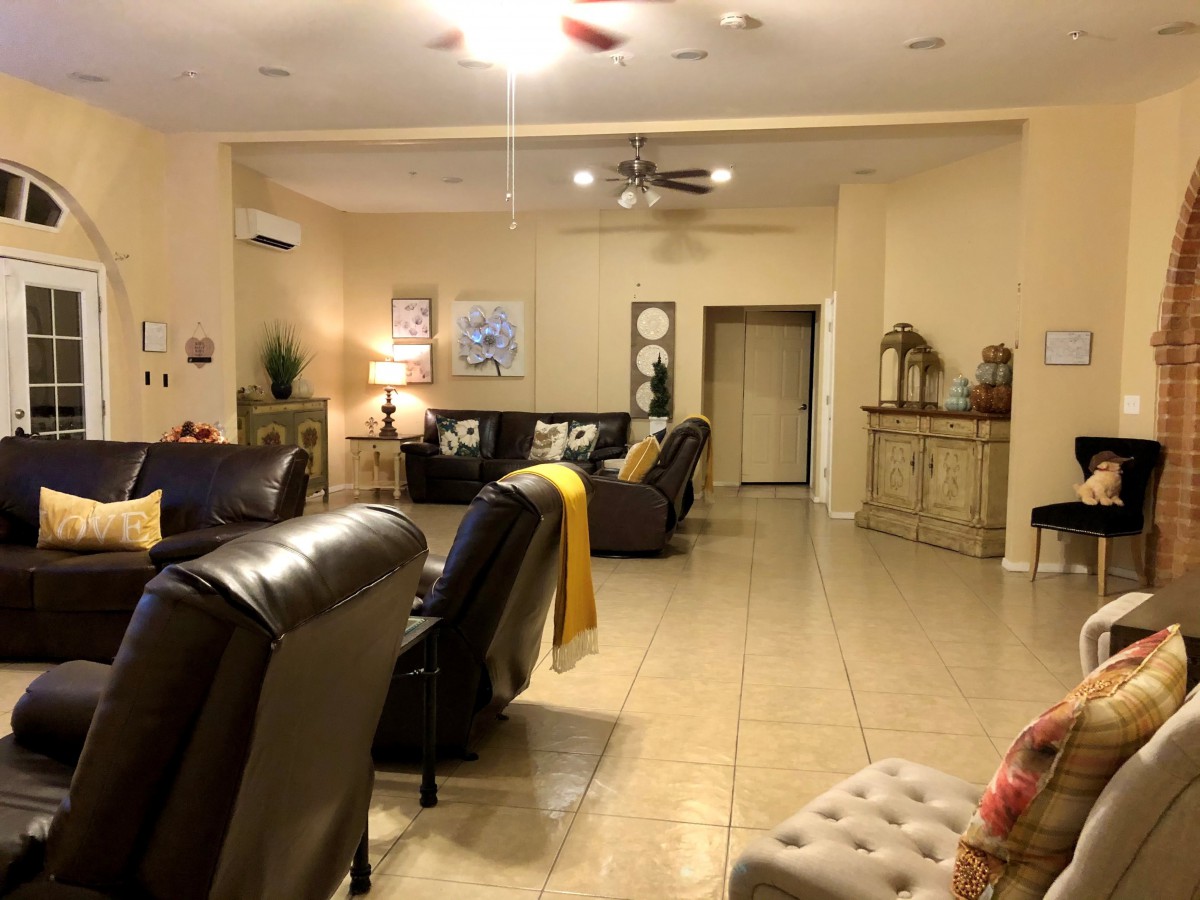
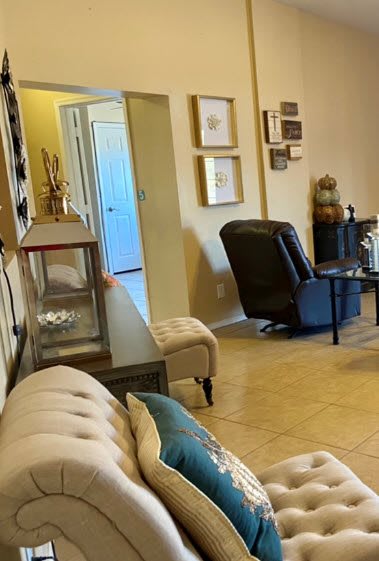
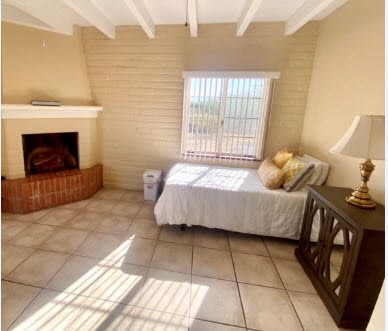
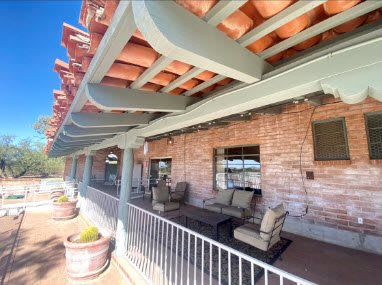
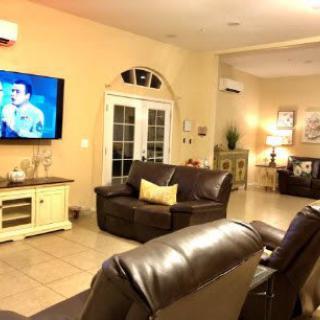
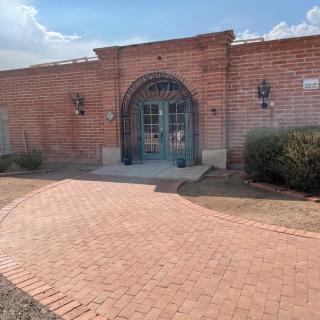
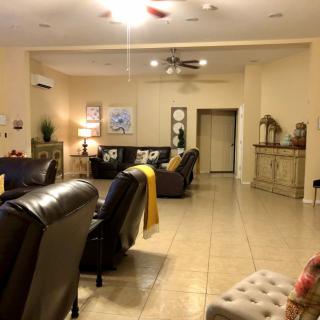
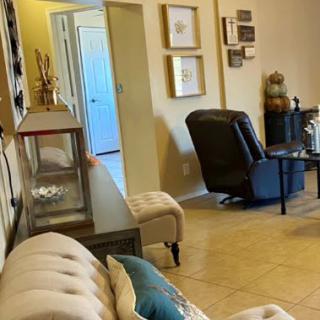
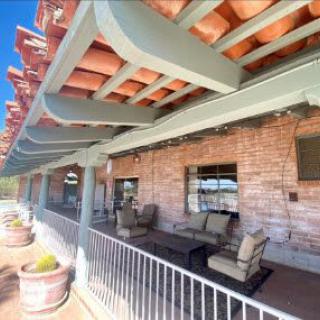
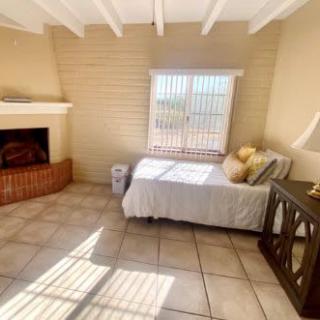
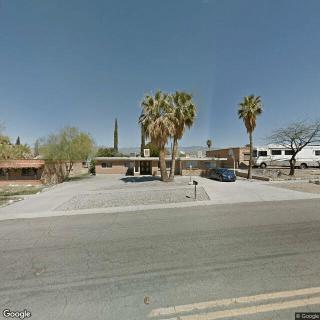
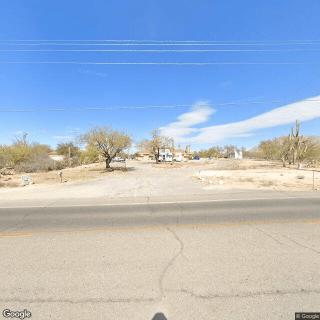
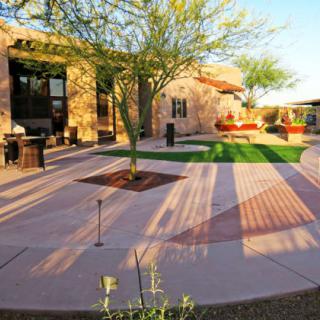
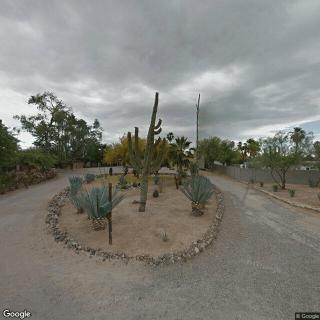
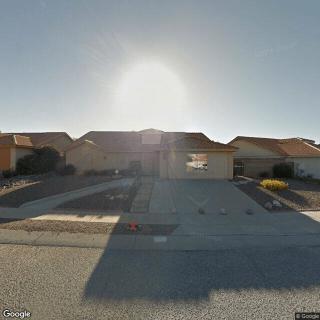
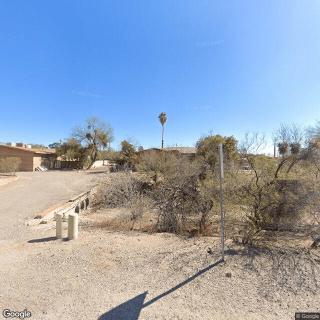
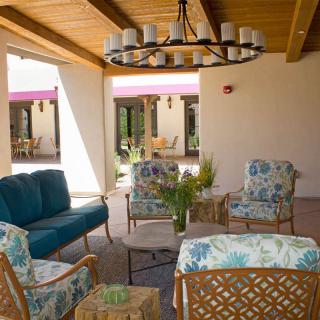
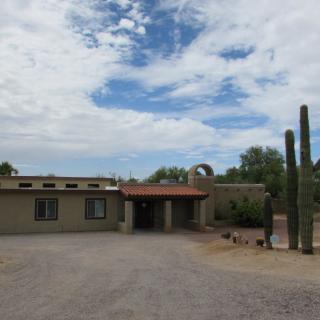
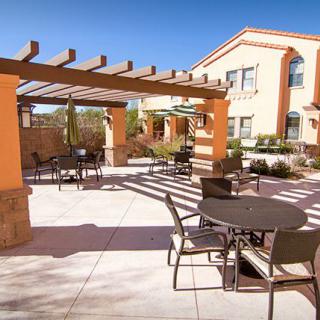
Ponoma Hills Assisted Living on seniors.fyi includes 7 photos including images showing living room, interior, decor, seating, bedroom, brick wall, windows, natural light, and more.
Nearby Communities
Skyline at Mina Vista Assisted Living
Tucson, AZ
3.3 from 8 reviews
Comprehensive care and amenities (24/7 supervision, medication management, ADL assistance, meals, housekeeping, and transportation) in fully furnished apartments.
Cathy's Senior Resort
Tucson, AZ
$3,000 to $4,825 / month
Pet-friendly with strong local healthcare access and private-room options.
Catalina Foothills Adult Care
Tucson, AZ
Personalized care in a comfortable, fully furnished setting with 24-hour supervision, tailored meals, and engaging activities.
Truval Assisted Living Home
Tucson, AZ
5 from 1 review
$2,500 to $3,000 / month
Homemade meals and attentive, loving care in a warm, happy environment.
Loving Angels Assisted Living Home LLC
Tucson, AZ
$2,500 to $3,000 / month
Competitive pricing for private/semi-private rooms with high-acuity care options
Abba Foothills Assisted Living
Tucson, AZ
5 from 4 reviews
Small, homelike community with personalized care.
The Hacienda at the River
Tucson, AZ
4.2 from 110 reviews
$4,495 to $6,595 / month
Clean, bright facility with pleasant decor, engaging activities (notably the equine program) and attentive staff.
Emerine Hills Assisted Living
Tucson, AZ
1 from 2 reviews
$3,850 / month
Private rooms with private bathrooms and a broad range of on-site amenities and care services.
Tucson Place At Ventana Canyon
Tucson, AZ
4 from 83 reviews
Friendly, caring staff and a warm, home-like community with engaging activities and clean facilities.
Caregiver exhaustion, or burnout, stems from the relentless demands of caregiving, leading to emotional and physical depletion characterized by stress, frustration, and neglect of personal needs. Addressing this burden is essential to prevent long-term consequences, with early recognition and support being crucial for caregivers to maintain balance and implement self-care.
Hospice care at home provides specialized end-of-life support that focuses on comfort and dignity for individuals with life-limiting illnesses, offering a range of services including medical management, emotional and spiritual support, and logistical assistance tailored to the family's needs. It involves collaboration to create individualized care plans and extends to bereavement support after a loved one's passing.
The guide outlines the rising costs of 24/7 in-home care, ranging from $10,000 to over $20,000 monthly, driven by factors such as location and caregiver qualifications. It discusses the limited coverage by Medicare and private insurance, potential Medicaid support, and the emotional and living condition considerations influencing families' decisions on care arrangements.
Landscaping, Outdoors, Pathway, and Brick Building
Architecture, Outdoor, and Patio
Lighting
Artwork
Television
Seating
Brick Wall
Get PricingAsk A QuestionSchedule A TourContact Senior Advisor
By clicking submit, you agree to our Partner's Terms of Use. You
also consent to receive calls and texts, which may be autodialed, from our Partner. Your consent is not a condition to
using our Partner's service. Please visit our Partner's Privacy Policy for information about their privacy practices.

 Board and Care Home
 Activities on-site
 Cable or satellite TV
 Devotional services off-site
 Indoor common areas
 Outdoor common areas
 Private
 Private bathrooms
 Respite or short term stays offered
 Wi-Fi/high-speed internet available
 Tucson International (14 miles away)
 Diabetic care
 High acuity care
 Incontinence care
 Medication management
 Meals provided
 Art classes
 BBQs or picnics
 Birthday parties
 Live dance or theater performances
 Live musical performances
 Stretching classes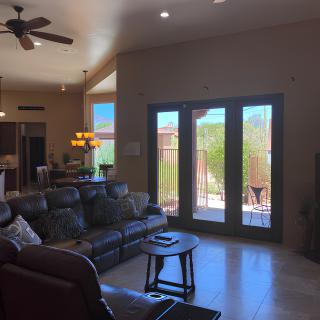
 Comprehensive care and amenities (24/7 supervision, medication management, ADL assistance, meals, housekeeping, and transportation) in fully furnished apartments.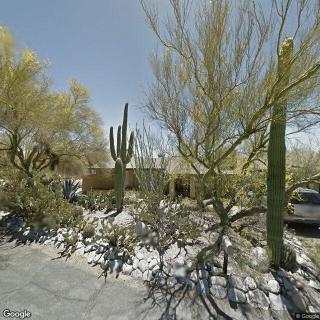

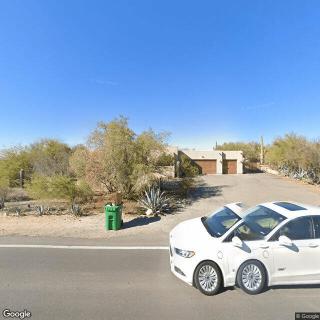
 Caregiver Exhaustion: Recognizing the Signs and Restoring Your Well-Being
 Understanding Hospice Care at Home: Comprehensive Services, Key Benefits, and Eligibility
 Understanding the Full Cost of 24/7 In-Home Care: A Detailed Overview