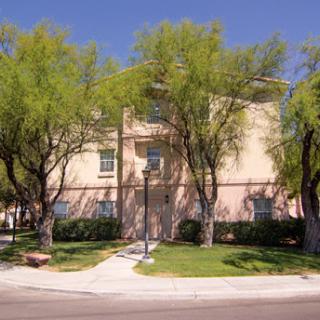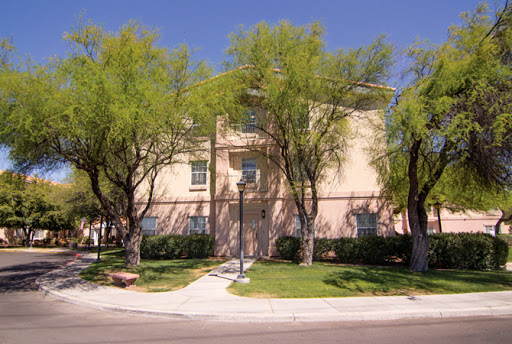
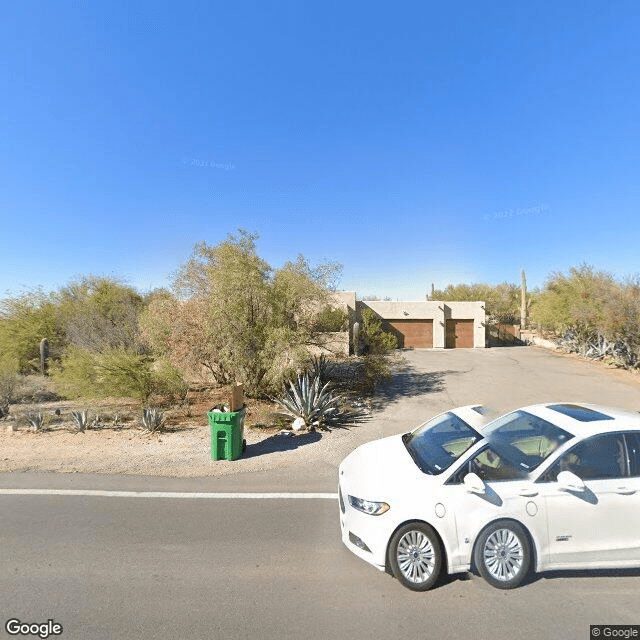
4445 North Pontatoc Road, Tucson, AZ 85718
For more information about senior living options: (866) 208-4318
Truval Assisted Living Home Costs & Pricing
Truval Assisted Living Home offers competitive pricing for its residents, with costs for semi-private rooms set at $2,500 per month, significantly lower than the average rates in Pima County and across Arizona, which are approximately $2,805 and $2,820, respectively. For those seeking more privacy, Truval's private rooms are priced at $3,000 monthly; this also positions them favorably against the county's average of $3,332 and the state average of $3,345. These cost-effective options reflect Truval's commitment to providing quality care while ensuring accessibility for families looking for assisted living solutions in a supportive environment.
| Floor plans | Truval Assisted Living Home | Pima County | Arizona |
|---|---|---|---|
| Semi-Private | $2,500 | $2,805 | $2,820 |
| Private | $3,000 | $3,332 | $3,345 |
Memory care communities with a similar price nearby
-
from +$200 / mo

Casa De Los Abuelos Dos
$2,700 to $3,200 / month7.1 miles away -
About the same
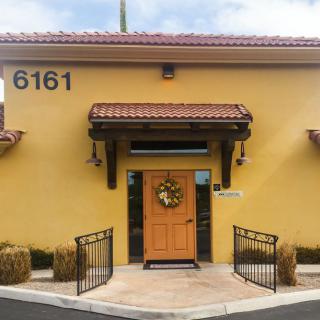
Fairmount Assisted Living
$2,500 to $3,500 / month4.1 miles away -
from +$450 / mo
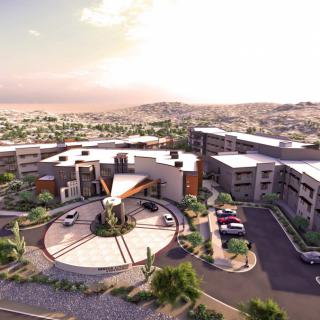
La Sonora at Dove Mountain
$2,950 to $5,270 / month14.0 miles away -
from -$372 / mo
Sunrise at River Road
$2,128 to $3,530 / month3.5 miles away -
from +$95 / mo
Atria Campana Del Rio
$2,595 to $7,095 / month2.7 miles away
Overall Review of Truval Assisted Living Home
Pros
 It is one of the most loving homes the reviewer has ever seen.
- The care is excellent.
- The owner is phenomenal.
- All meals are made from scratch.
- Everyone there seems to be very happy.
Cons
 review contains no negative statements.
Review
Truval Assisted Living Home in Tucson, AZ is best suited for families seeking a small, intimate, home-like setting where caregiving feels deeply personal and continuously attentive. The most compelling evidence from a glowing, single-review profile points to a environment that treats residents as cherished members of a close-knit household, led by an owner who is described as phenomenal. For seniors who value genuine warmth, steady companionship, and meals made from scratch, this community delivers a degree of daily happiness and satisfaction that is hard to rival in larger, more impersonal campuses.
Those weighing options should explicitly consider alternatives if a larger, more formal operation is required. A campus with extensive on-site medical staff, a wider array of specialized therapies, or a full schedule of structured group activities can be a better fit for residents with complex medical needs or a desire for a rigorously planned activity calendar. Similarly, families considering memory care or specialized chronic-condition support may prefer facilities with dedicated units and protocols that emphasize clinical oversight, routine escalation procedures, and broader ancillary services.
The strongest pros, an evidently loving atmosphere, high-quality personal care, leadership from an owner who inspires confidence, and meals prepared from scratch, coalesce into a cohesive, uplifting living experience. When care feels this attentive and meals feel home-cooked, residents tend to exhibit greater mood stability, social engagement, and a sense of normalcy. The combination of compassionate staffing and a warm, family-style culture can meaningfully offset the limitations commonly found in smaller homes, such as fewer on-site resources or less formal programming, by delivering consistent daily satisfaction and reliable oversight in a intimate setting.
However, the absence of explicit detail about clinical staffing, continuous nursing coverage, and the breadth of available services means families should pursue concrete assurances. Questions about the level of medical assistance, medication management, emergency response procedures, and the availability of on-demand visits from healthcare professionals are essential. Likewise, understanding how activities are planned and how residents with varying cognitive or physical needs participate will clarify whether the cheerful, happy environment described can scale to more demanding care requirements without compromising safety.
Prospective movers should plan visits with a purpose: observe how staff interact with residents, assess the pace of daily routines, and probe meal planning and dietary accommodations. Inquiries should cover staff-to-resident ratios, the process for updating individual care plans, and the degree of autonomy residents maintain in choosing daily activities. It is also wise to confirm whether the home can accommodate evolving needs over time, including transitions to higher care levels if required, and what the payment structure looks like for long-term stability.
Overall, Truval Assisted Living Home presents as a compelling option for families prioritizing warmth, personalized attention, and homemade meals in a small-house setting. It stands out as an environment where happiness is visible, and care is delivered with a depth of evident sincerity. For seniors whose needs align with a nurturing, community-centered experience and who do not demand extensive, on-site medical programming, this community is a robust fit. For those whose care requirements demand broader medical infrastructure, larger activity options, or specialized memory-care protocols, exploring alternatives will help ensure the chosen match delivers both comfort and the appropriate level of clinical support.
 10 resident community capacity
 Assisted Living
 Board and Care Home
 Memory Care
 Cable or satellite TV
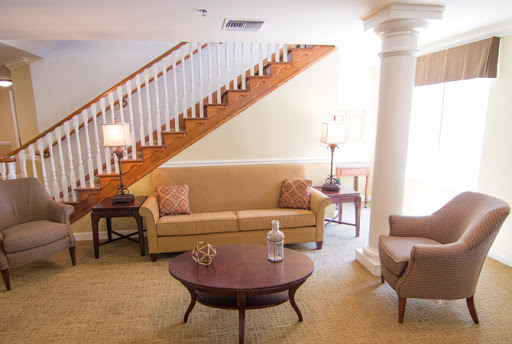
 Dining room
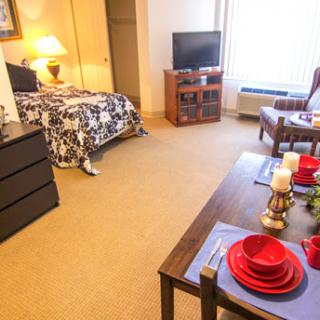
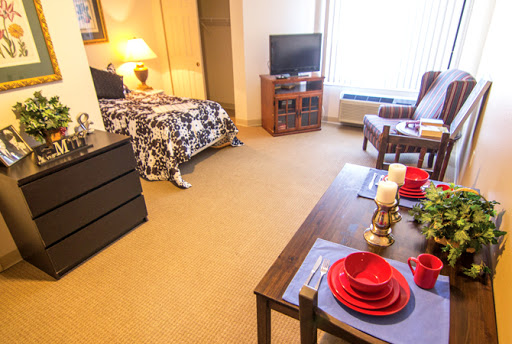
 Fully furnished
 Garden
 Housekeeping services
 Move-in coordination
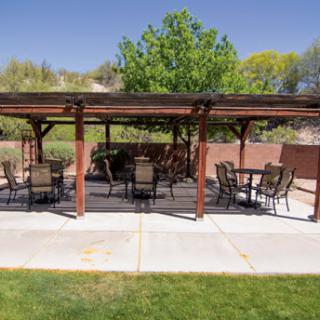
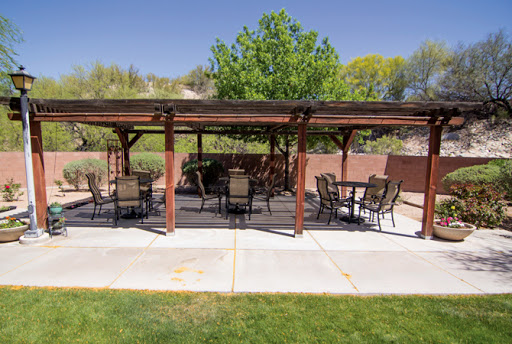
 Outdoor space
 Private
 Telephone
 Wi-Fi/high-speed internet available
 Tucson International (12 miles away)
 24-hour supervision
 Activities of daily living assistance
 Assistance with bathing
 Assistance with dressing
 Assistance with transfers
 Diabetes diet
 Meal preparation and service
 Medication management
 Special dietary restrictions
 Transportation arrangement (medical)
 Transportation to doctors appointments




 Estimating the Expenses of At-Home Dementia Care: A Detailed Exploration
 Comprehensive Insights on the Late Stages of Dementia: What to Expect and How to Provide Care
 Medications Associated with Dementia Risk: A Comprehensive Overview