
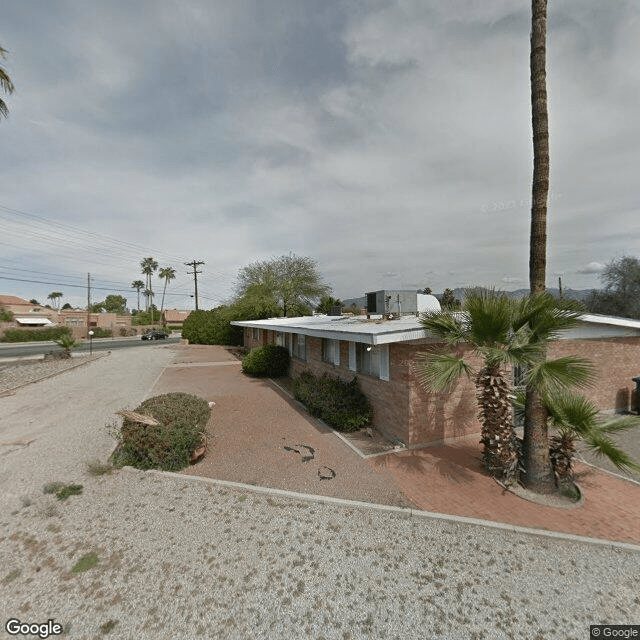
5101 E 8th St, Tucson, AZ 85711
To contact a resident: (520) 820-7601
For more information about senior living options: (866) 208-4318
Phyllis' Retirement Home II Costs & Pricing
Phyllis' Retirement Home II offers competitive pricing for both semi-private and private accommodations compared to the broader market in Pima County and across Arizona. For a semi-private room, residents can expect to pay $2,300 per month, significantly lower than the county average of $2,805 and the state average of $2,820. The cost for a private room is also appealing at $2,900, which stands in stark contrast to the local average of $3,332 and the state average of $3,345. This positions Phyllis' Retirement Home II as an attractive option for families seeking quality care without compromising their financial stability.
| Floor plans | Phyllis' Retirement Home II | Pima County | Arizona |
|---|---|---|---|
| Semi-Private | $2,300 | $2,805 | $2,820 |
| Private | $2,900 | $3,332 | $3,345 |
Senior living communities with a similar price nearby
-
from -$100 / mo
Abuelos At La Canada
$2,200 to $2,800 / month9.0 miles away -
from -$450 / mo
Connie's Manor Home
$1,850 to $2,300 / month11.1 miles away -
About the same
Northwest Assisted Living
$2,300 to $2,500 / month10.4 miles away -
from -$100 / mo
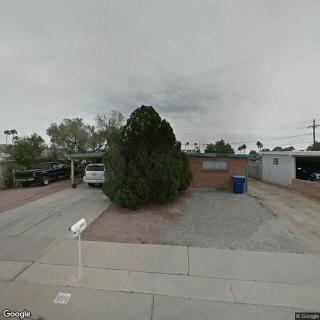
Gentlemen's Inn I
$2,200 / month3.8 miles away -
from +$200 / mo
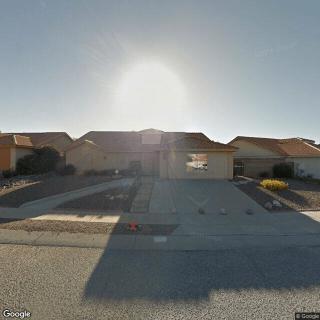
Grace Home I
$2,500 to $3,200 / month4.7 miles away
Overall Review of Phyllis' Retirement Home II
Pros
 The facility is described as wonderful with caring, attentive staff.
- Residents are welcomed into the Starfish family and provided a loving environment.
- It is a small 10-resident home with constant care from the staff.
- Ben and Kris create a home-like atmosphere rather than a facility.
- The staff are knowledgeable, skillful, and warm.
- The home is cozy and very clean, with thoughtful furnishings and comforts.
- Communication is clear and residents' needs and family concerns are heard.
- Starfish is recommended as an ideal Assisted Living Home for loved ones.
Cons
 Old, ill people can be depressed, querulous, and demanding at times.
Review
This community is best suited for families seeking an intimate, home-like assisted living experience in a small, tightly run setting. The reviews describe a residence that hosts about ten residents, where care is constant and staff are deeply accessible. The environment leans toward a family-style dynamic, with owners who are hands-on and caregivers who are genuinely invested in daily comfort. For seniors who value predictable routines, personal attention, and meals that feel like home, this setting offers a compelling match where residents are treated with warmth and dignity.
Those who should consider alternatives are families pursuing a larger campus atmosphere, a broader menu of activities, or more specialized medical oversight. If a full calendar of organized outings, extensive therapeutic services, or memory-care-specific programming is a priority, other options may deliver more robust programming. Likewise, families needing a high level of medical coordination, rehab services, or more structured social engagement may find larger facilities better suited to those demands.
The strongest pros highlighted by the reviews include a genuine home atmosphere, consistent, skilled care, and a staff that communicates clearly with families. The small scale allows staff to know residents well, tailor routines, and respond quickly to changing needs. Cleanliness, comfortable furnishings, and attention to what makes a room feel like home, such as careful bedding and well-kept furnishings, also stand out. The owners’ approachability and the visible commitment of the caregiving team create a sense of trust that other settings may struggle to reproduce.
These advantages offset potential drawbacks by delivering a level of personal connection that larger communities often cannot match. The intimate setting reduces the impersonality that can come with bigger facilities, while strong family communication keeps loved ones informed and reassured. The combination of compassionate, non-stop care and high-quality equipment to support daily living means residents receive practical support without sacrificing comfort. In other words, the emotional and practical benefits of a home-like environment counterbalance the trade-offs of a smaller operation.
What to consider before deciding hinges on what matters most in daily living. If independence within a family-style framework and highly attentive caregiving are non-negotiable, this model delivers convincing value. If, instead, a resident requires extensive specialty services, or a wide network of social programming and outings, alternative communities may offer a better fit. Prospective families should verify the facility’s ability to accommodate evolving medical needs, confirm the availability of round-the-clock staff, and assess how meal quality, housekeeping, and safety systems align with their expectations.
To move forward with confidence, schedule a firsthand visit focusing on staff-resident interactions, the cadence of daily activities, and the feel of the living spaces. Ask about how care plans are developed and adjusted, how family input is incorporated, and what equipment is on hand to support mobility and daily tasks. Inquire about end-of-life care preferences, caregiver training, and the ease of communicating with owners or managers. If the answers align with a preference for a warm, compact, and highly attentive home-like environment, this community stands out as a strong, practical choice for mindful families seeking reassuring daily life for a loved one.
 Board and Care Home
 Private
 Tucson International (8 miles away)
 Diabetic care



 Top Canine Companions for Older Adults
 Comprehensive Guide to Blood Pressure Charts for Older Adults: Understanding Normal and High Readings by Age
 Financing Long-Term Nursing Home Care Through Social Security: A Thorough Exploration