
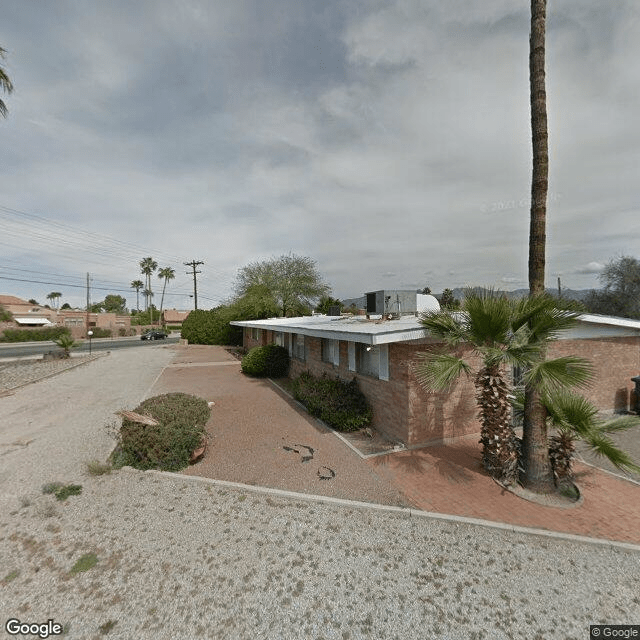
5101 E 8th Street, Tucson, AZ 85711
To contact a resident: (520) 240-9483
For more information about senior living options: (866) 208-4318
Angelique's Adult Care Costs & Pricing
At Angelique's Adult Care, the monthly cost for a semi-private room is set at $2,000, positioning it as a more affordable option compared to the average rates in Pima County and throughout Arizona. In Pima County, semi-private accommodations typically run around $2,805, while the statewide average reaches approximately $2,820. This significant price difference underscores Angelique's commitment to providing quality adult care services without compromising on affordability, making it an appealing choice for families seeking compassionate and cost-effective support for their loved ones.
| Floor plans | Angelique's Adult Care | Pima County | Arizona |
|---|---|---|---|
| Semi-Private | $2,000 | $2,805 | $2,820 |
Senior living communities with a similar price nearby
-
from +$200 / mo
Abuelos At La Canada
$2,200 to $2,800 / month9.0 miles away -
from -$150 / mo
Connie's Manor Home
$1,850 to $2,300 / month11.1 miles away -
from +$300 / mo
Northwest Assisted Living
$2,300 to $2,500 / month10.4 miles away -
from +$200 / mo
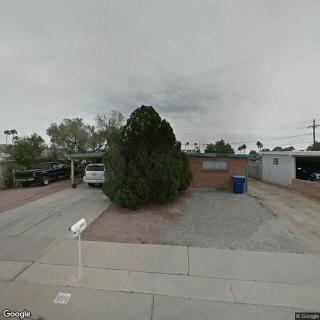
Gentlemen's Inn I
$2,200 / month3.8 miles away -
About the same

Casa de Sonshine
$2,000 to $2,800 / month21.9 miles away
Overall Review of Angelique's Adult Care
Pros
 The people seem to be nice.
- The place is clean.
- The owner is extremely nice.
Cons
 The facility has serious maintenance deficiencies, with four of five outlets not working and exposed wiring that could have sparked a fire.
- This place is not a place anyone should be put; it should be shut down and they feel sorry for anyone who stays there.
- A death occurred during a brief stay under questionable circumstances, with no autopsy to determine the cause, raising concerns about overmedication or poor care.
- They kept nearly the entire first month's pay and offered only partial refunds, implying unfair and predatory financial practices.
- The caregivers were not friendly or respectful, with language barriers and instances of rough, blaming behavior toward residents.
- The home is old, cramped, and has odors, suggesting a poor environment for proper care.
Review
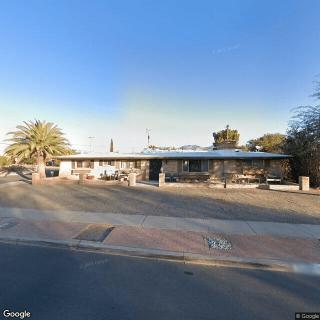
Angelique's Adult Care in Tucson is best suited for families with a very tight budget who insist on a small, home-like setting and are prepared to supervise and augment care personally. The property operates as a modest, single-family–style home with about 10 residents, far from a polished campus. In this model, the family’s active involvement becomes a prerequisite rather than a nice-to-have. Those who can tolerate a basic physical plant, intermittent maintenance, and variability in staff performance may find the arrangement passable, but only if vigilance and hands-on oversight are part of the plan from day one.
Families needing reliable, professional safety oversight and predictable care should consider stronger alternatives. The reviews consistently flag significant gaps in basic safety, administration, and accountability. Prospective residents should not rely on this setting for consistent medical supervision, timely maintenance, or transparent handling of finances. If priority is clear communication, English-speaking staff, respectful care, and a facility that maintains contemporary standards, it would be prudent to look at other options rather than accepting a setting where core safeguards appear inconsistent.
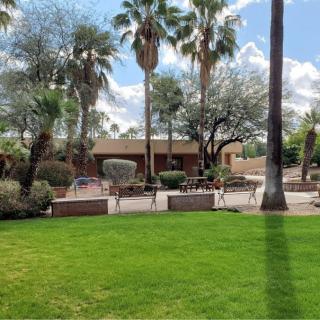
On the upside, the intimate size and quiet, home-oriented feel can be argued as a potential path to more personalized contact, should staff be consistently present and attentive. In a best-case interpretation, a small, non-institutional environment could foster closer daily interactions with caregivers and with the owner. Yet in practice, those potential advantages are quickly overshadowed by recurring reliability and safety concerns. When care quality and living conditions become the defining issues, the perceived upside does not translate into a sustainable or trustworthy experience.
The primary drawbacks are substantial and difficult to overlook. Maintenance deficiencies are repeatedly described, including electrical hazards and exposed wiring that create fire risk, along with outlets that do not function. The building itself is old, cramped, and reported to carry persistent odors in some rooms, with doors that do not seal properly. Care staff are depicted as inconsistent at best and disrespectful or difficult at worst, with language barriers and cultural misunderstandings complicating communication. Alarming anecdotes about medication handling, feeding tube management, and general placid neglect further erode confidence in day-to-day operations. Financial concerns also surface, including disputed refunds and contested placement fees, signaling weak governance and trust issues.
These failures do not arise in isolation; they compound each other, making any supposed pros difficult to justify. The tight-knit, smaller setting cannot compensate for recurrent safety hazards, unreliable staffing, and opaque administration. The risks, potential improper medication, inadequate supervision, and structural hazards, far outweigh any perceived personal attention offered by a tiny home environment. In short, the cons not only offset typical advantages of an intimate, resident-focused model, they redefine the decision as a matter of risk management rather than preference.
For families weighing options, the clear takeaway is to pursue other communities with demonstrable safety records, transparent billing, and consistently respectful staffing. If considering Angelique’s, undertake rigorous due diligence: demand current licensing verification, inspect electrical and safety systems, talk to multiple current and former families, and require a documented care plan with accountable staff assignments. Consider a trial period if permissible, and insist on a clear, written refund policy. In most cases, it is prudent to compare with better-regulated facilities or to combine home care with professional companionship and medical oversight to avoid the elevated risk profile this community presents.
 Board and Care Home
 Tucson International (8 miles away)



 Ten Vital Duties of a Senior Caregiver: A Comprehensive Guide
 9 Stimulating Memory Activities for Seniors: Puzzles, Cards, and Much More
 Managing Nursing Home Expenses After Medicare Coverage Ends