
4024 East Pima Street, Tucson, AZ 85712
For more information about senior living options: (866) 208-4318
Overall Review of Peach Tree Care Home
Pros
 The staff treated the resident like family and provided excellent care through her last days.
- Norma and her staff made the mother as comfortable as possible, and the family is truly grateful.
- Plum Tree House offered a cozy, home-like environment where Dave felt comfortable from day one.
- The Groves is highly recommended for loved ones.
- The Groves served as a forever home with good, kind people and a lovely facility.
- The staff consistently demonstrated care and kindness that stood out as a positive experience.
Cons
 End of life stuff is difficult at best.
Review
Peach Tree Care Home in Tucson is best suited for families seeking a small, home-like elder-care setting where residents are treated like family and care is deeply personal. The atmosphere rejects a clinical campus feel in favor of warmth and continuity, making it ideal for seniors who value familiar routines, steady, attentive caregivers, and a strong sense of belonging. From the experiences shared, caregivers cultivate a true sense of family, remembering preferences and daily rhythms and going beyond the basics to offer companionship and reassurance. For those facing end-of-life transitions, Peach Tree provides a humane, approachable environment where comfort and dignity can be preserved among familiar faces.
Those who might want to consider alternatives include families requiring intensive medical oversight, frequent on-site rehabilitation, or dementia-specific programming. The small-house model naturally prioritizes relationship-driven care over a broad clinical menu, so residents who need continuous medical specialists, advanced wound care, or rigorous therapy protocols may find limits. It may also fall short for families seeking a larger social calendar or extensive on-site amenities. In short, Peach Tree excels in warmth, continuity, and end-of-life dignity, but it is less aligned with a campus-style setting that emphasizes formal clinical resources.
The core strengths, highly attentive staff who treat residents as part of the family, consistent caregiving teams, and a cozy, home-like environment, directly offset the main trade-offs of size and scope. Multiple testimonials highlight caregivers who go the extra mile, making both residents and visiting family members feel welcome and thoroughly cared for from day one. End-of-life support is characterized by patience, respect, and tact, which matters as health declines. When measured against the potential constraints of a smaller operation, these personal, relationship-driven advantages often translate into lower stress, greater comfort, and a stronger sense of dignity for residents.
Equally important is the sense of security families describe, built on continuity and a staff culture that prioritizes gentleness and familiarity. The environment consistently reads as cozy and home-like, with meals described as adequate rather than a focal draw, underscoring a priority on meaningful daily living over culinary spectacle. The enduring presence of the same caregiving team fosters trust and reduces the upheaval that comes with transitions. For families navigating grief or long illness, the atmosphere can provide steadiness and heartfelt support that larger facilities struggle to replicate.
Decision guidance should center on alignment with core goals of care. If the aim is intimate, person-centered care where a loved one is treated as family and can maintain dignity through decline, Peach Tree stands out as a compelling option. Prospective residents should arrange direct conversations with caregivers, discuss how emergencies are handled, and confirm what level of medical support is genuinely on-site versus coordinated off-site. For families facing memory-related challenges, demand clear information about dementia-specific training and behavior management approaches. If the plan requires comprehensive rehab services or a wide array of on-site specialists, prepare to compare against larger communities with more formal clinical infrastructures.
Overall, Peach Tree Care Home emerges as a practical, principled choice for seniors who prize warmth, trust, and a home-centered rhythm in daily life. Its strongest fit lies with residents who want to stay connected to familiar faces, routines, and a caregiving culture that treats every occupant as part of a family. Those priorities, when paired with strong end-of-life care and a supportive, intimate environment, often outweigh the limits of a smaller scale. For families prioritizing medical breadth, extensive programming, or hospital-like resources, alternatives deserve serious consideration. For the right resident, one who values authentic connection, dignity, and a steady, compassionate cadence, Peach Tree is decisively credible and dependable.
 10 resident community capacity
 Assisted Living
 Board and Care Home
 Cable or satellite TV
 Dining room
 Fully furnished
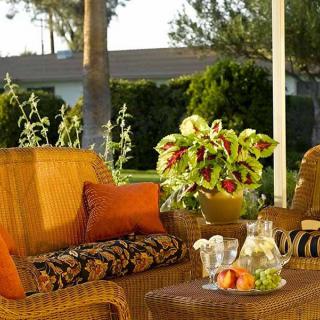
 Garden
 Housekeeping services
 Move-in coordination
 Outdoor space
 Telephone
 Wi-Fi/high-speed internet available
 Tucson International (9 miles away)
 24-hour supervision
 Activities of daily living assistance
 Assistance with bathing
 Assistance with dressing
 Assistance with transfers
 Diabetes diet
 Meal preparation and service
 Medication management
 Special dietary restrictions
 Transportation arrangement (medical)
 Transportation to doctors appointments

 How and When Medicaid May Cover Assisted Living Costs
 A Detailed Exploration of Assisted Living Medicaid Waivers Across the United States
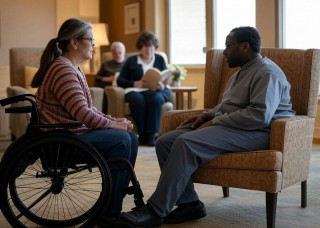 Comprehensive Residential Support and Assisted Living Solutions for Individuals with Disabilities