For more information about senior living options: (866) 208-4318
4.2 from 110 reviews
5 stars
79
4 stars
7
3 stars
7
2 stars
2
1 stars
15
Overall Review of Options For Aging Inc
common9 reviews mention this
Senior help and navigation
Residents and families describe the organization as a dependable guide to senior services.
Many reviewers call the organization a go-to resource for seniors and families, emphasizing that staff help people find reliable options. Several people say it feels like a phone call away, with clear direction and written materials they can take with them. Reviewers also describe help with eligibility questions and connecting to programs, not just general information. A number of comments also mention the breadth of support areas available for older adults and caregivers.
common2 reviews mention this
Meals on Wheels support
Meals on Wheels is specifically mentioned as part of the support offered.
At least a couple of reviewers mention Meals on Wheels as an important service for people aging in place. One review also ties the broader senior help experience to meal delivery and community lunch options. Together, the comments suggest this is a tangible, practical offering that families look to for day-to-day support.
common7 reviews mention this
Medicare guidance stands out
Medicare questions are handled with clear, knowledgeable guidance.
Multiple reviews highlight help with Medicare, including questions about coverage and steps for enrollment. Several reviewers describe staff as knowledgeable and responsive with information, sometimes providing names, numbers, or next steps. Others reference attending Medicare talks or seminars, reinforcing that education and guidance are part of the offering. The overall theme is that families feel better equipped to make decisions after contacting the organization.
common4 reviews mention this
Classes and workshops for seniors
Residents mention classes and workshops, including exercise and education events.
Reviewers describe an active schedule that includes classes, workshops, and educational sessions for older adults. One comment praises an exercise class and the instructor, while another points to a wide range of senior classes available. A longer review also specifically mentions fitness and healthy living, along with fall prevention classes. Across comments, the common thread is that people can find structured learning and activities through the organization.
caveat7 reviews mention this
Follow-up can be inconsistent
Some reviewers report delays, missed call-backs, or long waits for follow-up.
While many reviews are positive about getting help, several also describe problems getting responses. Multiple reviewers say calls were not returned, messages went unanswered, or promised follow-up never happened. There are also complaints about being placed on a lengthy waitlist before even considering a conversation. These negative experiences point to inconsistency in turnaround when people are trying to get help.
How we summarize
Counts show how many written reviews mention each theme; a review can touch several themes, and only frequently mentioned themes are displayed.
Features
Transportation
Tucson International (9 miles away)
Nearby Places of Interest
Restaurants
Taco Bell (0.6 miles)
McDonald's (1 miles)
Kazoku (1 miles)
Roadhouse Cinemas - Tu (1 miles)
Tucson Hop Shop (1.2 miles)
Red Garter Saloon (1.4 miles)
Culinary Dropout (1.5 miles)
Cafes
Dutch Bros Coffee (0.8 miles)
Black Crown Coffee Co. (1 miles)
Dutch Bros Coffee (1 miles)
Coffee Times Drive-Thru (1.2 miles)
LeBuzz Caffe (1.2 miles)
Starbucks (1.2 miles)
Starbucks (1.4 miles)
Pharmacies
Walgreens (0.9 miles)
CVS Pharmacy (1 miles)
Harvest Hoc (1.4 miles)
Walgreens (1.4 miles)
CVS Pharmacy (1.4 miles)
CVS Pharmacy (1.4 miles)
Green HealthMart Pharmacy (2 miles)
Physicians
Premier Hearing (1.1 miles)
Dehnert Dental (1.1 miles)
UA Healthcare Clinics (1.3 miles)
Daniel A Graybill (1.4 miles)
Arizona Center For Reproductive Endocrinology & Infertility (1.5 miles)
MHC Healthcare Primary Care Health Center (1.5 miles)
Retina Centers PC (1.5 miles)
Theaters
The Loft Cinema (1.3 miles)
Places of Worship
Desert Valley Adventist Church (1.5 miles)
Benedictine Sanctuary (1.6 miles)
Our Saviour's Lutheran Church (2.3 miles)
Rincon Congregational Church (2.7 miles)
Grace To The Nations (2.8 miles)
Hospitals
Tmc Labor and Delivery (1.8 miles)
The University of Arizona Medical Center - Medicine Clinic Physician Offices (2.3 miles)
Options For Aging Inc is located at 3938 E Grant Rd # 421, Tucson, AZ 85712 in Pima County, Arizona
Nearby Communities
The Groves on Spring St
Tucson, AZ
$3,300 to $5,500 / month
Memory-care focused care with high-acuity services and robust amenities.
Oak Tree Care Home
Tucson, AZ
Small, personalized board-and-care setting with 24-hour supervision, diabetes-friendly dining, medication management, transportation to medical appointments, and care coordination.
Lemon Tree Care Home
Tucson, AZ
1 from 1 review
$2,000 / month
Affordable private-room option with comprehensive care and amenities.
Pepper Tree Care Home
Tucson, AZ
Personalized, 24/7 supervision in a warm, home-like setting with comprehensive care and activities.
Rosa De Saron Care Home
Tucson, AZ
$2,000 to $2,500 / month
Affordably priced in Tucson with semi-private at $2,000 and private at $2,500, plus comprehensive care and on-site amenities.
Villa Maria Care Center
Tucson, AZ
4.2 from 81 reviews
Friendly, caring staff and a variety of engaging activities.
The Forum at Tucson
Tucson, AZ
4.1 from 205 reviews
$2,510 to $4,215 / month
Friendly, caring staff and high-quality dining with spacious, comfortable accommodations.
Atria Valley Manor
Tucson, AZ
4.7 from 79 reviews
$2,595 to $3,095 / month
Beautiful grounds, friendly staff, and spacious apartments with outdoor patios and engaging activities.
Woodland Palms Memory Care Community
Tucson, AZ
4.6 from 91 reviews
$4,295 to $4,995 / month
Warm, caring staff with engaging activities in a welcoming environment.
Hospice care focuses on providing comfort and support for individuals nearing the end of life, with Medicare Part A covering services like nursing care and counseling for patients with a terminal illness and a life expectancy of six months or less. While most hospice services are low-cost for eligible patients, families should be aware that certain expenses, such as room and board, may not be covered.
Caregiver burnout is a common issue resulting from the intense physical, emotional, and mental demands of caregiving, leading to symptoms like fatigue and social withdrawal. To prevent burnout, caregivers should recognize early warning signs and implement self-care strategies, seek support, and prioritize their own well-being alongside that of those they care for.
Caregiver exhaustion, or burnout, stems from the relentless demands of caregiving, leading to emotional and physical depletion characterized by stress, frustration, and neglect of personal needs. Addressing this burden is essential to prevent long-term consequences, with early recognition and support being crucial for caregivers to maintain balance and implement self-care.
Get PricingAsk A QuestionSchedule A TourContact Senior Advisor
By clicking submit, you agree to our Partner's Terms of Use. You
also consent to receive calls and texts, which may be autodialed, from our Partner. Your consent is not a condition to
using our Partner's service. Please visit our Partner's Privacy Policy for information about their privacy practices.

 Tucson International (9 miles away)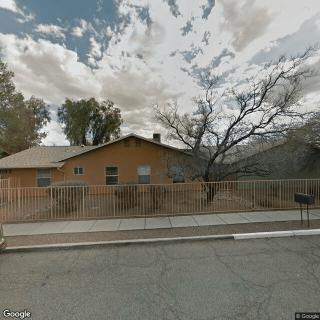
 Memory-care focused care with high-acuity services and robust amenities.






 Comprehensive Guide to Medicare Coverage for Hospice Care
 Caring for Those Who Care: Recognizing, Understanding, and Overcoming Caregiver Burnout
 Caregiver Exhaustion: Recognizing the Signs and Restoring Your Well-Being