
1532 South Perlman Avenue, Tucson, AZ 85710
For more information about senior living options: (866) 208-4318
Overall Review of Grandma's Angel 2
Pros
 They took the best care of him in his final days.
- They were attentive, compassionate, and kind.
- They treated the family like their own.
- The reviewer would highly recommend them.
Review
Grandma's Angel 2 in Tucson, AZ, is best suited for families prioritizing intimate, hands-on caregiving and end-of-life support delivered in a warm, home-like setting. The experience described paints a place where staff invest deeply in residents, offering care that feels personal rather than transactional. For families facing terminal illness or short-term intensive needs, the emphasis on attentiveness and emotional support translates into real comfort for both resident and kin. In such moments, the difference between a routine check-in and a moment of genuine connection can be decisive. The account portrays caregivers who are attentive, compassionate, and kind, with a willingness to treat families as part of the caregiving circle.
That said, this option is not universal in fit. Families needing robust, around-the-clock medical management, formal memory-care programming, or a large, well-resourced operation may want to consider alternatives. Those seeking a broad activities calendar, structured rehabilitation services, or clearly published staffing metrics across all shifts should ask pointed questions and compare with other Tucson options. The strength of Grandma's Angel 2 appears to lie in personal relationships and intimate care, which can come at the expense of broader program breadth or scale. In short, it excels in personal, compassionate episodes of care and end-of-life support, while offering limited publicly documented data about system-wide capabilities.
From the available perspective, the decisive pro is the human-centered care. Caregivers are described as attentive, compassionate, and kind, with families treated as insiders in the caregiving process. That kind of environment can yield deeply meaningful days for a resident in the final chapters, preserving dignity and easing the burden on loved ones. The absence of explicit negatives in the narrative suggests consistency in that care tone, and the three-month care window demonstrates willingness to support families through acute stages. In practical terms, this translates into reduced stress for those worried about emotional and relational needs, and greater reassurance that serious moments will be met with empathy.
Prospective families should translate those strengths into concrete inquiries. Ask about staffing ratios by shift, and whether aides and nurses are consistently present for meals, personal care, and nightly routines. Inquire about hospice integration, pain management protocols, and collaboration with family physicians. Clarify what “family-like” care looks like in day-to-day operations: how residents are engaged, what choices they have, and how cultural or religious preferences are honored. Request references from other families, and verify license status. With such a profile, the decision hinges on whether emotional resonance and personalized attention align with care goals and practical constraints like cost and availability.
One should also recognize the limitation inherent in a single, positive account. While the testimony is powerful, it lacks a broader sample and objective performance data. That means a practical decision approach should involve side-by-side comparisons with other Tucson-area options, focusing on continuity of care, emergency coverage, and annual pricing. If the priority is a serene, homelike atmosphere for brief but deeply meaningful care episodes, Grandma's Angel 2 offers an unusually compassionate option. If the priority is predictable medical oversight and a larger facility footprint, alternatives may deliver more consistent metrics, even at the expense of intimate relational warmth.
Bottom line: Grandma's Angel 2 appears to be an excellent fit for families seeking a nurturing, family-forward setting where end-of-life moments are handled with extraordinary empathy. It is a strong choice for short-term stays or hospice-adjacent scenarios where emotional comfort matters most. Families should proceed only after confirming staffing stability, medical oversight, and alignment with care preferences, and by visiting in person to assess whether the environment feels similarly intimate and trustworthy as described. When these conditions align, this community can deliver the dignity and human connection that makes a difficult transition more manageable.
 9 resident community capacity
 Assisted Living
 Board and Care Home
 Cable or satellite TV
 Dining room
 Fully furnished
 Garden
 Housekeeping services
 Move-in coordination
 Outdoor space
 Telephone
 Wi-Fi/high-speed internet available
 Tucson International (9 miles away)
 24-hour supervision
 Activities of daily living assistance
 Assistance with bathing
 Assistance with dressing
 Assistance with transfers
 Diabetes diet
 Meal preparation and service
 Medication management
 Special dietary restrictions
 Transportation arrangement (medical)
 Transportation to doctors appointments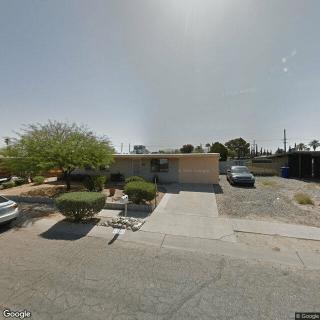


 Is Assisted Living Deductible on Your Taxes? Understanding the Complexities of Assisted Living Expenses and Deductions
 Assisted Living Support for Veterans: A Complete and Detailed Overview
 Exploring the Contrasts Between Assisted Living and Skilled Nursing