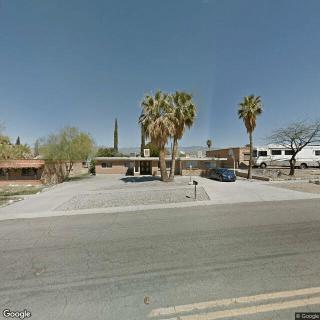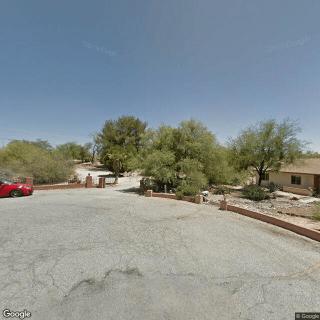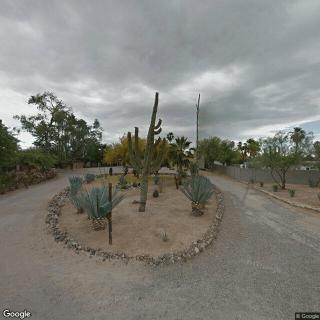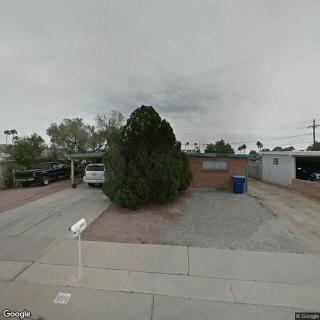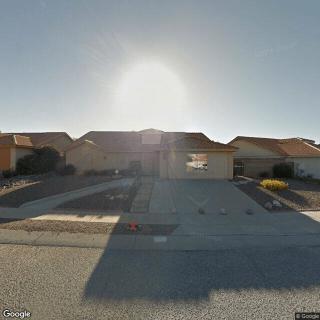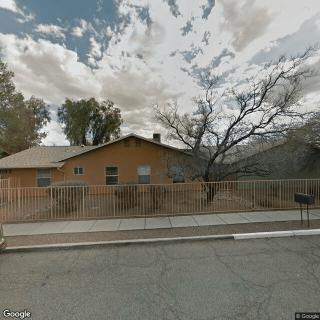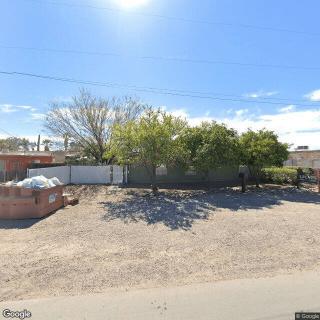
Family Loving Care in Tucson, AZ

Save
Family Loving Care

Family Loving Care in Tucson, AZ

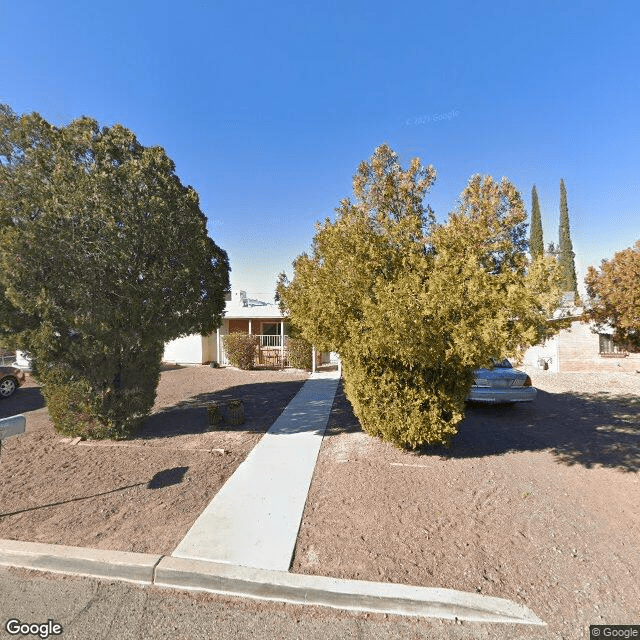
2711 N Haskell Drive, Tucson, AZ 85716

For more information about senior living options: (844) 490-3973

5 from 1 review
Board and Care Home

Family Loving Care Costs & Pricing

Family Loving Care offers competitive pricing for its services compared to the broader market in Pima County and the state of Arizona. For a semi-private room, Family Loving Care charges $2,500 per month, which is notably lower than the county average of $2,805 and the state average of $2,820. Likewise, their private rooms are priced at $3,000 monthly, again undercutting both Pima County's average of $3,332 and Arizona's statewide figure of $3,345. These rates reflect Family Loving Care's commitment to providing quality care while ensuring affordability for families seeking supportive living arrangements for their loved ones.

Floor plansFamily Loving CarePima CountyArizona
Semi-Private$2,500$2,805$2,820
Private$3,000$3,332$3,345

Overall Review of Family Loving Care

Pros

  • pro They wouldn't place their family anywhere else.
  • pro These are private care homes with well-trained, caring staff.

Review

Family Loving Care in Tucson, AZ is best suited for families seeking a warm, intimate, home-like setting where aging in place feels personal and hands-on. This model operates as private care homes rather than a large campus, putting small care teams on a familiar footing with residents. The core value is consistent, attentive staff who know each resident's preferences, routines, and medical quirks, creating a sense of security and belonging. For seniors who thrive on daily contact with caregivers and a family-style atmosphere, this setup offers genuine peace of mind that care happens in a home rather than a clinical corridor.

Those weighing alternatives should consider options with broader medical resources or more formalized campus programming. If a resident requires robust on-site nursing services, advanced wound care, or structured therapeutic regimens, a larger assisted living campus or a skilled nursing facility may deliver the necessary intensity and redundancy. Likewise, seniors who benefit from expansive social calendars, specialized memory care programs, or on-site rehabilitation services might find a bigger operation aligns better with their goals. In short, higher acuity needs or a desire for campus-scale amenities point toward exploring other arrangements.

The strongest pros center on the private, home-based setting and the staff who deliver care. Well-trained, caring caregivers in a small home can provide highly personalized attention, smoother daily routines, and fewer disruptions from turnover. Residents typically experience more meaningful interactions, faster adjustments to meal plans and activities, and clearer avenues for family input. This environment often translates into heightened safety and comfort, with caregivers who can respond promptly to changes in mood, appetite, or mobility without navigating a sprawling organizational hierarchy.

Nonetheless, the main trade-off of a private care home model is the potential limitation in on-site medical resources and formal programming. This is where careful matching matters: when health needs stay within the scope of what a small team can manage, the intimate setting and caregiver familiarity can offset the lack of large-scale services. If a medical issue arises that requires frequent clinician visits, advanced therapies, or round-the-clock nursing, the small home can become less ideal unless there is a clear plan for emergencies and external coordination. The strength of staff continuity and individualized attention remains a significant counterbalance to these potential gaps.

To judge fit effectively, concrete inquiries during visits matter most. Observe how caregivers interact with residents and whether staff assignments feel stable across shifts. Inquire about licensing and the specifics of staff training, care plan management, and how medical concerns are escalated and communicated to families. Ask about medication administration, mobility support, meal preparation, and typical daily activities to gauge whether routines align with expectations. Clarify costs, inclusions, respite options, and visiting policies. Request references beyond the current experience to ensure the consistency of care across multiple homes within the same private-care framework.

In a practical verdict, Family Loving Care is a solid match for families prioritizing warmth, trust, and hands-on, individualized attention in a home-like atmosphere. It shines for seniors who do not require extensive on-site medical services and who value staff consistency and personal connection. For those whose loved ones demand higher medical acuity, broader clinical resources, or more expansive programming, alternatives with campus-scale amenities and integrated healthcare may be the wiser path. The decision hinges on medical needs, desired atmosphere, and the importance placed on family involvement in daily care decisions.

Features

Types of Care

  • Board and Care Home Board and Care HomeBoard and care homes provide a smaller, more intimate setting for seniors who require assistance with daily tasks but do not need the level of care offered by a nursing home. They offer personalized care, meals, and social activities in a homelike environment, ensuring that seniors receive individualized attention and support in their golden years.

Amenities

  • Activities on-site Activities on-siteActivities on-site are important for seniors because they provide opportunities for socialization, mental stimulation, physical activity, and overall well-being. Engaging in activities can help seniors stay active, maintain their independence, and improve their quality of life.
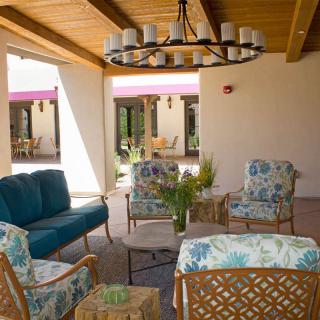
  • Indoor common areas Indoor common areasIndoor common areas are crucial for seniors as they provide a space for socialization, recreation, and community engagement, promoting overall well-being and reducing feelings of isolation and loneliness.
  • Outdoor common areas Outdoor common areasOutdoor common areas are important for seniors as they provide a space for socialization, physical activity, and relaxation. Being outside in nature can improve mood and overall well-being, while also encouraging movement and engagement with others. These spaces can help combat feelings of isolation and promote a sense of community among residents.
  • Private PrivatePrivacy is important for seniors as it allows them to maintain their independence, dignity, and sense of control over their own lives. It also gives them the space and freedom to relax, reflect, and engage in activities that bring them joy and fulfillment. Creating private spaces within senior living facilities is crucial for promoting overall well-being and quality of life.
  • Respite or short term stays offered Respite or short term stays offeredRespite or short term stays provide seniors with a temporary solution when their regular caregiver is unavailable, offering them the opportunity to receive additional care and support during times of need, while also giving caregivers a chance to rest and recharge.
  • Wheelchair accessible showers Wheelchair accessible showersWheelchair accessible showers are crucial for seniors as they provide a safe and independent bathing option for those with mobility challenges. These showers help prevent falls and allow seniors to maintain their dignity and autonomy while ensuring they can bathe comfortably.

Transportation

  • Tucson International (10 miles away) Tucson International (10 miles away)

Care Services

  • Ambulatory care Ambulatory care"Ambulatory care services provide essential medical support and treatment to seniors without requiring hospitalization, allowing them to maintain their independence and quality of life while managing chronic conditions or receiving routine medical care."
  • Diabetic care Diabetic careDiabetic care is crucial for seniors as they are more susceptible to developing diabetes due to aging and other health conditions. Proper management of diabetes can help prevent complications such as heart disease, vision loss, and nerve damage, improving the overall quality of life for seniors in senior living communities.
  • High acuity care High acuity careHigh acuity care is important for seniors because it provides specialized medical attention and support for individuals with complex medical needs. This level of care ensures that seniors receive the appropriate treatment and assistance to maintain their health and quality of life as they age.
  • Incontinence care Incontinence careIncontinence care is essential for seniors to maintain their dignity, hygiene, and overall quality of life. By addressing incontinence issues promptly and effectively, seniors can enjoy a sense of independence and comfort in their daily activities.

Dining

  • Meals provided Meals provided"Meals provided" are crucial for seniors in assisted living communities as it ensures they have access to nutritious, balanced meals without the stress of meal planning and preparation. This can help promote overall health and well-being for seniors who may have limited mobility or cognitive abilities.
  • Vegetarian VegetarianA vegetarian diet is important for seniors because it can help lower the risk of chronic diseases, maintain a healthy weight, and provide essential nutrients needed for aging bodies. Additionally, plant-based diets are often easier on digestive systems and can contribute to overall well-being in older adults.

Activities

  • Activities on-site Activities on-siteActivities on-site are important for seniors because they provide opportunities for socialization, mental stimulation, physical activity, and overall well-being. Engaging in activities can help seniors stay active, maintain their independence, and improve their quality of life.

Description

Family Loving Care in Tucson, AZ is an assisted living community that prioritizes the comfort and well-being of its residents. With a range of amenities and services, our community offers a safe and welcoming environment for seniors to thrive.

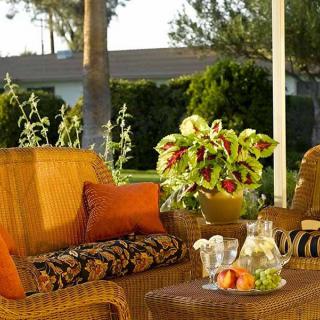
Indoor common areas are available for residents to socialize and engage in various activities, while outdoor common areas provide opportunities for relaxation and enjoying the beautiful surroundings. Our facility is also designed to be wheelchair accessible, ensuring that all residents can move around freely.

At Family Loving Care, we understand that every resident has unique care needs. That's why we offer specialized care services such as diabetic care and incontinence care. Additionally, our team is trained in providing high acuity care, catering to seniors with more complex medical conditions.

We believe that dining should not only be delicious but also cater to different dietary preferences. Therefore, our menu includes vegetarian options, ensuring that all residents can enjoy nutritious meals that suit their needs.

Location is key when it comes to convenience and access to essential services. With 12 cafes, 13 pharmacies, 30 physicians, and 30 restaurants nearby, residents have easy access to various amenities outside the community. Additionally, there are six places of worship nearby for those who wish to continue practicing their faith. For entertainment purposes, there is one theater conveniently located near our community.

Lastly, we prioritize the health of our residents by ensuring proximity to medical facilities. With eight hospitals nearby, residents can access top-notch healthcare services easily.

At Family Loving Care in Tucson, AZ, we strive to create a warm and inclusive environment where seniors feel at home while receiving personalized care and support tailored to their individual needs.

Nearby Places of Interest

This part of Tucson, Arizona offers a variety of amenities and services that cater to seniors' needs. With multiple restaurants, cafes, pharmacies, and healthcare facilities within a short distance, residents can easily access dining options and medical care. Additionally, there are theaters and places of worship nearby for entertainment and spiritual fulfillment. The area is also home to several hospitals, including UMC Emergency Room, providing reliable healthcare services in case of emergencies. Overall, this neighborhood provides convenience and accessibility for seniors looking to live comfortably in Tucson.

Restaurants

  • Taco Bell (0.6 miles)
  • Tucson Hop Shop (0.7 miles)
  • Roadhouse Cinemas - Tu (1.3 miles)
  • Culinary Dropout (1.4 miles)
  • McDonald's (1.4 miles)
  • Kazoku (1.5 miles)
  • Red Garter Saloon (1.6 miles)

Physicians

  • Dehnert Dental (0.7 miles)
  • Premier Hearing (1.1 miles)
  • Daniel A Graybill (1.3 miles)
  • Todd Carleton Case (1.4 miles)
  • Adobe Gastroenterology (1.7 miles)
  • Pima Dermatology (1.7 miles)
  • Retina Centers PC (1.7 miles)

Cafes

  • Dutch Bros Coffee (1 miles)
  • Starbucks (1.1 miles)
  • LeBuzz Caffe (1.1 miles)
  • Starbucks (1.2 miles)
  • Dutch Bros Coffee (1.4 miles)
  • Black Crown Coffee Co. (1.4 miles)
  • Coffee Times Drive-Thru (1.5 miles)

Pharmacies

  • Walgreens (1.1 miles)
  • Harvest Hoc (1.3 miles)
  • CVS Pharmacy (1.4 miles)
  • Walgreens (1.6 miles)
  • CVS Pharmacy (1.7 miles)
  • Albertsons Pharmacy (1.8 miles)
  • CVS Pharmacy (1.9 miles)

Theaters

  • The Loft Cinema (1.6 miles)

Places of Worship

  • Benedictine Sanctuary (1.8 miles)
  • Desert Valley Adventist Church (1.9 miles)
  • Our Saviour's Lutheran Church (2.3 miles)
  • Grace To The Nations (3.1 miles)
  • Islamic Center Tucson (3.1 miles)
  • Rincon Congregational Church (3.1 miles)

Hospitals

  • Tmc Labor and Delivery (2 miles)
  • UMC Emergency Room (2.3 miles)
  • UMC Radiologic (2.3 miles)
  • The University of Arizona Medical Center - Medicine Clinic Physician Offices (2.3 miles)
  • Tucson Natural (2.6 miles)
  • Arizona Cancer Center (2.8 miles)
  • Providence Service (2.8 miles)

Frequently Asked Questions

How much does it cost to live at Family Loving Care in Tucson, AZ?
Where is Family Loving Care?

Nearby Communities

  • The Groves on Spring St

    The Groves on Spring St

    Tucson, AZ

     
    $3,300 to $5,500 / month

    pro Memory-care focused care with high-acuity services and robust amenities.

  • Oak Tree Care Home

    Oak Tree Care Home

    Tucson, AZ


    pro Small, personalized board-and-care setting with 24-hour supervision, diabetes-friendly dining, medication management, transportation to medical appointments, and care coordination.

  • Lemon Tree Care Home

    Lemon Tree Care Home

    Tucson, AZ

     
    $2,000 / month

    pro Affordable private-room option with comprehensive care and amenities.

  • Pepper Tree Care Home

    Pepper Tree Care Home

    Tucson, AZ


    pro Personalized, 24/7 supervision in a warm, home-like setting with comprehensive care and activities.

  • Options For Aging Inc

    Options For Aging Inc

    Tucson, AZ

    4.2 from 100 reviews
     

    pro Strong nearby amenities: healthcare, dining, parks, worship, and entertainment.

  • Gracious Haven Healthcare

    Gracious Haven Healthcare

    Tucson, AZ

    3.7 from 100 reviews
     

    pro Small, personalized board-and-care with 24/7 supervision, ADL support, diabetes-friendly meals, and coordinated healthcare, plus nearby services.

  • The Forum at Tucson

    The Forum at Tucson

    Tucson, AZ

    4 from 186 reviews
    $2,510 to $4,215 / month

    pro Friendly, caring staff and high-quality dining with spacious, comfortable accommodations.

  • The Hacienda at the River

    The Hacienda at the River

    Tucson, AZ

    4.2 from 105 reviews
    $4,495 to $6,595 / month

    pro Clean, bright facility with pleasant decor, engaging activities (notably the equine program) and attentive staff.

  • Atria Valley Manor

    Atria Valley Manor

    Tucson, AZ

    4.6 from 72 reviews
    $2,595 to $3,095 / month

    pro Beautiful grounds, friendly staff, and spacious apartments with outdoor patios and engaging activities.

Assisted Living in Nearby Cities

Related Resources

  • what is home health careUnderstanding Home Health Care: A Comprehensive Guide

    Home health care has become essential for supporting independence among the aging population, offering diverse services such as skilled nursing and rehabilitation in familiar environments, while also incorporating technology for personalized care. Despite its benefits, including improved recovery rates and emotional well-being, challenges like safety, staff availability, and insurance navigation must be managed for effective implementation.

  • what is home health careHome Health Care Demystified: A Comprehensive Guide for Families and Caregivers

    Home health care offers a range of clinical services provided in a patient's home, including nursing and therapy, tailored to individual needs, particularly for aging seniors with chronic conditions. This approach enhances patient independence, promotes better disease management, and utilizes technology for real-time monitoring while fostering collaboration among healthcare providers and family members.

  • uber for seniorsSeniors and Modern Transportation: Exploring Uber, Lyft, and Other Ride-Hailing Options

    Seniors benefit from ride-hailing services like Uber and Lyft, which provide convenient and accessible transportation options that promote independence and social engagement, while addressing mobility challenges. These platforms have adapted to meet senior needs with user-friendly features and safety measures, although costs can be a concern; community programs may help subsidize rides for older adults.