
6313 East Calle De San Alberto, Tucson, AZ 85710
For more information about senior living options: (866) 208-4318
Overall Review of Elsa's Adult Care Home II
Pros
 The management team is sweet and caring.
- Elsa's Adult Care Home, LLC, has been in business since 1994 with no complaints from clients, their families, or employees.
- Elsa's Adult Care Home holds the integrity that most places lack nowadays.
- There is direct access to the owners 24/7, with high standards set and met by the staff through dedication and hard work.
- The appreciation from residents is heartwarming, reflecting the close-knit owners and staff.
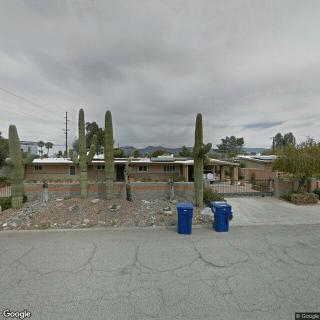
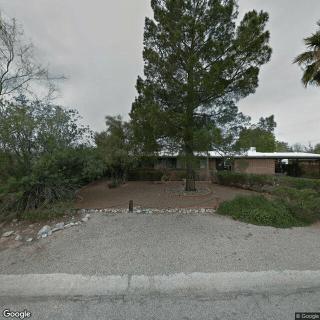
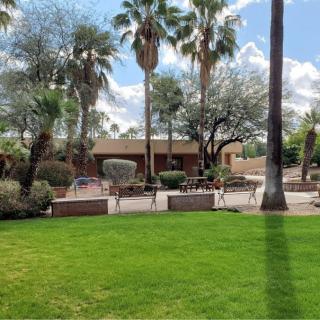
- The view of the mountains is beautiful, and the gardening enlightens residents as they enjoy shade from the gazebo.
- It is the best place in Tucson for privacy and living independently, with attentive care.
- Elsa ensures health needs are met and residents feel safer knowing how close they are to St. Joseph's Hospital.
Cons
 The negative comment is false and suspect due to the complainant being unknown.
- The comments are unjustified due to the lack of specifics as to who, what, and when did this event happen, and therefore they cannot be trusted and are not credible.
- It was posted purposely to discredit the company’s unblemished and outstanding reputation for no apparent reason.
- Anyone who fabricates false libel is cautioned that such defamation and damaging statements are punishable by law.
- The matter will be referred to a lawyer to track down the source.
Review
Elsa's Adult Care Home II in Tucson is best suited for seniors who prize privacy, a home-like atmosphere, and direct, owner-led attention. The community works well for residents who want individualized care without the bustle of a larger campus, and who value staff relationships that feel personal and consistent. Families seeking a setting where the owners are accessible around the clock and where daily routines are intimate and predictable will find this option compelling. It is particularly appealing when a loved one thrives on quiet dignity, near-term responsiveness, and a sense of being known rather than processed.
Conversely, those needing extensive medical oversight, a robust calendar of structured activities, or specialized programs (such as memory care) should consider alternatives. The small, private-home format naturally limits the scale of clinical support and program breadth found in larger assisted living facilities. If transportation coordination, on-site therapy options, or a breadth of on-demand services are priorities, a bigger community with formal pathways to multiple disciplines may prove more practical. In short, Elsa’s excels in personal touch; it may fall short for families prioritizing constant clinical depth and extensive social programming.
The strongest pros center on personal connection and responsiveness. The management team is described as sweet and caring, and residents are said to be well tended. Direct access to the owners 24/7 stands out as a rare advantage in a landscape crowded with “open door” slogans but inconsistent oversight. High standards and a culture of dedication emerge from staff who have built a close-knit, intimate operation, an environment where needs get noticed quickly, and where appreciation from residents reflects a genuine sense of belonging. The setting itself reinforces these strengths: mountains views, garden spaces, and a shaded gazebo contribute to a calm, dignified daily experience that supports independence while still feeling supervised.
These strengths offset the potential drawbacks inherent in a smaller home setting. Privacy and living independently without the frenetic pace of larger facilities can translate into less wait time for attention and more predictable, person-centered care. The long track record, Elsa’s has operated since 1994 with no formal complaints reported, adds credibility and a sense of stability that is rare in newer, boutique options. When health needs arise, the proximity to hospital resources and the owner-led commitment to meeting those needs help mediate the risk that comes with a smaller operation. In this light, the trade-off for fewer residents and a tighter staff structure becomes a deliberate, controlled environment rather than a limitation.
One notable caveat comes from the acknowledged risk that accompanies any one-star feedback in a small community. A single negative review exists but is publicly contested by the owners as unverified and non-specific, described as defaming rather than substantiated. The presence of such a dispute underscores the importance of evaluating multiple voices and observing firsthand how concerns are handled. The balance here tilts toward credibility in favor of Elsa’s given the documented longevity, the consistently positive sentiment from multiple sources, and the hands-on leadership that prints a clear corrective margin for issues when they arise. Readers should weigh isolated complaints against a broader pattern of caregiving that remains anchored in direct oversight.
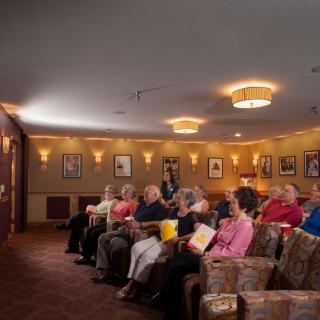
In the end, Elsa’s Adult Care Home II is a deliberate choice for families prioritizing intimate, relationship-driven care, immediate owner access, and a peaceful, home-based environment. It clearly serves seniors who value autonomy, privacy, and steady, personalized attention over the expansive menus of services and social programming offered by larger communities. If a loved one requires frequent, formal nursing oversight, a wide array of daily activities, or memory-care specialization, alternatives with larger staff capacities and structured clinical pathways should be pursued. For those who want to feel seen, treated with respect, and supported by a management team that treats residents as family, Elsa’s stands out as a practical, proven option in Tucson.
 10 resident community capacity
 Assisted Living
 Board and Care Home
 Cable or satellite TV
 Dining room
 Fully furnished
 Garden
 Housekeeping services
 Move-in coordination
 Outdoor space
 Telephone
 Wi-Fi/high-speed internet available
 Tucson International (9 miles away)
 24-hour supervision
 Activities of daily living assistance
 Assistance with bathing
 Assistance with dressing
 Assistance with transfers
 Diabetes diet
 Meal preparation and service
 Medication management
 Special dietary restrictions
 Transportation arrangement (medical)
 Transportation to doctors appointments


 Assisted Living Expenses and Long-Term Care Insurance: A Comprehensive Exploration
 Securing Financial Support for Assisted Living: A Comprehensive Overview
 Social Security Benefits and Assisted Living: Navigating Options Across the U.S.