
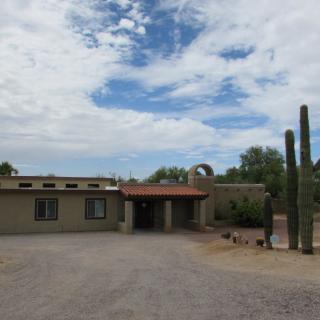
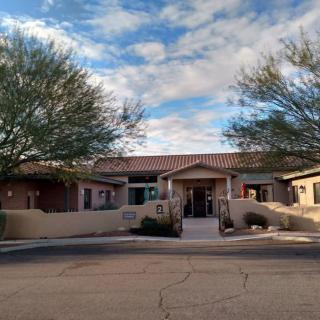
7163 North Pomona Road, Tucson, AZ 85704
For more information about senior living options: (866) 208-4318
Overall Review of Danilo Place
Pros
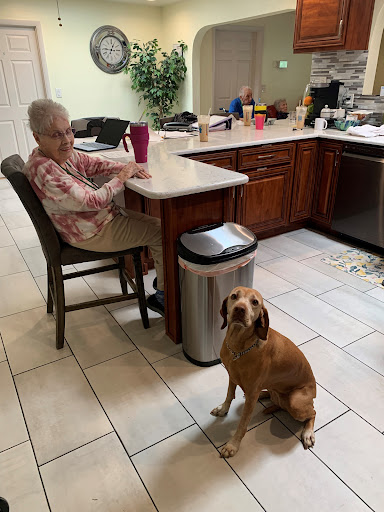
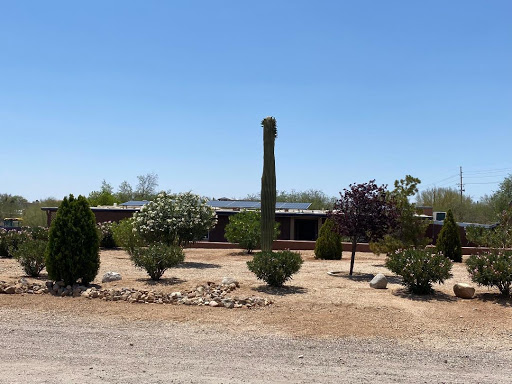
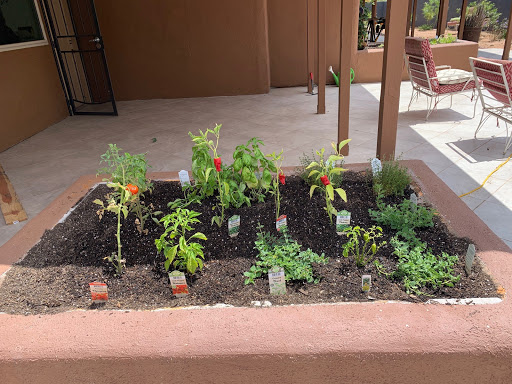
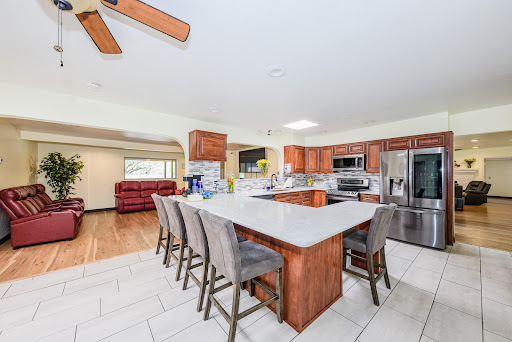
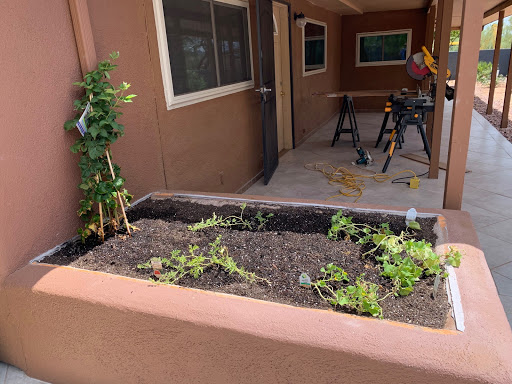
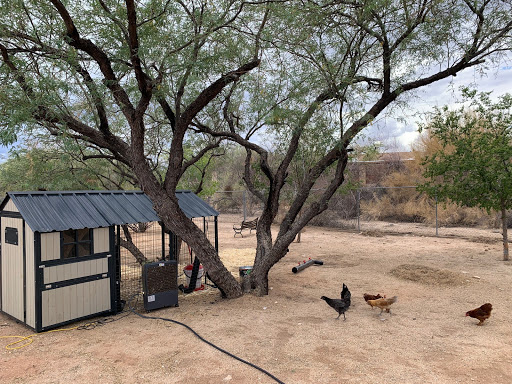
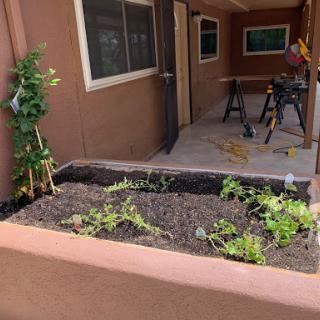
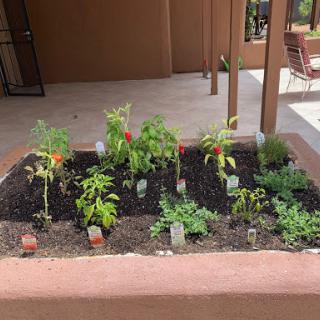
 The yard area and living room are lovely.
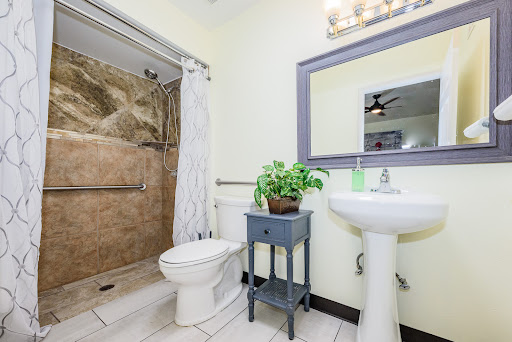
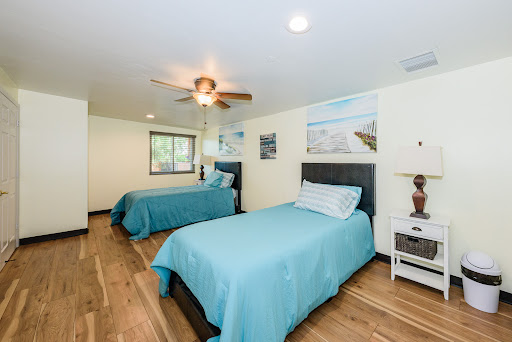
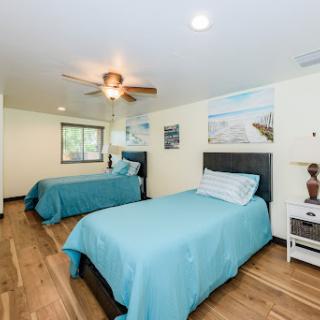
- The bedrooms are nice.
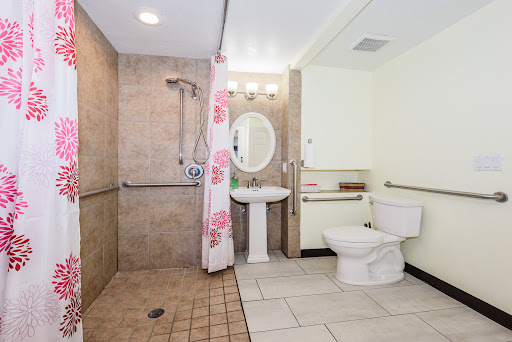
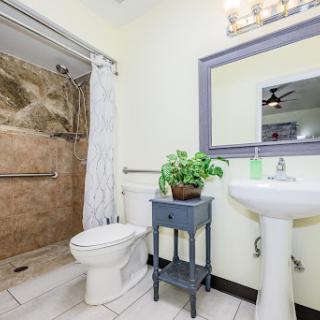
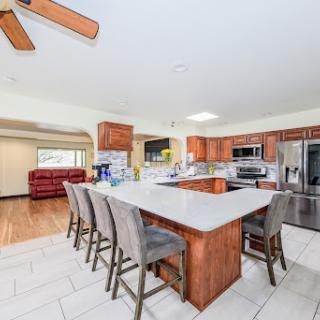
- The facility is open, light, and clean.
- The place feels very homey with a warm, loving atmosphere.
- The staff show genuine interest in residents and ask in-depth questions about their care, which inspires confidence that they care.
- Residents can have their own rooms and bring a small refrigerator to personalize their space.
Review
This Tucson community is best suited for seniors who want a warm, home-like setting with intimate, person-centered care and the flexibility to personalize their living space. The two reviews describe a space that feels open and lived-in: a yard and living room that invite casual comfort, bedrooms that feel inviting, and a general sense of light, cleanliness that supports ease of daily life. Importantly, the atmosphere is described as homey and welcoming, with staff who make an effort to understand individual preferences and routines. For a resident who prizes a quiet, less clinical environment where staff form real relationships and care plans feel tailored, this setting checks the right boxes.
Who should consider alternatives? Families with residents who require robust medical oversight, complex clinical support, or a broader spectrum of therapeutic services may want to look elsewhere. The reviews do not detail in-house medical staffing levels, memory-care programming, or extensive rehab services, so those seeking consistent, on-site nursing supervision or highly structured clinical care should verify whether the community can meet those needs. Likewise, families that want a large campus with a wide calendar of activities, transportation options, and integrated social programming might prefer a bigger provider with more built-in programming. For residents with higher care acuity or those who anticipate needing advanced care quickly, alternatives with clearly defined medical resources could be a better match.
The strongest credits swing decisively toward the plus side and help offset common concerns about smaller, more intimate settings. The home-like environment, open, light, and clean, reduces relocation stress and supports a smooth transition. The ability to customize a resident’s living space, such as having a private room and even bringing a small refrigerator, signals a respect for independence and everyday comfort that larger, more standardized communities often struggle to preserve. The staff’s demonstrated interest in learning about a resident’s likes and care needs translates into proactive, individualized planning, which is often what families fear they’ll miss when choosing a smaller operation. In short, the relational strengths of this setting tend to compensate for the absence of visible, large-scale amenities.
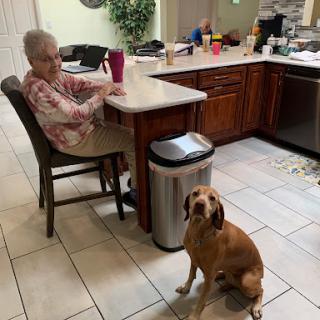
Dining and daily social experience emerge as clear positives in the feedback. A bright, accommodating common area, a well-maintained yard, and a convivial dining atmosphere where staff appear attentive during meals all point to a well-functioning, resident-centered rhythm. When meals feel like a social highlight rather than a routine obligation, it’s a meaningful indicator of overall quality of life. Residents appearing happy during meals and the staff’s willingness to engage with residents’ routines contribute to a sense of stability and belonging that is not easily replicated in a more impersonal environment. These factors often translate to lower anxiety for families during the transition and ongoing reassurance about day-to-day quality of life.
From a practical decision standpoint, the takeaway is straightforward. For families prioritizing genuine warmth, personal attention, and a setting that feels like home, the balance of pros makes a compelling case. The two reviews show a pattern of lively, comfortable spaces, engaged caregivers, and a culture that respects personal preferences. The missing details, precisely how medical supervision is structured, what therapy services are available on-site, and what the cost structure looks like, are the elements to confirm through direct inquiry. Prospective residents should request explicit information on staffing ratios, the availability of clinical support, and a sample week of activities to gauge whether the daily cadence aligns with expectations.
In the end, this Tucson option suits a resident who values a personal, relational care approach as much as or more than formal programming. It delivers a reassuring sense of home, strong caregiver engagement, and practical perks that make daily living easier and more pleasant. Families whose top priorities align with warmth, independence within a supportive framework, and a resident-focused dining and social environment will find the fit strong. Those needing extensive medical oversight, broad specialized programming, or a larger, more resource-rich campus should compare alternatives and insist on concrete details before deciding. A guided tour, direct conversations with caregiving staff, and a clear plan for care levels will crystallize whether this community is the right match.
 10 resident community capacity
 1-bedroom apartments
 Assisted Living
 Board and Care Home
 Respite Care
 Beautician on-site
 Cable or satellite TV
 Dining room
 Fully furnished
 Garden
 Guest parking
 Housekeeping services
 Laundry
 Move-in coordination
 Outdoor space
 Party space
 Security gate
 Telephone
 VA Benefits Consultation
 Wi-Fi/high-speed internet available
 Tucson International (16 miles away)
 24-hour supervision
 Activities of daily living assistance
 Assistance with bathing
 Assistance with dressing
 Assistance with transfers
 Diabetes diet
 Meal preparation and service
 Medication management
 Special dietary restrictions
 Transportation arrangement (medical)
 Transportation to doctors appointments
 Arts and crafts
 Book club
 Cooking club
 Fitness programs
 Games
Games Live musical performances
 Religious services
 Tai Chi
 Wii bowling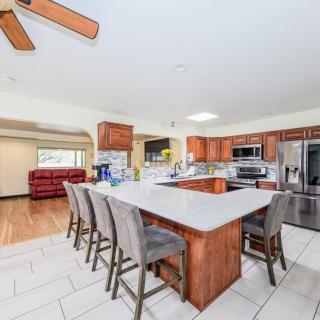



 Comprehensive Insights into Activities of Daily Living (ADLs) and Their Assessment
 Guiding Elderly Parents Who Refuse Assisted Living: 6 Practical Steps
 Your Comprehensive Guide to Luxury Assisted Living: Elevated Facilities, Amenities, and Costs