
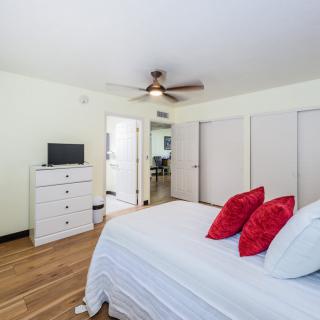

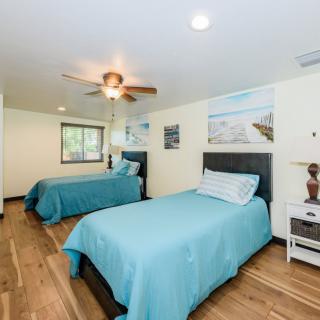
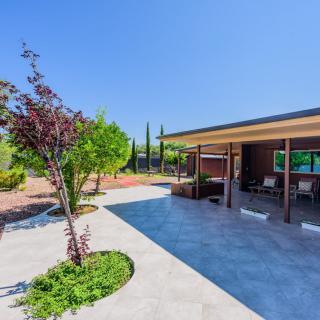
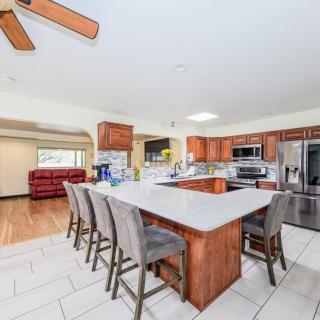
7163 N Pomona Rd, Tucson, AZ 85704
To contact a resident: (520) 330-2804
For more information about senior living options: (866) 208-4318
Oak Haven Assisted Living and Memory Care Costs & Pricing
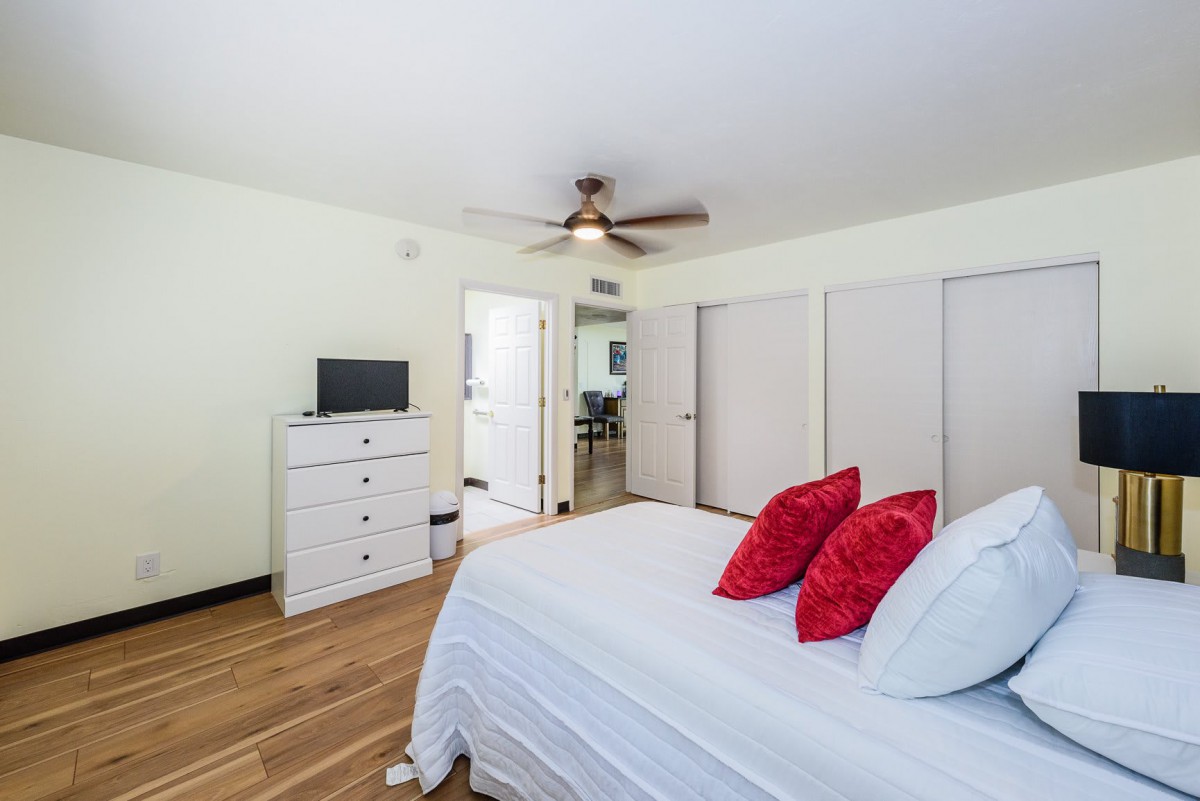
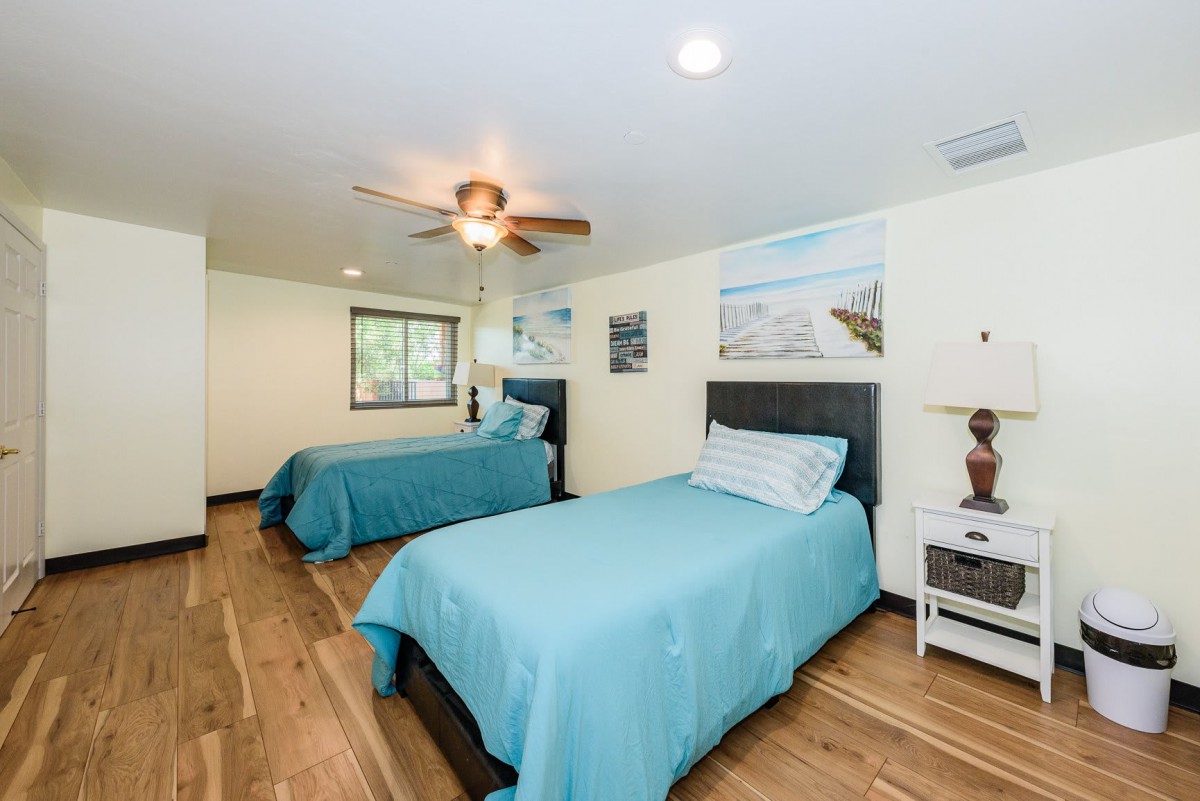
Oak Haven Assisted Living and Memory Care offers a range of accommodations, with costs reflecting the quality of care and environment provided. For a semi-private room, residents can expect to pay $3,500 per month, which is notably higher than the average monthly cost of $2,805 in Pima County and $2,820 across Arizona. Similarly, the monthly fee for a private room stands at $4,500, surpassing local averages of $3,332 in Pima County and $3,345 statewide. Additionally, studio units are priced at $4,500 as well; this is above both county and state averages of $3,786 and $3,829 respectively. While Oak Haven's fees may be elevated compared to broader market rates in the region, they reflect a commitment to delivering high-quality service in a welcoming community designed for assisted living and memory care.
| Floor plans | Oak Haven Assisted Living and Memory Care | Pima County | Arizona |
|---|---|---|---|
| Semi-Private | $3,500 | $2,805 | $2,820 |
| Private | $4,500 | $3,332 | $3,345 |
| Studio | $4,500 | $3,786 | $3,829 |
Memory care communities with a similar price nearby
-
About the same

The Ranch Estates of Tucson
$3,600 to $4,840 / month1.5 miles away -
from -$500 / mo
Crossroads Adult Care Homes
$3,000 to $3,600 / month2.8 miles away -
from -$355 / mo

The Watermark at Oro Valley
$3,145 to $4,995 / month2.9 miles away -
from -$165 / mo
Cascades of Tucson
$3,335 to $5,350 / month11.7 miles away -
from -$550 / mo

La Sonora at Dove Mountain
$2,950 to $5,270 / month7.8 miles away
Overall Review of Oak Haven Assisted Living and Memory Care
Pros
 Oak Haven has a great atmosphere with wonderful people, food, and care.
- The staff are caring, loving, and attentive to residents.
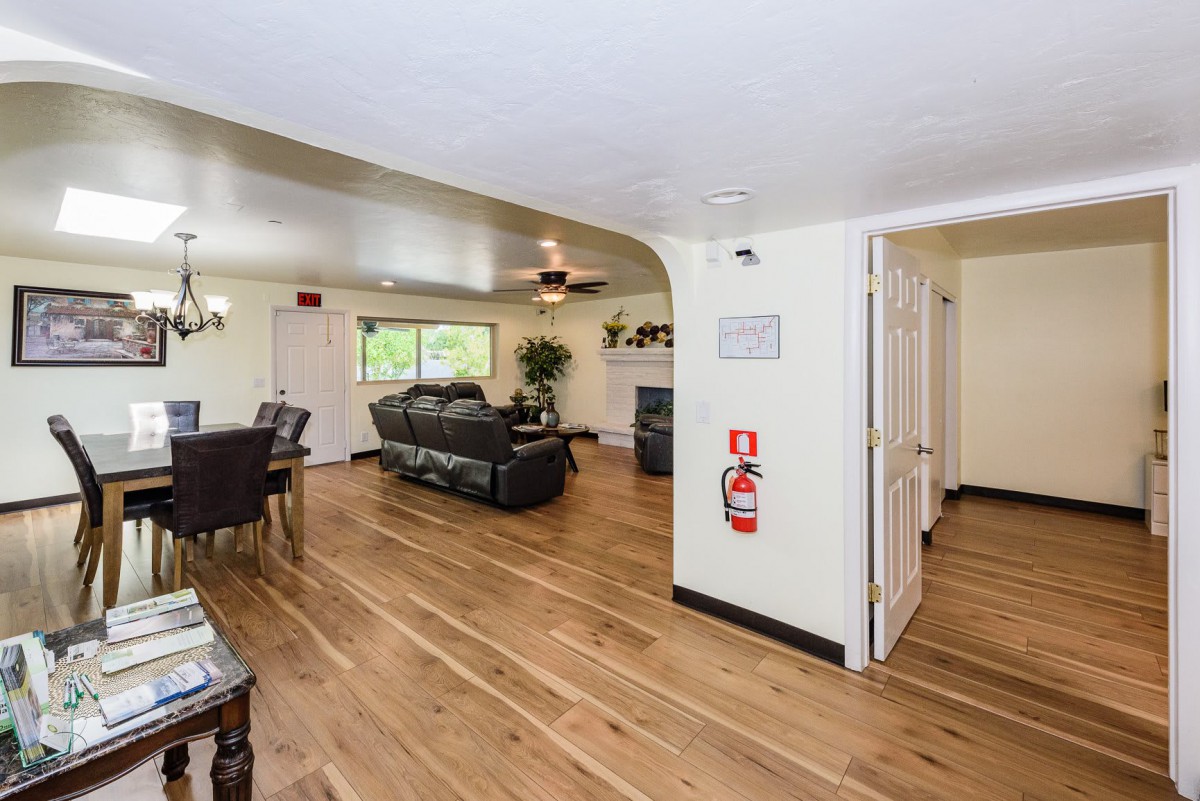
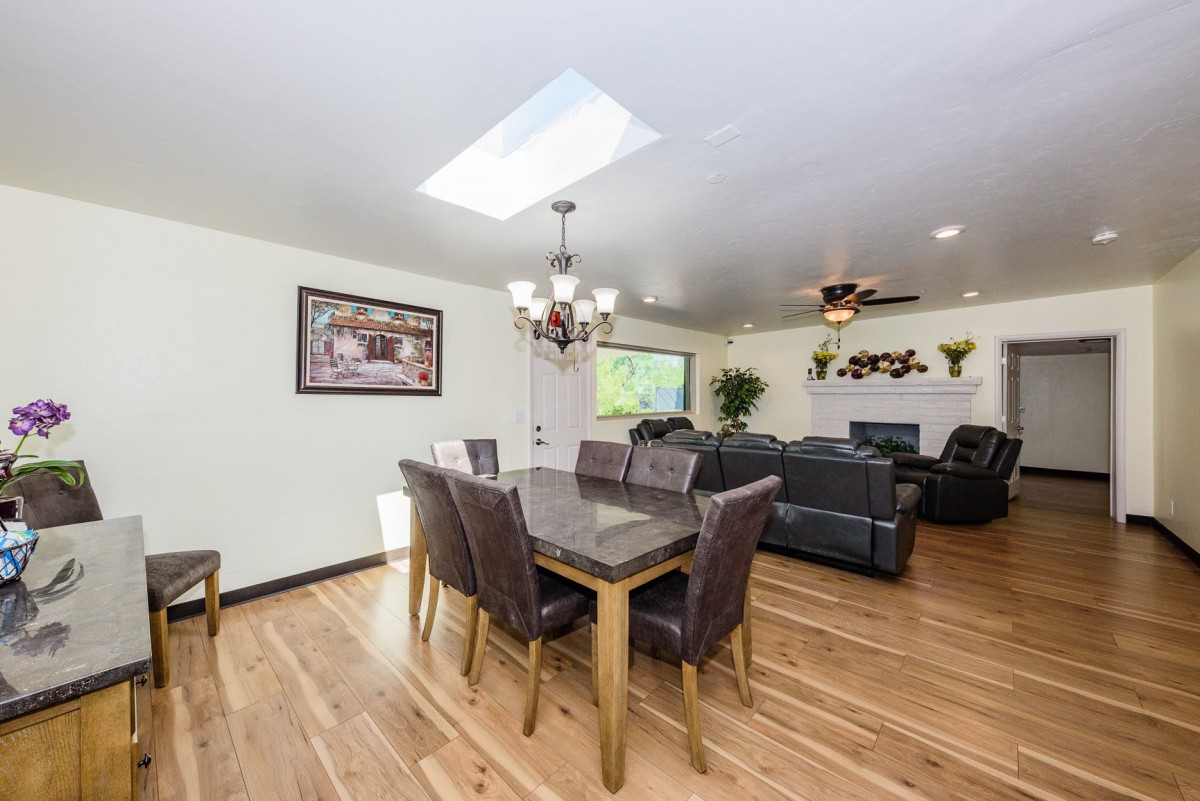
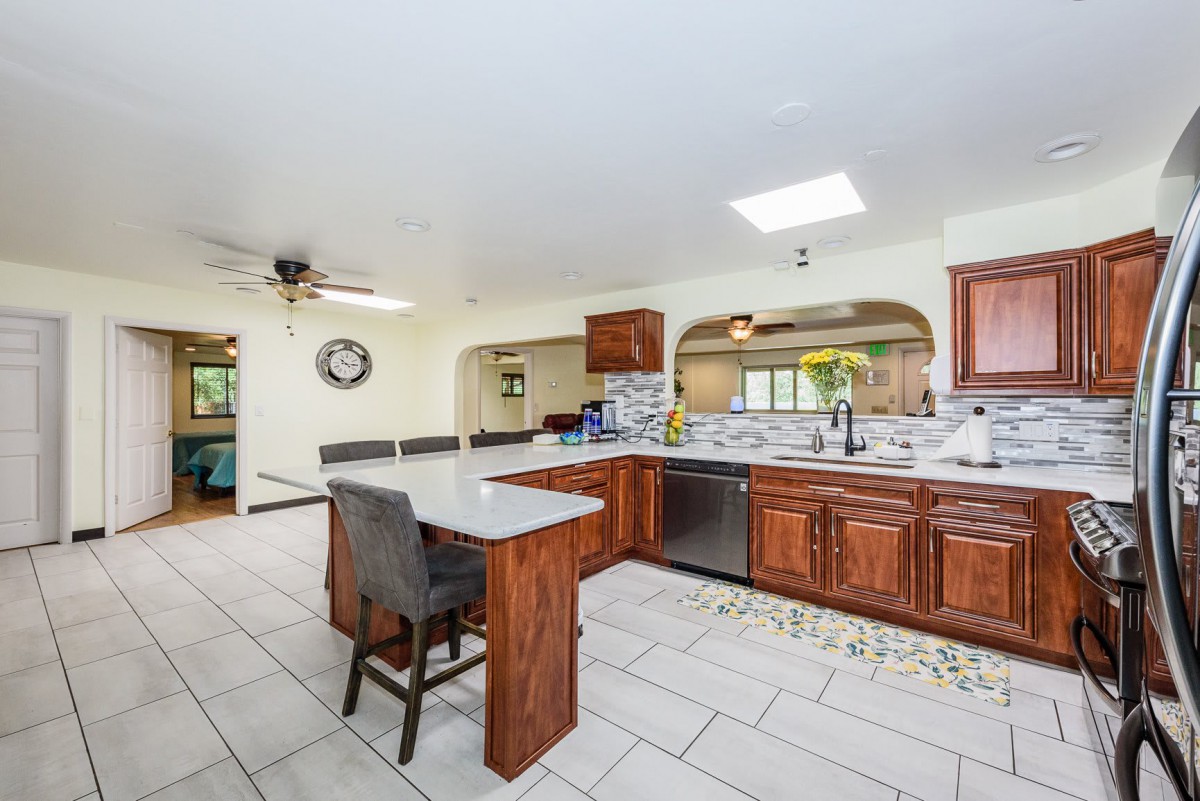
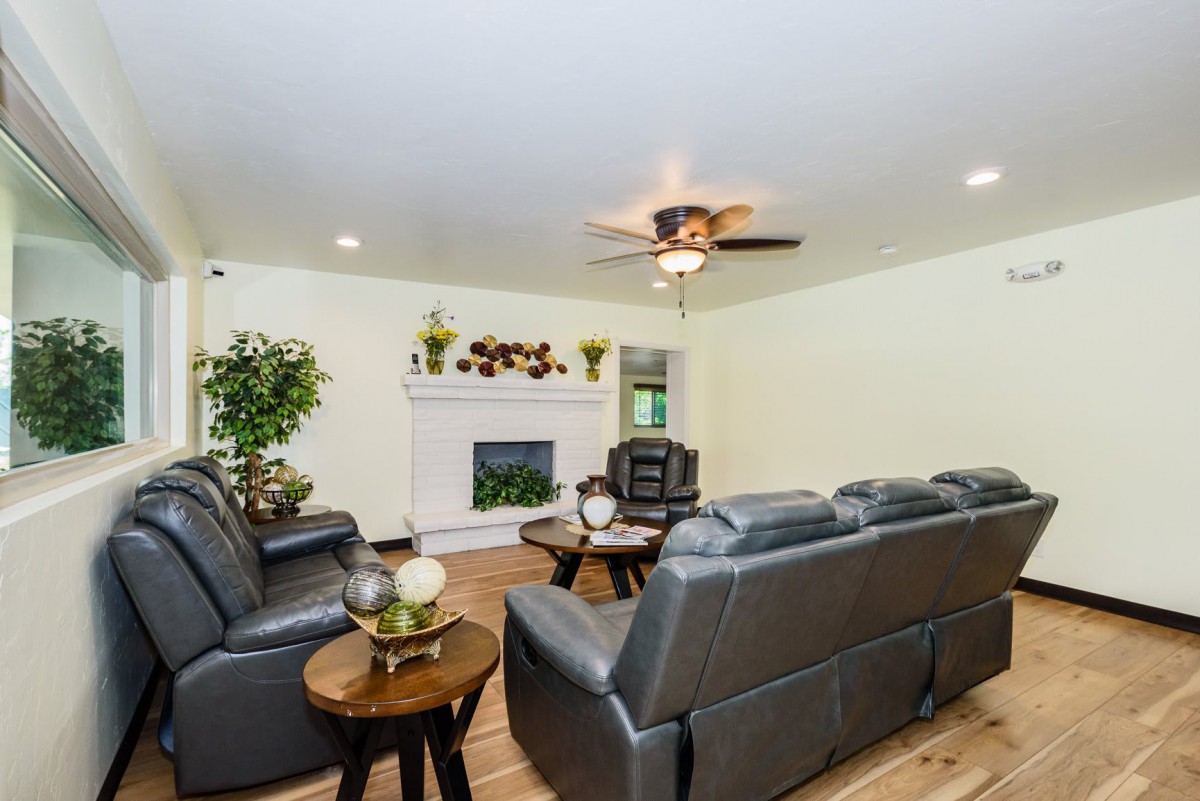
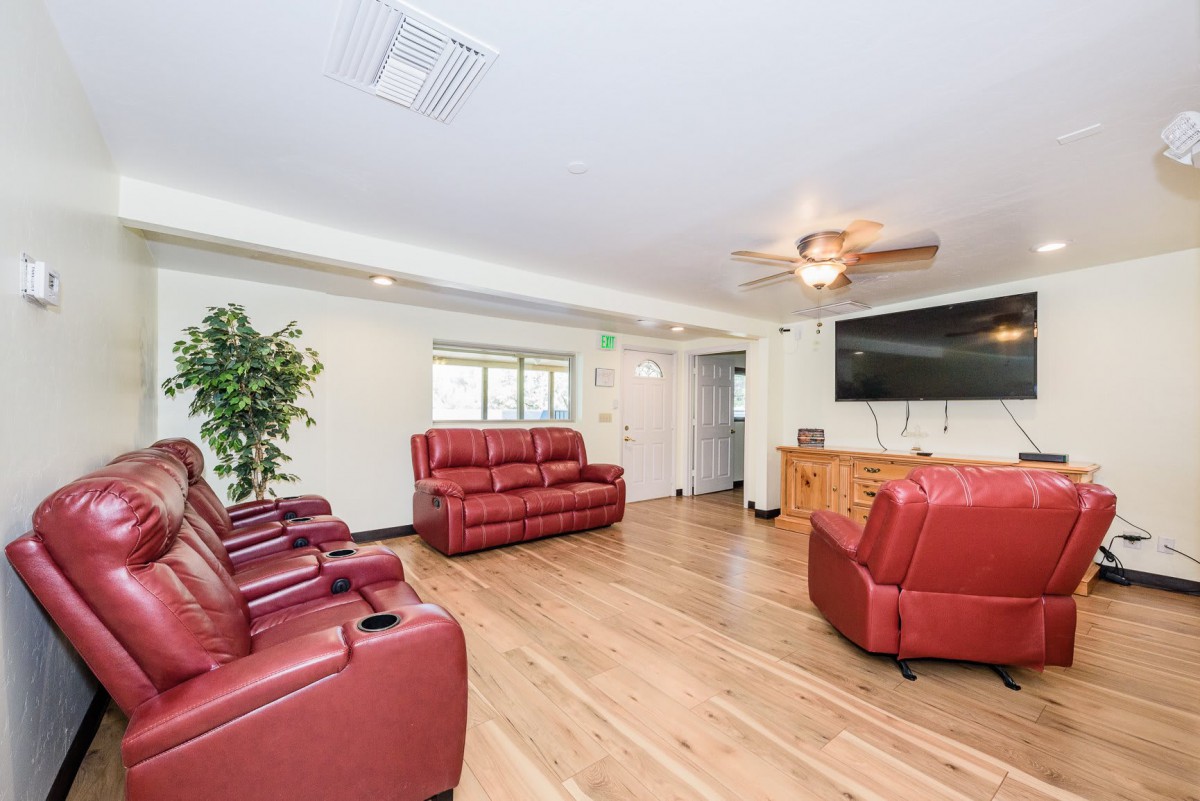
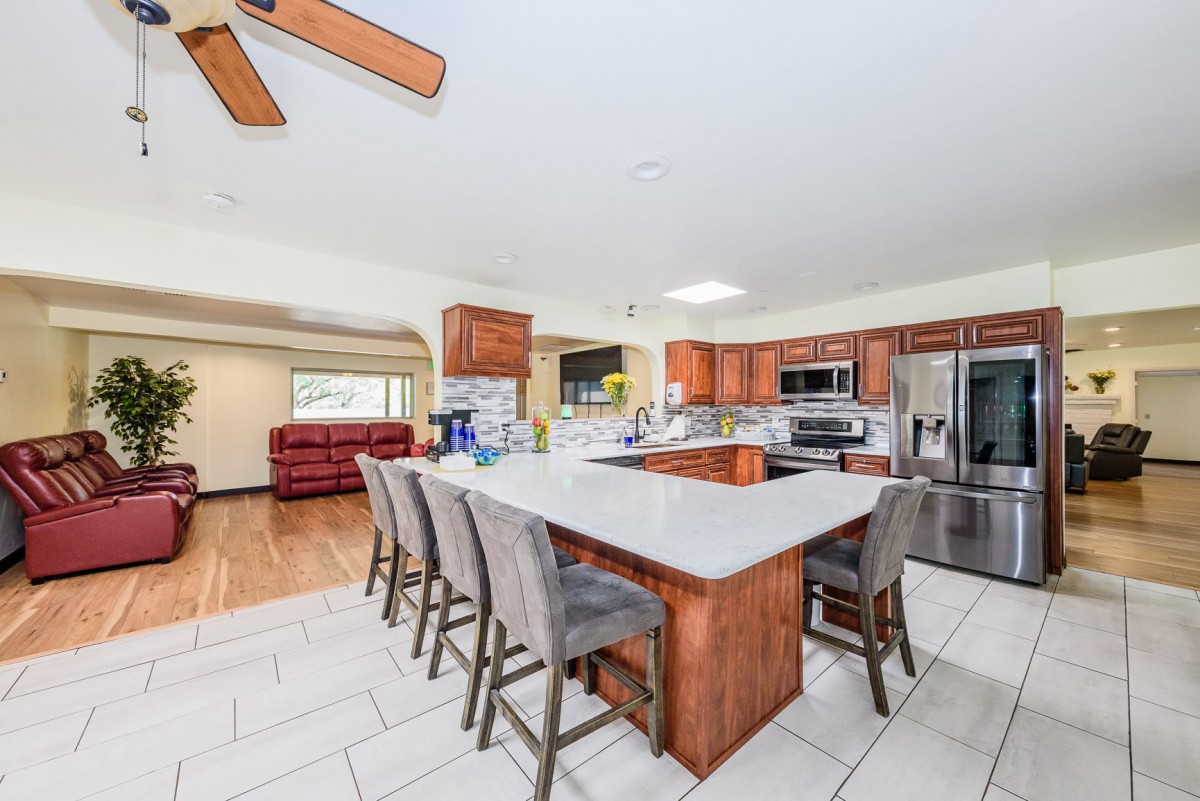
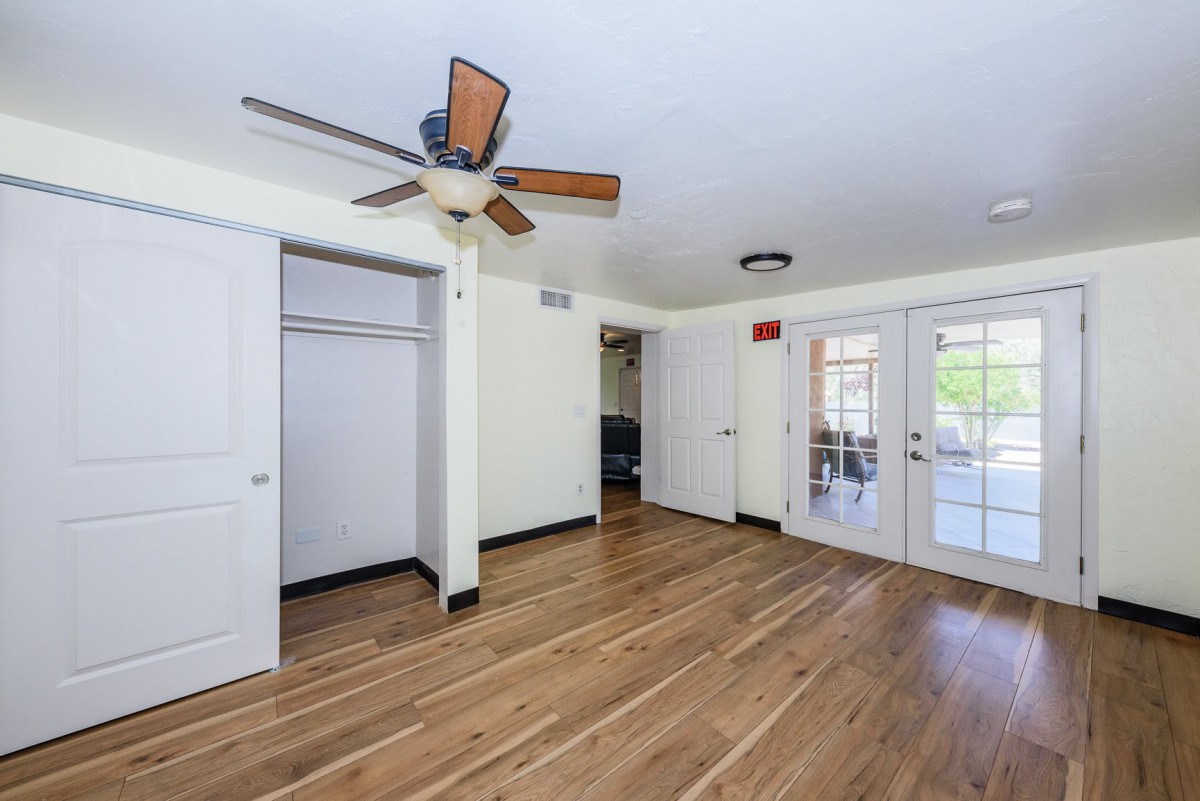
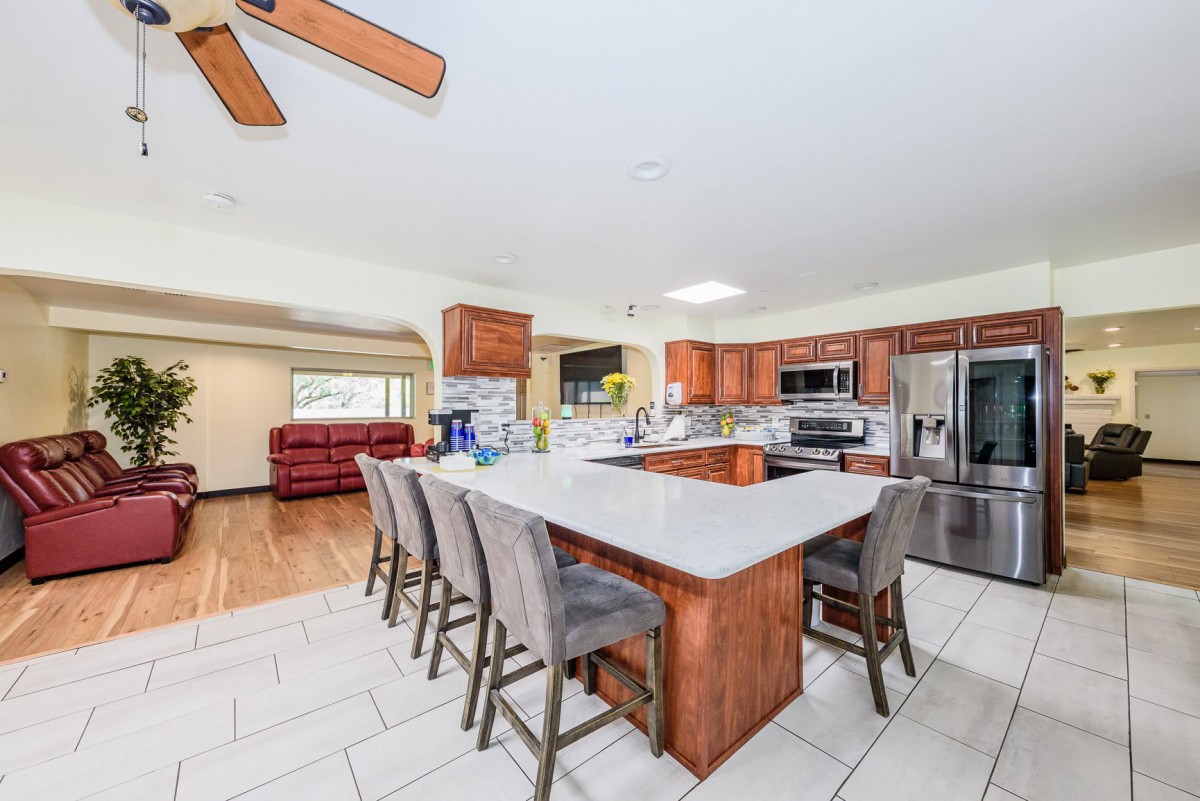
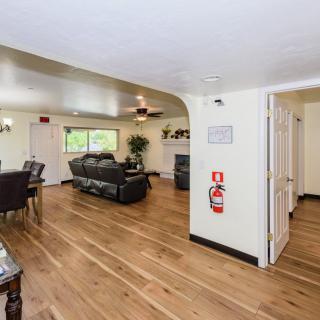
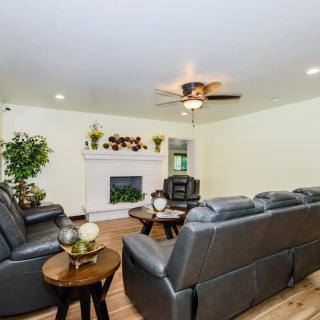
- Oak Haven feels like home thanks to its warm, homey environment and inviting spaces.
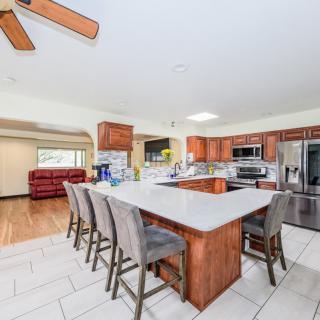
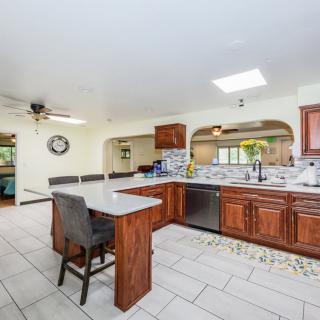
- The facility is clean, uncluttered, and nicely appointed.
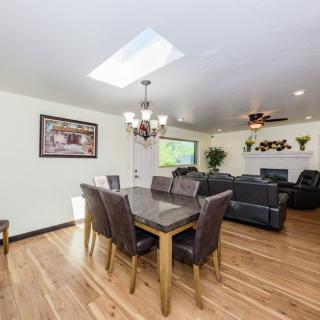
- The dining room is spacious and welcoming, and residents eat together when possible.
- The staff are friendly, knowledgeable, and respectful of residents.
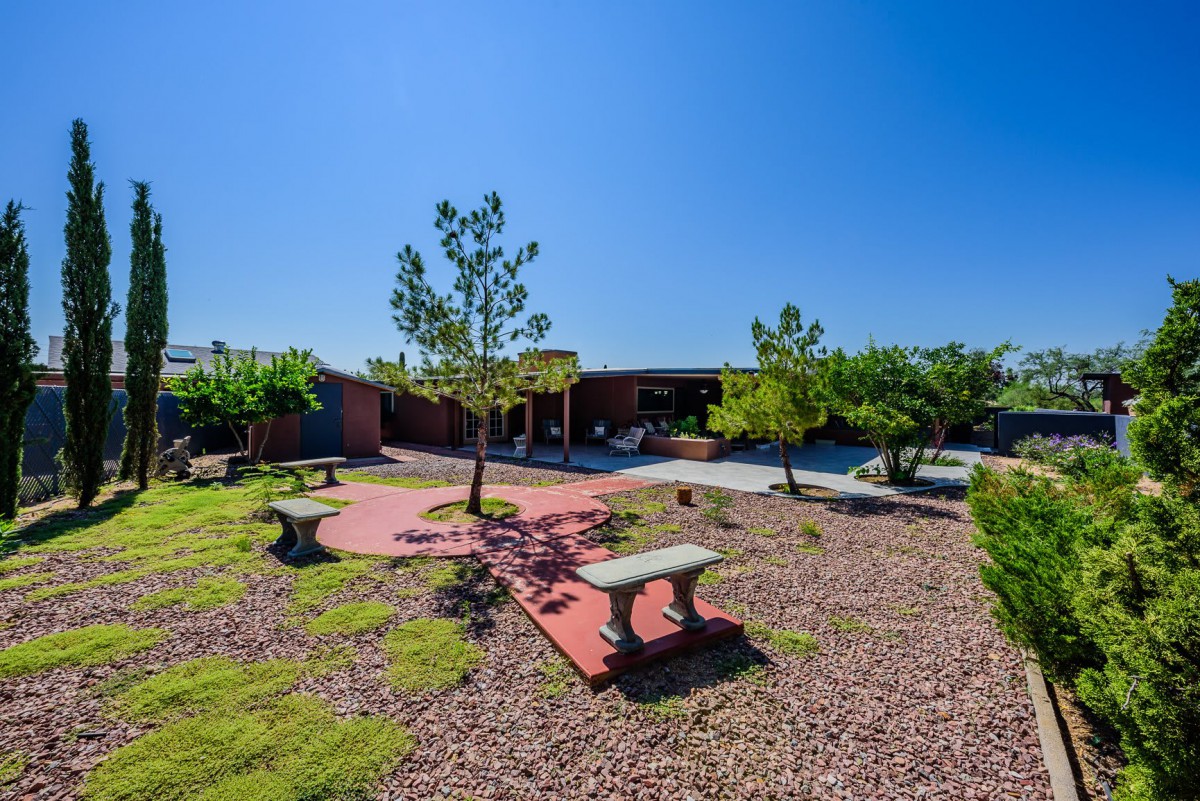
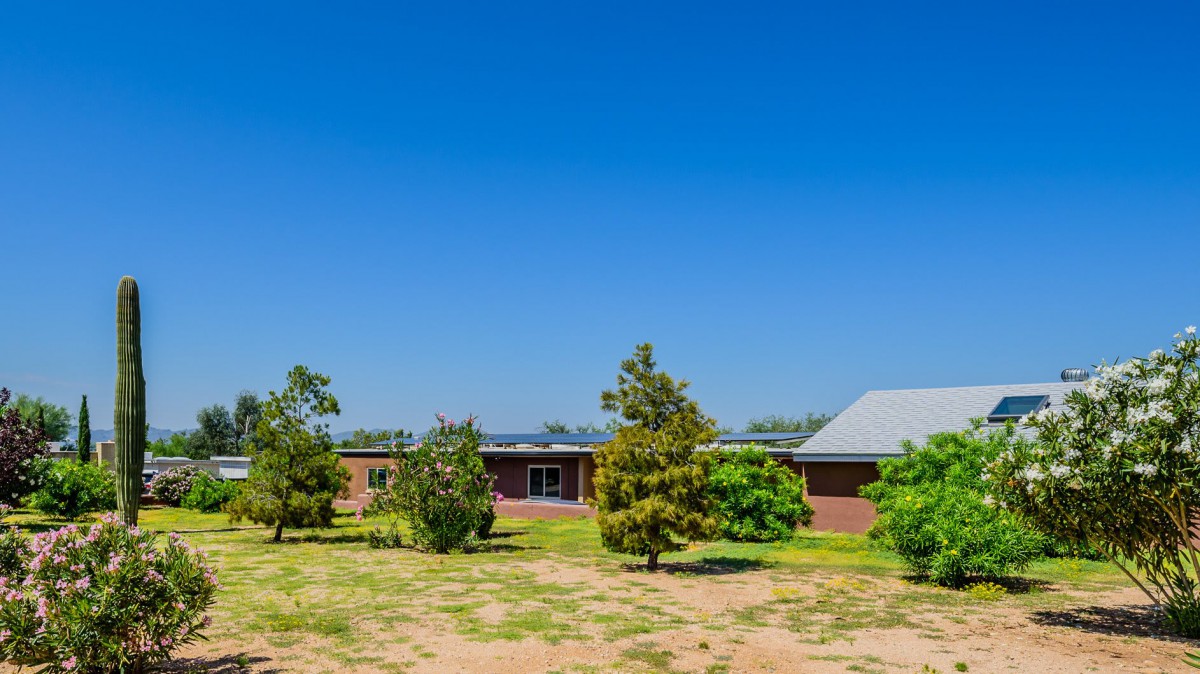
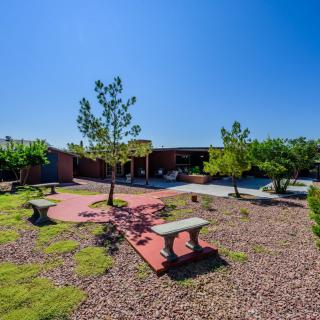
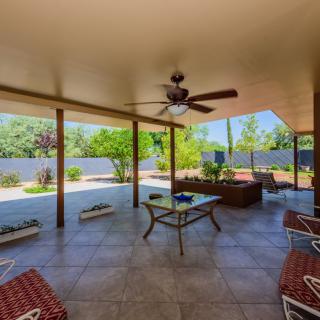
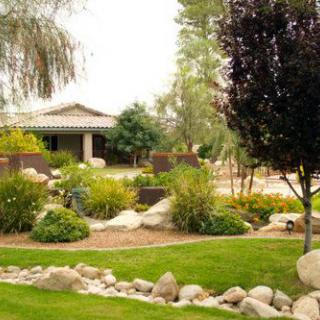
- The community is bright, cheerful, and safe, with pleasant surroundings and mountain views.
- Move-in is easy, and new residents are greeted warmly by the staff.
- Management is caring and supportive of both residents and their families.
Cons
 Oak Haven faced chronic understaffing, sometimes with only one caregiver on shift for eight residents.
- A new kitchen policy restricted family members from using the kitchen during a resident’s final days, reducing caregiving support.
- Management insisted on charging rent for September even after the resident had moved out.
- Management sent menacing emails about payment and did not respond to the ombudsman.
- Understaffing and policy changes left Oak Haven unable to provide the necessary care in the resident’s final days.
- There was no substitute staffing in place for sick days or emergencies, raising concerns about safety and care quality.
- The reviews describe a focus on profit and payment for services not rendered.
Review
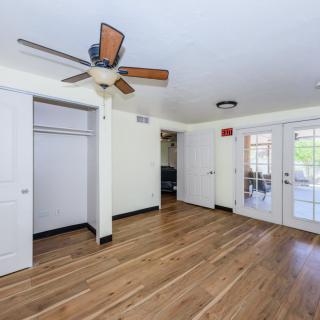
Oak Haven Assisted Living and Memory Care in Tucson is best suited for families seeking a warm, home-like environment where staff interactions feel personal and residents are treated with genuine kindness. It works well for seniors who value friendly, name-based care, comfortable common areas, and a social, communal atmosphere that makes daily life feel familiar. The memory-care setting is particularly compelling for those at the moderate stages of cognitive impairment who benefit from calm routines, easy access to outdoor spaces, and caregivers who engage residents with care and patience. In short, this community shines for residents who prioritize relational warmth, a welcoming vibe, and a living-space that feels less like a facility and more like a well-loved home.
Those who may want to consider alternatives include families needing ironclad staffing guarantees and perfectly predictable operations. If a reliable, back-up staffed model is non-negotiable, where multiple caregivers are always available on every shift and where continuity of care is visibly backed by formal coverage plans, this may not meet expectations. Likewise, households with tight budgets or strong concerns about ongoing price stability should scrutinize billing practices and contract terms, as some families have encountered rent increases and disputes over charges after a resident’s move. Policies that restrict family involvement in day-to-day routines or that shift responsibility onto families during critical end-of-life moments are also red flags for some.
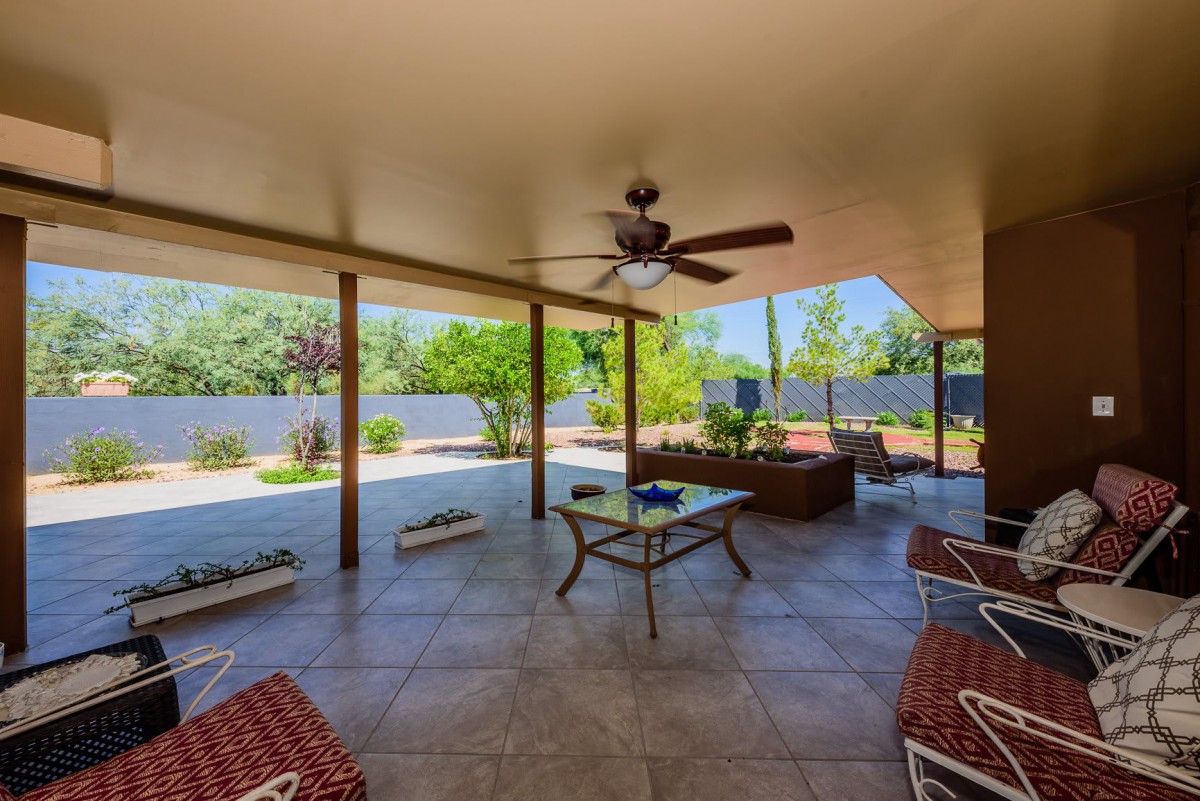
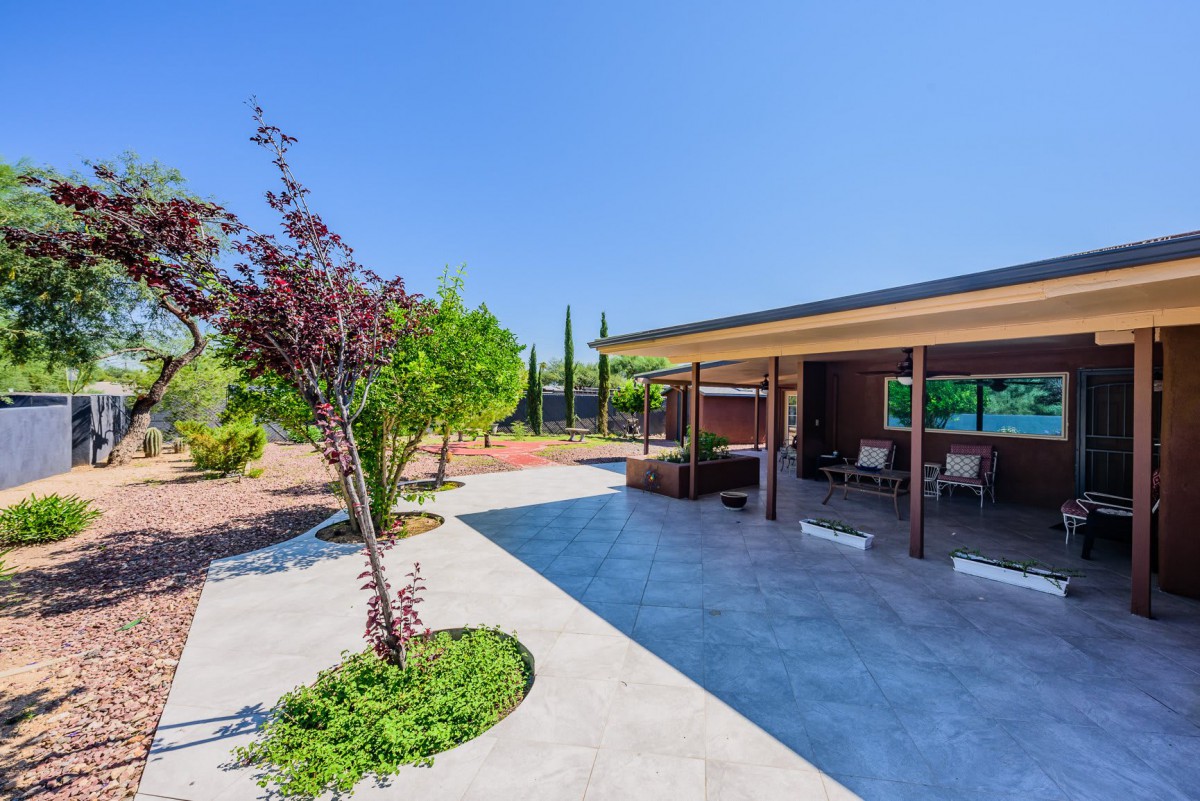
The strongest positives here, staff warmth, a homey atmosphere, and high-quality interaction, form the backbone of a very livable experience. Visitors consistently note that caregivers are personable, respectful, and attentive, with staff who greet families by name, share small acts of hospitality, and create an inviting mood in common spaces. The facility reads as clean, uncluttered, and thoughtfully laid out, with ample quiet and social areas, spacious dining rooms, and well-kept outdoor patios that foster privacy or sociability as desired. Food and nutrition are also emphasized, with meals described as satisfying and tailored to residents’ needs, which matters greatly for memory-care environments where routine and routine feelings support well-being.
On the downside, several reviews flag real operational tensions that can unsettle families. Staffing variability, occasionally a single caregiver on shift, poses legitimate concerns about responsiveness, safety, and the ability to meet higher care needs consistently. Changes in policies that affect family involvement, such as restrictions on kitchen access during the active dying phase, can feel disruptive during emotional moments and erode trust if not managed with clear, compassionate communication. Billing friction is another notable issue; at least one family recounts a demand for rent during a month the resident had already vacated, and mixed messages about notice requirements. Collectively, these factors can complicate the decision process for families seeking certainty and consistency.
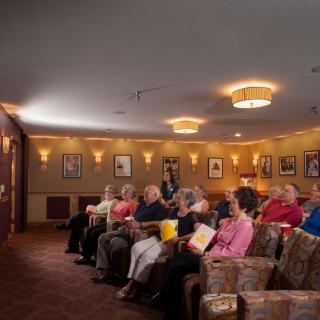
Still, the pros can meaningfully offset the cons when approached with clear expectations and proactive information gathering. The genuine, hands-on care culture helps residents maintain dignity and connection, which often outweighs episodic staffing gaps for families who prioritize day-to-day quality of life and emotional comfort. The memory-care environment benefits from thoughtful design elements, calm routines, and staff who invest time in meaningful engagement, reducing agitation and supporting orientation. The social fabric, where residents dine together, participate in communal activities, and enjoy a sense of routine, creates a compelling baseline of well-being that many families value, even in the face of occasional management or policy frictions.
For families weighing a final decision, Oak Haven is a strong fit if the priority is a welcoming, caregiver-led setting with proven warmth and an emphasis on resident comfort. To move forward confidently, conduct a candid discussion about staffing coverage, backup plans for shifts, and how the community handles end-of-life care and family involvement within current policies. Request a detailed, written contract that itemizes inclusions, potential increases, and the process for any price adjustments. Ask to meet front-line aides and observe the shift change to gauge consistency. And insist on transparent billing practices, including a clear explanation of any charges and the timeline for notices. With these guardrails in place, Oak Haven can be a sound choice for families seeking a compassionate, home-like living option for a loved one.
 Board and Care Home
 Memory Care
 Activities off-site
 Beautician on-site
 Private
 Respite or short term stays offered
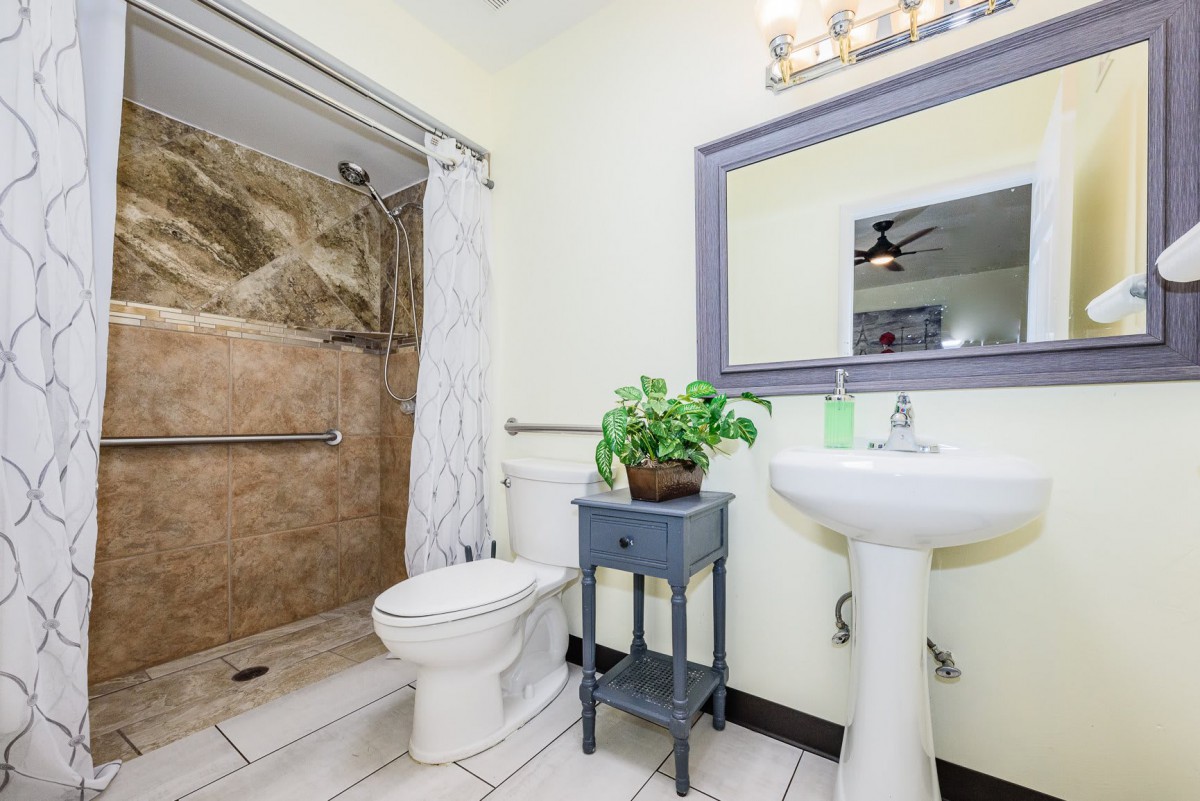
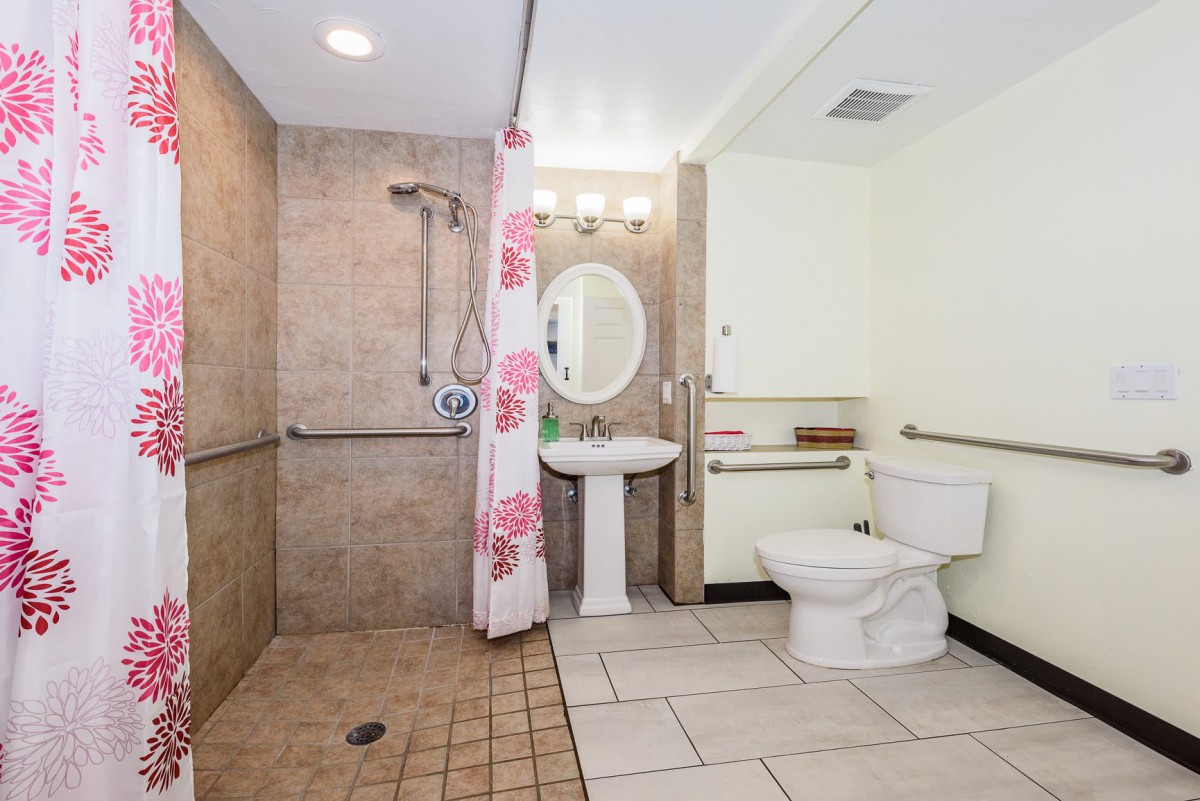
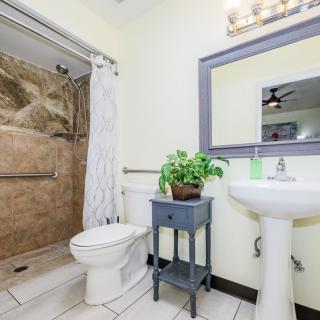
 Wheelchair accessible showers
 Tucson International (16 miles away)
 Diabetic care
 High acuity care
 Incontinence care
 Medication management
 Special dining programs
 Art classes
 Brain fitness
 Cooking classes
 Day trips and outings
 Forever fit
 Gardening club
 Karaoke
 Live well programs
 Trivia games
 Wii bowling
 Wine tasting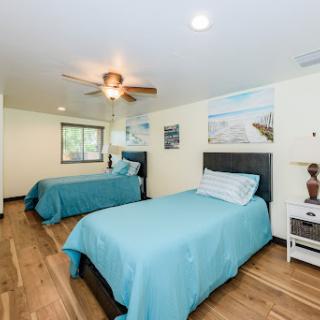





 Understanding Dementia Through Its Seven Stages: A Comprehensive Look at Progression and Expectations
 A Holistic Dementia Care Guide: Effective Strategies for Memory Support
 Memory Care Pathways: A Holistic Guide to Dementia Support