
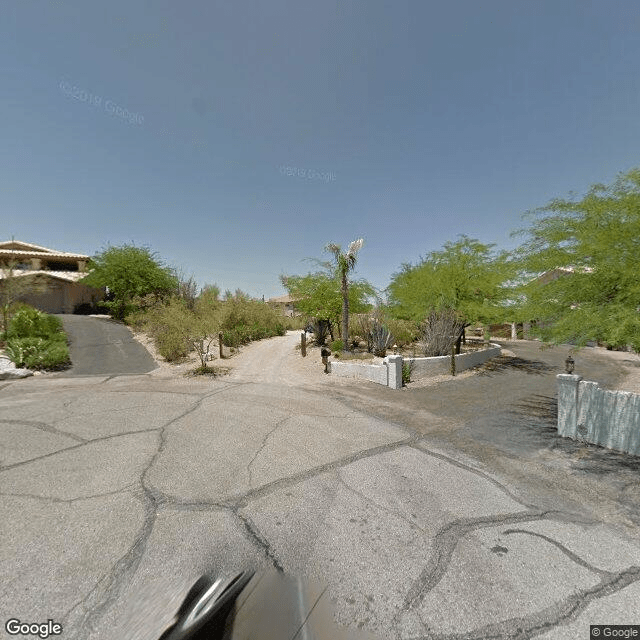
4540 West Camino De Cielo, Tucson, AZ 85745
For more information about senior living options: (866) 208-4318
Casa Theresita II Costs & Pricing
Casa Theresita II offers a competitive monthly rate for private rooms at $2,500, which is significantly lower than the average costs in Pima County and throughout Arizona. In comparison, the average monthly cost for a private room in Pima County stands at $3,332, while the statewide average is slightly higher at $3,345. This positions Casa Theresita II as a more affordable option for individuals seeking quality care without compromising on comfort or services, making it an excellent choice for those navigating senior living options in the region.
| Floor plans | Casa Theresita II | Pima County | Arizona |
|---|---|---|---|
| Private | $2,500 | $3,332 | $3,345 |
Memory care communities with a similar price nearby
-
from +$200 / mo

Casa De Los Abuelos Dos
$2,700 to $3,200 / month6.6 miles away -
About the same
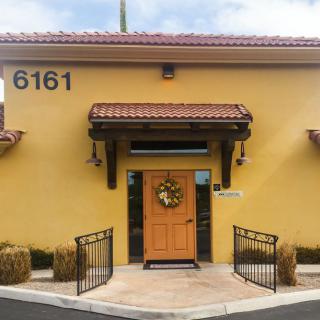
Fairmount Assisted Living
$2,500 to $3,500 / month11.8 miles away -
from +$450 / mo
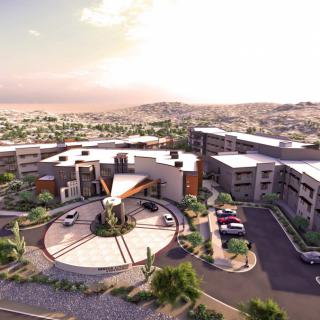
La Sonora at Dove Mountain
$2,950 to $5,270 / month12.2 miles away -
from -$372 / mo
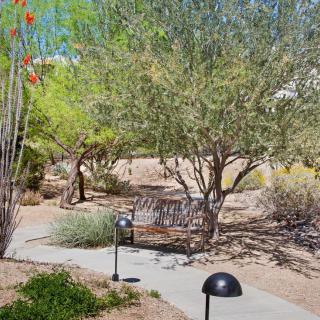
Sunrise at River Road
$2,128 to $3,530 / month6.6 miles away -
from +$95 / mo
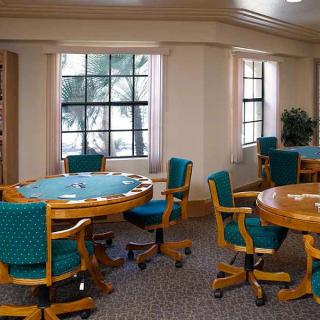
Atria Campana Del Rio
$2,595 to $7,095 / month7.1 miles away
Overall Review of Casa Theresita II
Pros
 They are family owned and operated and have been in business 18 years.
- The home is very nice and well maintained, perched on a hill with beautiful views.
- The enclosed yard is well maintained with a patio, greenery and flowers.
- They provide home cooking with three meals a day and snacks, and the food is very good.
- The inside of the home is nice and clean, with a living room and a large dining room, and offers private and semi-private rooms.
- The residents seem happy and well taken care of.
- They offer three levels of care with a nurse practitioner visiting weekly and on call; all assistants are certified, and staff seem nice and caring.
- They do in-house activities and go on outings, luncheons and other events, keeping residents busy.
- The atmosphere is described as nice and homey.
Cons
 People wouldn’t put a dog there.
- They have no activities.
- They have no yard space.
- They are not equipped to take care of male patients with problems.
- There is only one staff member on shift for seven patients.
- One staff member’s clothes smell terrible.
Review
Casa Theresita II in Tucson is best suited for families seeking a small, family-owned, homey assisted living option where daily life centers on comfort, routine, and social engagement rather than hospital-level medical intensity. The setting and operations favor seniors who thrive in a intimate, low-tech environment: a hillside home with well-kept common spaces, home-style meals, and accessible activities that keep residents connected to each other and the surrounding community. It appeals to families who want a tangible, neighborhood feel, where staff appear approachable, and where continuity of care can come from a house-run model rather than a large corporate campus.
That clarity of fit is important because there are clear reasons to consider alternatives for residents with higher medical or behavioral needs. The most cautionary takeaway from the mixed reviews is the potential for staffing pressure and the need for careful verification of capabilities in dealing with more challenging behaviors or medical issues. One account notes a single caregiver on shift for seven residents, which raises legitimate questions about response times and individualized assistance. Families should be wary if a loved one requires constant supervision, complex nursing tasks, or aggressive management, areas where a larger or more medically equipped setting might offer greater reassurance.
Yet the strongest advantages tilt toward practical, tangible benefits that can offset some of those concerns. The residence itself is described as well maintained, with a pleasant living and dining area and both private and semi-private rooms. The enclosed yard, with greenery and a patio, underlines the home-like sensibility that many families prize. Nutrition is a clear plus: three home-cooked meals daily with snacks and a commitment to variety. For daily life, the facility emphasizes keeping residents busy with in-house activities and outings that include shopping trips and luncheons, aligning with expectations for social stimulation and purposeful routines. These features translate into observable resident happiness and a sense of normalcy that can be hard to maintain in more institutional settings.
On the medical and care continuum, Casa Theresita II makes credible, reassuring claims. They handle all three levels of care, and a nurse practitioner visits weekly and is available on call, with certified aides on staff. Transportation to appointments reduces the logistical burden on families and keeps medical follow-ups routine. In combination with the generally warm, attentive staff impression, these elements help balance any concerns about day-to-day caregiving with real, structured support for health needs. The existence of a robust activity program further reinforces the idea that residents are not simply housed but engaged, which can mitigate the risk of decline that sometimes accompanies more isolated living arrangements.
The facility’s size and ownership history add another layer of practicality for decision-making. Four locations in Tucson, led by a family-owned operation with 18 years in business, suggest a steadiness of approach and a consistency of standards that families often prize. This stability can translate into dependable staffing norms, predictable routines, and a culture of personal touch that large chains sometimes struggle to preserve. The positive notes about the staff’s warmth and the residents’ apparent happiness support the sense that Casa Theresita II functions as a defensible, neighborly choice for those who prioritize a familiar, less clinical atmosphere.
For families weighing options, the bottom line is clear: Casa Theresita II presents a credible, home-forward option for seniors who mainly need assistance with daily living and who value meals, social programming, and ease of access to medical oversight. It is less suited for residents who demand high-intensity medical management, strict supervision, or highly specialized behavioral support. Pros like a comfortable environment, good food, accessible activities, and weekly medical oversight can offset some staffing concerns, but a prudent evaluation, preferably a visit with direct observation of caregiver-resident interactions, remains essential. Prospective families should verify staffing patterns, review the activity calendar, and confirm the facility’s capacity to manage any specific medical or behavioral needs before making a commitment.
 8 resident community capacity
 Assisted Living
 Board and Care Home
 Memory Care
 Cable or satellite TV
 Dining room
 Fully furnished
 Garden
 Housekeeping services
 Move-in coordination
 Outdoor space
 Private
 Telephone
 Wi-Fi/high-speed internet available
 Tucson International (12 miles away)
 24-hour supervision
 Activities of daily living assistance
 Assistance with bathing
 Assistance with dressing
 Assistance with transfers
 Diabetes diet
 Meal preparation and service
 Medication management
 Special dietary restrictions
 Transportation arrangement (medical)
 Transportation to doctors appointments



 Delirium and Dementia: Unraveling the Key Differences
 Are Dementia and Alzheimer's Disease Lethal? A Comprehensive Exploration
 Exploring the Power of Reminiscence Therapy for Individuals With Dementia