
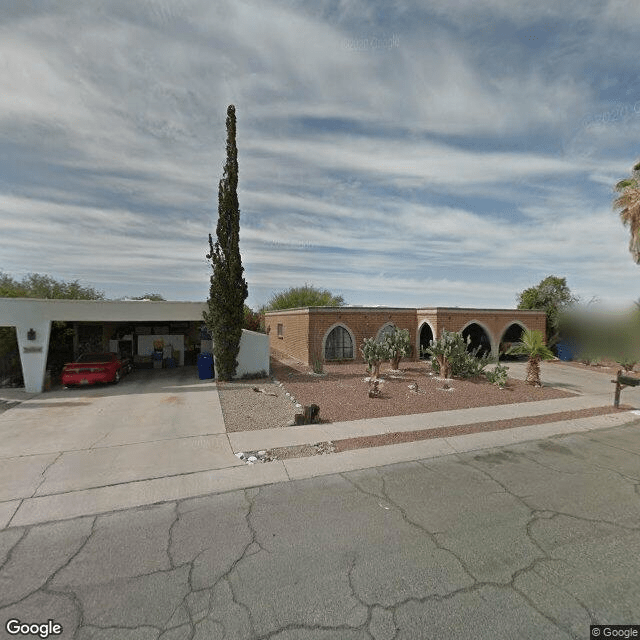
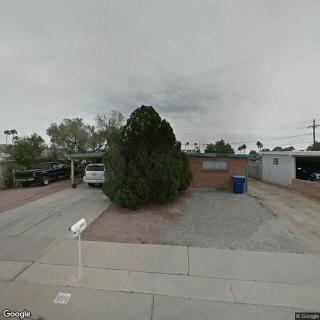
8908 E 35th Cir, Tucson, AZ 85710
To contact a resident: (520) 721-4669
For more information about senior living options: (866) 208-4318
Cactus Garden ACH Costs & Pricing
Cactus Garden ACH offers competitive pricing for its residential care services compared to the broader market within Pima County and the state of Arizona. For semi-private accommodations, residents at Cactus Garden ACH benefit from a monthly cost of $2,000, which is significantly lower than the county average of $2,805 and the state average of $2,820. Similarly, private room options are available at Cactus Garden ACH for $2,500, which again positions it favorably against Pima County's average of $3,332 and Arizona's average of $3,345. This pricing strategy not only makes Cactus Garden ACH an attractive option for potential residents but also reflects its commitment to providing quality care at accessible rates.
| Floor plans | Cactus Garden ACH | Pima County | Arizona |
|---|---|---|---|
| Semi-Private | $2,000 | $2,805 | $2,820 |
| Private | $2,500 | $3,332 | $3,345 |
Senior living communities with a similar price nearby
-
from +$200 / mo
Abuelos At La Canada
$2,200 to $2,800 / month14.1 miles away -
from -$150 / mo
Connie's Manor Home
$1,850 to $2,300 / month16.2 miles away -
from +$300 / mo
Northwest Assisted Living
$2,300 to $2,500 / month15.4 miles away -
from +$200 / mo
Gentlemen's Inn I
$2,200 / month2.4 miles away -
About the same

Casa de Sonshine
$2,000 to $2,800 / month21.6 miles away
Overall Review of Cactus Garden ACH
Pros
 It is perhaps the most fascinating part of the park, featuring enormous cacti in imaginative shapes.
- The Cactus Garden is described as a great part of the Sonoran Desert Museum.
- The information signs are informative, and visitors can see all of the cacti they want here, perhaps all the different types as well.
- Different cacti bloom at different times of year, yet they are always interesting to look at, making a visit worthwhile any time.
Review
Cactus Garden ACH in Tucson is best suited for active seniors and families who want a low-pressure, outdoors-forward outing that doubles as a thoughtful study of desert flora. The garden delivers a visually striking landscape, with enormous cacti arranged in imaginative shapes that invite a slow, purposeful stroll rather than a hurried tour. It is especially appealing to visitors who enjoy photography, quiet observation, or a casual, educational experience anchored by clear signs. The setting, part of the broader Sonoran Desert Museum ecosystem, adds a sense of place and purpose, turning a simple walk among plant specimens into a memorable chapter of a day spent outdoors. For those who prize beauty, scale, and the drama of a living landscape, this space is a strong fit that turns a routine outing into a meaningful sensory experience.
Who should consider alternatives? That guidance becomes clear for travelers seeking climate-controlled environments, hands-on activities, or highly structured programming. The reviews focus on an outdoor botanical display rather than indoor galleries or interactive experiences, so visitors who want extensive indoor amenities or guided, high-energy activities will likely be better served elsewhere. For seniors with mobility concerns or those visiting during peak heat, a venue without built-in indoor relief may require careful planning or alternate days. Families with children who crave more interactive exhibits or a tightly sequenced itinerary may also want a venue with more engagement hooks and seating, where activities are easier to navigate in a compact footprint. In short, this garden is best evaluated as a serene, observational destination rather than a full-service, activity-rich attraction.
The strongest pros align well with a thoughtful, leisurely visit and can offset some natural drawbacks. A standout is the sheer breadth and variety of cacti on display, which ensures that even repeated visits feel fresh, whether it’s seeing towering specimens or catching a bloom that marks the season. The signs are a practical asset, offering informative context that transforms a simple landscape into a learning journey without demanding guided tours. The garden’s connection to the Sonoran Desert Museum adds credibility and a broader sense of purpose to the outing, making the visit feel integrated with educational aims rather than purely scenic. While the outdoors-focused format introduces the constraint of weather and terrain, the result is a high-value, low-stress experience for those who savor quiet observation and the chance to reflect among striking botanical forms.
On mobility and comfort, readers should plan with the environment in mind, since the reviews emphasize visibility, scale, and educational detail more than indoor comforts. The expansive displays reward wide, easy lines of sight, allowing seniors and companions to adjust pace without feeling rushed. The absence of mentioned indoor amenities suggests a need for sun protection and hydration, and it implies a pacing that is compatible with short, restorative breaks rather than extended endurance challenges. For anyone prioritizing shade, rest opportunities, or seating, there may be a need to pre-plan or pair the garden visit with nearby sheltered options. In practice, the experience favors a measured, reflective approach that preserves energy for savoring the landscape rather than sprinting between highlights.
To maximize the visit, time the stroll to the seasons when blooms add an extra layer of color and texture, and use the signs as touchpoints for conversation and memory sharing. Pair the garden with other nearby museum resources when possible so the day blends botanical beauty with broader educational content, enhancing the value of the outing for older adults who appreciate context and storytelling. Bring essentials, water, sunscreen, a hat, and choose cooler parts of the day to minimize fatigue. If mobility is a concern, arranging a slower, more deliberate route or seeking assisted access can help maintain comfort without compromising enjoyment. The garden rewards patience and attention, offering a quiet, enriching experience that can become a meaningful centerpiece of a larger family or caregiver day.
Bottom line: Cactus Garden ACH is a compelling, decision-worthy option for seniors and families who value a serene, visually striking outdoor environment anchored by educational signage. It excels for visitors who prefer a contemplative walk through desert flora and who can appreciate the connection to the broader Sonoran Desert Museum. Those seeking indoor venues, highly structured programming, or rapid-fire activities should look elsewhere or plan the garden as part of a broader itinerary that includes alternative stops. With proper planning around heat, pacing, and timing, the garden delivers a memorable, low-stress outing that resonates with photography enthusiasts, memory-making conversations, and anyone who wants to connect more deeply with desert landscapes.
 Board and Care Home
 Private
 Tucson International (10 miles away)
 Diabetic care
 High acuity care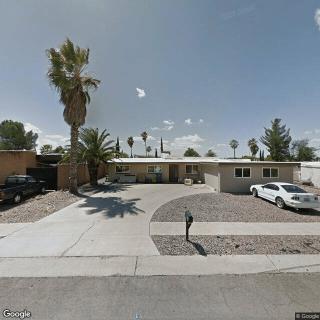





 Comprehensive Exploration of Living Wills and Other Advance Directives
 A Detailed Exploration of Living Wills and Advance Directives
 Comprehensive Guide to Medicare Coverage for Hospice Care