


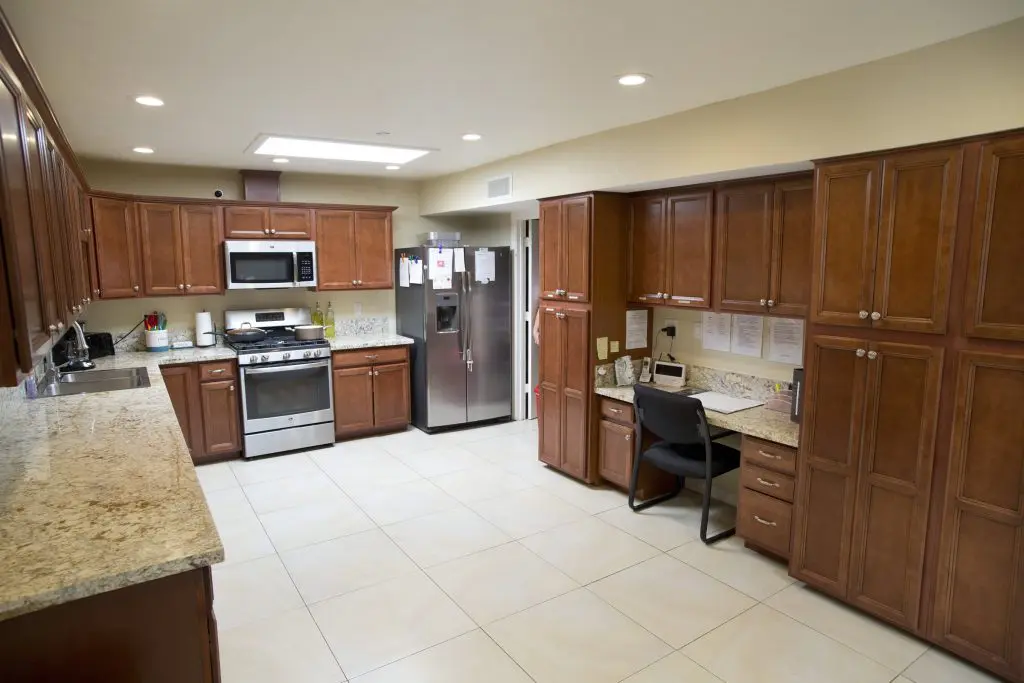
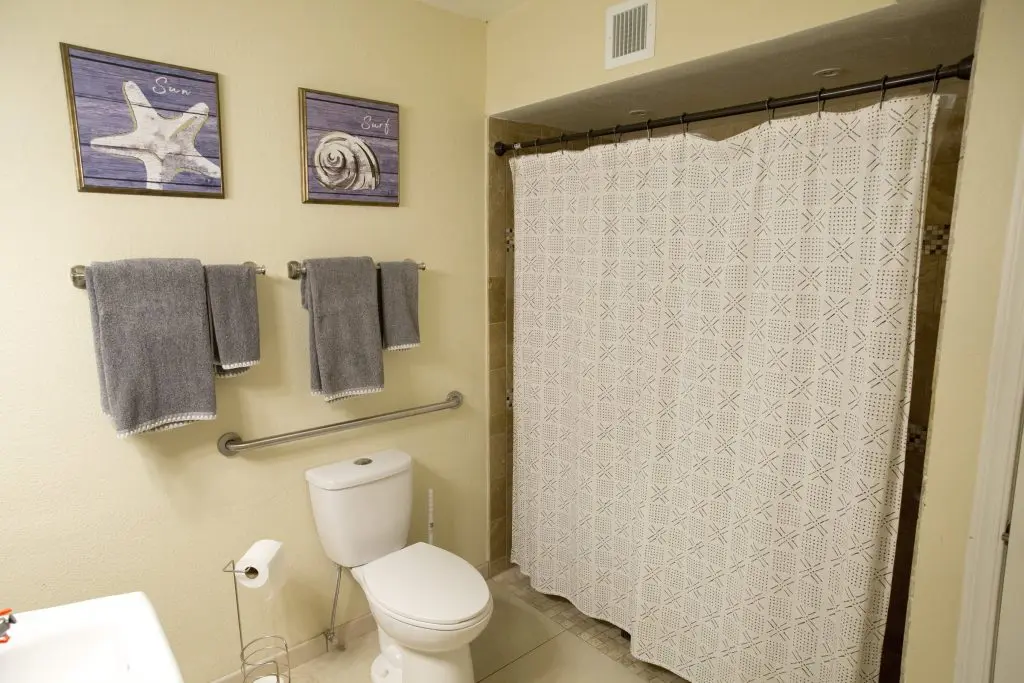
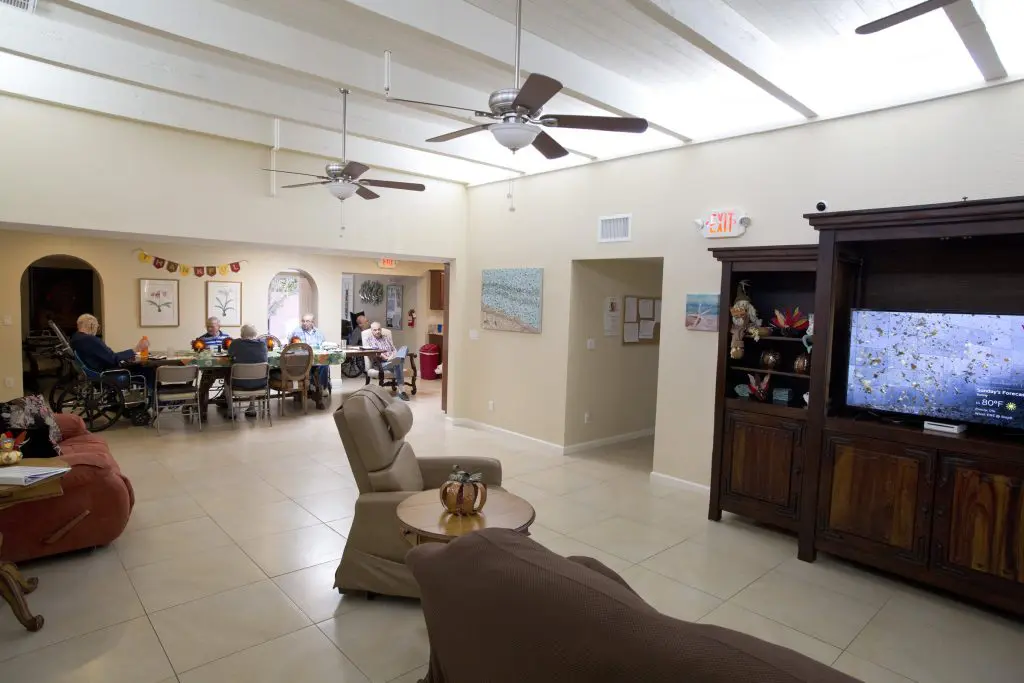
8742 East 27th Street, Tucson, AZ 85710
For more information about senior living options: (866) 208-4318
Overall Review of Starfish Care Homes
Pros
 The staff and caregivers showed love, support, compassion, and kindness through a very difficult time.
- The staff and caregivers are described as beautiful souls.
- Rolling Hills treats families like their own and loves them like their own.
- Rolling Hills is a care facility worth considering for compassionate, family-centered care.
Review
Starfish Care Homes in Tucson is best suited for families seeking a small, intimate, caregiver-driven setting where daily warmth and personal engagement define the resident experience. This community excels when care is judged by the steadiness of compassionate attention, the visibility of staff in day-to-day moments, and the sense that families are welcomed into a genuine, homelike atmosphere. For seniors who thrive on consistent, approachable staff, predictable routines, and the comfort that comes from being cared for by people who treat the resident and the family as part of the same circle, Starfish Care Homes provides a reassuring anchor. The tone in reviews centers on love, kindness, and a culture of “treating your family like theirs,” which translates into dependable support during challenging times and a feeling that no one is left to navigate a tough period alone.
That said, there are clear reasons some families will want to consider alternatives. This setting is less likely to satisfy those who require aggressive medical management, complex wound or disease-specific care, or expansive on-site rehabilitation and specialty programming. Larger campuses with a broad roster of on-site physicians, therapists, and memory-care experts often appeal to families contending with advanced health needs or highly structured care plans. For residents who demand a robust medical footprint, including frequent skilled nursing oversight, rapid access to specialists, and highly specialized memory-care modalities, another option may deliver the assurance that more intensive clinical services are readily available around the clock.
The strongest positives are vividly evident in the caregiver culture. The reviews repeatedly highlight staff and caregivers who show love, compassion, and genuine kindness. This is not a generic benevolence but a lived ethos, the kind of care where staff members know residents’ names, recognize family members, and respond with calm, steady attention in moments of distress. Such relational strength translates into tangible benefits: calmer days for residents who may be anxious, more effective communication with families who need updates, and a sense of safety built from the consistency of familiar faces who remember preferences, routines, and personal histories. In practical terms, this creates a home-like environment where dignity is preserved, and emotional wellbeing is prioritized alongside physical care.
That relational strength can offset certain trade-offs, but not all. The warmth and personalized attention serve as a powerful counterbalance to the absence of scale-driven amenities or aggressive medical hardware. Families often experience fewer impersonally clinical interactions and more holistic, day-to-day support that respects privacy, autonomy, and meaningful activity. However, this model may come with fewer on-site specialists, limited rapid access to advanced therapy, and a smaller menu of high-tech rehabilitative options. For residents whose health status is volatile or who require frequent, sophisticated medical interventions, the strength of the human connection may not fully compensate for the gaps in clinical infrastructure. In short, the pros create a deeply comforting caregiver ecosystem, while the cons point toward the practical limits of a smaller operation.
When evaluating Starfish Care Homes, practical steps can translate the positives into a well-formed decision. Prospective families should arrange a personal visit to observe interactions firsthand, paying attention to how staff engage with residents and families in routine moments, meals, activities, and transitions between activities. Engage with the care team about daily schedules, staffing patterns, and how care plans are developed and updated. Ask about memory-care options, if relevant, and how health changes are monitored and communicated. Request recent references and speak with current families about responsiveness, transparency, and the consistency of caregivers. Finally, compare costs, inclusions, and any move-in incentives against alternative communities with broader medical resources to determine whether the warmth of this setting justifies any gaps in clinical depth.
The bottom line is practical and decisive. For families prioritizing a heartfelt, family-like caregiving environment where staff treat loved ones with exceptional warmth and ongoing, attentive support, Starfish Care Homes presents a compelling, trustworthy option. The care team’s demonstrated compassion becomes a meaningful differentiator when navigating the emotional terrain of aging, illness, and caregiving duties. If, instead, the priority centers on robust medical oversight, rapid access to specialized therapies, or a large-scale campus with extensive on-site resources, it is prudent to explore alternatives that can deliver those capabilities without compromising the emotional tenor that families are seeking. A tour and frank conversations with staff will reveal whether this community aligns with the loved one’s needs, preferences, and the family’s expectations.
 10 resident community capacity
 Assisted Living
 Cable or satellite TV
 Dining room
 Fully furnished
 Garden
 Housekeeping services
 Move-in coordination
 Outdoor space
 Telephone
 Wi-Fi/high-speed internet available
 Tucson International (10 miles away)
 24-hour supervision
 Activities of daily living assistance
 Assistance with bathing
 Assistance with dressing
 Assistance with transfers
 Diabetes diet
 Meal preparation and service
 Medication management
 Special dietary restrictions
 Transportation arrangement (medical)
 Transportation to doctors appointments




 When to Transition from Assisted Living to Memory Care: Key Indicators, Steps, and Finding the Right Community
 Assisted Living and Memory Care: Understanding Their Core Differences
 Beyond the Bingo Hall: 50+ Enriching Activities for Seniors in Assisted Living