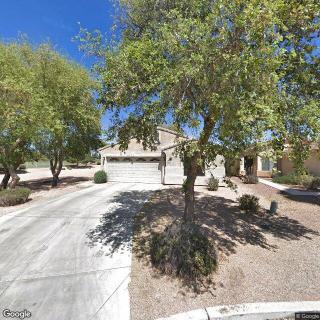
Countryside Senior Living

Save

  • Interior

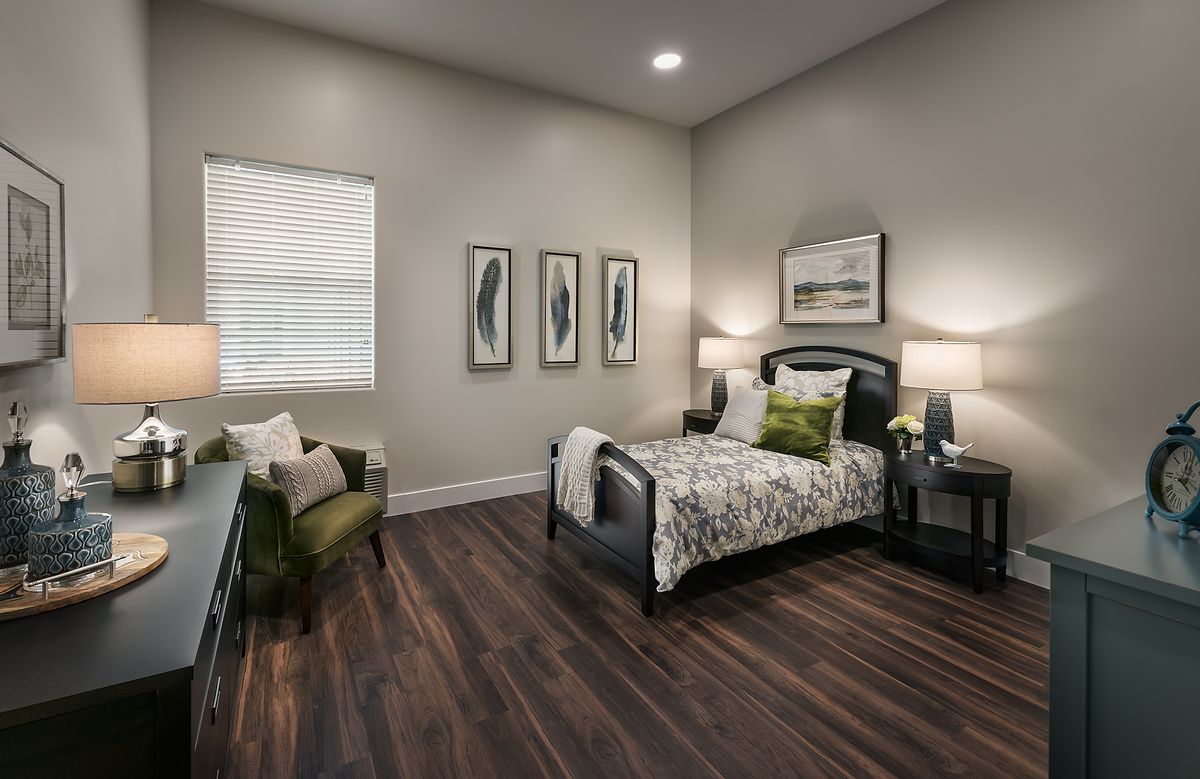
    A modern bedroom with elegant decor and wooden flooring.
  • Decor

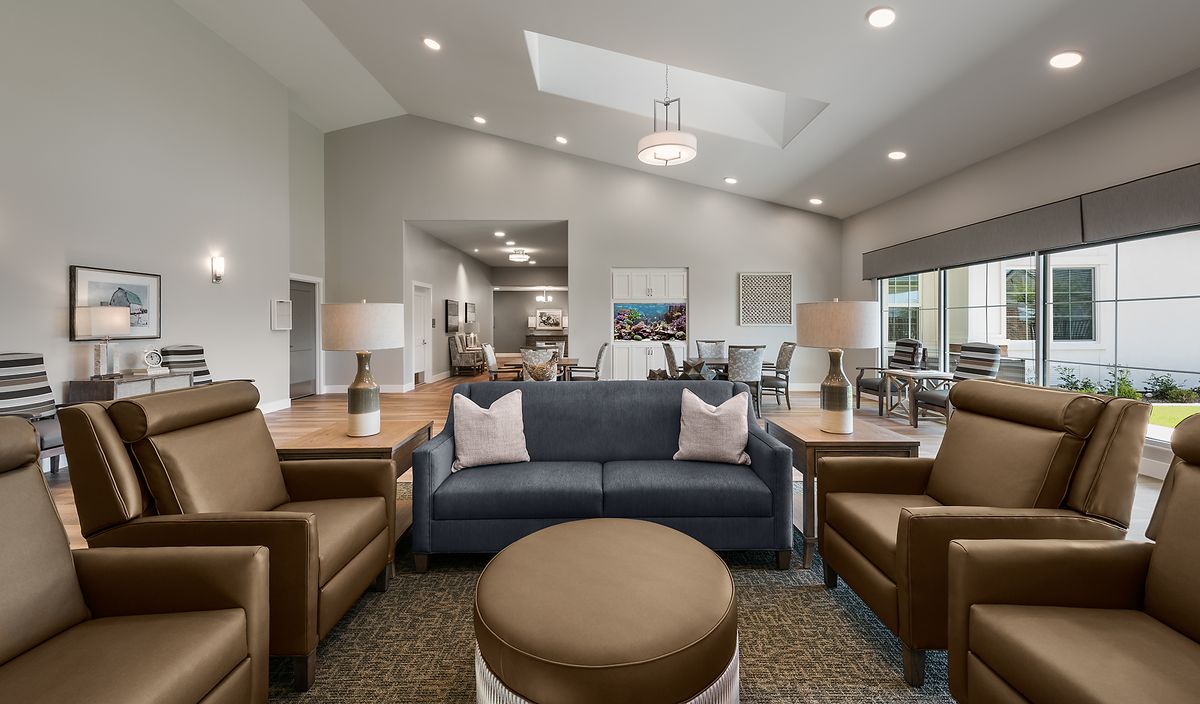
    A modern and spacious living room featuring comfortable seating with a sofa and armchairs, a central coffee table, and contemporary lighting.
  • Bedroom

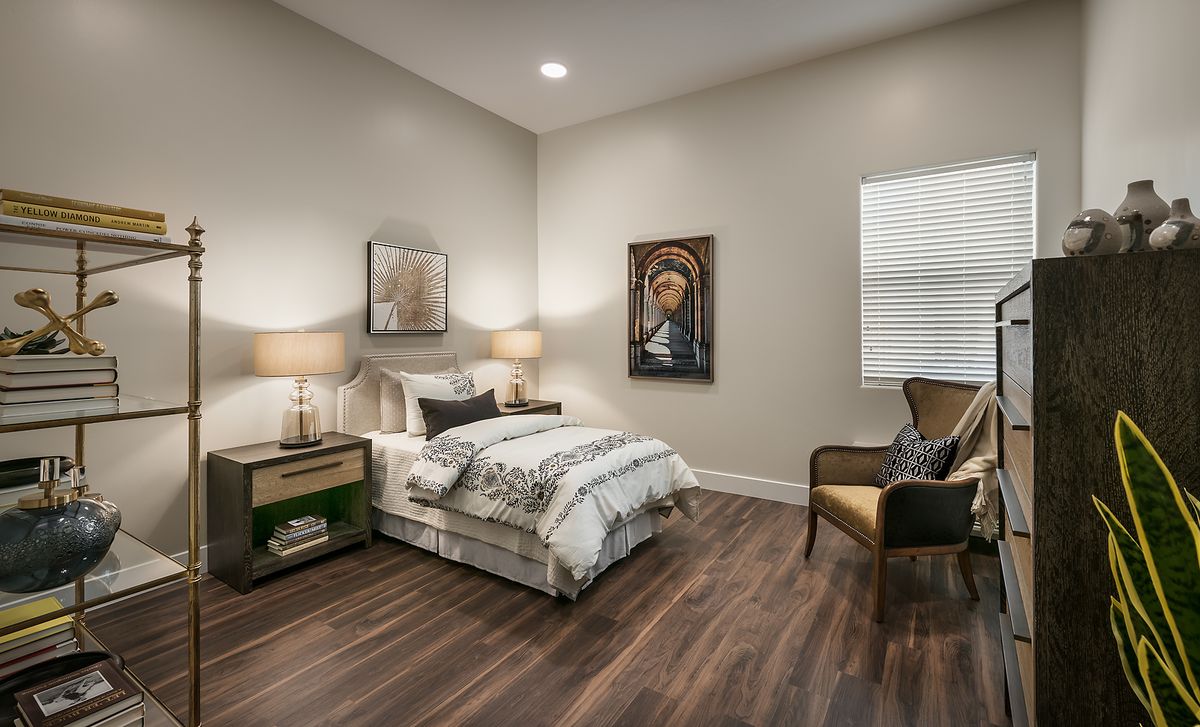
    A cozy bedroom with modern decor and wooden flooring.
  • Artwork

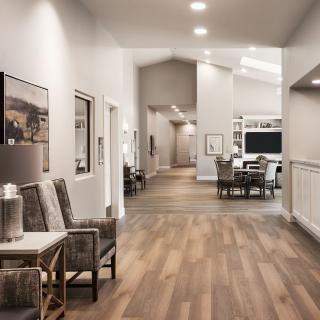
    A modern waiting area with seating and artwork on the wall.
  • Bathroom

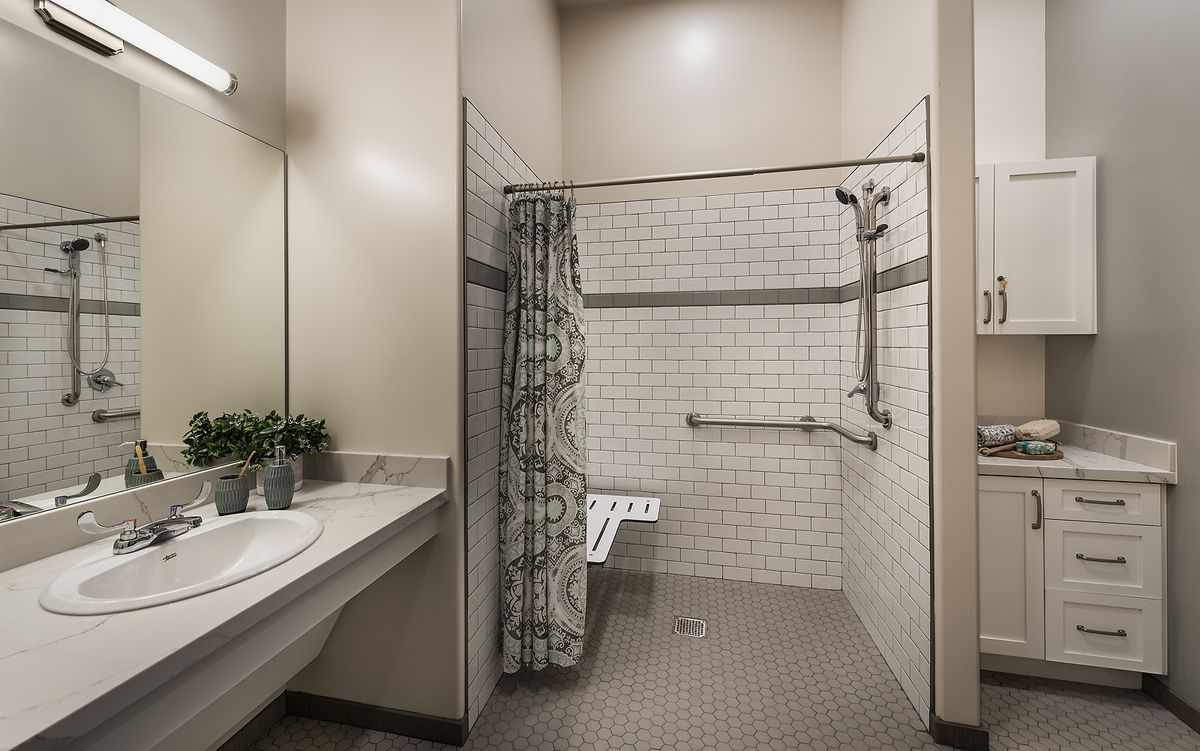
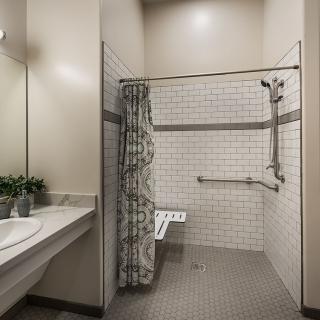
    A modern, accessible bathroom featuring a tiled shower area with grab bars and a foldable seat.
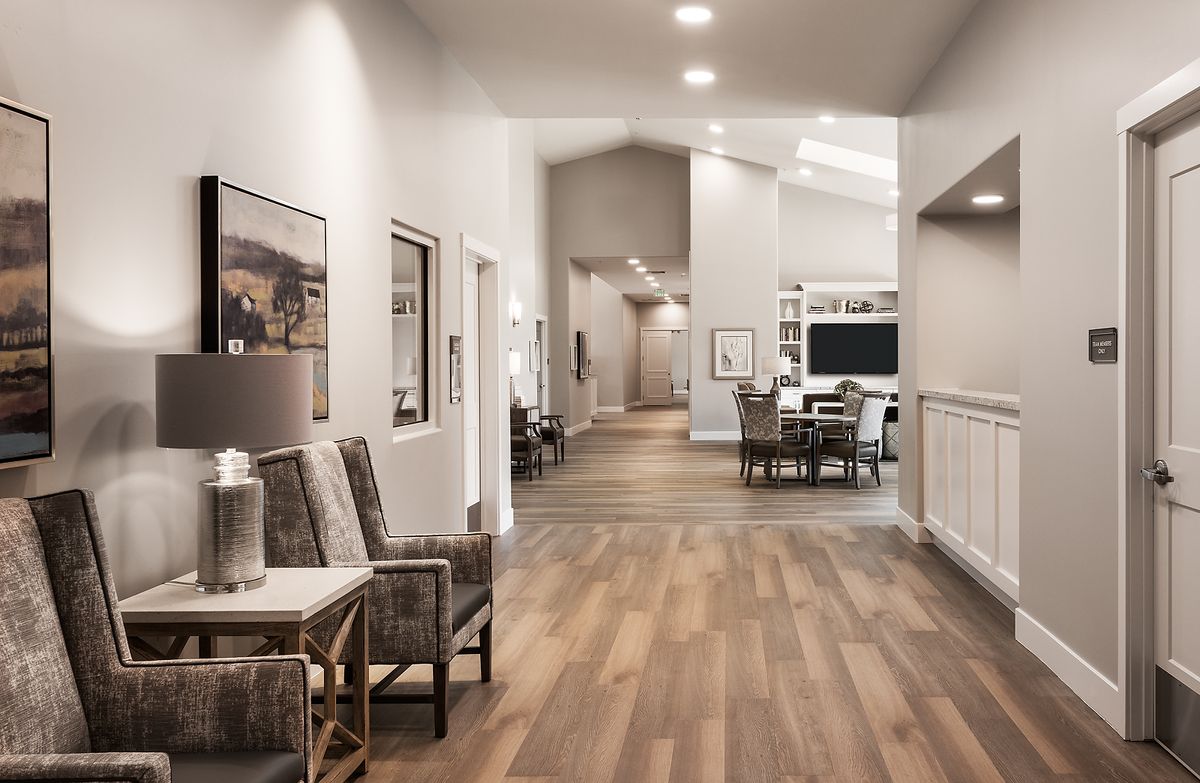
  • Hallway

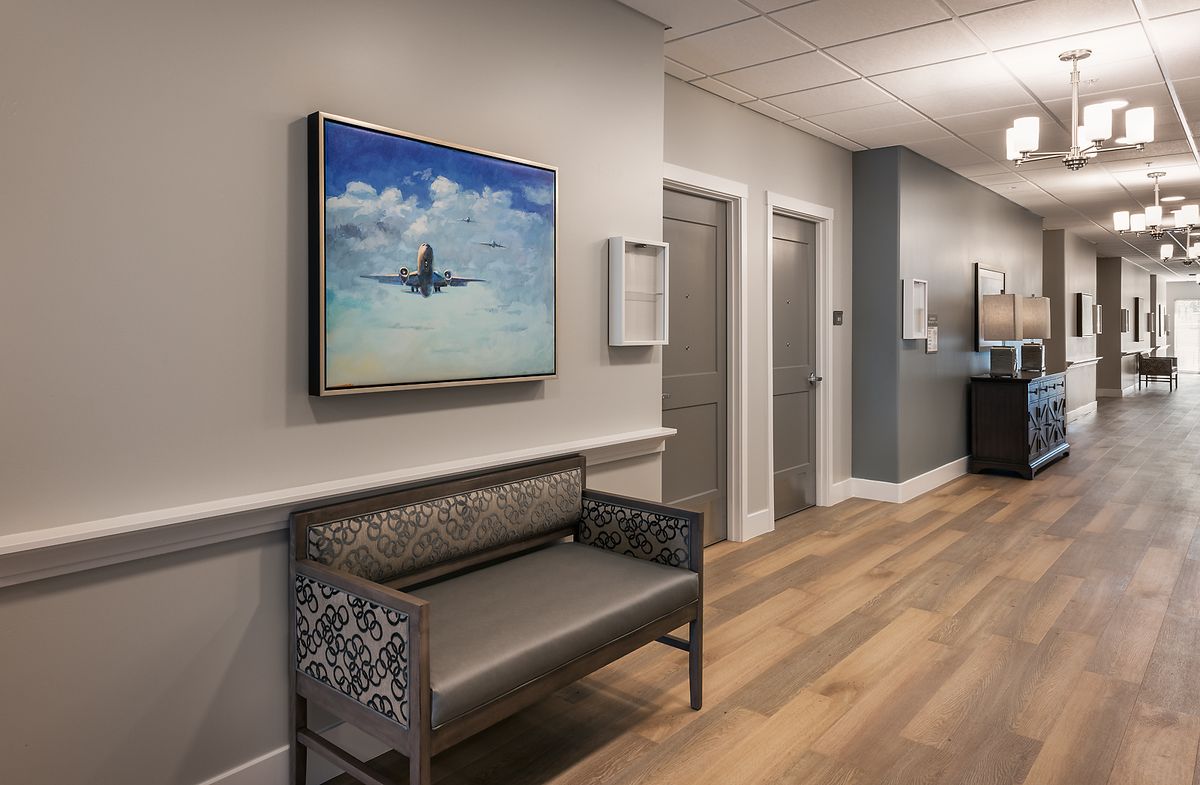
    A modern hallway with wooden flooring and stylish furniture, adorned with artwork on the walls.
  • Office

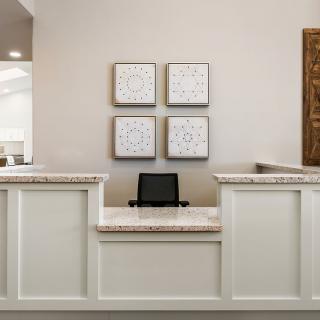
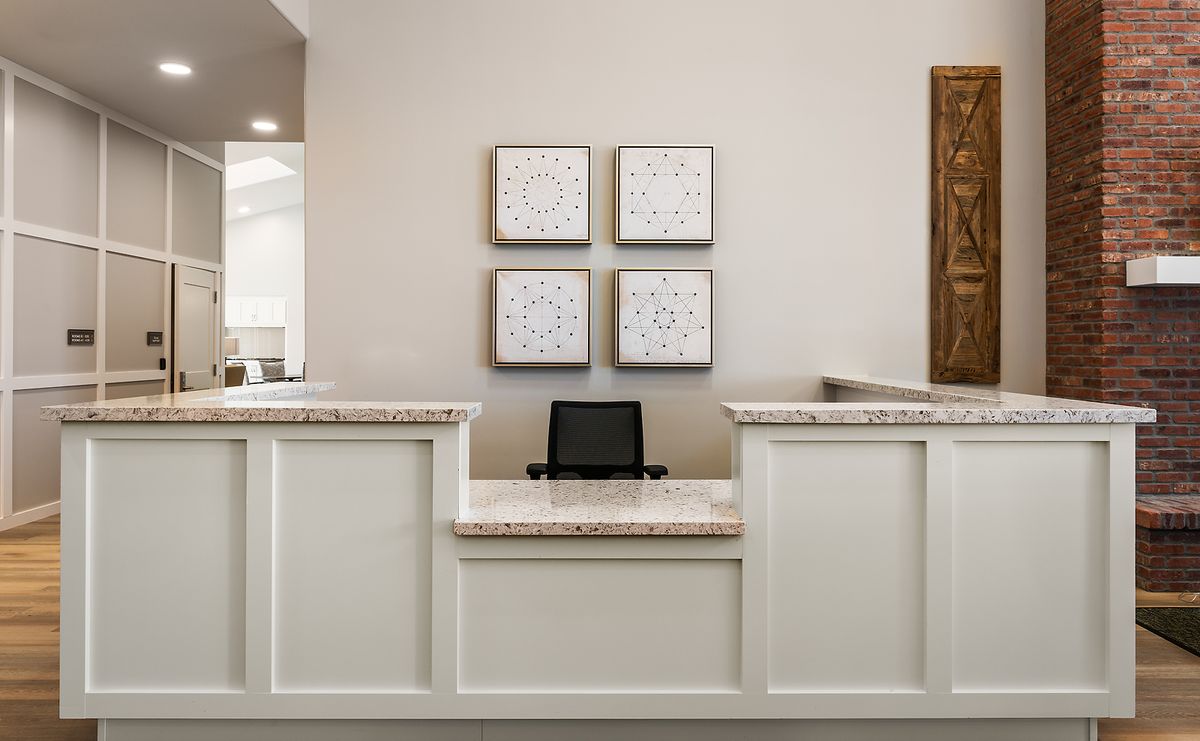
    A modern reception desk with artwork on the wall and a computer on the counter.

Countryside Senior Living

22773 East Ocotillo Road, Queen Creek, AZ 85142

For more information about senior living options: (844) 490-3973

4.8 from 49 reviews
5 stars
47
4 stars
0
3 stars
0
2 stars
0
1 stars
2

Assisted Living

What level of care are you interested in?

Assisted Living

Memory Care

Independent Living

Skilled Nursing Facility

Continuing Care Retirement Community (CCRC)CCRC

Other


Request a tour at Countryside Senior Living

    Overall Review of Countryside Senior Living

    Pros

    • pro Countryside Senior Living is described by healthcare professionals as one of the best facilities they have worked with.
    • pro The staff are genuinely caring and consistently attentive to resident needs.
    • pro The activities program is engaging and enriching, keeping residents active and happy.
    • pro The facility provides a welcoming, home-like environment with a clean, beautiful setting.
    • pro The memory care unit is the perfect size, clean, inviting, and feels like home.
    • pro The executive director and care coordinators collaborate effectively to ensure optimal patient care.
    • pro Families repeatedly report satisfaction and appreciation for the care provided to their loved ones.
    • pro The food and menus are varied and delicious.
    • pro In-house services, such as an on-site beautician, contribute to a family-friendly, supportive atmosphere.
    • pro The staff demonstrate compassion and memory-appropriate care, including meaningful end-of-life and memorial support.

    Cons

    • pro What once was a safe place for loved ones has turned into a trash can of a business.
    • pro There is no documentation for injuries to patients.
    • pro There are issues with missing or stolen items of rented hospital equipment.
    • pro They force out anyone who complains.
    • pro The turnover rate of employees has led them to look elsewhere as the quality of life has significantly slumped.

    Review

    Countryside Living stands out in a sea of senior care options as a place where genuine care and community feel palpable the moment you walk in. Across multiple visits and roles, from a hospice nurse who travels the valley to a neurologist visiting a beloved 94-year-old grandmother, the consistent impression is that this is a facility where staff members - from the executive leadership to the caregivers - are deeply involved in the well-being of every resident. The praise is not just for the cleanliness and beauty of the building, though those are frequently noted; it is for the way the team listens, observes, and responds to each person's needs with warmth, patience, and professional skill. The activities program, in particular, is described as vibrant and thoughtfully designed to keep residents engaged and their lives enriched, a factor many families cite as essential to a dignified quality of life.

    From a professional vantage point, the care at Countryside Living has been described as having a unique ingredient: true compassion. One reviewer recounted visiting their 94-year-old grandmother with dementia and being deeply impressed by the staff's kindness and the meaningful, person-centered approach to daily life. Even though memory may fade, the care team's deliberate planning and attention to the individual's happiness shone through. The memory care unit, noted for its comfortable size, cleanliness, and inviting atmosphere, felt like a home where the resident's comfort and dignity were prioritized. In short, the facility's culture appears to center around intentionality in every activity and every moment shared with residents.

    Families who call Countryside Living their loved one's home repeatedly emphasize a sense of family and welcome. Several testimonials highlight how the facility feels small and homey, with a strong sense of community support that extends beyond staff to families and visitors. The care team is praised for creating a positive, inviting environment: delicious, varied menus; regular opportunities for socializing and activity; and conveniences like an in-house beautician that contribute to residents feeling cared for in a holistic way. Parents and grandparents alike have expressed joy and gratitude for the way Countryside has become a place their family members are genuinely glad to be.

    Staff consistency and collaboration are repeatedly mentioned as standout strengths. Observant care coordinators and executive directors are singled out by name for their role in coordinating care and easing the experience for families and hospital teams alike. In one account, the executive director and the care coordinator were described as effective collaborators who know the residents well and help ensure smooth transitions and optimal patient care. The same reviewer emphasized that staff's willingness to participate in the residents' lives - answering questions, adapting plans as needs change, and maintaining open communication - makes a difficult journey considerably more manageable for families and clinicians.

    The stories from families navigating memory care within Countryside are consistently positive and hopeful. Parents and loved ones who had experienced several facilities before finding Countryside describe the memory care unit as perfectly sized - neither too large nor too impersonal - plus clean, inviting surroundings that foster a sense of home. The testimonials stress not just practical care, but the intangible feel of being valued as an individual. In several cases, families express relief and relief-fueled gratitude that their loved ones are thriving in a setting that balances safety, dignity, and personal connection.

    Individual memories from families reinforce the impression that Countryside Living is a place where residents can continue to engage with life meaningfully. A long-time caregiver notes how the facility's staff celebrate milestones, support spiritual and emotional needs, and actively facilitate social interaction. They recount the joy of seeing residents participate in activities, celebrate holidays, and even maintain relationships with people from the broader community, including school children who visit. The sentiment is that Countryside does not merely supervise life; it helps residents live it fully, with a rhythm that feels both professional and profoundly personal.

    Within these heartfelt narratives, there are also deeply moving examples of how Countryside supports families through the toughest moments. One account tells of a dad who spent his final days at Countryside, with staff's kindness and patient communication making an otherwise challenging time more bearable. The writer highlights how the director played a critical role in coordinating hospice timing and ensuring comfort, while housekeeping, groundskeeping, and the overall environment all contributed to a sense of peace and respect for a difficult journey. There are mentions of in-house amenities - such as a resident dog, on-site hair care, and seasonal d?cor - that add to the feeling of a welcoming, lives-fully-well atmosphere.

    Anecdotes of broad appreciation - topped with specific names like Kimberly, Rose, Mina, Amanda, and Juana - underscore a common thread: Countryside is seen as a place that family members are happy to visit and proud to trust with the care of loved ones. The staff's attentiveness to changes in residents' conditions, the range and frequency of activities, and the overall professional yet familial ambiance combine to create a sense of "home" as much as a "facility." Families repeatedly express that the care feels personalized and dignified, with meals, interactions, and plans tailored to each individual's preferences and history.

    Yet every story has its counterpoint, and one review presents a stark contrast. The reviewer describes a shift in quality that they view as severe and discouraging: a claimed lack of documentation for injuries, missing or stolen rented equipment, and a pattern of displacing anyone who voices concerns. The same account cites high staff turnover and a noticeable decline in quality of life, painting Countryside as a place that once felt safe and caring but has since deteriorated into something troubling for them. This perspective is important to acknowledge as part of the broader conversation about care - no facility is immune from criticism, and family experiences can diverge widely based on individual circumstances, specific staff teams, and changes over time.

    In the midst of strong praise and a serious criticism, other families recount deeply affirmative experiences that reinforce the community's overall strengths. One reviewer who has been visiting for years describes Countryside as a favorite facility to behold, with a cadre of caring staff who are consistently described as friendly and attentive. The sense across multiple accounts is that the staff genuinely treat residents as individuals - taking time to listen to their preferences, celebrating their personalities, and ensuring that the environment feels like a family home rather than a cold institution. The combination of home-like spaces, attentive caregiving, meaningful activities, and proactive family involvement creates an impression of a place that genuinely honors the people who call it home.

    Overall, Countryside Living presents a tapestry of experiences that skew positively toward compassionate, resident-centered care. The setting is repeatedly praised for its beauty, cleanliness, and intimate, home-like feel; the caregiving teams are described as dedicated, knowledgeable, and collaborative; and the activities program is valued as both engaging and life-enriching. For families seeking a memory-care environment or a community that can welcome loved ones with dignity, warmth, and attentiveness to evolving needs, Countryside has earned a broad base of heartfelt endorsements. At the same time, readers should consider the lone critical account as a reminder to evaluate any facility over time and to seek current, direct feedback from staff and fellow families to form a complete, up-to-date picture.

    Features

    Housing

    • 50 resident community capacity 50 resident community capacity

    Types of Care

    • Assisted Living Assisted LivingAssisted living facilities provide crucial support and care for seniors who may need help with daily tasks such as medication management, bathing, and meal preparation. These communities offer a safe and comfortable environment where seniors can maintain their independence while receiving the assistance they need to thrive in their golden years.

    Amenities

    • Beauty salon Beauty salonBeauty salons are important for seniors because they provide a space for them to feel pampered, socialize, and maintain their personal grooming and hygiene. Regular visits to a beauty salon can help boost seniors' self-esteem and overall well-being.
    • Cable or satellite TV Cable or satellite TVCable or satellite TV is important for seniors because it provides entertainment, news, and companionship, helping to combat loneliness and boredom. It also offers a wide range of programming options tailored to different interests and preferences.
    • Dining room Dining roomDining rooms are important for seniors as they provide a space for socialization, connection, and nutritious meals. They offer opportunities for residents to bond over shared meals, foster a sense of community, and promote healthy eating habits. Dining rooms also ensure that seniors have access to well-balanced meals tailored to their dietary needs and preferences.
    • Fully furnished Fully furnishedFully furnished senior living communities are important for seniors because they provide convenience, comfort, and a hassle-free moving experience. Seniors can easily settle into their new living space without the stress of having to buy and move furniture. This allows them to focus on enjoying their new home and community.
    • Garden GardenGardens are important for seniors as they provide a peaceful and therapeutic environment for relaxation, physical activity, and socialization. Being in nature has been shown to reduce stress, improve mood, and promote overall well-being. Gardens also offer opportunities for seniors to engage in gardening activities, which can improve mobility, flexibility, and cognitive function. Additionally, gardens create a sense of community and connection with others who share a passion for plants and outdoor spaces.
    • Housekeeping services Housekeeping servicesHousekeeping services are important for seniors because they help maintain a clean and safe living environment, promote independence, and reduce the risk of accidents or illnesses. Additionally, having assistance with household chores can alleviate physical strain and allow seniors to focus on other aspects of their well-being.
    • Kitchenette KitchenetteKitchenettes are important for seniors living in senior living communities because they provide the convenience and independence of being able to prepare simple meals and snacks in the comfort of their own living space. This can help promote a sense of autonomy and well-being for seniors, allowing them to maintain some level of control over their dietary choices and daily routines.
    • Move-in coordination Move-in coordinationMove-in coordination is important for seniors because it helps ease the transition into their new living environment. It ensures that all logistics, such as packing, organizing movers, and setting up utilities are taken care of, allowing seniors to focus on settling in and adjusting to their new home. Having a smooth move-in process can alleviate stress and anxiety, making the transition smoother and more enjoyable for seniors.
    • Outdoor space Outdoor spaceOutdoor spaces are important for seniors as they provide opportunities for physical activity, social interaction, exposure to natural light and fresh air, and a sense of connection to nature. Having access to outdoor spaces can improve overall well-being and quality of life for older adults living in senior communities.
    • Telephone TelephoneTelephones are important for seniors as they provide a lifeline for communication with loved ones, emergency services, and healthcare providers. They offer a sense of security and independence, enabling seniors to stay connected and access assistance when needed.
    • Wi-Fi/high-speed internet available Wi-Fi/high-speed internet availableWi-Fi/high-speed internet is important for seniors to stay connected with loved ones, access online resources, and participate in virtual activities to combat feelings of loneliness and isolation. It also allows them to easily manage healthcare needs, access entertainment, and engage in lifelong learning opportunities.

    Care Services

    • 24-hour call system 24-hour call system24-hour call systems are important for seniors because they provide peace of mind and immediate assistance in case of emergencies. This technology ensures that help is always available, promoting safety and security for elderly individuals living alone or in assisted living facilities.
    • 24-hour supervision 24-hour supervision24-hour supervision is important for seniors to ensure their safety, well-being, and access to immediate assistance in case of emergencies or health issues. This constant support provides peace of mind for both seniors and their loved ones, allowing them to age in place with dignity and security.
    • Activities of daily living assistance Activities of daily living assistanceActivities of daily living assistance are important for seniors because they provide essential support with tasks such as eating, bathing, dressing, and mobility. This assistance helps seniors maintain their independence, dignity, and overall quality of life as they age.
    • Assistance with bathing Assistance with bathingAssistance with bathing is crucial for seniors as it helps maintain personal hygiene, prevents infections, and ensures their overall well-being and comfort. It also provides a sense of dignity and independence for seniors who may struggle with this task on their own.
    • Assistance with dressing Assistance with dressingAssistance with dressing is important for seniors because it helps maintain their independence, promotes personal hygiene, prevents accidents and injuries, and improves overall quality of life. This service ensures that seniors can continue to dress comfortably and confidently, despite any physical limitations they may have.
    • Assistance with transfers Assistance with transfersAssistance with transfers is crucial for seniors as it helps prevent falls and injuries, maintains their independence, and ensures they can safely navigate their living environment. It also provides peace of mind for both seniors and their loved ones.
    • Coordination with health care providers Coordination with health care providersCoordination with health care providers is crucial for seniors to ensure proper medical care, medication management, and overall well-being. This collaboration helps prevent overlapping treatments, track progress more effectively, and provide comprehensive support tailored to individual needs.
    • Diabetes diet Diabetes dietA diabetes diet is crucial for seniors as it helps manage blood sugar levels, reduce risks of complications, and improve overall health and well-being. By following a balanced and nutritious diet tailored to their specific needs, seniors can better control their diabetes and enhance their quality of life.
    • Meal preparation and service Meal preparation and serviceMeal preparation and service are crucial for seniors as they may have limited mobility or energy to cook nutritious meals. Having access to healthy and convenient food options can ensure they are getting the proper nutrition needed to maintain their overall health and well-being.
    • Medication management Medication managementMedication management is crucial for seniors to ensure they are taking the right medications at the correct dosages and times. This helps prevent adverse drug interactions, reduces the risk of medication errors, and promotes overall health and well-being. Proactive management also allows for adjustments as needed based on changing health conditions or new prescriptions.
    • Mental wellness program Mental wellness programMental wellness programs are essential for seniors as they promote cognitive stimulation, emotional support, and social engagement. These programs help prevent isolation, depression, and cognitive decline, ultimately enhancing the overall quality of life for older adults.
    • Special dietary restrictions Special dietary restrictionsSpecial dietary restrictions are important for seniors because age-related changes in metabolism and health conditions can make it difficult for their bodies to process certain foods. By following a diet tailored to their specific needs, seniors can maintain their overall health and well-being, manage chronic conditions, and reduce the risk of complications such as malnutrition or food interactions with medications.
    • Transportation arrangement (medical) Transportation arrangement (medical)Transportation arrangements for medical purposes are essential for seniors as they may have difficulty driving themselves to appointments or accessing public transportation. Having reliable and safe transportation options ensures that seniors can receive timely medical care and maintain their health and well-being.
    • Transportation to doctors appointments Transportation to doctors appointmentsTransportation to doctors' appointments is crucial for seniors as it ensures they have access to necessary medical care and support for their health needs. Without reliable transportation, seniors may struggle to attend important appointments, leading to potential delays in treatment and health complications. Providing transportation services helps seniors maintain their overall well-being and quality of life.

    Dining

    • Diabetes diet Diabetes dietA diabetes diet is crucial for seniors as it helps manage blood sugar levels, reduce risks of complications, and improve overall health and well-being. By following a balanced and nutritious diet tailored to their specific needs, seniors can better control their diabetes and enhance their quality of life.
    • Special dietary restrictions Special dietary restrictionsSpecial dietary restrictions are important for seniors because age-related changes in metabolism and health conditions can make it difficult for their bodies to process certain foods. By following a diet tailored to their specific needs, seniors can maintain their overall health and well-being, manage chronic conditions, and reduce the risk of complications such as malnutrition or food interactions with medications.

    Activities

    • Community-sponsored activities Community-sponsored activitiesCommunity-sponsored activities are important for seniors as they provide opportunities for social interaction, mental stimulation, and physical activity. These activities can help improve overall well-being, combat loneliness and isolation, and promote a sense of belonging and purpose among older adults.
    • Resident-run activities Resident-run activitiesResident-run activities are important for seniors as they encourage social interaction, creativity, and a sense of autonomy. These activities empower seniors to stay engaged and active in their community while fostering meaningful connections with their peers.
    • Scheduled daily activities Scheduled daily activitiesScheduled daily activities are important for seniors because they provide structure, socialization, mental stimulation, and physical activity. Engaging in regular activities can improve overall well-being and quality of life for seniors living in a community setting.

    Description

    Countryside Senior Living in Queen Creek, AZ is a peaceful and welcoming assisted living community that offers a range of amenities to ensure the comfort and convenience of its residents. Each spacious unit is fully furnished and includes cable or satellite TV, a kitchenette, Wi-Fi/high-speed internet, and a telephone.

    The community also provides various care services to support the well-being of residents. With 24-hour supervision, assistance with activities of daily living, and coordination with healthcare providers, individuals can have peace of mind knowing that their needs are attended to. Additional services such as medication management, diabetes diet plans, meal preparation and service, and mental wellness programs are also available.

    Residents at Countryside Senior Living can enjoy delicious meals catered to their specific dietary restrictions in the dining room. For those who wish to engage in social activities, there are resident-run activities as well as scheduled daily activities planned by the staff.

    The location of this community offers convenience as well. With three cafes, seven parks, nine pharmacies, 15 physicians' offices, 18 restaurants, and transportation services nearby, residents can easily access various amenities outside the facility.

    At Countryside Senior Living in Queen Creek, AZ seniors can experience a comfortable lifestyle with personalized care while enjoying their independence and engaging in fulfilling activities.

    Nearby Places of Interest

    Restaurants

    • Culver's (1.5 miles)
    • Taco Bell (1.6 miles)
    • McDonald's (1.7 miles)
    • Jack In The Box (1.9 miles)
    • Queen Creek Olive Mill (1.9 miles)
    • Panda Express (2.1 miles)
    • Sushi Creek (2.4 miles)

    Pharmacies

    • Walgreens (1.7 miles)
    • Four Corners Compounding Pharmacy (1.8 miles)
    • Walgreens (1.9 miles)
    • CVS Pharmacy (1.9 miles)
    • Fry's Pharmacy (2.5 miles)
    • CVS Pharmacy (2.9 miles)
    • Health For Life (3.6 miles)

    Cafes

    • Starbucks (1.7 miles)
    • Bosa Donuts (2.5 miles)
    • Starbucks (4.8 miles)

    Physicians

    • J J Pediatrics (1.8 miles)
    • Arizona Digestive Health (1.8 miles)
    • East Valley Family Medical (1.8 miles)
    • Candee Eisenhart, FNP-C (1.8 miles)
    • Ironwood Cancer & Research Centers (1.8 miles)
    • Pediatrics of Queen Creek (2.4 miles)
    • Sunrise Internal Medicine (2.4 miles)

    Parks

    • Pecan Creek Park (2.5 miles)
    • Mansel Carter Oasis Park (3.9 miles)
    • Bridge Park In Castlegate Community (4.2 miles)
    • Skyline Ranch Park (4.3 miles)
    • San Tan Heights Park (4.8 miles)
    • Skyline Ranch Park (4.9 miles)
    • Cortina Neighborhood Park North (5 miles)

    Theaters

    • Queen Creek 14 (3 miles)
    • Fat Cats Queen Creek (3.3 miles)

    Transportation

    • U-Haul Moving & Storage (3.9 miles)
    • Phoenix-Mesa Gateway Airport (AZA) (6 miles)
    • General Aviation Center (6.5 miles)

    Places of Worship

    • Living Hope Community Care Centers (8.2 miles)

    Frequently Asked Questions

    Where is Countryside Senior Living?
    What photos are available for Countryside Senior Living in Queen Creek, Arizona?

    Nearby Communities

    Related Resources

    • does medicaid pay for assisted livingHow and When Medicaid May Cover Assisted Living Costs

      Medicaid coverage for assisted living varies by state and is primarily available to low-income individuals, with eligibility dependent on strict income and asset limits. Some states offer HCBS waivers for specific services in assisted living, but families must generally cover room and board costs, and should verify facility acceptance of Medicaid while considering potential waiting lists.

    • assisted living waiver programA Detailed Exploration of Assisted Living Medicaid Waivers Across the United States

      Medicaid waivers for assisted living services provide vital support for seniors and individuals with disabilities in need of long-term care, with varying state-specific eligibility criteria and benefits. These waivers cover personal care and case management but often do not fully cover room and board, leading to waiting lists for many applicants.

    • assisted living for disabled adultsComprehensive Residential Support and Assisted Living Solutions for Individuals with Disabilities
      The article examines the complexities of assisted living for individuals with disabilities, emphasizing the need for tailored care solutions that enhance quality of life and social inclusion, while addressing financial challenges and advocating for community integration. It discusses various housing options, the importance of financial assistance through public benefits, and highlights trends towards integrated and technology-driven solutions in disability-focused housing.


    Get Pricing Ask A Question Schedule A Tour Contact Senior Advisor