
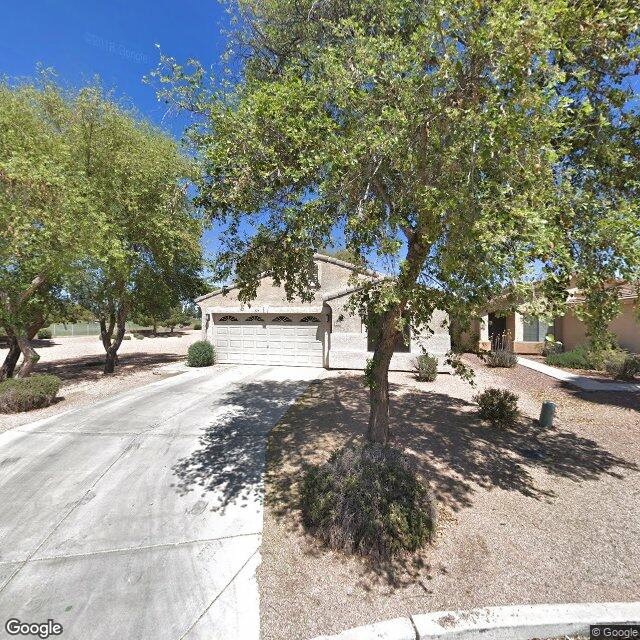
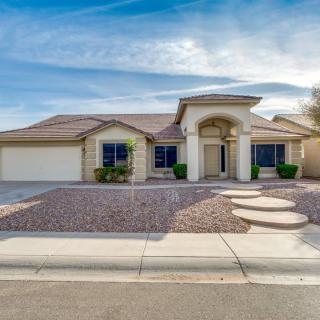
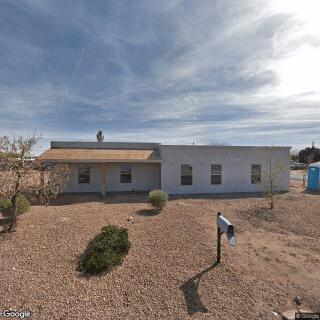
806 E Geona Street, Queen Creek, AZ 85242
To contact a resident: (480) 775-4149
For more information about senior living options: (866) 208-4318
Eternal Life Care Home Costs & Pricing
At Eternal Life Care Home, the monthly cost for a semi-private room is $2,000, which is notably lower than the average rates observed across Arizona. In comparison, the typical cost for similar accommodations in the state hovers around $2,277, reaching as high as $2,820 in some areas. This competitive pricing not only highlights Eternal Life Care Home's commitment to affordability but also makes it an attractive option for families seeking quality care without straining their budgets. Such pricing reflects a dedication to providing accessible living solutions that prioritize both comfort and financial feasibility for residents.
| Floor plans | Eternal Life Care Home | Arizona | |
|---|---|---|---|
| Semi-Private | $2,000 | $2,277 | $2,820 |
Senior living communities with a similar price nearby
-
from -$139 / mo

Endeavor Senior In-Home - Mesa
$1,861 / month17.1 miles away -
About the same
Santo Nino Villas 2
$2,000 to $2,300 / month14.4 miles away -
About the same
Martha Bonilla Care Loving Home
$2,000 to $2,200 / month18.9 miles away -
About the same
Angel's Adult Group Home
$2,000 to $3,000 / month24.9 miles away -
About the same
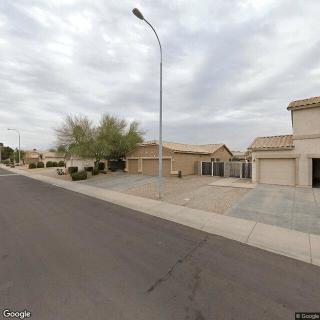
Divine Mercy Assisted Living Home
$2,005 to $3,110 / month15.3 miles away
Overall Review of Eternal Life Care Home
Pros
 The owner was very nice.
- The place was impeccably clean.
- The patients were well taken care of.
- They plan to send their mother there soon.
- They feel comfortable doing so.
Review
Eternal Life Care Home in Queen Creek functions best as a small, home-style option for seniors who want intimate, hands-on oversight. The operator-driven model, direct access to the owner, a tight caregiving team, and a relentless emphasis on cleanliness, creates a setting where daily care feels personal and controllable. This is ideal for residents who prefer predictable routines over the bustle of a large campus, and for families seeking reassurance that care is performed with warmth and attention. It fits seniors with moderate assistance needs, help with activities of daily living, reminders for medications, meals, and supervision, without requiring 24/7 hospital-grade medical staffing. Those who value a family-like atmosphere will find it particularly appealing.
Who may want to consider alternatives: For residents needing continuous medical monitoring, complex wound care, or robust on-site nursing, a larger facility with dedicated medical staff is a safer bet. If a vivid activity calendar, memory-care programming for challenging behaviors, or on-site therapy services are priorities, this home may under-deliver. Price stability and transparent billing can also push families toward other options, especially when care needs change over time. And if a broader social scene, multi-story buildings, or specialized dementia environments are non-negotiable, exploring alternatives will pay off.
Key pros that matter: The strongest positives come from the operator’s demeanor and the facility’s upkeep. Descriptions of a nice owner, coupled with “implacably clean” surroundings, translate into trust and a sense of security. Residents appear well cared for, and families report feeling comfortable making a move. In a small home, staff contact with each resident is frequent, enabling tailored routines, familiar faces, and quick communication of needs. The home-like layout reduces confusion that can accompany impersonal institutions, while the direct line to the caregiver team supports responsive adjustments. In short, the combination of cleanliness and attentiveness yields a high-quality daily life for many seniors.
Key cons and potential gaps: The overall rating rests on only a handful of experiences, including a 1-star review, which signals that not every family will share the same satisfaction. In smaller operations, staffing can be uneven, and off-shift periods may affect responsiveness or the range of services. Medical oversight may be lighter than at larger campuses, requiring families to confirm how medications are managed, who handles orders, and how emergencies are escalated. Programs and enrichment activities can be more limited, so residents seeking a full calendar of outings, therapy, or memory-care activities should factor that in. Prospective movers should map care plans precisely to ensure alignment with the loved one’s needs and expectations.
How the positives offset the limitations: The clean, home-like environment paired with direct access to an attentive owner fosters predictable, low-stress daily life. That oversight often translates into quicker adjustments to routines, faster problem resolution, and stronger accountability than bigger facilities can offer. When care needs are straightforward, a small team can maintain cohesive communication with family members and keep care plans on track. For many seniors, the trade of fewer programs for more intimate attention yields higher quality of life, especially when safety, dignity, and consistency matter more than an expansive activity slate.
Practical steps for families evaluating Eternal Life Care Home: Tour in person with a focus on daily routines, safety features, medication management, and dining. Meet staff across shifts, verify licensing, and request references from current residents or families. Clarify what happens when a caregiver is off-duty and how emergencies are handled, including transport. Discuss meal planning, dietary needs, and typical daily schedules to gauge fit. Get a transparent cost outline with any add-ons, and consider a trial period if possible. When the care philosophy aligns with the resident’s preferences and needs, Eternal Life Care Home offers a compelling small-community option in Queen Creek.
 Board and Care Home
 Private bathrooms
 Diabetic care
 High acuity care
 Christian services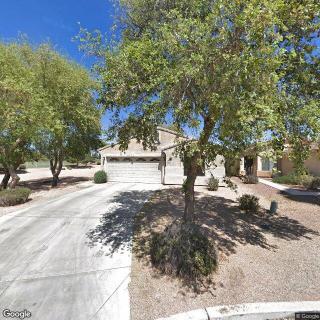




 Home Health Care Aides: Understanding Their Role and Supporting Your Family
 Urinary Tract Infections in Older Adults: Comprehensive Insights on Symptoms, Treatment, and Prevention
 California's Form 602A: An In-Depth Examination of Senior Care Assessment