
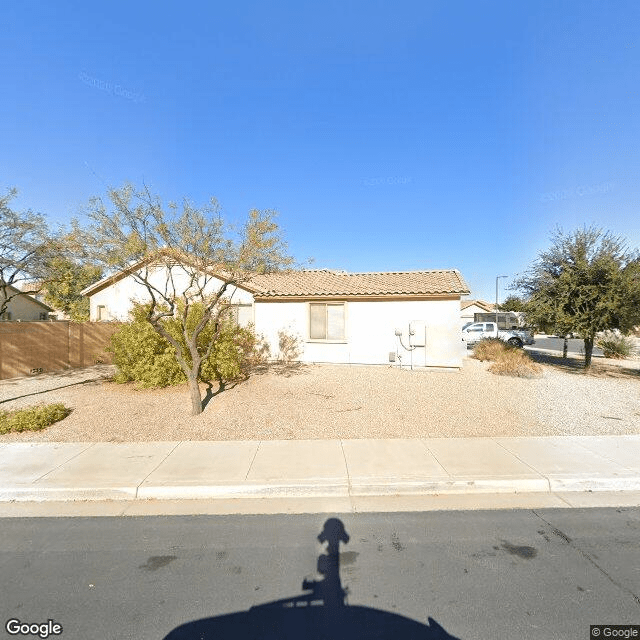
19446 E Thornton, Queen Creek, AZ 85242
To contact a resident: (480) 656-3325
For more information about senior living options: (866) 208-4318
A Promise to Care II Costs & Pricing
A Promise to Care II offers competitive pricing for its services compared to both county and state averages in Arizona. For a semi-private room, the monthly cost is set at $2,000, which is notably lower than the county average of $2,277 and significantly below the state average of $2,820. In terms of private accommodations, A Promise to Care II charges $2,500 per month; this remains substantially more affordable than the county's average of $3,035 and the state's average of $3,345. These pricing structures reflect A Promise to Care II's commitment to providing high-quality care while ensuring accessibility for families seeking options within the region.
| Floor plans | A Promise to Care II | Arizona | |
|---|---|---|---|
| Semi-Private | $2,000 | $2,277 | $2,820 |
| Private | $2,500 | $3,035 | $3,345 |
Senior living communities with a similar price nearby
-
About the same

Home Instead - Fountain Hills, AZ
$1,945 to $3,525 / month24.1 miles away -
from -$139 / mo
Endeavor Senior In-Home - Mesa
$1,861 / month11.8 miles away -
About the same
Garcia's Assisted Living Home LLC
$2,000 / month22.9 miles away -
About the same
Santo Nino Villas 2
$2,000 to $2,300 / month8.1 miles away -
About the same
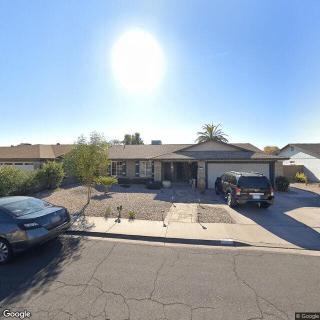
Martha Bonilla Care Loving Home
$2,000 to $2,200 / month12.9 miles away
Overall Review of A Promise to Care II
Pros
 They enjoy this location a lot.
- They do a great job of taking care of their guests, ensuring they receive all the attention and caring they need.
- It is a local QC family-owned business.
Review
A Promise to Care II in Queen Creek is best suited for families seeking a tightly run, locally anchored care option where residents aren’t lost in a large corporate system. The two reviews describe a setting that feels personal and attentive, anchored by a local, family-owned operation. This is the kind of community where caregivers are likely to know residents by name, where staff turnover is portrayed as low, and where decisions can be made with a sense of accountability that reflects a smaller, community-oriented business. For families who want to see their loved one treated with warmth, patience, and a steady, hands-on approach, this community checks those boxes.
However, those weighing alternatives should note that the data is slim. The absence of a broader sample means the experience may not capture variations across shifts, weekends, or different care levels. Prospective residents who want a larger continuum of care on one campus, for example, quick access to skilled nursing, memory care, or more structured programming, may find other communities with more expansive offerings. Additionally, families seeking detailed, externally verifiable metrics, staffing ratios, dining quality, activity participation rates, or transparent pricing, will likely need to compare with other options to feel confident. In short, alignment beyond personal warmth and attentiveness may require looking elsewhere.
On the strength side, the clearest takeaways from the reviews are the noticeable care and the sense that residents receive substantial attention. The phrase “great job of taking care of their guests while making sure they get all the attention and caring they need” points to a culture where individual needs are prioritized rather than outsourced to generic routines. The reference to a “local family-owned business” further suggests a management style that favors direct oversight, potential flexibility in routines, and a community feel that often translates into more predictable daily rhythms and faster responsiveness to concerns. In practical terms, families can interpret these cues as fewer run-arounds when seeking updates or modifications to care plans.
Yet the limited evidence invites caution. No critical feedback appears in the available accounts, and the small sample raises questions about whether experiences vary across staff shifts or changes in care needs. Important operational dimensions, such as medical oversight, medication management, memory care specialty, nurse availability, or emergency responsiveness, are not described. Amenities, dining quality, transportation, and schedule variety remain unclear. For families, this means the decision should hinge heavily on personal interactions during a visit and on conversations with direct caregivers, because broad assurances across a wide range of services aren’t documented here.
The upside of a family-owned, attentively run operation is that high-touch care often translates into fewer miscommunications and quicker course corrections. When leadership is accessible and decisions are not filtered through a distant corporate layer, family members may experience more clarity about care plans and more confidence that staff understand resident preferences. The strong pro of personalized attention can help offset the absence of published metrics, especially for seniors whose stability depends on routine and familiar caregivers. In practice, that means families trading breadth of services for depth of care in a locally governed setting.
In the end, A Promise to Care II offers a compelling choice for those prioritizing warmth, personal attention, and a locally managed ethos. It fits best for families who want a homelike, accountable environment where care feels tailored and staff are readily available. Those needing a broad continuum of care on one campus or seeking exhaustive external data should compare alternatives before committing. Visits should focus on meeting the caregiving team, observing caregiver-resident interactions, and probing staffing patterns and response times. Ask about memory care capabilities, care plan customization, and how admissions decisions are made. If these fit, the Queen Creek option stands out as a practical, grounded choice worth pursuing.
 Board and Care Home
 Activities off-site
 Indoor common areas
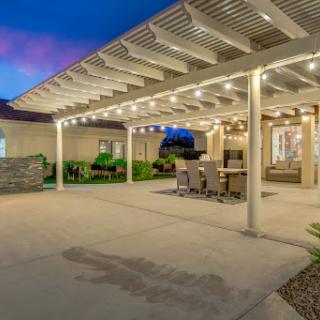
 Outdoor common areas
 Private
 Respite or short term stays offered
 Wheelchair accessible showers
 Phoenix Sky Harbor International (23 miles away)
 Ambulatory care
 Diabetic care
 High acuity care
 Incontinence care
 Meals provided


 Top Cars for Senior Drivers and Essential Safety Innovations
 A Closer Look at Private Pay Home Care
 Comprehensive Approaches for Arthritis: A Detailed Guide to Symptoms, Causes, and Care