
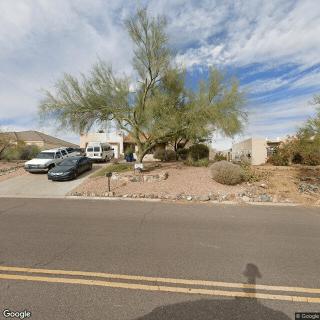
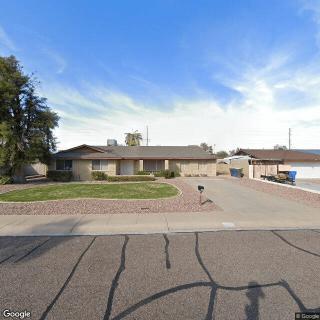
2901 East North Lane, Phoenix, AZ 85028
For more information about senior living options: (866) 208-4318
Sr Home Care Facility Costs & Pricing
When considering a senior home care facility, it's important to note that the cost for a private room in Maricopa County averages around $4,700 per month. This figure is notably higher than the county average of $3,318 and the state average of $3,345. These costs reflect not only the premium services often offered in specialized facilities but also provide insight into the local market for senior care. Families seeking care options should weigh these expenses against the level of personalized attention and amenities provided, ensuring that their loved ones receive quality support tailored to their needs.
| Floor plans | Sr Home Care Facility | Maricopa County | Arizona |
|---|---|---|---|
| Private | $4,700 | $3,318 | $3,345 |
Assisted Living communities with a similar price nearby
-
from +$300 / mo
American Dream Home
$5,000 / month3.6 miles away -
from -$860 / mo

Elite Senior Living
$3,840 to $4,992 / month11.3 miles away -
from -$700 / mo
Sunrise Assisted Living Facility
$4,000 to $5,000 / month17.8 miles away -
from -$700 / mo
Desert Joy Assisted Living
$4,000 / month17.5 miles away -
from -$700 / mo
Quail Manor Assisted Living
$4,000 to $4,900 / month10.7 miles away
Overall Review of Sr Home Care Facility
Pros
 Houston Creek Assisted Living is a loving, caring home.
- The owner, Karen Malucci, truly cares for her residents and is always available for updates and answers to questions.
- With hands-on expertise and a loving heart, Karen provides not only excellent medical care but care for the residents' soul and well-being.
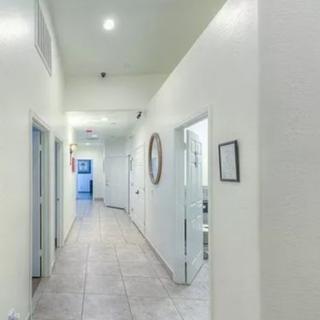
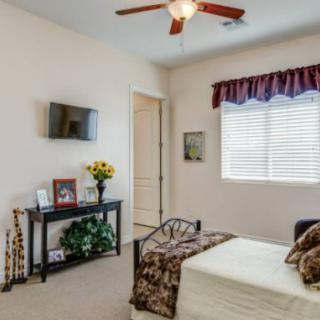
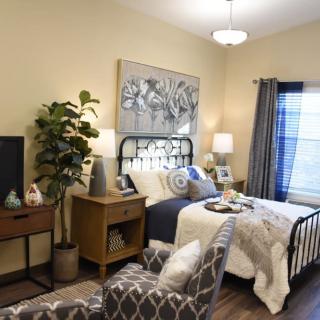
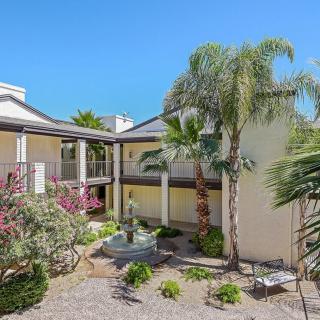
- The home is kept clean and is well decorated to create a down-home family atmosphere.
- The residents are happy, well-cared for and most of all, loved.
- 24-hour round the clock care is provided by Karen, her husband, and her excellent caring staff.
- They are caring and try to arrange activities for the interests of each resident.
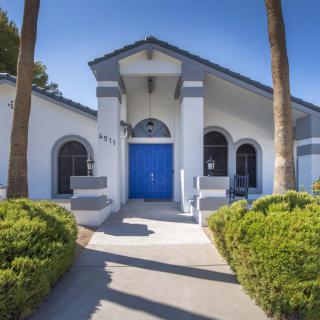
- Shea Residential Care Home is clean and beautiful.
Cons
 They observed there were no activities for the residents.
- They noted that most of the residents spend much of their time in their rooms watching TV.
Review
This community is best suited for families seeking an intimate, hands-on, home-like assisted living experience where the owner is visibly involved and available for updates. It fits residents who thrive in a small, family-style setting and whose needs can be met by around-the-clock attention from a dedicated team. The reviews spotlight a warm, clean, down-home atmosphere where residents are described as happy, well-cared-for, and genuinely loved. For families facing end-of-life care or respite scenarios, this model provides the reassuring presence of a caretaker who prioritizes medical oversight alongside emotional and social well-being, all within a setting that feels like a well-kept home rather than a clinical facility.
Those weighing alternatives may want to consider options with more formal programming or larger staff structures. One review notes a nurse-run environment in a clean, attractive setting, which can be appealing to families seeking stronger nursing credentials on-site and more predictable activity schedules. Another perspective points to limited visible activities and residents spending significant time in their rooms, suggesting that for residents who crave robust daily programming, social outings, or a broader menu of on-site engagement, a bigger community with an activity director may be a better fit. In short, those who prize consistent programming and a wider social calendar may want to explore other options.
The strongest pros consistently cited, uncompromising personal attention, 24-hour care, and a heart-driven staff, do a credible job of offsetting several common concerns. The owner-led model means updates come quickly, questions receive direct answers, and care plans can be adapted with a level of responsiveness that larger campuses often struggle to deliver. A home-like environment, careful cleanliness, and décor that fosters comfort contribute to a sense of belonging and safety that is hard to replicate in larger facilities. For families prioritizing peace of mind and a caregiver who treats residents with genuine warmth, these advantages carry substantial value.
However, the potential downsides deserve clear consideration. The same intimate setting can translate into a more limited array of activities and social opportunities, especially for residents who are young at heart or highly socially engaged. If daily programming, group outings, or structured fitness and recreation options are important, these homes may fall short compared with larger campuses that dedicate full-time activity staff. Additionally, while the proximity of a hands-on owner is a strength, it is prudent to confirm everyday staffing patterns, nurse availability, and how medical needs are addressed during off-hours, to ensure expectations align with reality.
End-of-life care and respite sit as strong-use cases for this community. Families that want to see consistent, compassionate presence, someone who is experienced in addressing not just physical needs but emotional and spiritual comfort, will often find this setting compelling. The personal touch can translate into meaningful routines, familiar faces, and a sense of continuity that many seniors value as they navigate advanced aging or brief recovery periods. Prospective residents should, however, validate how care plans are developed and adjusted over time, and whether the staff can sustain the level of attention required as needs evolve.
To make a well-informed decision, visit with a clear checklist: observe meal times and dining options, review a sample activity calendar, and talk through a typical day with the care team. Ask about staff-to-resident ratios, on-site nursing credentials, and the process for updating families on changes in condition or care goals. Request a few days’ worth of meals and interactions to gauge how residents spend their time, and probe how the home accommodates individual interests and mobility needs. With these steps, the decision will hinge on whether the value of intimate, responsive care outweighs the appeal of broader programming and larger social networks.
 10 resident community capacity
 Assisted Living
 Board and Care Home
 Cable or satellite TV
 Dining room
 Fully furnished
 Garden
 Housekeeping services
 Move-in coordination
 Outdoor space
 Telephone
 Wi-Fi/high-speed internet available
 Phoenix Sky Harbor International (10 miles away)
 24-hour supervision
 Activities of daily living assistance
 Assistance with bathing
 Assistance with dressing
 Assistance with transfers
 Diabetes diet
 Meal preparation and service
 Medication management
 Special dietary restrictions
 Transportation arrangement (medical)
 Transportation to doctors appointments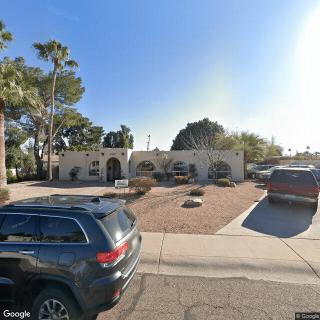


 How and When Medicaid May Cover Assisted Living Costs
 A Detailed Exploration of Assisted Living Medicaid Waivers Across the United States
 Comprehensive Residential Support and Assisted Living Solutions for Individuals with Disabilities