
4545 E. Shea Blvd, #260 (MAILING)PO Box 54727, Pho, Phoenix, AZ 85028
To contact a resident: (602) 953-2872
For more information about senior living options: (866) 208-4318
Overall Review of Homewatch CareGivers
Pros
 They started with Homewatch several months ago and are absolutely delighted with the service.
- The husband felt at ease and ready to have someone come to help.
- They now adore their wonderful caregiver, who is bright, cheerful, empathetic, and anticipates his needs.
- They highly recommend Homewatch Caregivers and consider them true lifesavers.
- The wife received compassionate, honest, punctual, and loving care every day.
- Management and staff provided excellent, top-notch service.
- The caregiver sent was a gem—very knowledgeable and helpful.
- They now receive the same caregiver consistently, who is reliable and on time.
Cons
 One reviewer found the home care services disappointing after a surgical procedure.
- One reviewer felt there was no room for flexibility in arranging care.
- The reviewer noted the first caregiver arrived nearly 30 minutes late and the second caregiver arrived an hour late at the hospital.
- The reviewer described the communication between staff and scheduling as poor at best.
- Some reviewers observed caregiver performance was inconsistent—some caregivers went above and beyond, while others only did what they were told.
Review
Homewatch CareGivers in Phoenix is best suited for families who want a reliable in-home care option that enables a loved one to stay at home with help for daily tasks, companionship, and non-medical support. It works well for seniors who prize privacy and independence but need assistance with activities of daily living, transportation, and social engagement. The model shines for those seeking a personalized, caregiver-centric approach, where a familiar routine and a compatible aide can make everyday life safer and more enjoyable. It is a strong fit for end-of-life comfort at home as well, where compassionate, capable caregivers can provide steady, supportive presence without forcing a move to a facility. For households prioritizing continuity and a human touch, Homewatch offers a practical, non-institutional path.
Those weighing alternatives should note that this service targets in-home support rather than 24/7 medical oversight or memory-care programming. Families needing constant clinical supervision, highly structured dementia care, or secured, facility-based environments may want to consider a traditional assisted living community or a specialized memory-care setting. If predictability around scheduling is non-negotiable, or if the need is for uniform staff-to-resident ratios with on-site clinical teams, institutional options may outperform in-home care. In short, for complex medical needs or highly regimented environments, alternatives may deliver more certainty, even if they sacrifice the home-based intimacy.
The strongest positives center on caregiver quality and personal fit. Reviews consistently praise aides who are warm, capable, and attuned to a loved one’s unspoken needs, with staff noted for empathy, cheerfulness, and proactive support. Families repeatedly highlight the value of a thoughtful caregiver-matching process and the benefit of keeping the same aide on assignment, which builds trust and continuity. Management emerges as professional, responsive, and flexible, with a clear willingness to tailor scheduling to the family’s rhythms. When the relationship clicks, daily life becomes smoother, and the anxiety of in-home care diminishes substantially.
Yet, the service is not without drawbacks. A notable negative experience points to late arrivals and scheduling communication gaps, underscoring that operational discipline can lag at times. There is also a recurring caution about variability in caregiver performance, some days bring caregivers who go above and beyond, while others stay strictly within task boundaries. That inconsistency matters for households relying on steady, proactive care, especially when time-sensitivity or complex routines are involved. For families seeking an ironclad, always-on solution, these gaps could be decisive.
The positives offset the negatives where the model excels: a strong emphasis on fit, continuity, and personal rapport reduces stress and fosters dependable routines. The option to meet potential caregivers before starting, plus the ability to lock in a preferred, consistent caregiver, makes aging-at-home viable and reassuring. The professional framework, clear intake processes, credentialed staff, and responsive management, adds a layer of confidence that a family can lean on, even when a shift doesn’t go perfectly. Overall, Homewatch tends to deliver steady, compassionate care that keeps a loved one comfortable and engaged in a familiar setting.
Bottom line: Homewatch CareGivers offers a practical, trustworthy path for Phoenix families prioritizing aging in place with personalized support. It excels when independence, companionship, and adaptable scheduling matter most, and when a trusted caregiver relationship can be built and maintained over time. It may not be the best fit for those needing constant nursing oversight or highly structured, dementia-specific environments, where alternatives should be explored. For many households, the balance of strong caregiver quality, flexible arrangements, and professional management makes this provider a compelling option, provided upfront expectations are clear and the plan emphasizes consistent caregiver assignments.
 Cats allowed
 Dogs allowed
 Phoenix Sky Harbor International (10 miles away)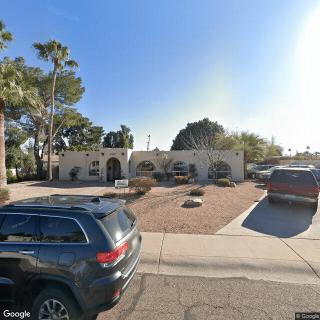








 Understanding the Nuances of Palliative Care and Hospice: A Comprehensive Exploration
 Fecal Incontinence in Older Adults: A Comprehensive Guide
 Recognizing the Journey: Understanding and Navigating Anticipatory Grief