
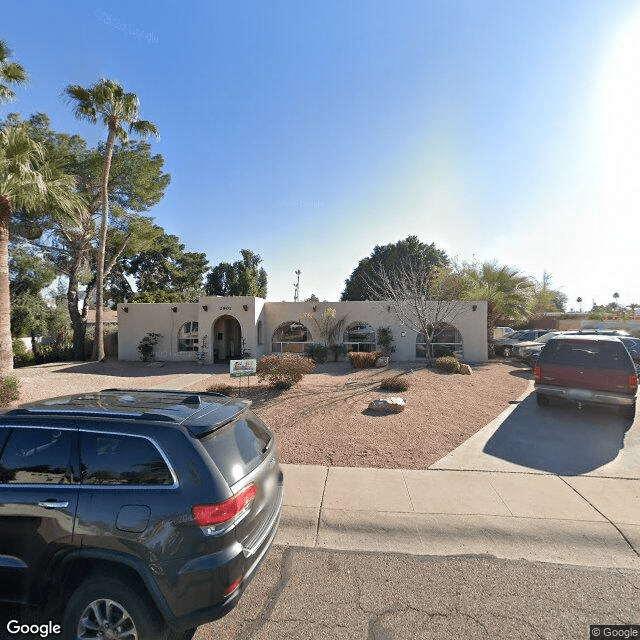
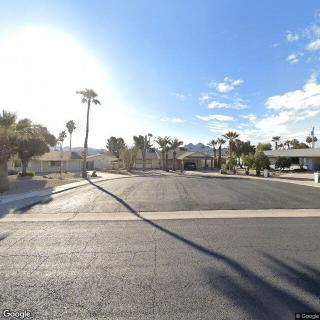
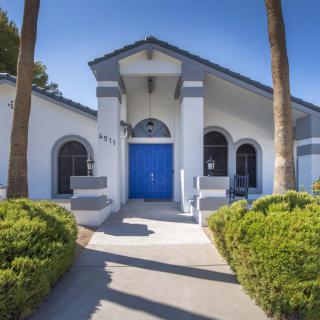
2901 E North Ln, Phoenix, AZ 85028
To contact a resident: (602) 867-2190
For more information about senior living options: (866) 208-4318
Sr Home Care Facility, LLC Costs & Pricing
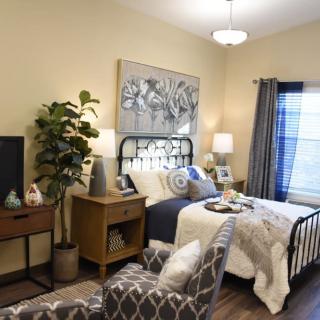
At Sr Home Care Facility, LLC, the monthly cost for a private room is set at $3,200, which is competitively priced compared to the broader market in Maricopa County and the state of Arizona. Specifically, while Maricopa County averages around $3,318 for similar accommodations, Arizona's statewide average stands at approximately $3,345. This positioning not only highlights our commitment to providing quality care at an accessible price but also underscores our dedication to fostering a comfortable and supportive environment for our residents. We strive to ensure that our services remain both affordable and comprehensive, reflecting our mission to prioritize the well-being of those we serve.
| Floor plans | Sr Home Care Facility, LLC | Maricopa County | Arizona |
|---|---|---|---|
| Private | $3,200 | $3,318 | $3,345 |
Senior living communities with a similar price nearby
-
from +$450 / mo

SeniorBridge - Scottsdale, AZ
$3,650 / month7.5 miles away -
from -$400 / mo

Pinnacle Peak Assisted Living
$2,800 to $3,100 / month10.2 miles away -
from +$300 / mo
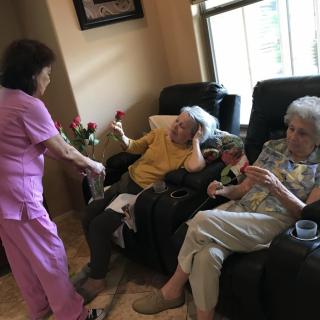
A Paradise for Parents Campbell Avenue
$3,500 to $4,500 / month21.9 miles away -
from -$575 / mo

The Eldercare Home Of Tempe
$2,625 to $3,412 / month15.6 miles away -
from -$250 / mo
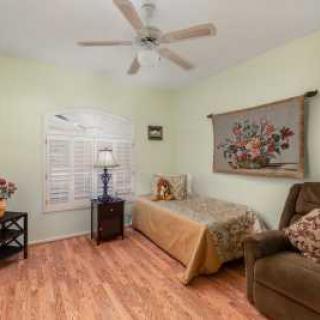
Endeavor AL I
$2,950 to $4,200 / month5.3 miles away
Overall Review of Sr Home Care Facility, LLC
Pros
 Melissa Johnson is a nurse navigator of the highest caliber and a tireless advocate.
- SCMS provided lifesaving support by coordinating appointments, advocating for patients, and sharing detailed notes with families.
- The team managed medications and supplied tools that made daily life easier.
- The CNAs are well-trained, and the primary CNA is a godsend.
- Ryan Johnson manages the business and is consistently available and responsive day and night.
- The staff arrived on time and were friendly, caring, observant, and good listeners.
- Cherry was a godsend—organized, efficient, kind, gentle, respectful, and compassionate.
- Janeth is a wonderful home health aide.
- Rose understood Dad and the family, providing thoughtful, patient-centered care.
- Melissa Johnson served as the care manager, driving to appointments, providing follow-up notes, and translating terminology into understandable language.
Cons
 They felt the place, though recently remodeled, seemed sterile and not what they were looking for.
- They noted that no additional activities or community gatherings were offered, with residents mostly staying in their rooms except for mealtimes.
- They had some very mixed experiences with other elder care organizations.
Review
This community is best suited for families that need high-caliber care management and medical oversight to keep a loved one safely at home or in a flexible care arrangement. It excels when dementia, chronic illnesses, or complex medication regimens require an accountable, hands-on advocate who can attend appointments, translate medical jargon, and keep detailed notes for families and physicians. The core strength lies in the duo of Melissa Johnson, a skilled RN care manager, and Ryan Johnson, who ensures a rapid, around-the-clock response. For families far from the loved one’s side, the ability to have a trusted team coordinating physicians, therapies, and transitions is not just valuable, it’s essential.
Those who should consider alternatives are families prioritizing a traditional residential living environment with built-in social programming and a bustling community calendar. The reviews show a care-forward model that can feel more homebound than club-like, and one location described its remodeling as a bit sterile. If social engagement, organized daily activities, and a clearly defined communal life are non-negotiables, this may not deliver the atmosphere sought. For seniors who want frequent group activities, outings, and deliberately structured daily routines, larger assisted living settings or memory-care communities with visible programming could be a better fit.
On balance, the strongest pros center on professional, reliable care management and proactive medical liaison. The care team is praised for on-time visits, meticulous medication oversight, and robust communication with families. The ability to drive patients to appointments, supply post-visit summaries, and coordinate with physicians and specialists reduces confusion and hospital-related risk. Families repeatedly highlight the trust they gain from knowing there is a consistent, capable caregiver in place, Rose, Karina, Cherry, Deanna, and Sarah are cited as examples of dependable, attentive care. The model also shines for out-of-area families who need ongoing assessment, timely updates, and help negotiating long-term plans, including the transition to hospice or Assisted Living when appropriate.
The primary drawbacks are practical, not clinical. While hygiene and safety are consistently noted as strengths, some reviewers flagged the absence of a robust social scene or scheduled community activities. The setting can feel more like a well-run home-care arrangement than a lively care home, which may leave residents missing opportunities for companionship beyond family visits. For families seeking continuous group outings, on-site activities, or a clearly defined daily rhythm, these gaps can be meaningful. The trade-off is a quieter, more private environment that emphasizes personalized, one-on-one care over social programming.
How the strong advantages offset the drawbacks is straightforward. When dementia, frailty, or complex medical needs are at stake, the value of a dedicated RN care manager plus a responsive supporting team cannot be overstated. Families receive professional care plans, medication management, regular updates, and help navigating Power of Attorney and other crucial legal steps. The ability to mobilize caregivers quickly for short- or long-term boosts, including round-the-clock CNA coverage during transitions, provides security that episodic home care cannot match. The intangible benefit, real peace of mind, emerges when a trusted team handles medical coordination, appointment follow-through, and post-visit reporting, letting families focus on emotional and practical matters.
In the end, this option stands out for families seeking expert, reliable care management with deep medical integration and flexible scheduling. It is the recommended path for dementia care, end-of-life planning, and situations where a loved one’s needs evolve week to week and require an agile, professional team. Prospective clients should verify that the specific caregiver roster, on-call availability, and care-manager involvement align with their expectations for social engagement and daily structure. Meet Melissa and key caregivers, review a sample care plan, and confirm long-term transition steps. If social programming and a more communal living environment are priorities, alternatives with structured activities may offer a better fit; otherwise, this community delivers decisive, practical advantages for families seeking hands-on, high-caliber in-home-like care.
 Board and Care Home
 Cats allowed
 Dogs allowed
 Bath tubs
 Beautician on-site
 Indoor common areas
 Private
 Private bathrooms
 Respite or short term stays offered
 Wheelchair accessible showers
 Phoenix Sky Harbor International (10 miles away)
 Diabetic care
 High acuity care
 Meals provided



 Weight Training for Seniors: Building Strength and Vitality
 Understanding the Sandwich Generation: Stress and Responsibilities for Multigenerational Caregivers
 8 Essential Assistive Devices for Older Adults