
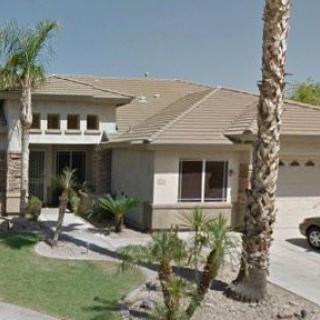
31704 N 16th Ave, Phoenix, AZ 85085
To contact a resident: (623) 322-0745
For more information about senior living options: (866) 208-4318
Sonoran Hills Costs & Pricing
At Sonoran Hills, the monthly costs for room types reflect a premium offering compared to both Maricopa County and the broader state of Arizona. For a semi-private room, residents can expect to pay $3,000, which is slightly above the county average of $2,801 and the state average of $2,820. If opting for a private room, the cost rises to $4,000 - marking a significant increase over the county's average of $3,318 and the state's average of $3,345. These figures suggest that while Sonoran Hills positions itself at a higher price point, it may also imply additional amenities or services that align with this investment in quality care and enhanced living experiences.
| Floor plans | Sonoran Hills | Maricopa County | Arizona |
|---|---|---|---|
| Semi-Private | $3,000 | $2,801 | $2,820 |
| Private | $4,000 | $3,318 | $3,345 |
Assisted Living communities with a similar price nearby
-
from -$200 / mo
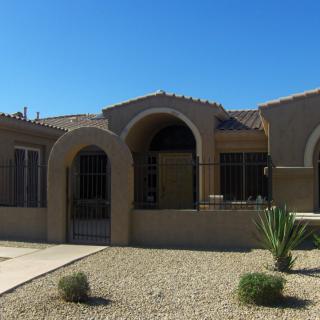
Pinnacle Peak Assisted Living
$2,800 to $3,100 / month11.8 miles away -
from -$100 / mo
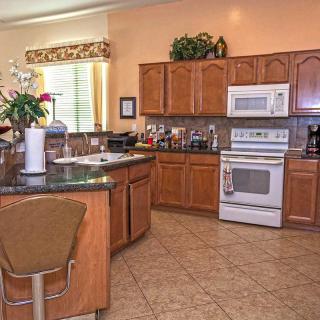
Royal Paradise Care
$2,900 to $3,800 / month17.9 miles away -
About the same
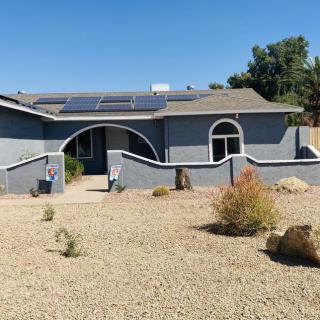
Bella Amore Assisted Living
$3,000 / month11.8 miles away -
from -$150 / mo

Covenant Care Assisted Living Home
$2,850 to $3,705 / month21.9 miles away -
from -$500 / mo
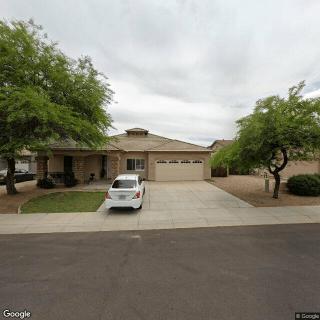
Anc Assisted Living Homes I
$2,500 to $3,500 / month23.1 miles away
Overall Review of Sonoran Hills
Pros
 They absolutely have been 1st class for our family and family member.
- She is known to have the best beds in the industry and her cooking is world class.
- She has been great to deal with and her team has been so helpful!
- Grandma seems very happy and content.
- The staff has great communication with the family.
- It's always well cleaned and organized.
- The location is lovely and very safe.
- Her cooking smelled wonderful.
Cons
 The staff-to-resident ratio was not adequate, and the overall feel of the place was off.
- They knew immediately that it wasn’t the right place for their loved one.
Review
Sonoran Hills is best suited for families seeking a warm, home-like assisted living experience in Phoenix where personal attention, cleanliness, and ongoing family communication are prioritized. This community distinctly serves residents who value a high-touch, one-on-one care approach, a comfortable residential atmosphere, and active engagement with staff and peers. It is especially appealing to families who want to feel that their loved one is treated like family, with meals and daily routines that emphasize comfort and familiarity. The evidence from multiple families points to a setting that functions as a true small-community home, rather than a clinical campus.
From the outset, the strongest pros center on a combination of care quality, atmosphere, and communication. Staff are described as friendly, responsive, and easy to work with, with families consistently reporting that caregivers are approachable and the care team keeps the family in the loop. The environment earns praise for being well kept, clean, and aesthetically pleasing, with a location that feels safe and pleasant. Residents participate in activities that promote social interaction, helping to counter isolation and preserve a sense of belonging. The culinary component also stands out, with remarks about high-quality meals and even the sensory appeal of cooking that suggests nutritious, appealing dining experiences.
Despite the overwhelmingly positive feedback, a notable contention arises around staffing ratios. One in-person tour left the impression that the facility’s staff-to-resident level did not meet the expectations for people who require closer supervision or more intensive daily oversight. That concern is not presented as a deal-breaker across all reviews, but it illuminates an important trade-off: the same low-key, homey setting that supports meaningful interactions can feel less robust for residents who need more constant, hands-on assistance or highly structured routines. In practice, the strengths of personalized attention and daily engagement often offset this concern, but the mismatch in staffing expectations means this community may not be the best fit for every care profile.
That is precisely why it’s prudent to consider alternatives for families whose loved ones demand greater supervision, more formal programming, or specialized care needs (such as advanced memory care or higher caregiver-to-resident ratios). Sonoran Hills excels where a warm, intimate residence and frequent family updates are paramount; it may be less suitable for those who prioritize a larger campus, a more clinical setting, or a program with intensive, around-the-clock supervision. The consistent praise for “home” and “family” suggests that, for many, the trade-offs are acceptable; for others, a different model with higher staffing levels or more specialized care may be preferable.
When weighing Sonoran Hills, prospective buyers should ask pointed questions and align tour observations with care requirements. Verify current staffing levels on different shifts and observe caregiver engagement during activities and meals. Probe how care plans are individualized, how often family conferences occur, and what metrics exist to track progress or declines in well-being. Confirm the scope of social programming and who leads it, as well as the transparency of daily routines and any potential changes to care as needs evolve. Finally, compare this setting to alternatives that emphasize higher staffing ratios or more formalized clinical protocols to ensure the chosen path matches the loved one’s specific needs and the family’s expectations.
In sum, Sonoran Hills stands out as a practical, comforting choice for families prioritizing a home-like vibe, attentive staff, clean surroundings, and meaningful family communication. It rewards decisions grounded in appreciating one-on-one attention, culinary quality, and a safe, social environment. For families whose loved one thrives with a close-knit, personable atmosphere and who can absorb a slightly lighter staffing framework, this community is highly compelling. For those requiring a heavier level of supervision, more intensive care programs, or a larger-scale operation, exploring alternatives with a higher caregiver-to-resident ratio is advisable. The decision should hinge on balancing the cherished home feel and active family partnership against the reality of daily staffing dynamics and the resident’s exact care requirements.
 10 resident community capacity
 Assisted Living
 Board and Care Home
 Cats allowed
 Dogs allowed
 Bath tubs
 Beautician on-site
 Cable or satellite TV
 Dining room
 Fully furnished
 Garden
 Housekeeping services
 Move-in coordination
 Outdoor space
 Private
 Private bathrooms
 Respite or short term stays offered
 Telephone
 Wheelchair accessible showers
 Wi-Fi/high-speed internet available
 Phoenix Sky Harbor International (24 miles away)
 24-hour supervision
 Activities of daily living assistance
 Ambulatory care
 Assistance with bathing
 Assistance with dressing
 Assistance with transfers
 Diabetes diet
 High acuity care
 Incontinence care
 Meal preparation and service
 Medication management
 Special dietary restrictions
 Transportation arrangement (medical)
 Transportation to doctors appointments
 Christian services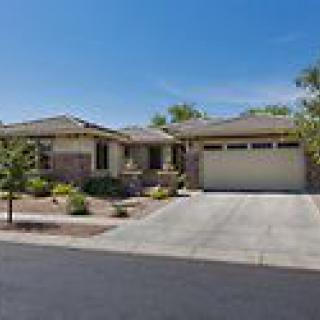
 Senior Transition Services: Understanding Their Role, Cost, and Importance
 Exploring the Path to Senior Living: A Comprehensive Look at Independent Living and Assisted Living
 Is Assisted Living Deductible on Your Taxes? Understanding the Complexities of Assisted Living Expenses and Deductions