Overall Review of Person To Person Assisted Living Care Home
common39 reviews mention this
Caregivers are consistently praised
Families frequently describe caregivers as professional, kind, and dependable.
Across the reviews, people describe caregivers who are professional and genuinely supportive during recovery and day-to-day assistance. Many mention nurses and therapists who take time to explain care, follow through, and show up on time. Several also highlight bedside compassion—people feeling encouraged, comfortable, and not treated like “just another patient.”
common13 reviews mention this
Therapy support for mobility
Physical and occupational therapy receives frequent, specific praise.
A repeated theme is help from physical and occupational therapists who are described as knowledgeable, patient, and focused on the right exercises or ways to move. Reviewers point to hands-on guidance for mobility and recovery, including watching closely, correcting technique, and adapting when pain or limitations get in the way. Some reviews also mention follow-through on commitments to improve walking and strength.
caveat5 reviews mention this
Communication and scheduling can slip
Some reviewers report frustration with communication and scheduling.
A smaller set of reviews describes breakdowns in communication and coordination, including delayed responses after referrals and difficulty getting confirmation of visits. Reviewers also report being unable to reach someone when expected, or that appointments were changed or not set up as promised. These experiences stand out because they center on intake and scheduling rather than the quality of hands-on care.
How we summarize
Counts show how many written reviews mention each theme; a review can touch several themes, and only frequently mentioned themes are displayed.
Features
Housing
10 resident community capacity
Types of Care
Assisted Living
Board and Care Home
Amenities
Cable or satellite TV
Dining room
Fully furnished
Garden
Housekeeping services
Move-in coordination
Outdoor space
Telephone
Wi-Fi/high-speed internet available
Transportation
Phoenix Sky Harbor International (7 miles away)
Care Services
24-hour supervision
Activities of daily living assistance
Assistance with bathing
Assistance with dressing
Assistance with transfers
Coordination with health care providers
Diabetes diet
Meal preparation and service
Medication management
Special dietary restrictions
Transportation arrangement (medical)
Transportation to doctors appointments
Dining
Diabetes diet
Special dietary restrictions
Activities
Community-sponsored activities
Scheduled daily activities
Nearby Places of Interest
Places of Worship
First United Methodist Church of Phoenix (0.4 miles)
Open Door Fellowship Church (3.5 miles)
Roosevelt Community Church (4.1 miles)
Christ Church of the Ascension (4.3 miles)
Restaurants
Windsor (0.5 miles)
Raising Cane's Chicken Fingers (0.5 miles)
Federal Pizza (0.5 miles)
The Whining Pig (1.2 miles)
McDonald's (1.3 miles)
George & Dragon Restaurant (1.4 miles)
Arriba Mexican Grill (1.5 miles)
Pharmacies
CVS Pharmacy (0.5 miles)
CVS Pharmacy (1.2 miles)
CVS Pharmacy (1.6 miles)
Walgreens (1.8 miles)
Walgreens (2 miles)
CVS Pharmacy (2.5 miles)
Walgreens (2.6 miles)
Physicians
Keystone Natural Family Medicine (0.6 miles)
Phoenix Skin Medical Surgical Group (0.6 miles)
Arizona Eye Specialists (2 miles)
Dignity Health Peppertree Family Medicine (2.6 miles)
SimonMed Imaging - Phoenix (2.7 miles)
Banner Family Medicine Center (3.7 miles)
Bethany Women’s Healthcare (4.2 miles)
Cafes
Starbucks (1 miles)
Lux Central (1.2 miles)
Panera Bread (1.6 miles)
Dark Hall Coffee (2.3 miles)
Provision Coffee Bar (3.2 miles)
Dutch Bros Coffee (3.3 miles)
Starbucks (3.5 miles)
Hospitals
Carl T Hayden VA Medical Center, Recreation Therapy (1.5 miles)
Abrazo Central Campus (2.1 miles)
Surgical Specialty Hospital Of Arizona (2.2 miles)
St Josephs Neurological ICU (2.5 miles)
St Joseph's Hospital & Med Center: Deguzman Brian J MD (2.5 miles)
Banner – University Medical Center Phoenix (3.7 miles)
Activities of Daily Living (ADLs) are fundamental tasks vital for an individual's independence, particularly in older adults over 85, and include functions like bathing and dressing; assessing ADLs alongside Instrumental Activities of Daily Living (IADLs) helps determine the level of required assistance due to age-related health challenges. Tailored support plans, involving family and community resources, are essential for maintaining dignity and autonomy in assisted living environments.
Medicare does not cover assisted living costs, as it focuses on acute medical needs and short-term care, with exceptions for certain medically necessary services like physical therapy. Individuals must explore other options such as Medicaid, veterans' benefits, or long-term care insurance to manage these expenses effectively.
Choosing between assisted living and nursing homes involves evaluating emotional and financial factors, with assisted living offering independence and support for daily activities at a lower cost, while nursing homes provide intensive medical care for individuals with significant health needs. The decision is influenced by personal preferences, health status, cognitive function, and varying Medicaid coverage across states.
Get PricingAsk A QuestionSchedule A TourContact Senior Advisor
By clicking submit, you agree to our Partner's Terms of Use. You
also consent to receive calls and texts, which may be autodialed, from our Partner. Your consent is not a condition to
using our Partner's service. Please visit our Partner's Privacy Policy for information about their privacy practices.



 10 resident community capacity
 Assisted Living
 Board and Care Home
 Cable or satellite TV
 Dining room
 Fully furnished
 Garden
 Housekeeping services
 Move-in coordination
 Outdoor space
 Telephone
 Wi-Fi/high-speed internet available
 Phoenix Sky Harbor International (7 miles away)
 24-hour supervision
 Activities of daily living assistance
 Assistance with bathing
 Assistance with dressing
 Assistance with transfers
 Diabetes diet
 Meal preparation and service
 Medication management
 Special dietary restrictions
 Transportation arrangement (medical)
 Transportation to doctors appointments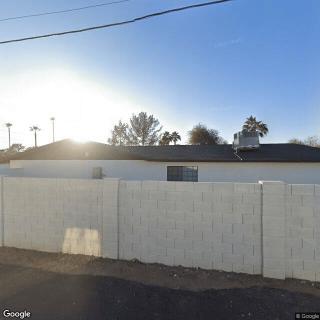
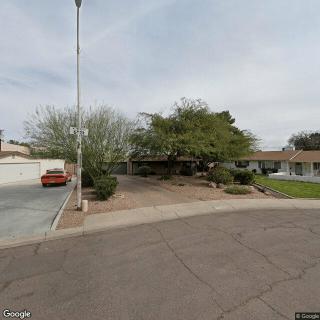
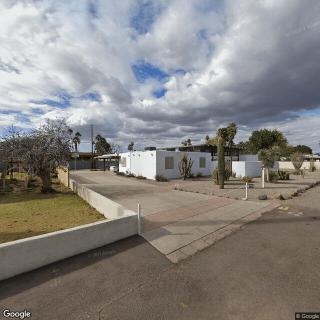
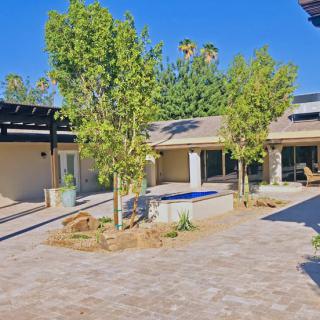
 Private bathrooms with high acuity care and competitive pricing in a well-connected Phoenix location.


 Comprehensive Insights into Activities of Daily Living (ADLs) and Their Assessment
 Medicare Coverage for Assisted Living: An In-Depth Exploration
 Choosing the Right Senior Care: A Detailed Exploration of Assisted Living and Nursing Homes