

602 E Missouri Ave, Phoenix, AZ 85012
To contact a resident: (602) 579-6482
For more information about senior living options: (866) 208-4318
Person to Person ALH Costs & Pricing
At Person to Person Assisted Living Home (ALH), residents can expect competitive pricing for their accommodations compared to surrounding options in Maricopa County and the broader state of Arizona. The monthly cost for a semi-private room at Person to Person ALH is $2,500, which is notably more affordable than the county average of $2,801 and the state average of $2,820. For those seeking more privacy, the private room rate at Person to Person ALH is set at $3,500, remaining below Maricopa County's average of $3,318 and Arizona's statewide average of $3,345. This pricing structure not only reflects a commitment to providing quality care and amenities but also illustrates an effort to make assisted living accessible without compromising on comfort or service quality.
| Floor plans | Person to Person ALH | Maricopa County | Arizona |
|---|---|---|---|
| Semi-Private | $2,500 | $2,801 | $2,820 |
| Private | $3,500 | $3,318 | $3,345 |
Senior living communities with a similar price nearby
-
from +$300 / mo
Pinnacle Peak Assisted Living
$2,800 to $3,100 / month15.4 miles away -
from +$125 / mo

The Eldercare Home Of Tempe
$2,625 to $3,412 / month13.5 miles away -
from +$450 / mo
Endeavor AL I
$2,950 to $4,200 / month10.6 miles away -
About the same

La Bella Vita ALH
$2,500 to $7,000 / month24.4 miles away -
from +$400 / mo
Royal Paradise Care
$2,900 to $3,800 / month17.9 miles away
Overall Review of Person to Person ALH
Pros
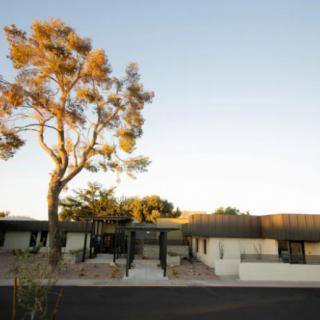
 The campus is beautiful.
- The company strives to make Arizona one of the safest places for healthcare.
- The location is great.
Cons
 They did not like the premises.
- They were not sure that the care was adequate.
Review
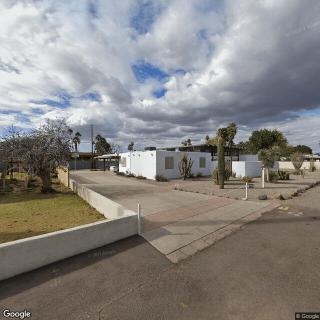
Person to Person ALH in Phoenix is best suited for seniors who prize an inviting, campus-style setting and a location that keeps daily life convenient. The community appeals to residents who anticipate light to moderate assistance and want reliable access to oversight within a health-conscious environment. It suits those who value a strong sense of place, where beautiful grounds and a central Phoenix presence support social engagement, easy access to services, and a feeling of safety in daily routines.
There is a clear caveat for families weighing alternatives. For individuals with higher or more demanding care needs, or for those who insist on consistently modern premises and transparent, highly individualized care, other options may be preferable. One review notes concerns about the premises and questions the adequacy of care, signaling that care plans and day-to-day nursing attention may not meet every family’s expectations. In such cases, exploring communities with demonstrated, intensive clinical support or more modern facilities becomes prudent.
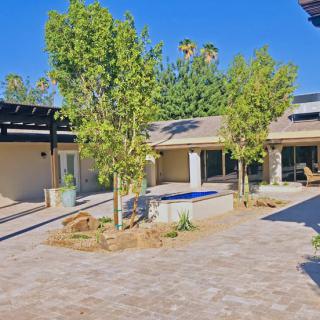
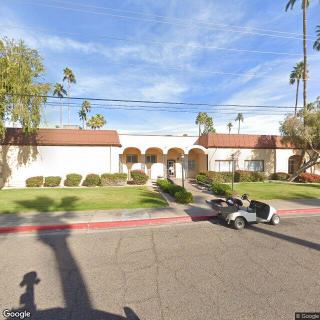
On the upside, the pros cluster into a few meaningful strengths. The campus is repeatedly described as beautiful, delivering a welcoming first impression that can ease the move from independent living. The location is another practical advantage, offering proximity to urban amenities, services, and family visits without forcing a long commute. Beyond aesthetics and geography, the operator’s stated emphasis on safety in healthcare environments signals an organizational priority that can translate into disciplined policies, better risk management, and a culture where residents feel protected. Together, these factors create a setting where social activity, independence, and routine care can coexist with peace of mind for families.
Those strengths are not without their counterweights. The most notable concern centers on premises quality and the consistency of care, elements that can influence comfort, perceived security, and satisfaction. In environments where the physical upkeep or the delivery of daily care feels uneven, residents may experience frustration or anxiety about future needs. With only a small number of reviews contributing to the overall impression, the signal is meaningful but not definitive; nonetheless, it warrants careful probing during tours and conversations with staff, residents, and family members who have lived through transitions.
Still, the firm’s favorable attributes can offset many concerns when approached with a practical mindset. For families seeking a move that minimizes disruption while preserving a high-quality, safety-forward care environment, the combination of attractive surroundings, a strong urban locale, and an organizational emphasis on healthcare safety offers real value. The 4.5 rating across multiple reviews indicates a generally positive trajectory, with the best experiences converging around ambiance, location, and a trustworthy sense of governance. For residents who prioritize engagement, community life, and steady access to oversight, these advantages can outweigh occasional questions about care delivery or facility polish.
To make a well-informed decision, focus on actionable assessments during visits. Ask for a tour during peak activity hours to observe staff responsiveness and resident interaction; request a detailed explanation of the care levels available, staffing ratios, and how care plans are monitored and adjusted; examine the premises firsthand for cleanliness, safety features, accessibility, and maintenance responsiveness. Clarify what “adequate care” means in practical terms for the specific loved one, daily routines, medication management, mobility assistance, and emergency protocols. In parallel, compare with peers in the same market: some communities may offer more robust clinical nursing, more modern facilities, or different price structures that align better with expected needs. If the resident values social life and physical campus appeal above all, this community’s evocative setting and safety-forward approach make it a compelling option; if clinical intensity or flawless premises are non-negotiables, alternatives deserve careful scrutiny.
 Board and Care Home
 Cats allowed
 Dogs allowed
 Private
 Private bathrooms
 Phoenix Sky Harbor International (7 miles away)
 Diabetic care
 High acuity care

 Managing Nursing Home Expenses After Medicare Coverage Ends
 Is a Geriatric Care Manager the Right Choice for Your Family?
 Compassionate Conversations: How to Comfort Someone Who Is Grieving