Pacifica Senior Living Paradise Valley Costs & Pricing
Pacifica Senior Living Paradise Valley offers competitive pricing for its residents, particularly when compared to the broader costs in Maricopa County and the state of Arizona. For a studio, the monthly rate stands at $3,295, which is notably lower than both the county average of $3,960 and the state average of $3,829. In contrast, those seeking a one-bedroom unit will find Pacifica's price of $4,295 slightly above the county median of $3,473 and Arizona's average of $3,532. Notably, the semi-private room option at Pacifica is priced at $5,095 - considerably higher than Maricopa County's average of $2,801 and Arizona's typical rate of $2,820. This pricing structure reflects Pacifica's commitment to offering premium services and amenities that may justify these higher costs for certain accommodations.
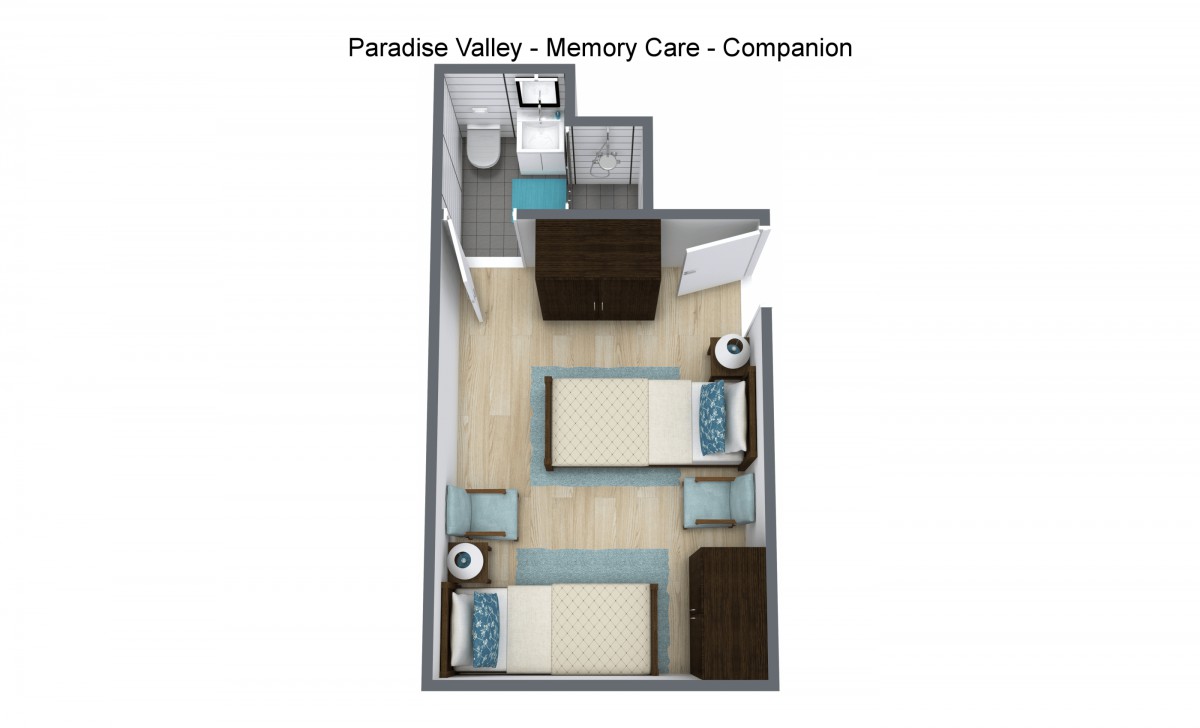
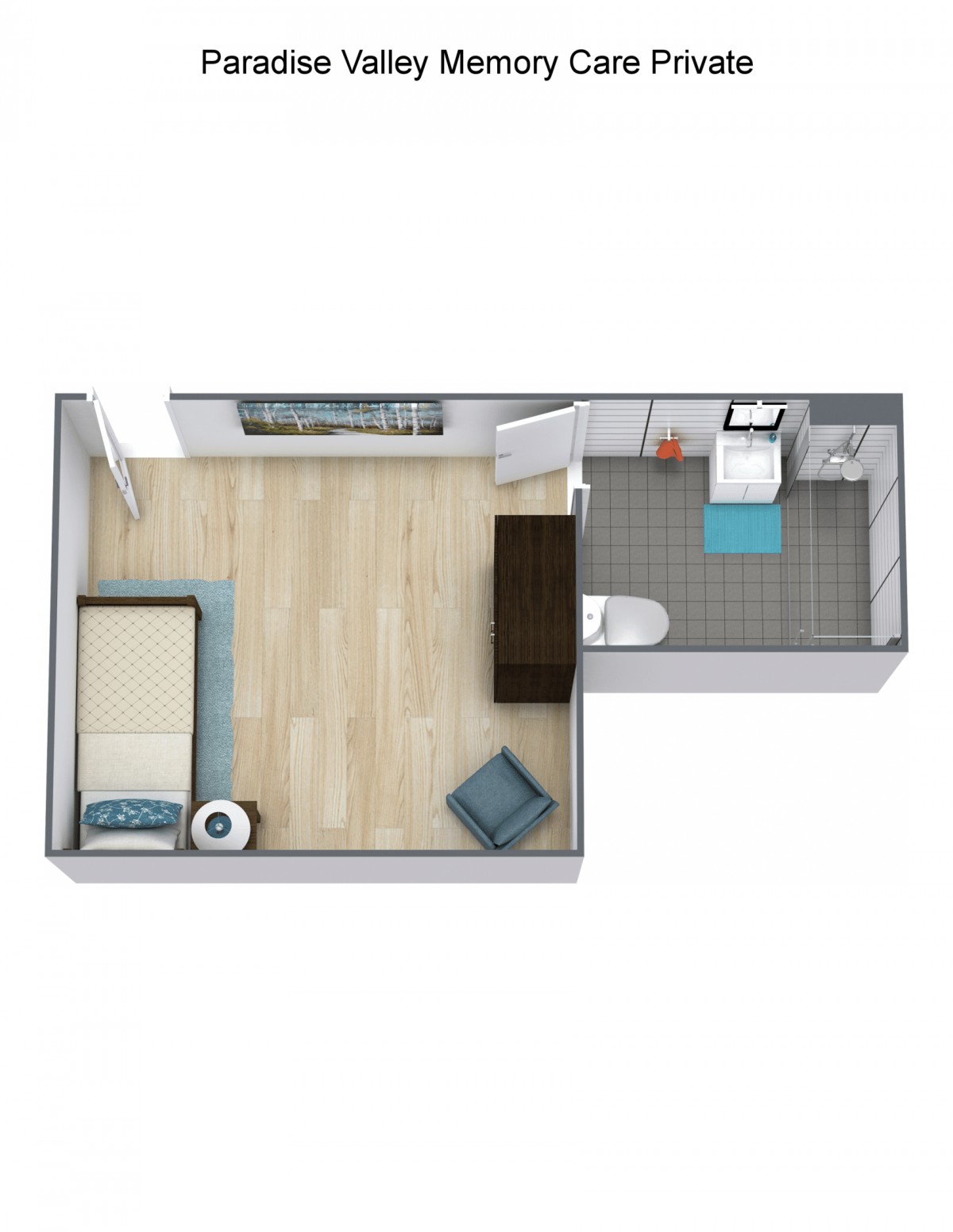
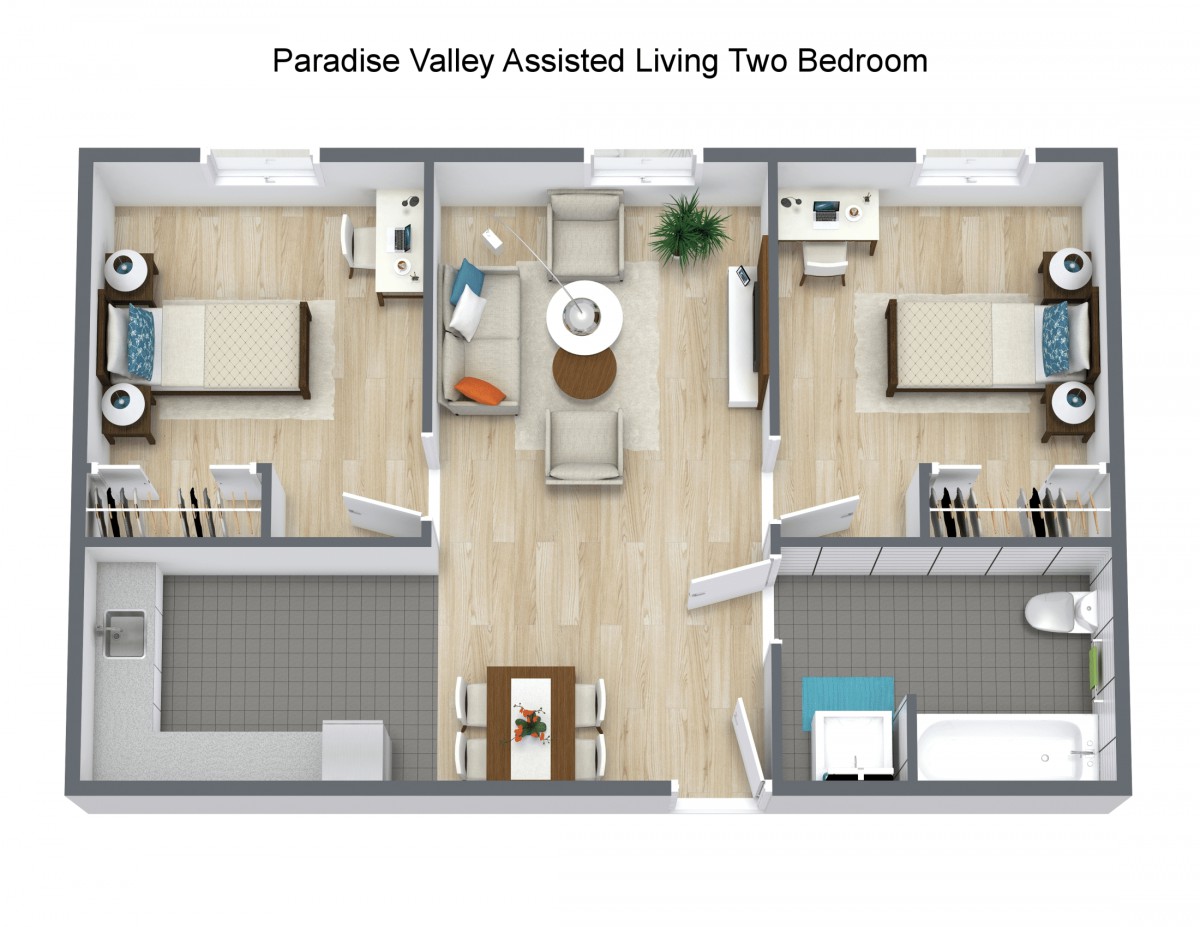
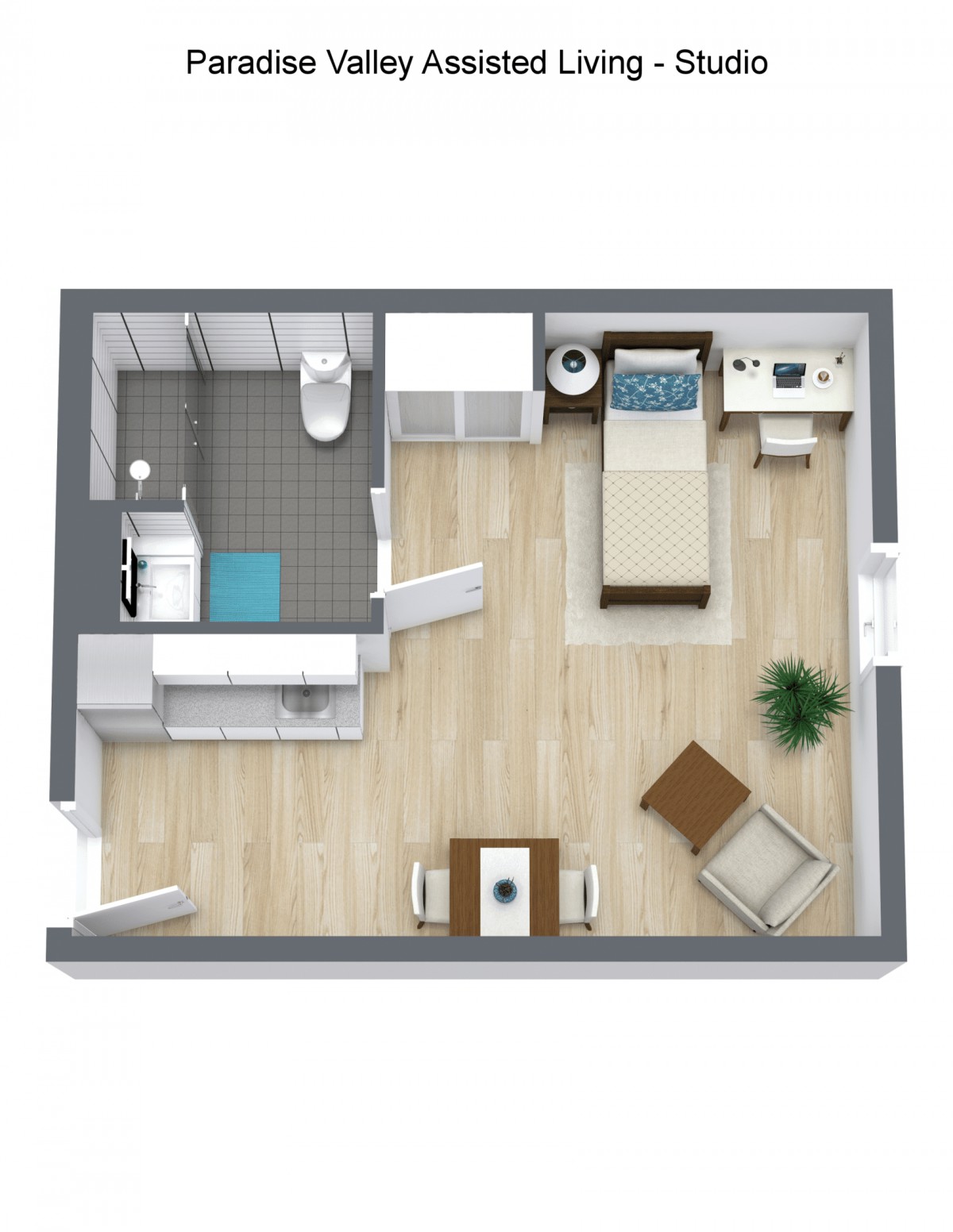
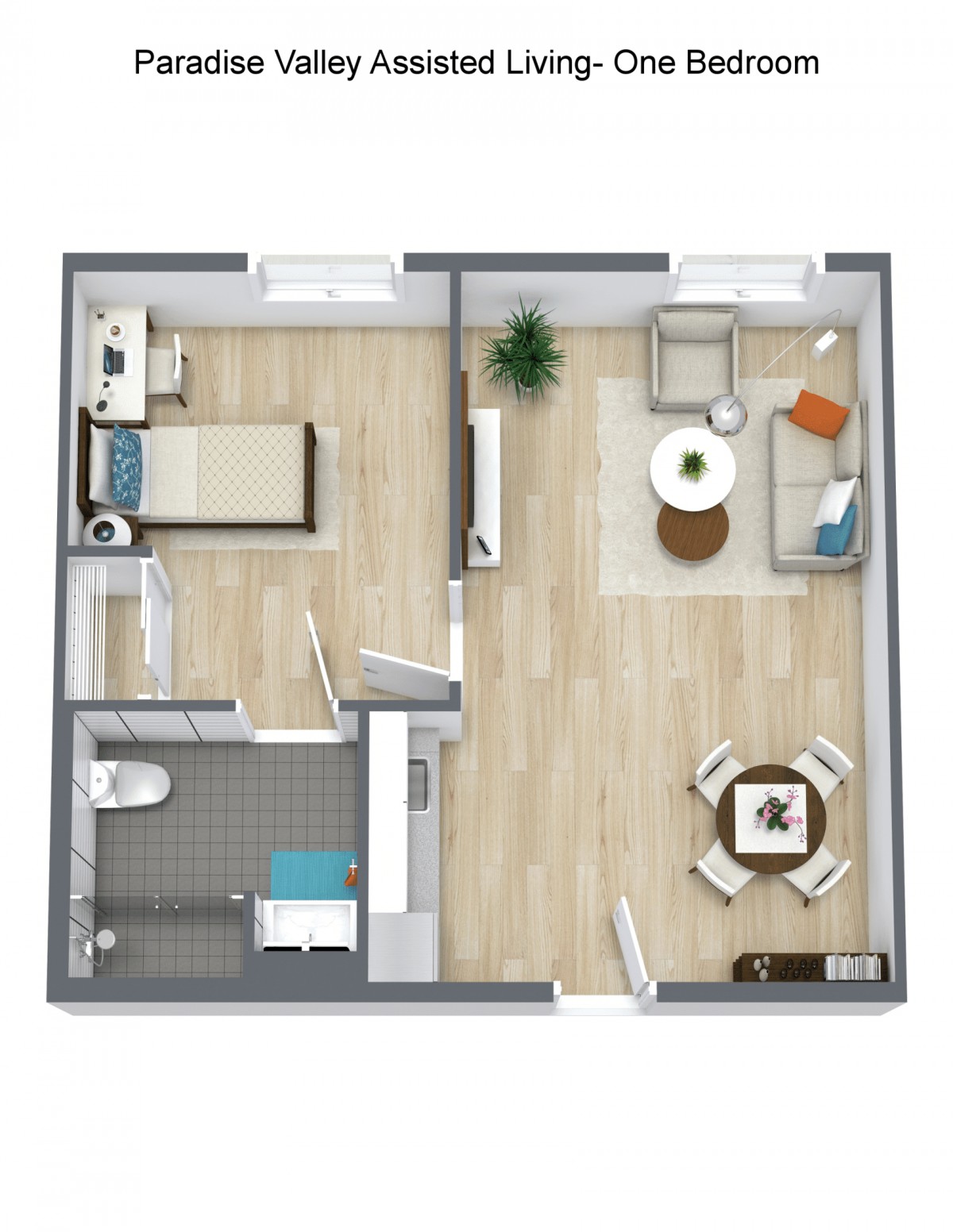
Floor plans
Pacifica Senior Living Paradise Valley
Maricopa County
Arizona
Studio
$3,295
$3,960
$3,829
1 Bedroom
$4,295
$3,473
$3,532
Semi-Private
$5,095
$2,801
$2,820
Memory care communities with a similar price nearby
Overall Review of Pacifica Senior Living Paradise Valley
common52 reviews mention this
Caring staff and attentive help
Residents and families frequently describe genuinely caring staff.
Many reviews emphasize kindness, professionalism, and responsiveness from caregivers, nursing, and the front office. Families also describe staff communicating during moves and care planning, with attention to what residents need. A few reviews are sharply negative about leadership or day-to-day care, but positive accounts are far more common across different staff roles.
common24 reviews mention this
Activities feel like daily life
Residents are repeatedly described as staying engaged with activities.
A recurring theme in reviews is that residents participate in scheduled activities, group events, and outings. Several reviewers mention observing upbeat resident energy, fun activities, and community-sponsored events during visits. Some families also note delays or fewer activities at certain times, but overall the reviews commonly connect life here with being busy and involved.
common16 reviews mention this
Dining and special diet support
Dining is often described positively, including support for diets.
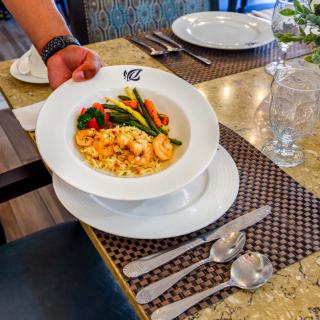
Multiple reviews mention that meals look good, food is enjoyable, and residents are served in a cafeteria or dining setup. Others specifically call out that special diets can be accommodated, and some reviewers say they did not have to bring medications and that care coordination included meal support. A smaller number of reviews complain about food quality, but the more frequent dining mentions are positive or neutral.
differentiator18 reviews mention this
Memory care cottages and safety
Cottage-based memory care is a defining part of the experience.
Several reviews highlight a cottage approach with a more home-like feel, along with secured outdoor space where residents can walk. Families describe safe roaming and courtyard or patio time as part of why they felt comfortable choosing this community. There are also serious safety concerns raised in a few memory-care reviews, including falls and inadequate staffing, so residents’ and families’ experiences appear mixed on day-to-day safety.
caveat9 reviews mention this
Communication and call-backs vary
Communication with families is described inconsistently in reviews.
Some reviewers praise ongoing updates, open-door responsiveness, and being kept in the loop about care. Others report difficulty reaching the resident care director or not getting call-backs or emails returned, even when they had questions. This split shows up again in reviews that mention process or paperwork friction.
caveat3 reviews mention this
Pricing concerns and fee changes
Some families question value because the cost can feel high.
A few reviews explicitly criticize monthly fees, including claims that pricing updates or increases were not adequately communicated. In contrast, some reviews describe confidence in care and recommend the community, suggesting pricing concerns are not universal. Where pricing comes up negatively, it is tied to expectations about the level of care provided and transparency around cost changes.
How we summarize
Counts show how many written reviews mention each theme; a review can touch several themes, and only frequently mentioned themes are displayed.
Features
Housing
84 resident community capacity
Types of Care
Assisted Living
Memory Care
Pets
Cats allowed
Dogs allowed
Amenities
Activities off-site
Activities on-site
Air-conditioning
Beautician on-site
Beauty salon
Cable or satellite TV
Computer center
Devotional services on-site
Dining room
Fitness room
Fully furnished
Gaming room
Garden
Ground floor units
Handicap accessible
Housekeeping services
Indoor common areas
Kitchenette
Laundry
Move-in coordination
Outdoor common areas
Outdoor space
Party space
Private bathrooms
Respite or short term stays offered
Restaurant-style dining
Small library
Telephone
VA Benefits Consultation
Wellness center
Wheelchair accessible showers
Wi-Fi/high-speed internet available
Transportation
Phoenix Sky Harbor International (14 miles away)
Community operated transportation
Transportation arrangement
Transportation arrangement (non-medical)
Transportation to doctors appointments
Care Services
12-16 hour nursing
24-hour call system
24-hour supervision
Activities of daily living assistance
Ambulatory care
Assistance with bathing
Assistance with dressing
Assistance with transfers
Coordination with health care providers
Dementia waiver
Diabetes diet
Diabetic care
High acuity care
Hospice care
Hospice waiver
Incontinence care
Meal preparation and service
Medication management
Mental wellness program
Mild cognitive impairment
Special dietary restrictions
Specialized memory care programming
Transportation arrangement (medical)
Transportation to doctors appointments
Dining
Diabetes diet
Low / no sodium
Meals provided
No Sugar
Professional chef
Special dietary restrictions
Special dining programs
Vegan
Vegetarian
Activities
Activities off-site
Art classes
Arts and crafts
Brain fitness
Community-sponsored activities
Concierge services
Cooking classes
Cooking club
Day trips and outings
Devotional activities on-site
Educational speakers / life long learning
Fitness programs
Forever fit
Games
Gardening club
Karaoke
Live dance or theater performances
Live musical performances
Planned day trips
Religious services
Resident-run activities
Scheduled daily activities
Stories
Stretching classes
Tai Chi
Trivia games
Wii bowling
Yoga / chair yoga
Nearby Places of Interest
This part of Phoenix, Arizona, offers a convenient and accessible location for senior living. With multiple medical facilities such as 2nd Chance Treatment Center and HonorHealth Medical Group nearby, seniors can easily access healthcare services. There are also several pharmacies like Walgreens and CVS within a few miles for medication needs. In terms of recreation, parks like Desert Horizon Park and Sun Devil Ridge Park provide opportunities for outdoor activities. For entertainment, there is the AMC DINE-IN Desert Ridge 18 theater just a short drive away. Additionally, with the Scottsdale Municipal Airport and car rental services nearby, transportation options are readily available for seniors looking to travel or visit family members. Overall, this area provides a mix of amenities that cater to the needs and interests of older adults in a comfortable and convenient setting.
Physicians
2nd Chance Treatment Center (0.1 miles)
HonorHealth Medical Group - Primary and Immediate Care - Saguaro (1.6 miles)
NOAH Palomino Health Center (1.8 miles)
Care MD (2.3 miles)
Phoenix Campus Mayo Specialty Building (2.9 miles)
Camelback Women's Health (3.8 miles)
Elite Plastic Surgery (3.8 miles)
Cafes
Dutch Bros Coffee (1.1 miles)
Starbucks (3 miles)
Starbucks (3.9 miles)
Press Coffee - The Roastery (4 miles)
Panera Bread (4 miles)
Starbucks (4.3 miles)
Dutch Bros Coffee (5 miles)
Restaurants
McDonald's (1.3 miles)
Taco Bell (1.4 miles)
McDonald's (1.7 miles)
Breakfast Kitchen Bar (2.8 miles)
Thirsty Lion Gastropub & Grill (2.9 miles)
In-N-Out Burger (2.9 miles)
CB Live (3 miles)
Pharmacies
Walgreens (1.4 miles)
CVS Pharmacy (1.4 miles)
Walgreens (1.8 miles)
Walgreens (2.1 miles)
Safety Drugs (2.9 miles)
CVS Pharmacy (3 miles)
Walgreens (3 miles)
Places of Worship
New Vision Center for Spiritual Living (1.5 miles)
Pacifica Senior Living Paradise Valley offers competitive pricing for its residents, particularly when compared to the broader costs in Maricopa County and the state of Arizona. For a studio, the monthly rate stands at $3,295, which is notably lower than both the county average of $3,960 and the state average of $3,829. In contrast, those seeking a one-bedroom unit will find Pacifica's price of $4,295 slightly above the county median of $3,473 and Arizona's average of $3,532. Notably, the semi-private room option at Pacifica is priced at $5,095 - considerably higher than Maricopa County's average of $2,801 and Arizona's typical rate of $2,820. This pricing structure reflects Pacifica's commitment to offering premium services and amenities that may justify these higher costs for certain accommodations.
The array of features at Pacifica Senior Living Paradise Valley is specifically designed to address the unique needs of residents facing memory challenges. With 24-hour supervision, residents benefit from constant support and safety, ensuring immediate assistance if needed. Activities of daily living assistance, including help with bathing and dressing, empower individuals to maintain their dignity while receiving essential care. The focus on brain fitness and specialized memory care programming stimulates cognitive engagement, which is crucial for those experiencing dementia. Coordination with healthcare providers guarantees a comprehensive approach to each resident's health, while medication management ensures that all prescriptions are taken accurately and on time. Incontinence care supports personal comfort, and meal preparation and service cater to nutritional needs tailored for individuals with cognitive impairments. Additionally, the mental wellness program addresses emotional well-being, while transportation arrangements facilitate necessary medical appointments, promoting overall health management. Each feature plays a vital role in enhancing the quality of life for residents coping with mild or advanced stages of Alzheimer's disease or dementia.
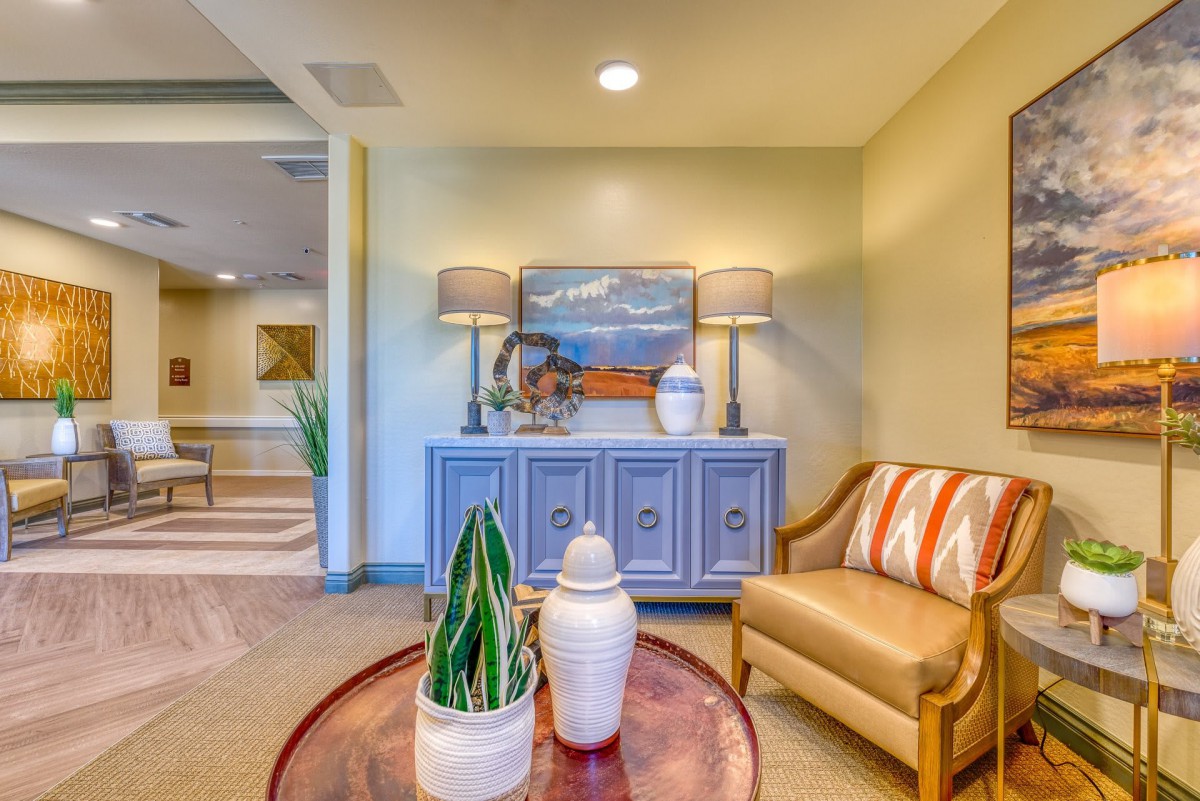
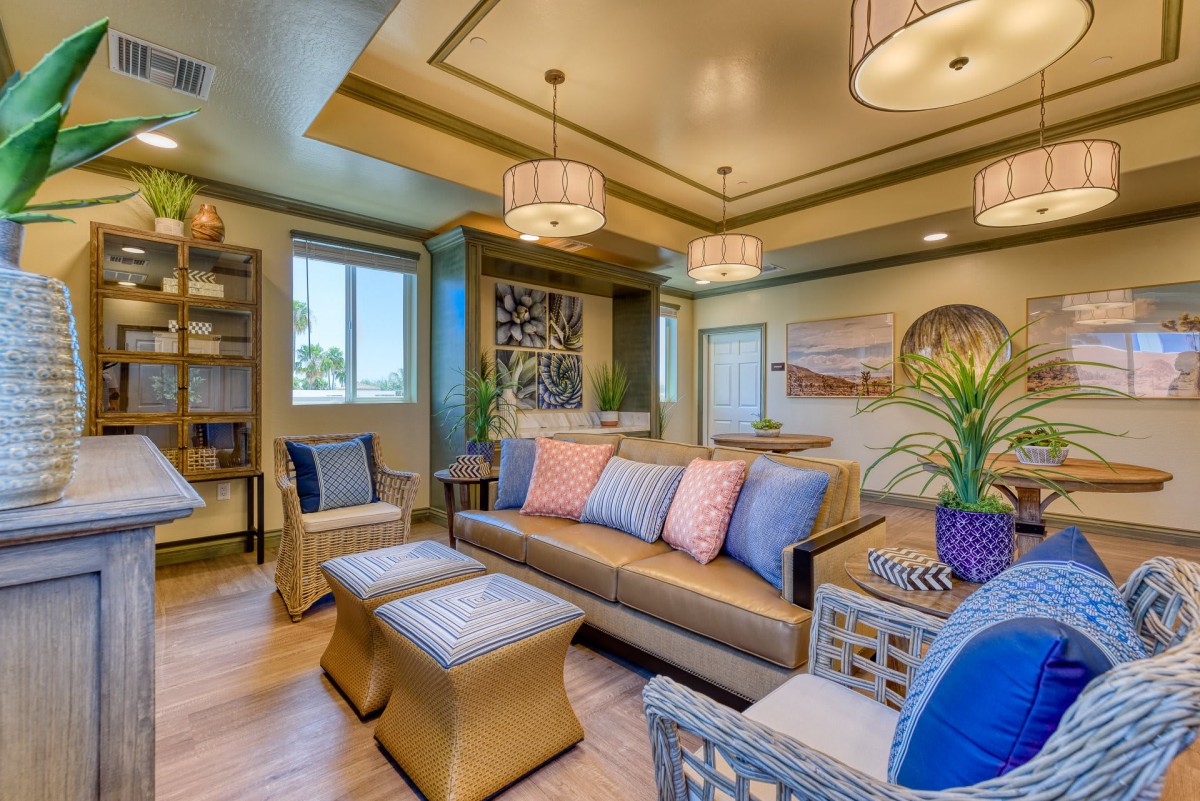
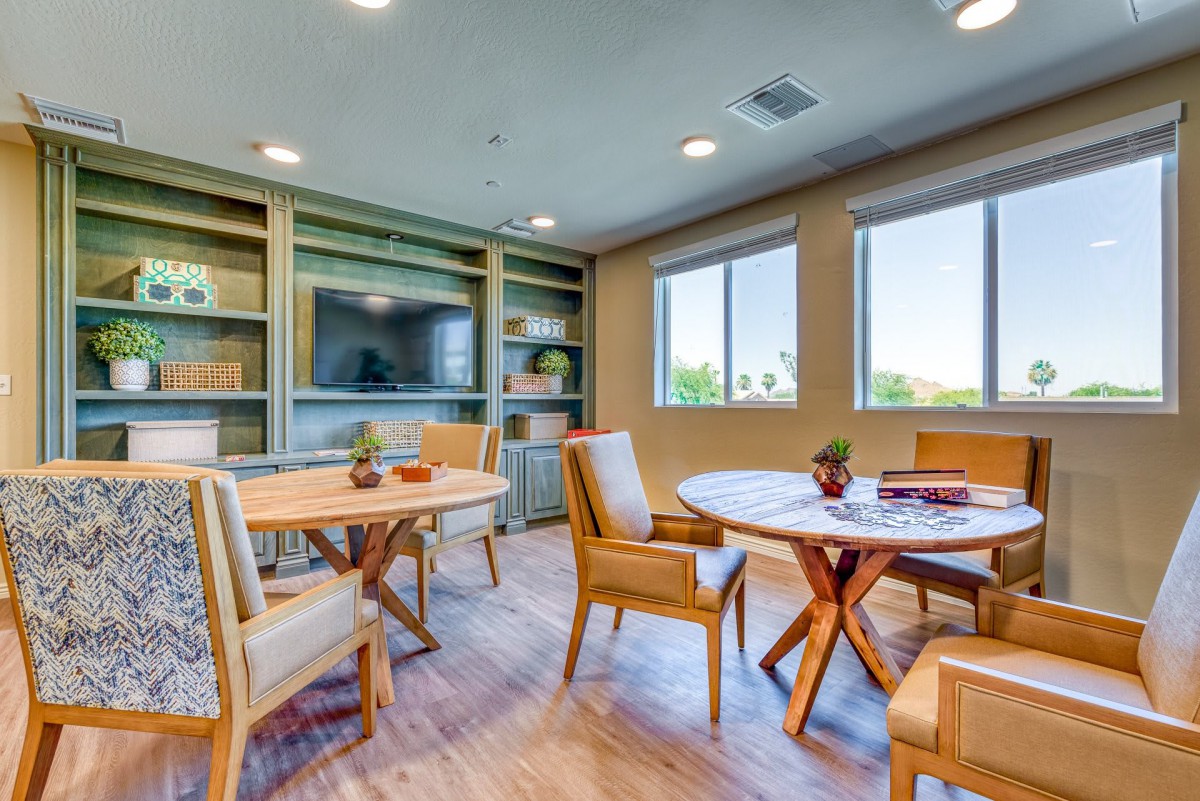
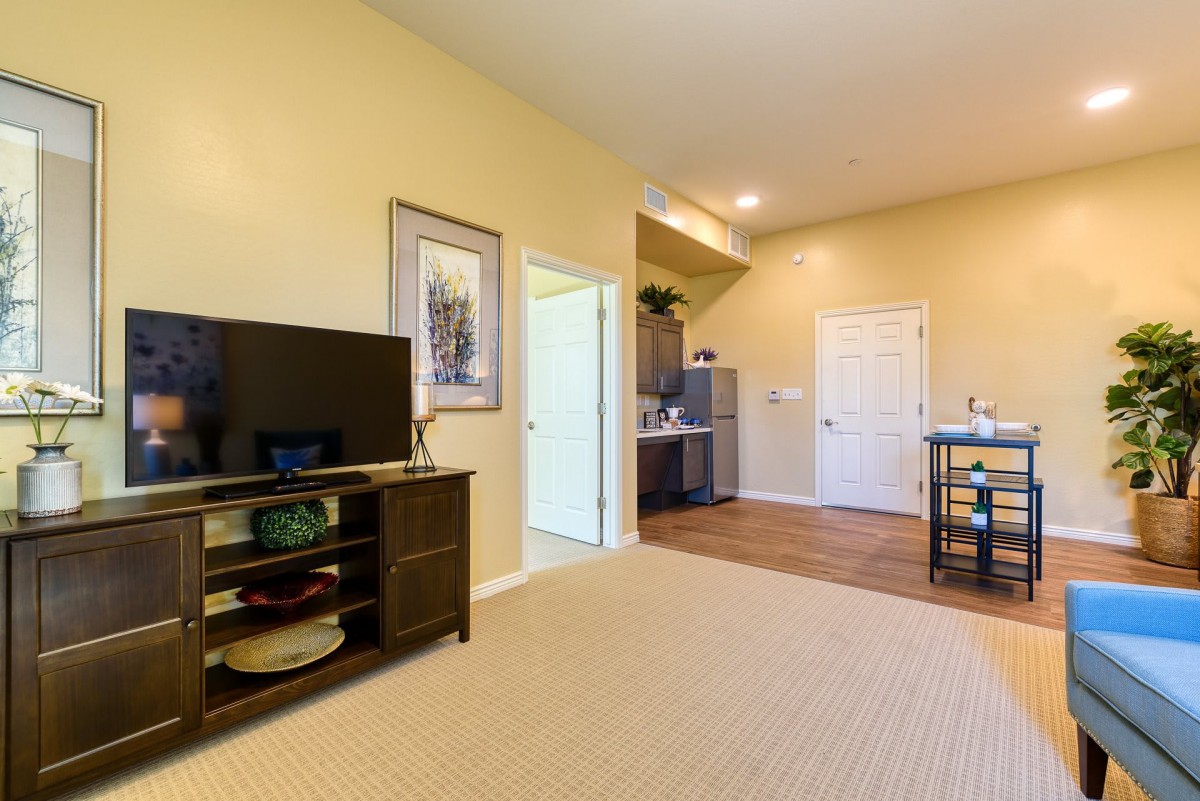
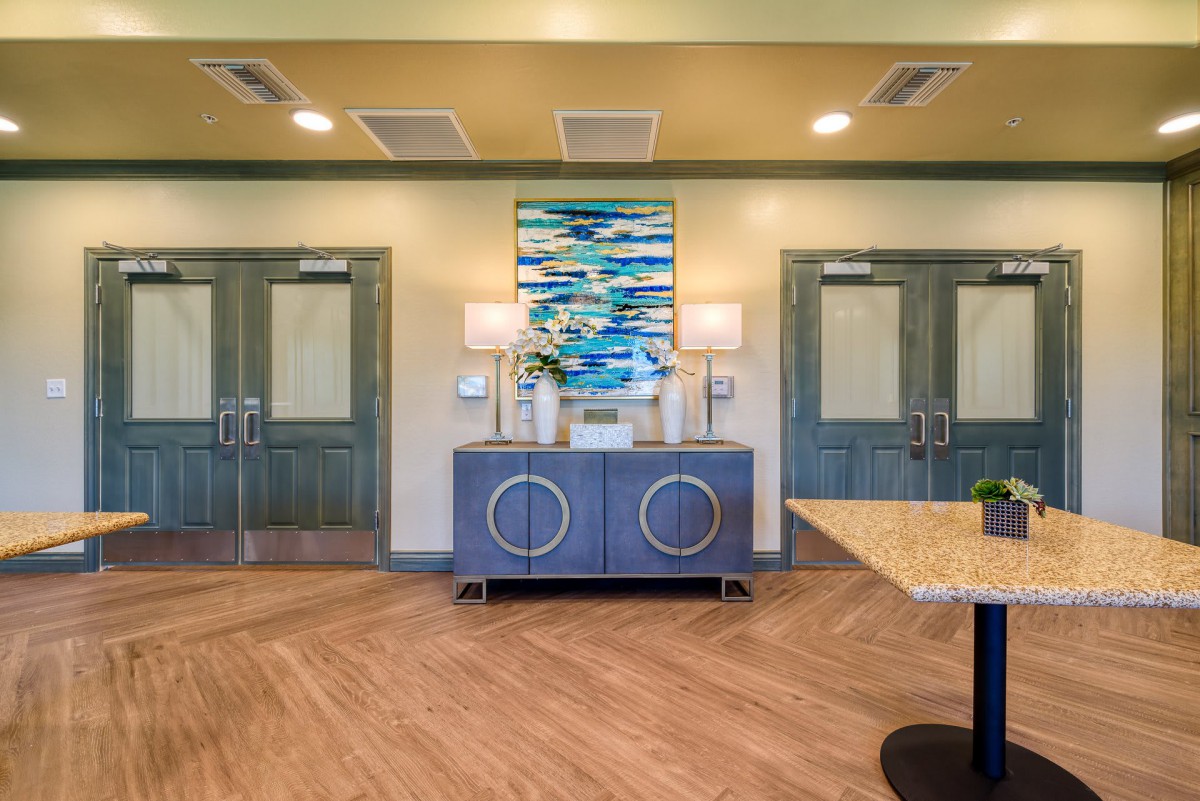
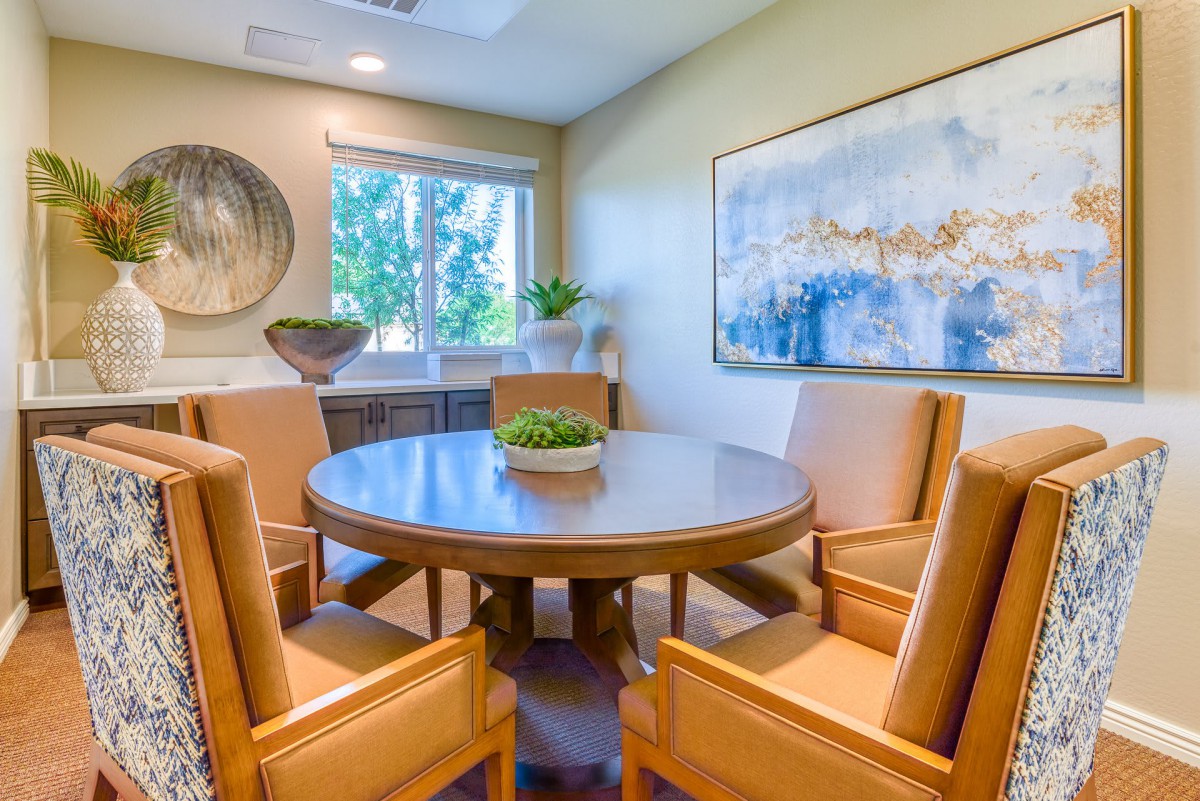
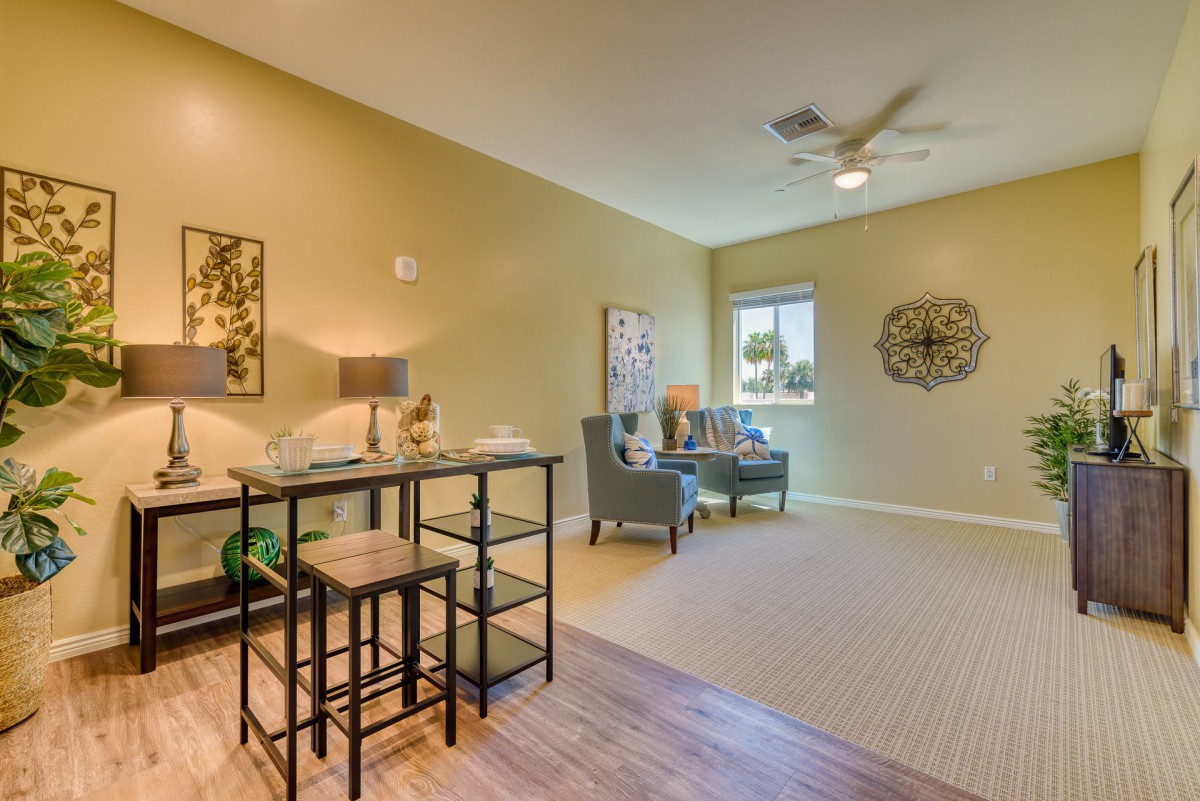
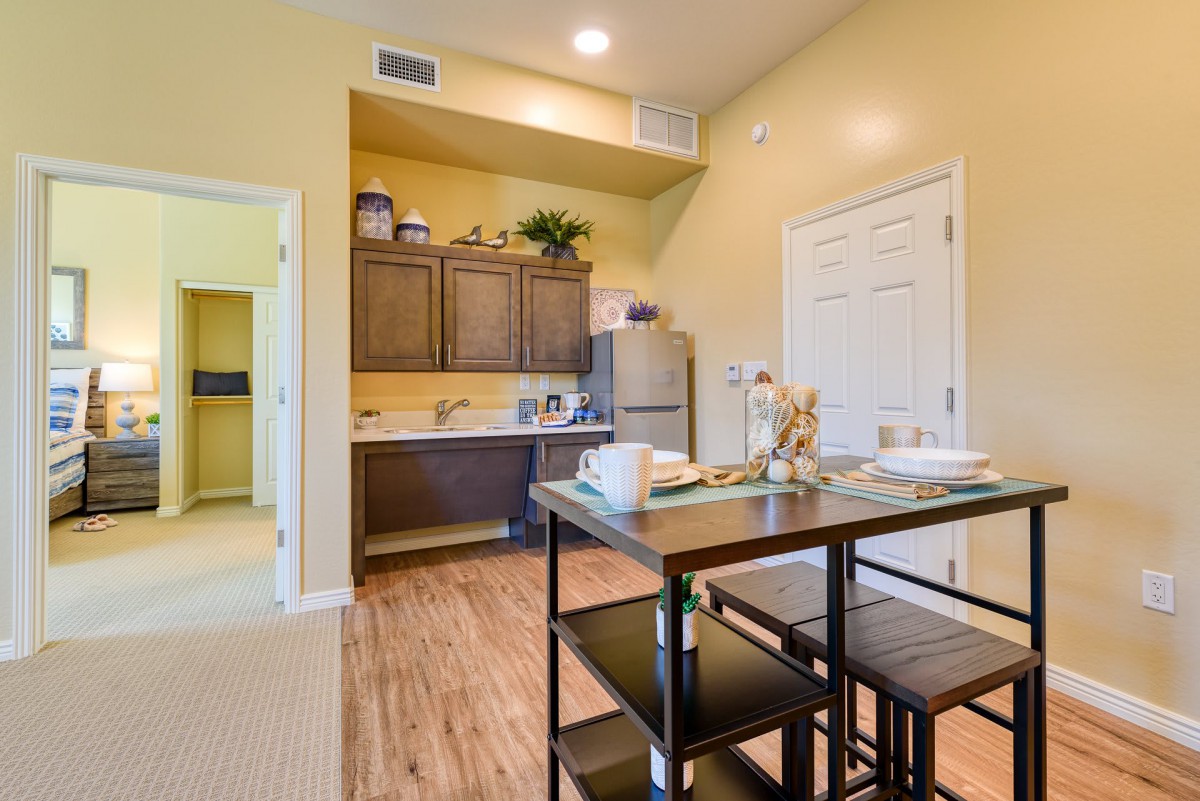
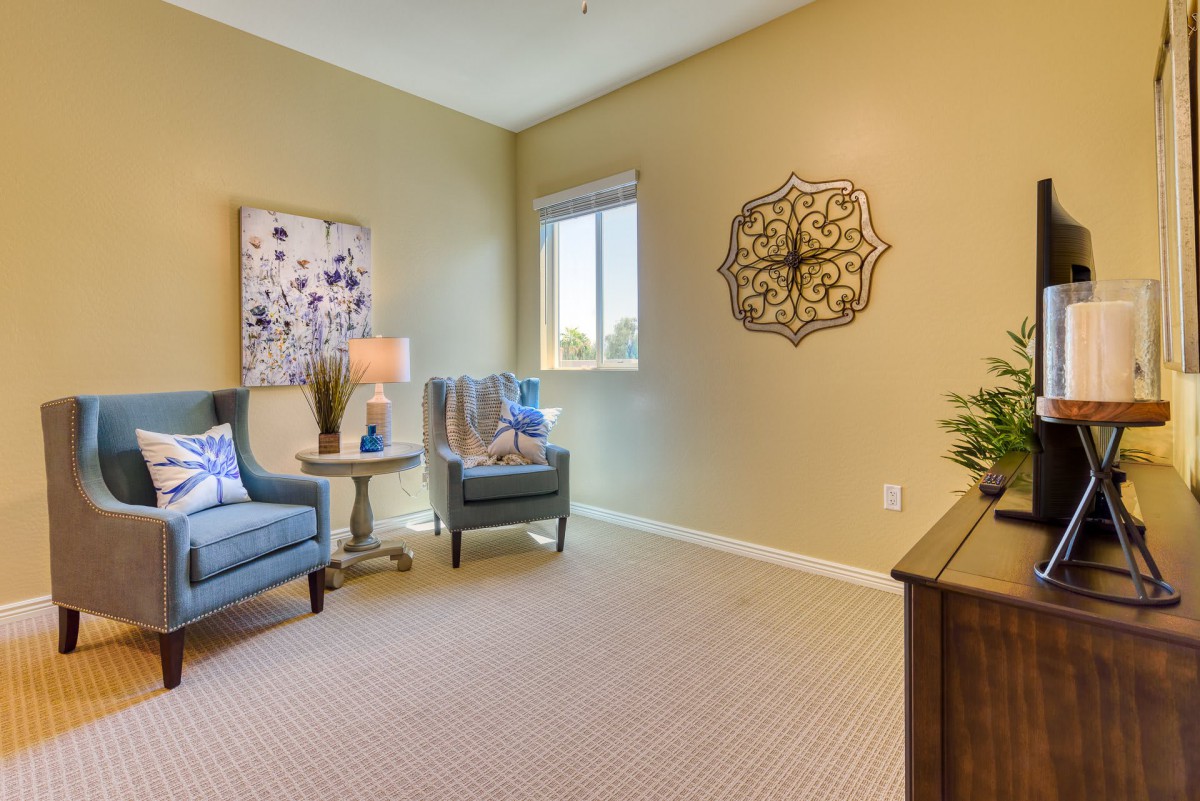
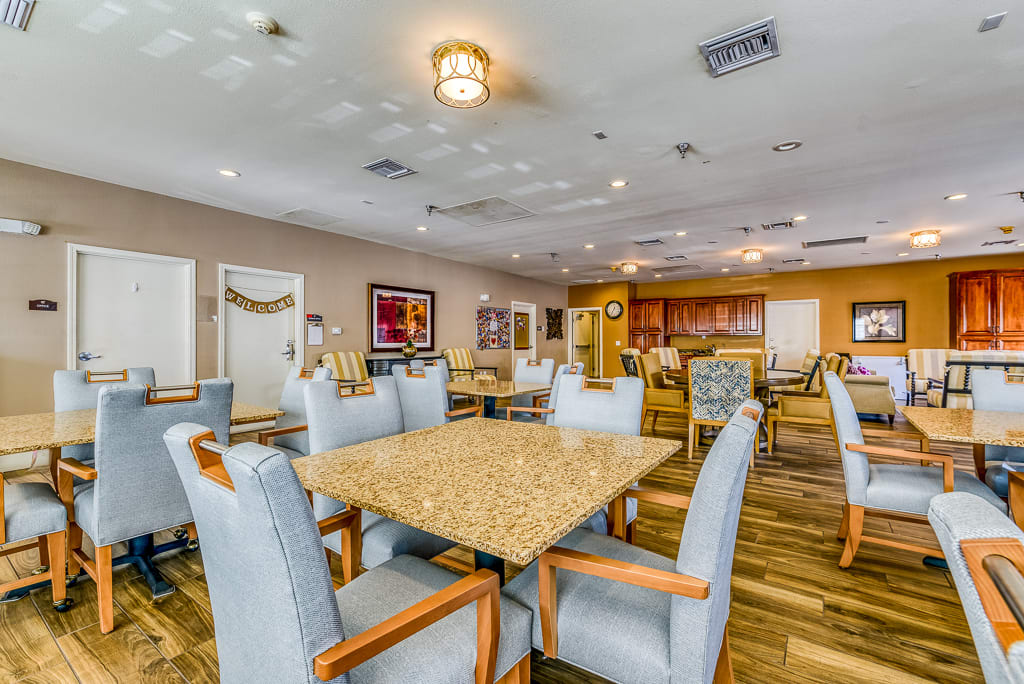
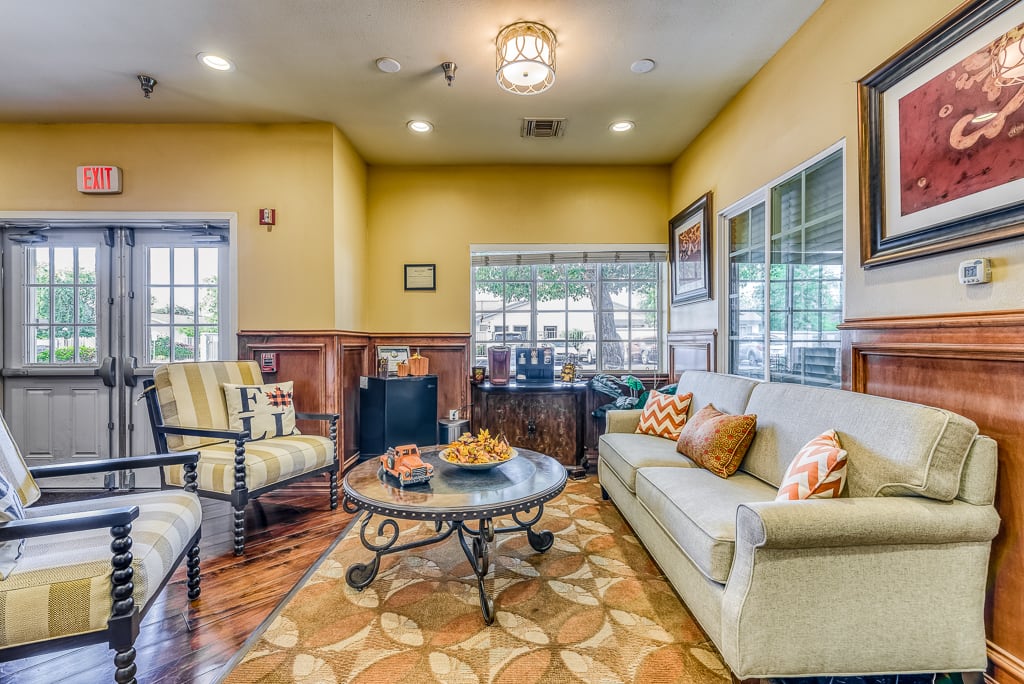
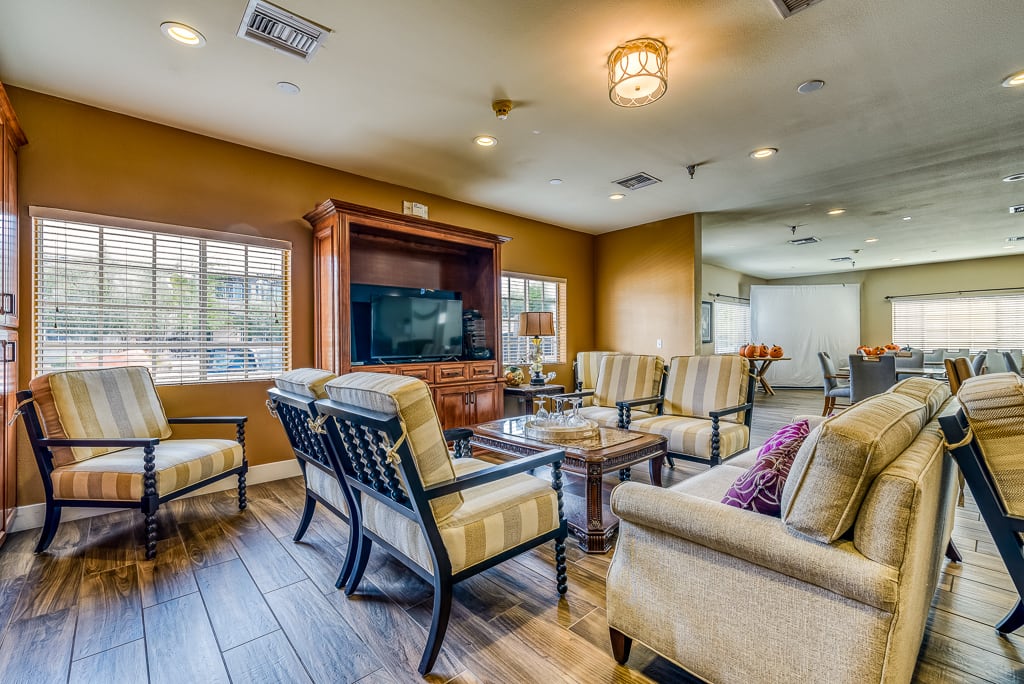
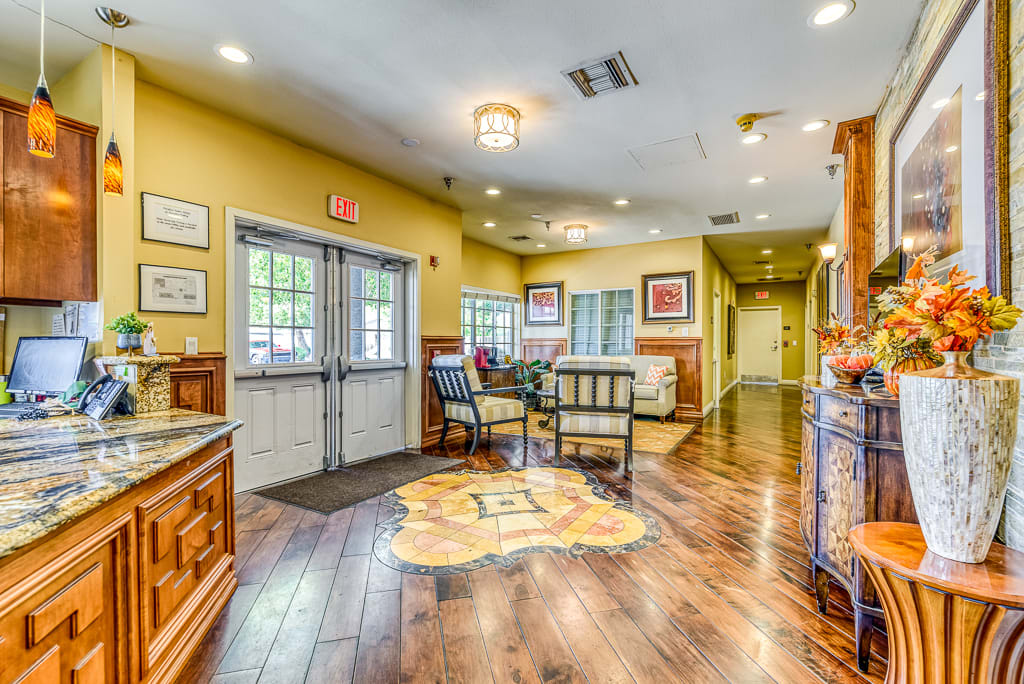
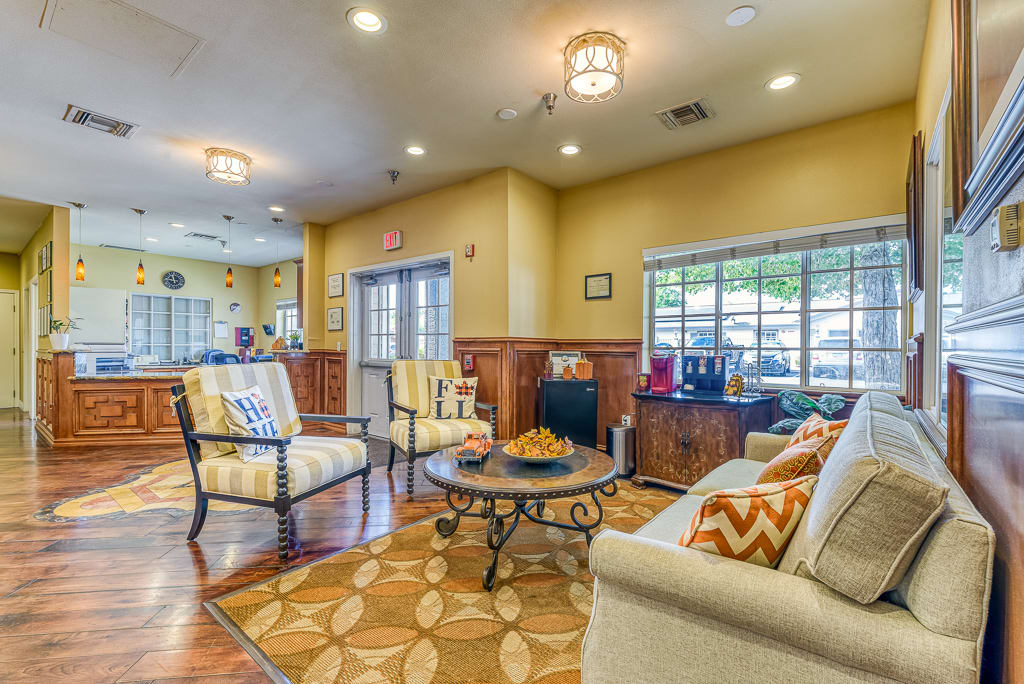
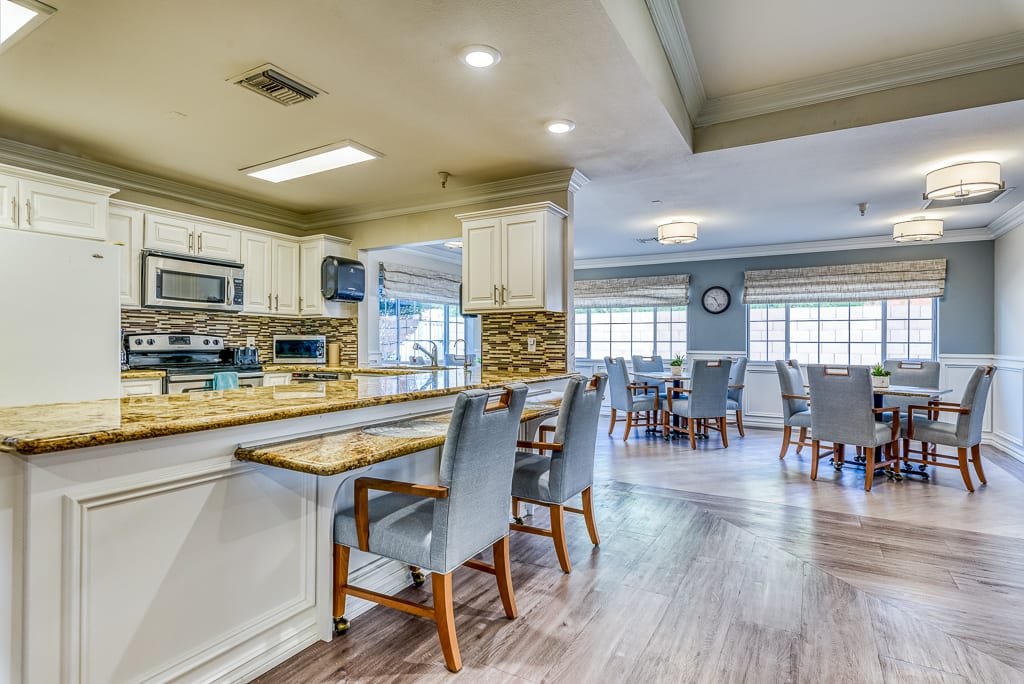
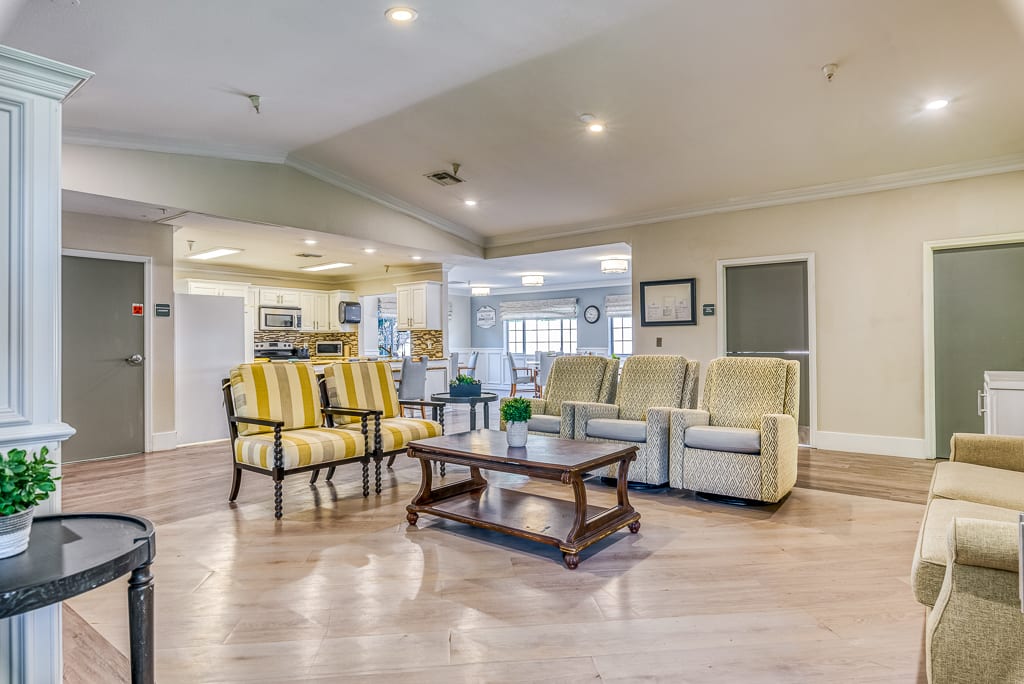
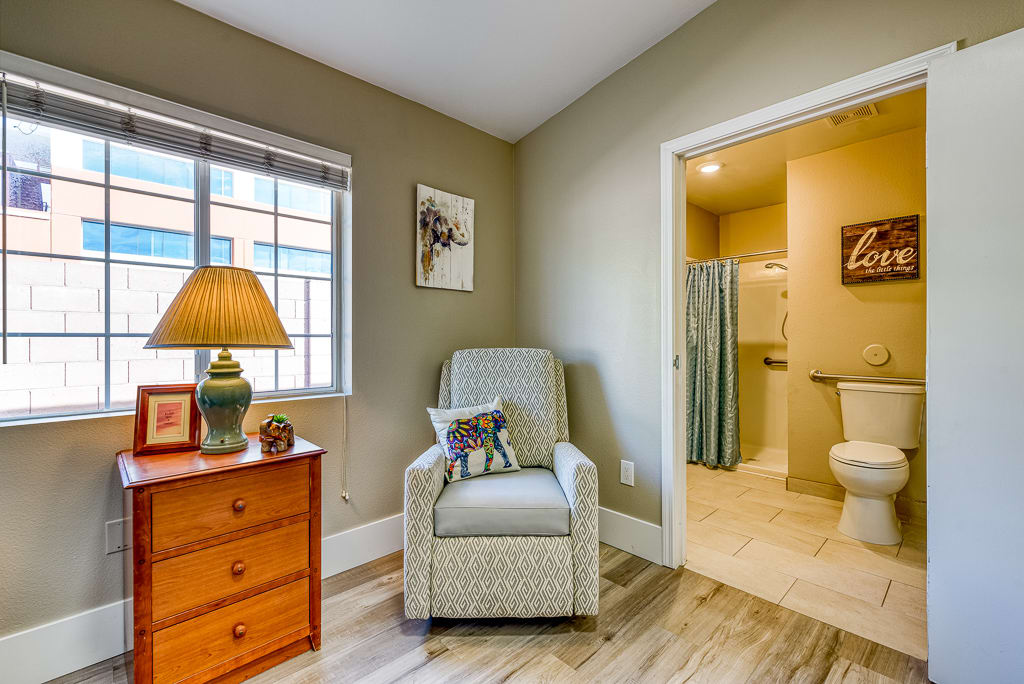
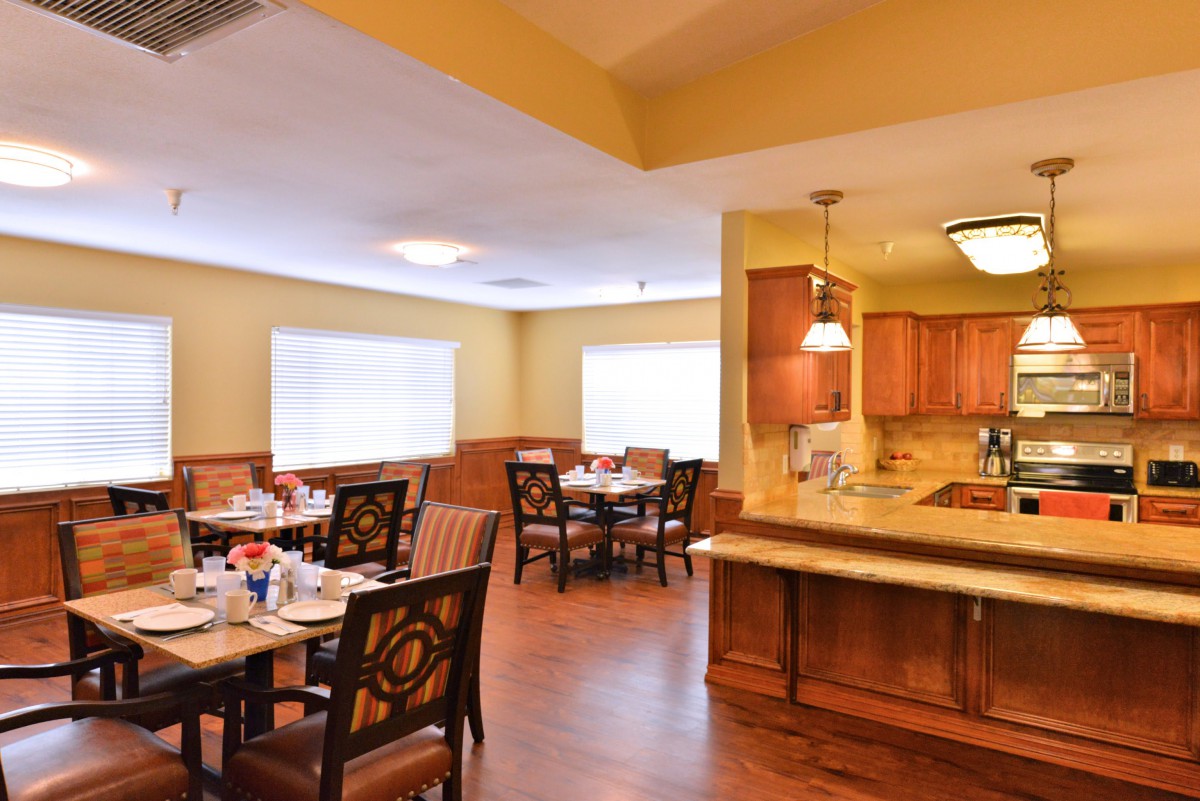
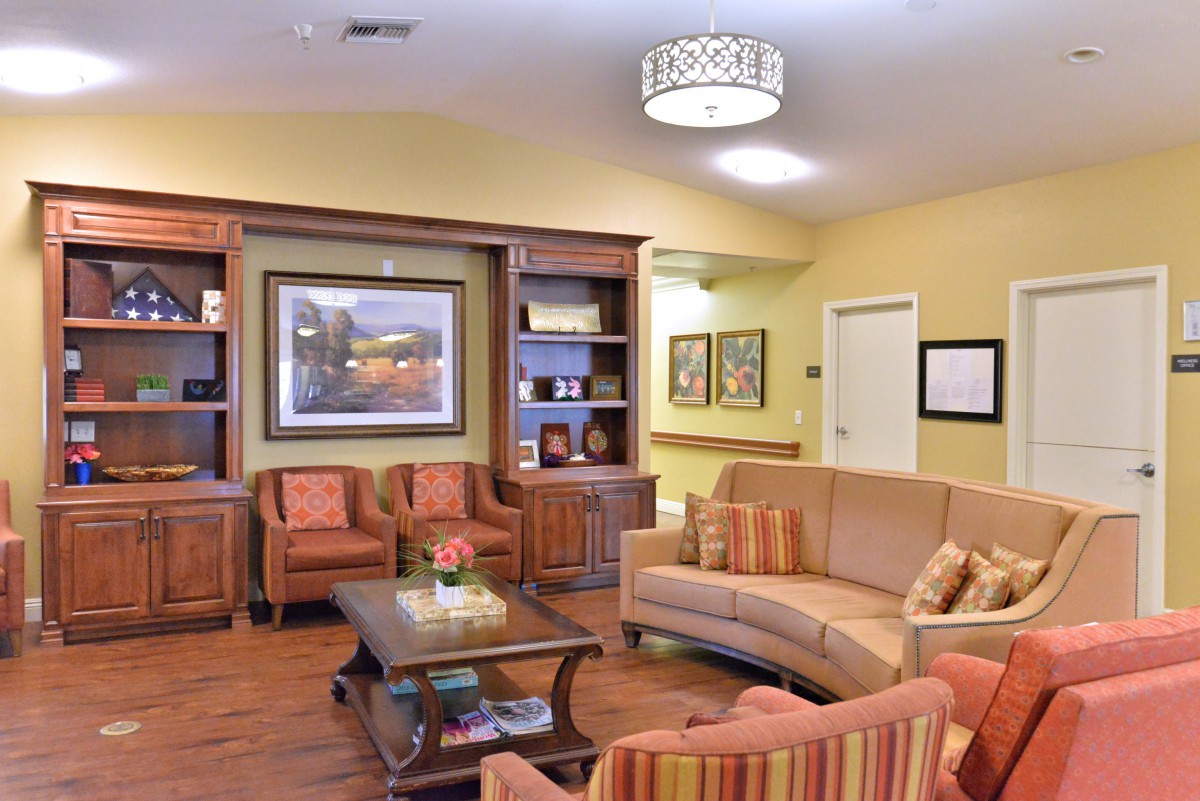
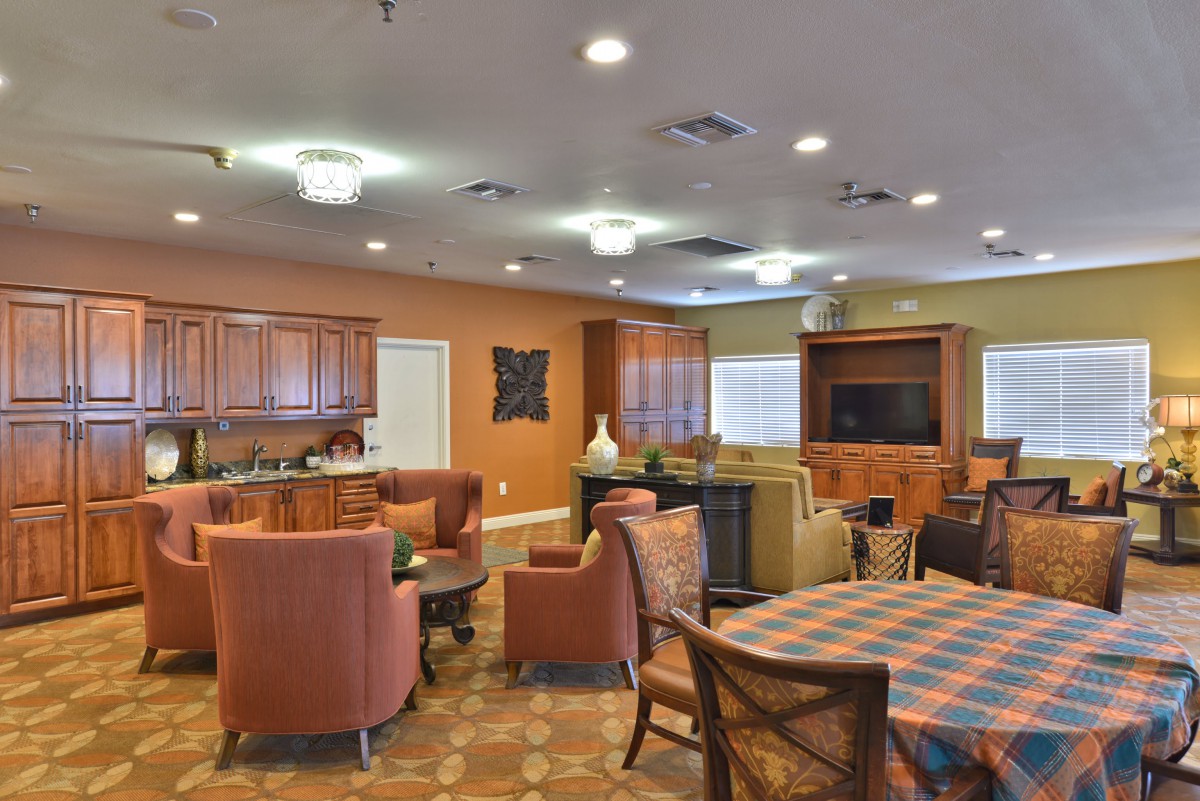
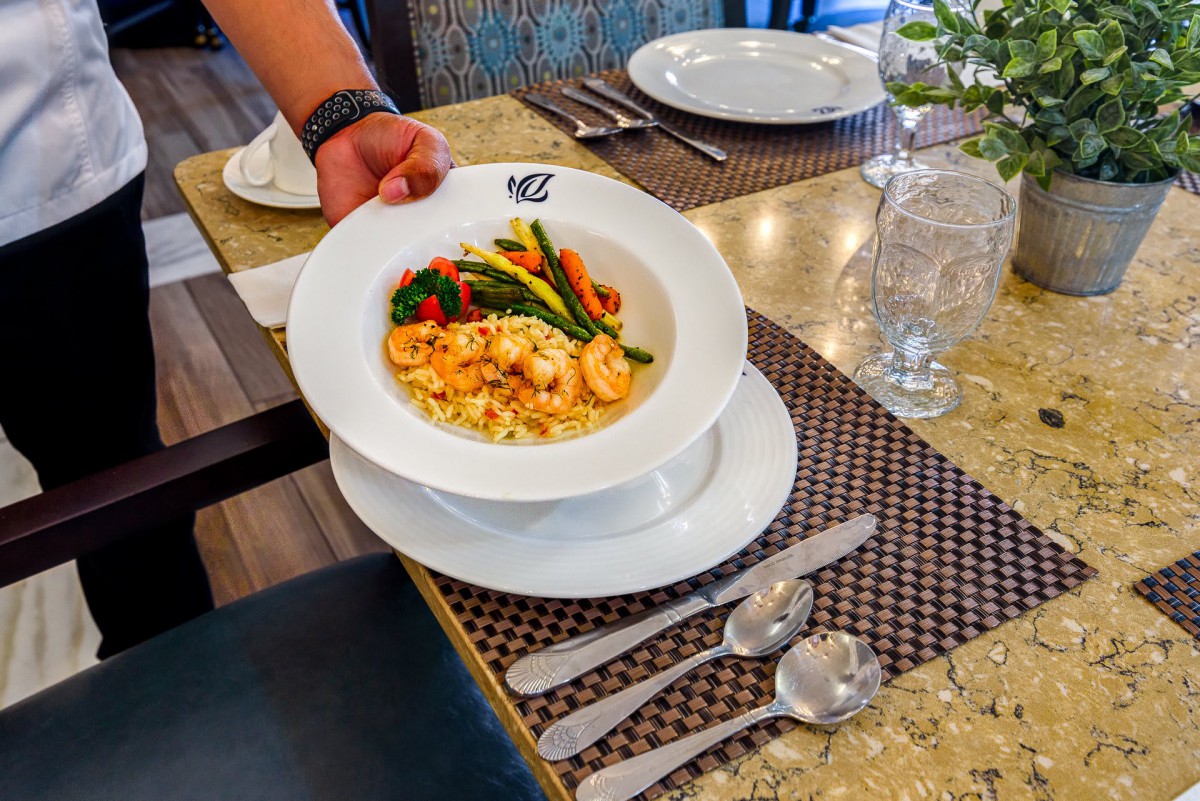
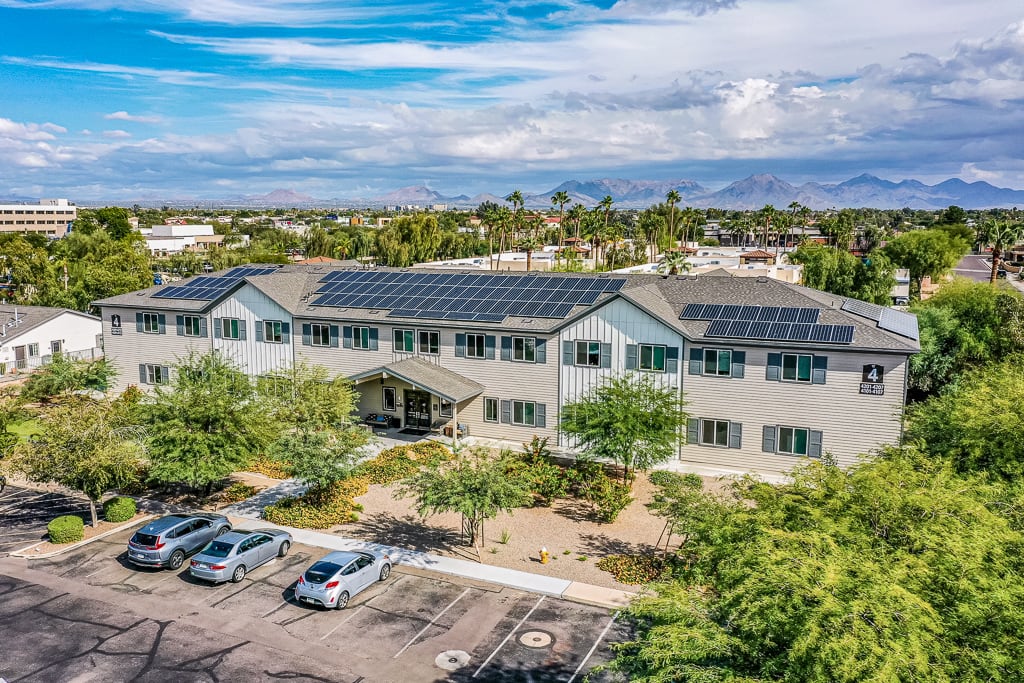
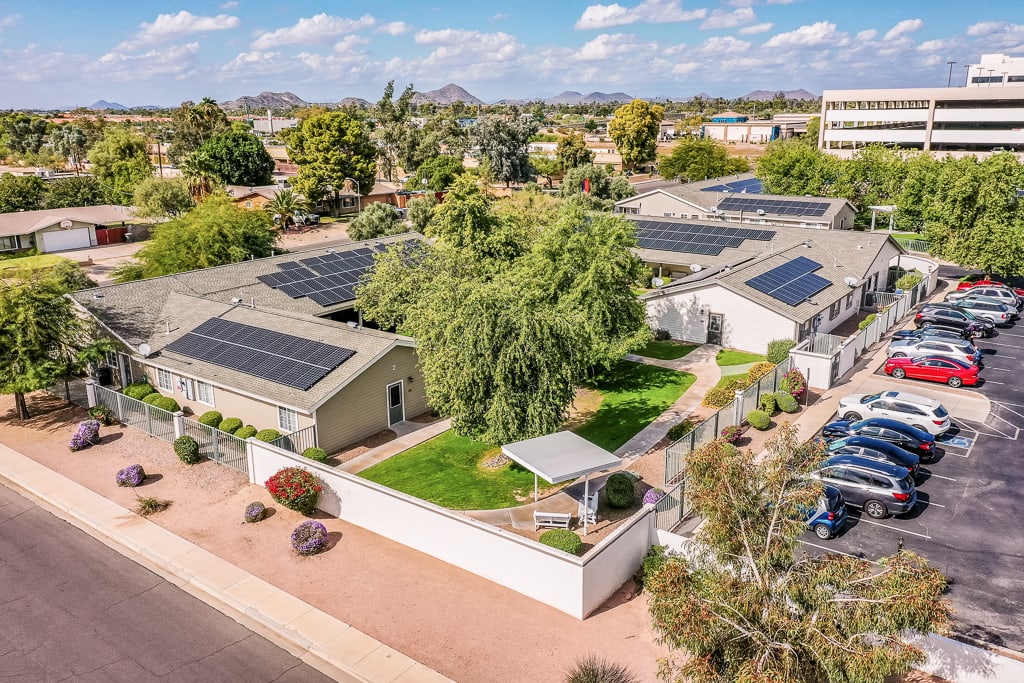
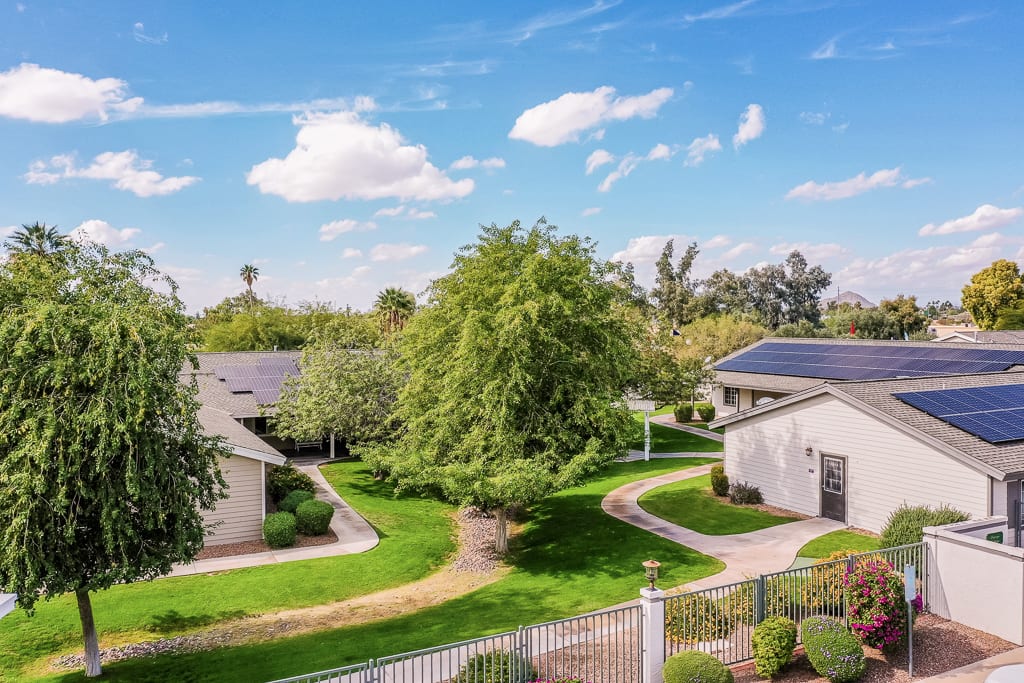
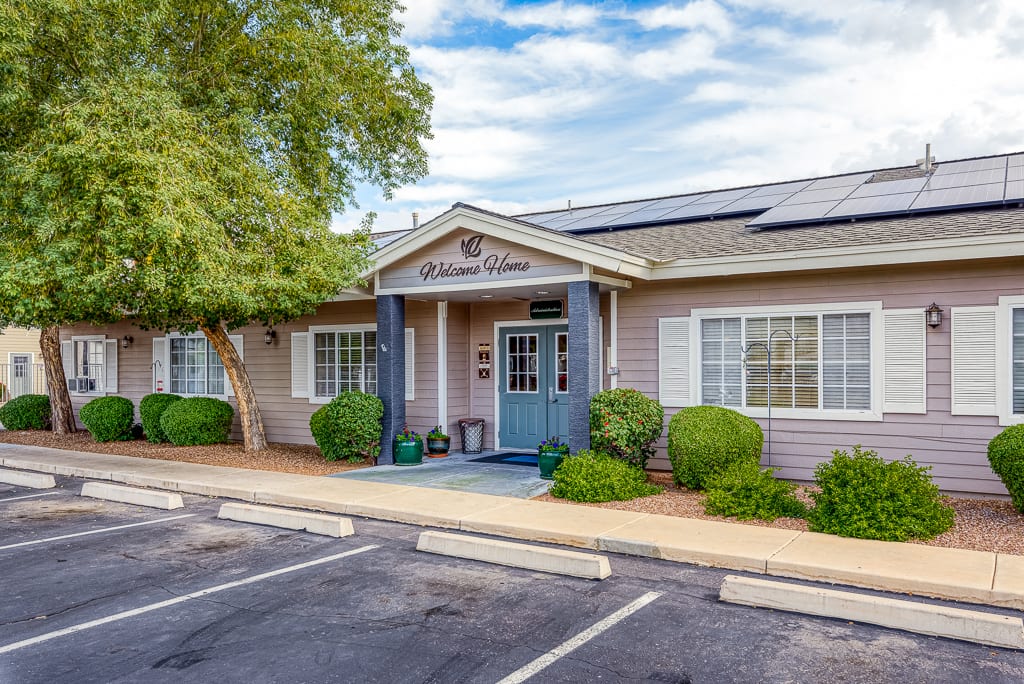
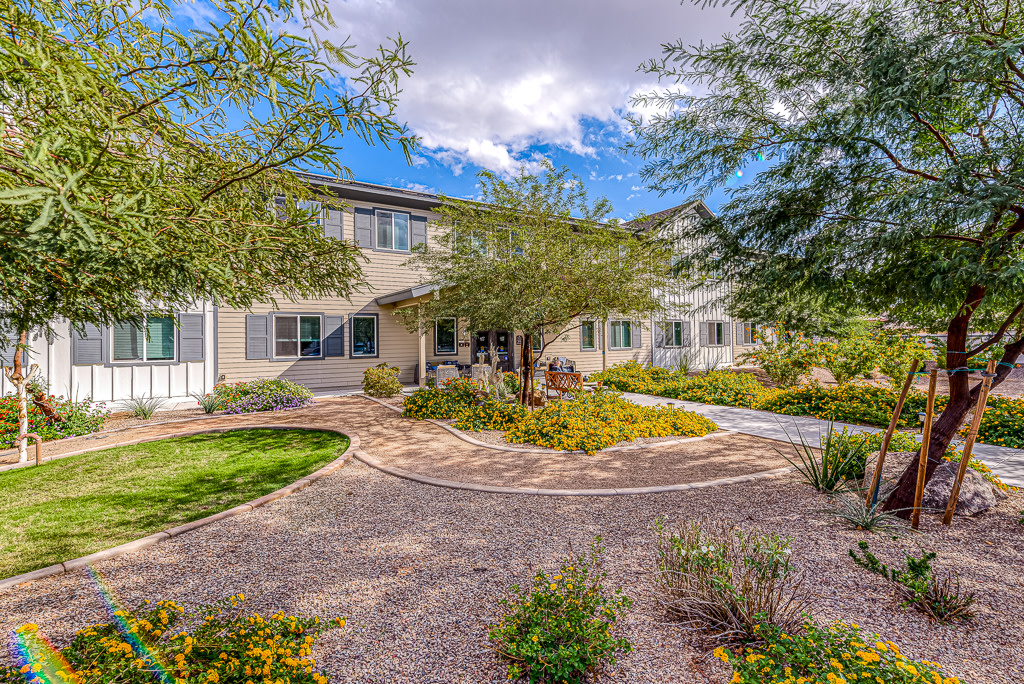
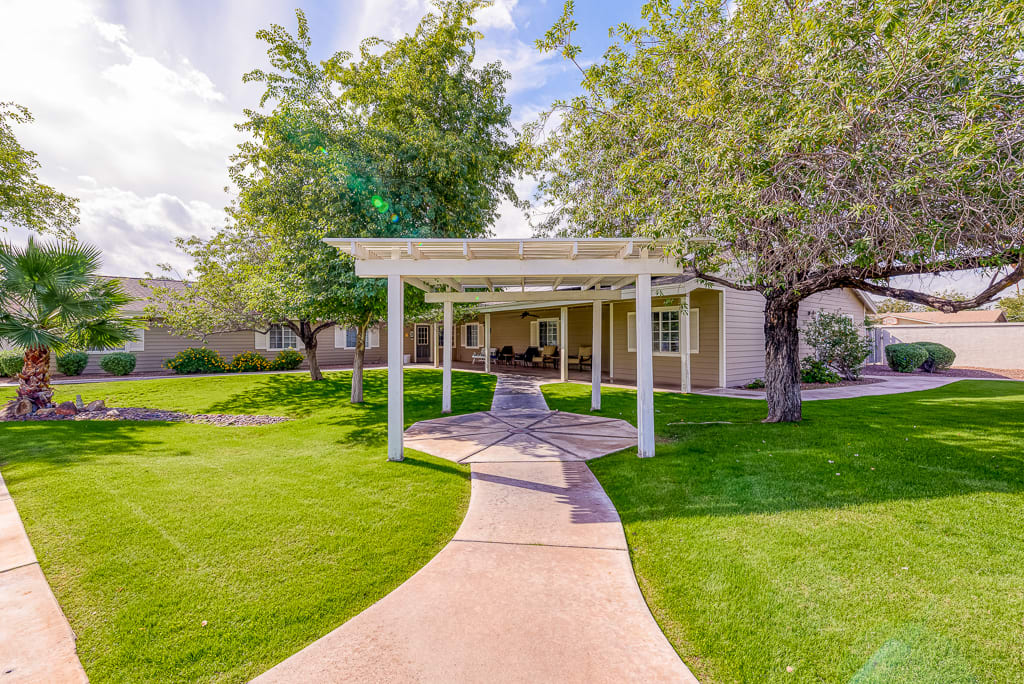
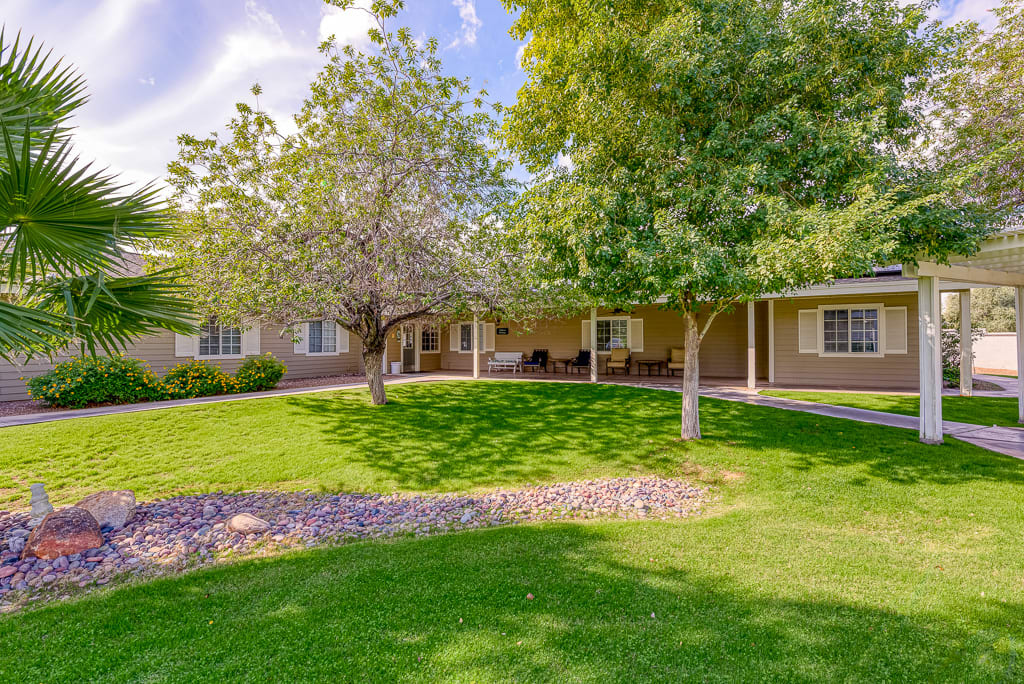
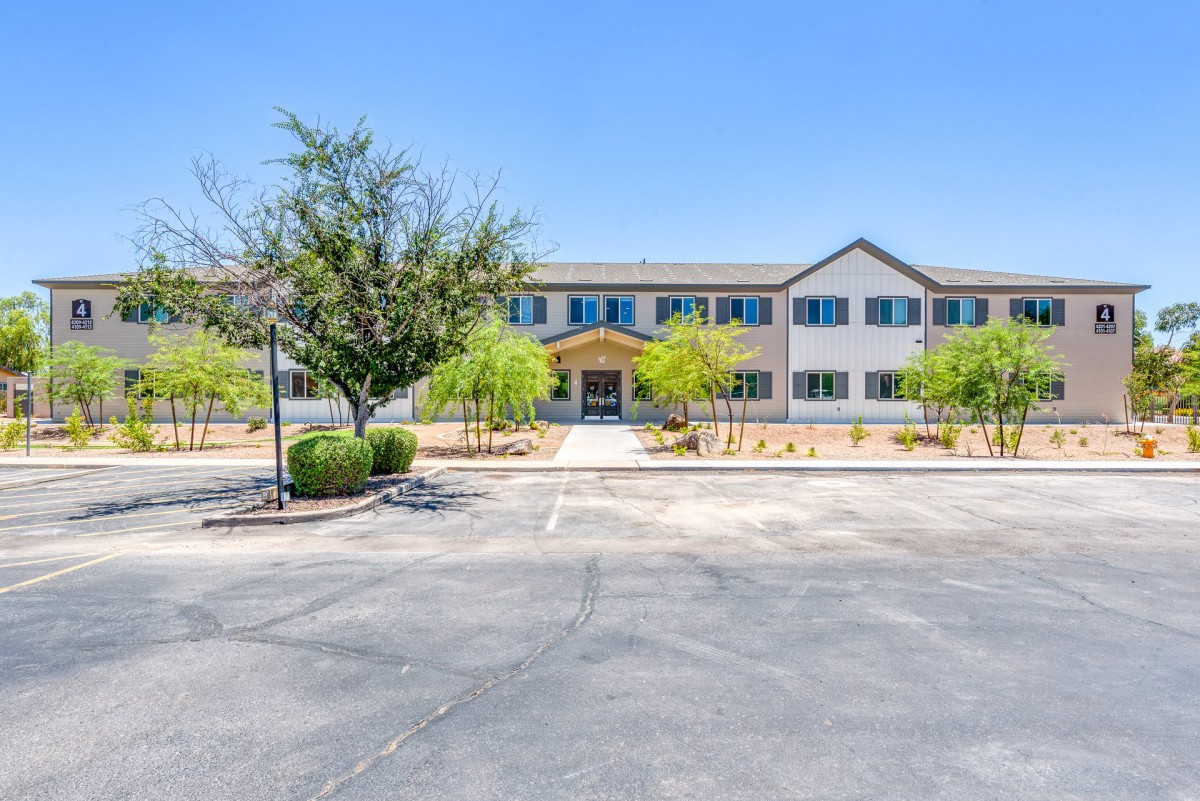
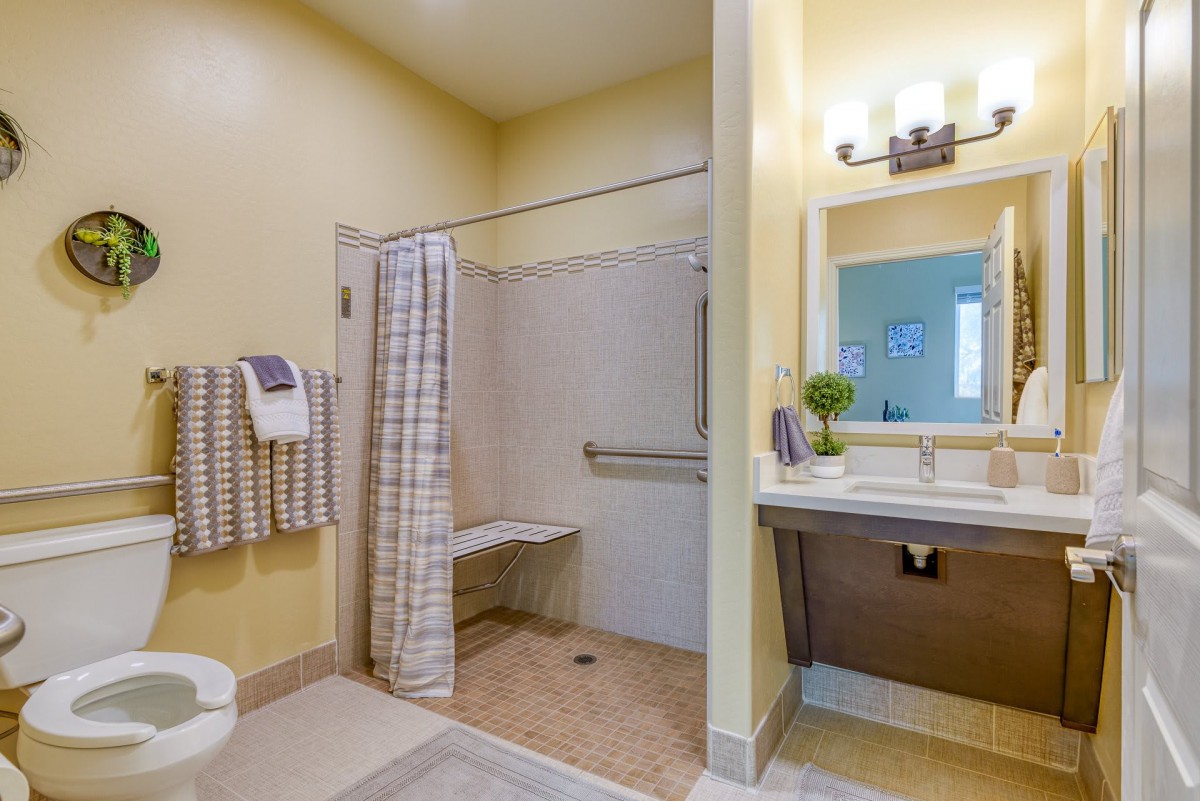
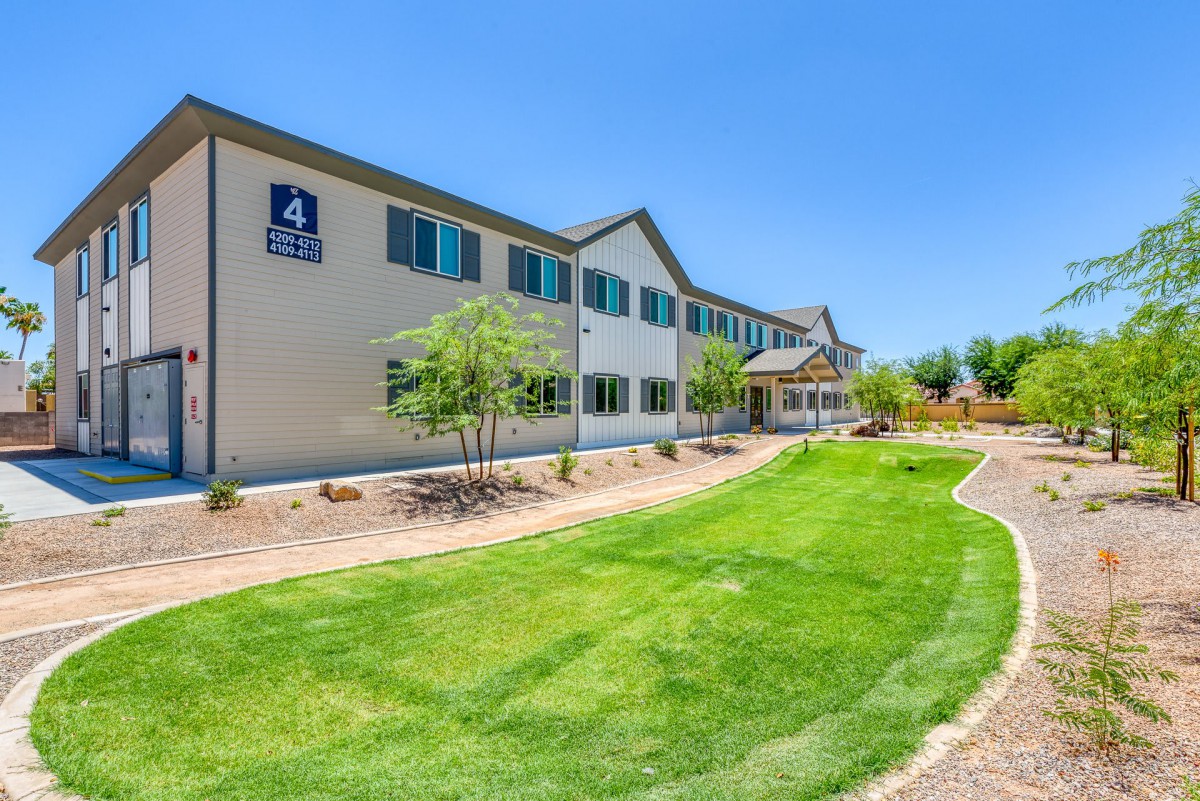
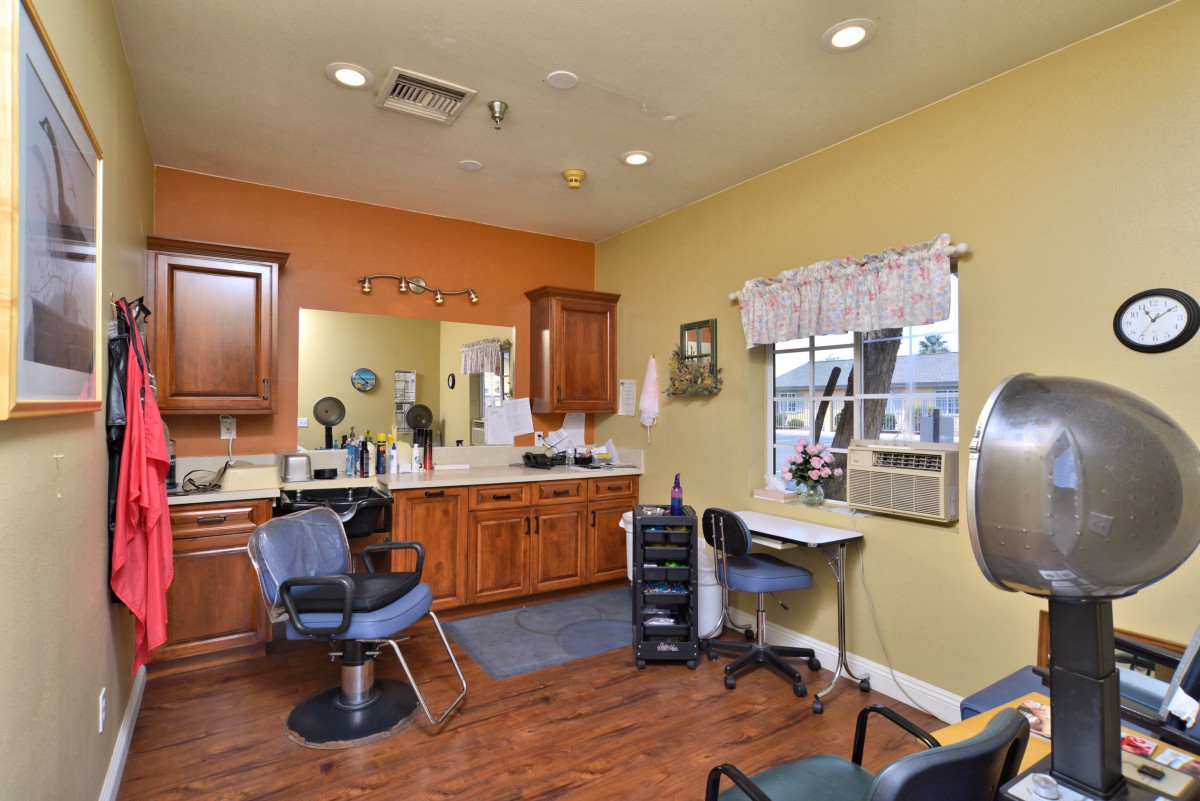
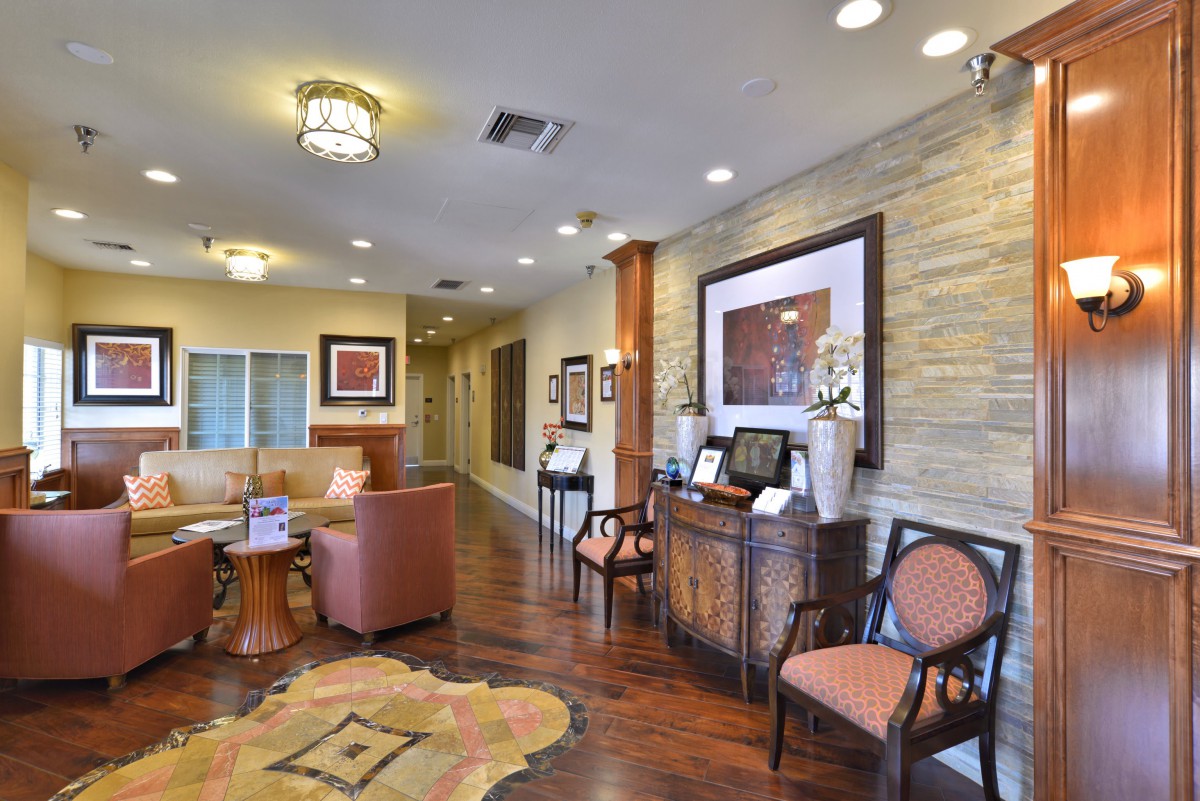
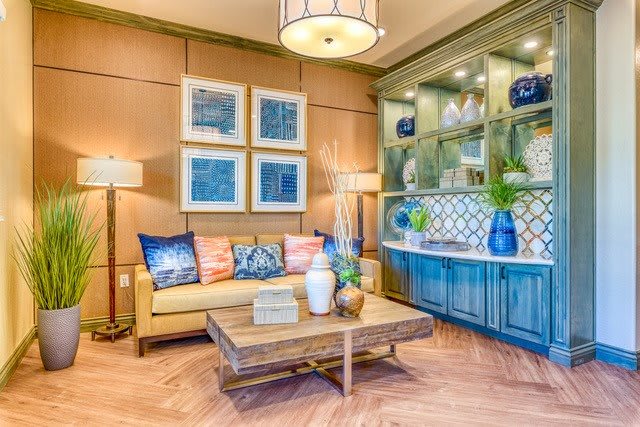
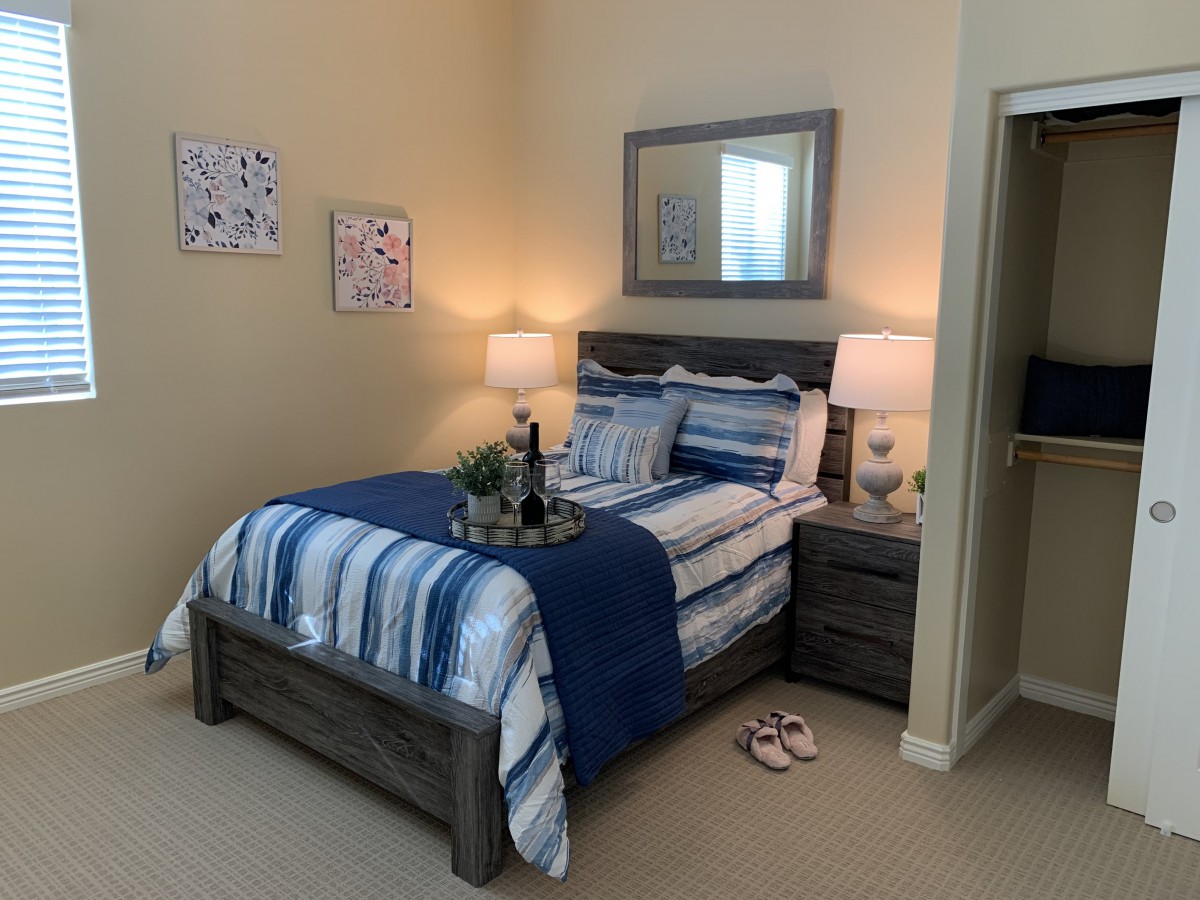
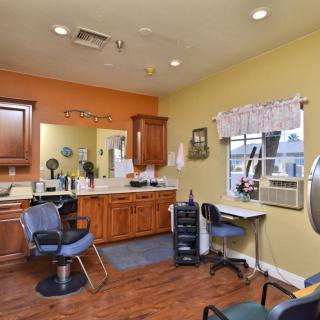
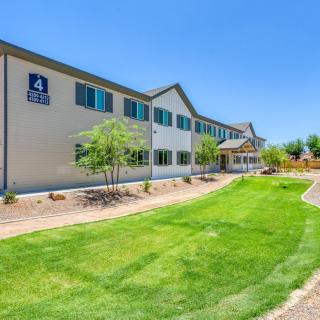
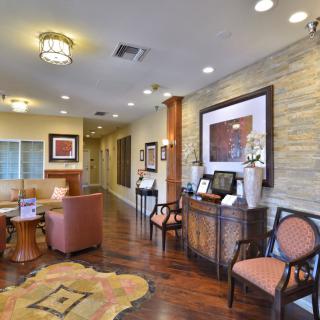
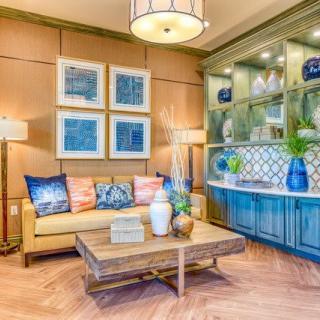
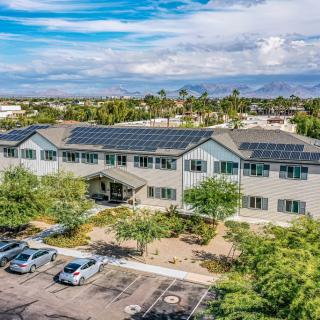
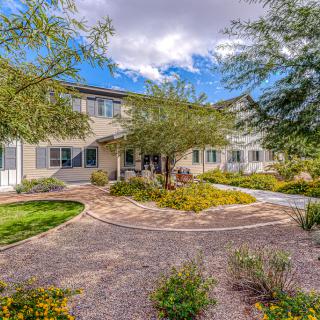
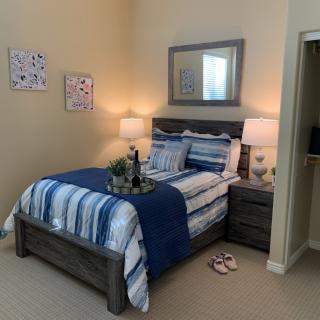
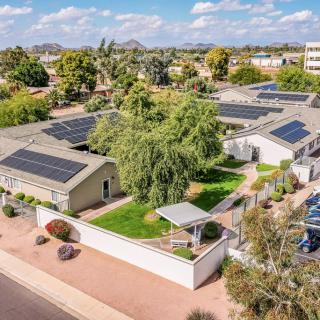
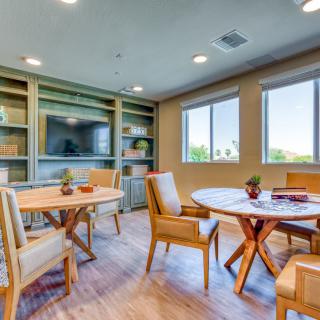
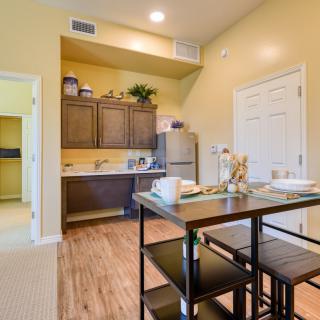
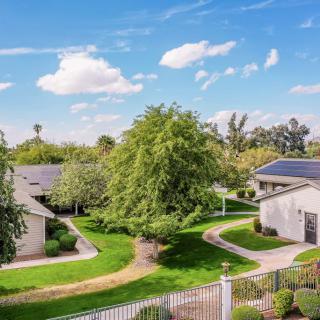
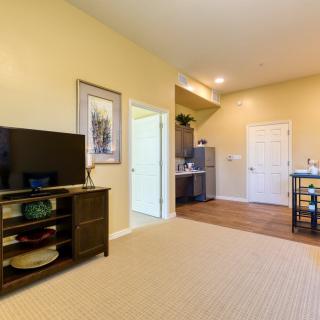
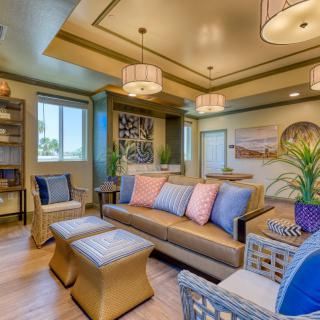
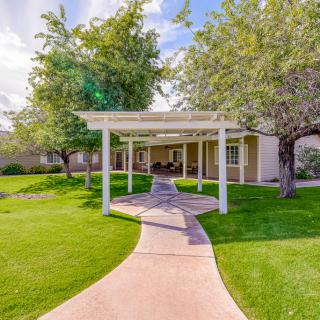
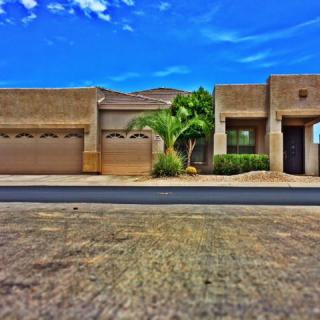
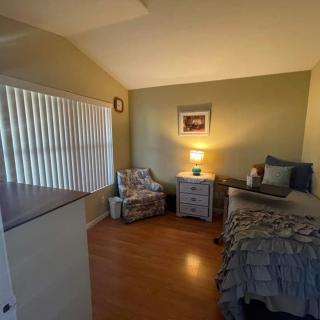
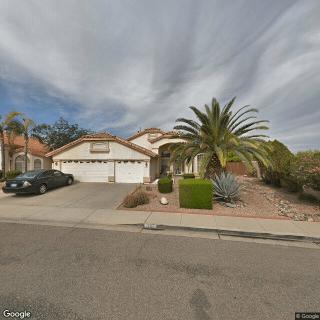
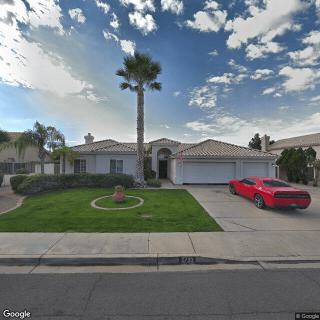
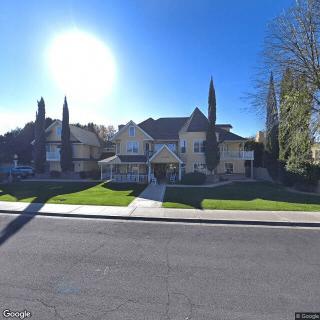
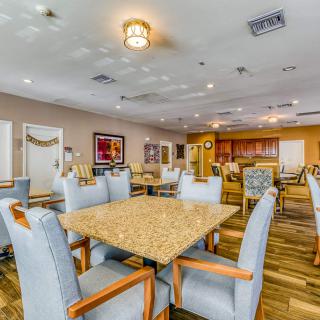
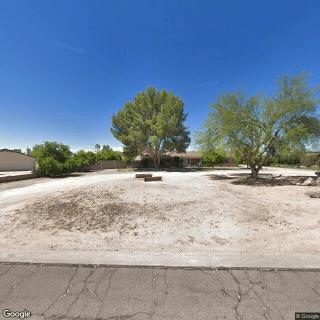
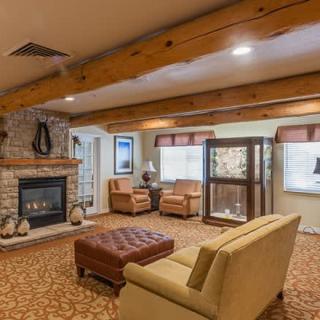
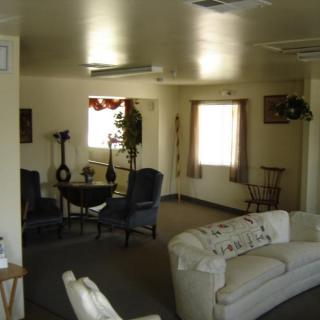
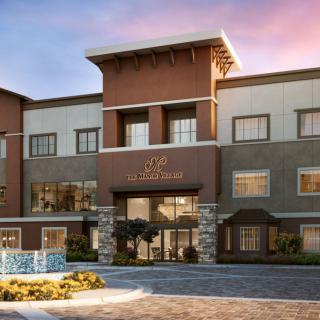
Pacifica Senior Living Paradise Valley on seniors.fyi includes 41 photos including images showing interior, living room, decor, floor plan, landscaping, trees, seating area, artwork, and more.
Nearby Communities
Ridgecrest Healthcare
Winslow, AZ
3.4 from 8 reviews
Clean, well-maintained facility with attentive staff and strong rehab services.
River of Love Adult Care Home II
Phoenix, AZ
4.6 from 10 reviews
$2,000 to $3,000 / month
Affordable private/semi-private rooms; pet-friendly; close to cafes, parks, and healthcare.
Bell Acres Mobile Home Park
Phoenix, AZ
4.1 from 7 reviews
Personalized, supportive care in a peaceful setting.
Marie's Board And Care II
Phoenix, AZ
3 from 2 reviews
Supportive, nurturing assisted living with on-site activities and specialized diabetic care.
Life Care Center Of Paradise Valley
Phoenix, AZ
4.2 from 142 reviews
Some staff show genuine care and responsiveness, with positive experiences on certain floors.
Elders Ranch
Phoenix, AZ
4 from 4 reviews
Affordable pricing for the area with comprehensive care and furnished rooms.
Brookdale Desert Ridge
Phoenix, AZ
4 from 91 reviews
$3,000 to $6,195 / month
Friendly staff, clean facility, and engaging activities.
Arizona Desert Falls
Phoenix, AZ
4.5 from 24 reviews
$2,500 to $4,500 / month
Compassionate, personalized care in a clean, family-like setting with engaging activities.
The Manor Village at Desert Ridge
Phoenix, AZ
4.7 from 114 reviews
$3,640 to $4,628 / month
Warm, welcoming atmosphere with friendly staff and engaging activities.
Dementia encompasses a range of cognitive impairments characterized by types such as Alzheimer's and vascular dementia, and follows a seven-stage progression model known as the Global Deterioration Scale (GDS), highlighting varying symptoms and decline timelines. Early detection allows for lifestyle adjustments to potentially slow progression, while caregivers need support and resources to manage the challenges involved in caring for affected individuals.
The article presents eight strategies for preserving cognitive health and memory in older adults, emphasizing a nutrient-rich diet, regular exercise, intellectually stimulating activities, adequate sleep, social connections, stress management techniques, limiting harmful substances, and regular medical checkups to mitigate age-related memory decline.
Activities of Daily Living (ADLs) are fundamental tasks vital for an individual's independence, particularly in older adults over 85, and include functions like bathing and dressing; assessing ADLs alongside Instrumental Activities of Daily Living (IADLs) helps determine the level of required assistance due to age-related health challenges. Tailored support plans, involving family and community resources, are essential for maintaining dignity and autonomy in assisted living environments.
Natural Light, Conference Room, Meeting Room, and Office Space
Bookshelves
Wall Art
Parking
Office
Shower and Grab Bars
Grass
Fence
Rug
Dining Table and Vegetables
Reception Area
Aerial View
Bright Lighting
Road
Doors
Place Settings
Open Concept
Wooden Flooring
Get PricingAsk A QuestionSchedule A TourContact Senior Advisor
By clicking submit, you agree to our Partner's Terms of Use. You
also consent to receive calls and texts, which may be autodialed, from our Partner. Your consent is not a condition to
using our Partner's service. Please visit our Partner's Privacy Policy for information about their privacy practices.

 84 resident community capacity
 Assisted Living
 Memory Care
 Cats allowed
 Dogs allowed
 Activities off-site
 Air-conditioning
 Beautician on-site
 Cable or satellite TV
 Computer center
 Devotional services on-site
 Dining room
 Fitness room
 Fully furnished
 Gaming room
 Garden
 Ground floor units
 Handicap accessible
 Housekeeping services
 Indoor common areas
 Kitchenette
 Laundry
 Move-in coordination
 Outdoor common areas
 Party space
 Private bathrooms
 Respite or short term stays offered
 Restaurant-style dining
 Small library
 Telephone
 VA Benefits Consultation
 Wellness center
 Wheelchair accessible showers
 Wi-Fi/high-speed internet available
 Phoenix Sky Harbor International (14 miles away)
 Community operated transportation
 12-16 hour nursing
 24-hour call system
 Ambulatory care
 Assistance with bathing
 Assistance with dressing
 Assistance with transfers
 Diabetes diet
 Diabetic care
 High acuity care
 Hospice care
 Incontinence care
 Medication management
 Mental wellness program
 Special dietary restrictions
 Transportation arrangement (medical)
 Art classes
 Brain fitness
 Concierge services
 Cooking classes
 Day trips and outings
 Educational speakers / life long learning
 Games
Games Karaoke
 Live dance or theater performances
 Live musical performances
 Stories
 Trivia games
 Wii bowling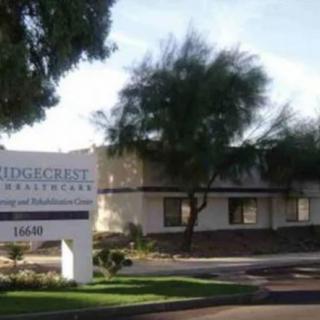
 Clean, well-maintained facility with attentive staff and strong rehab services.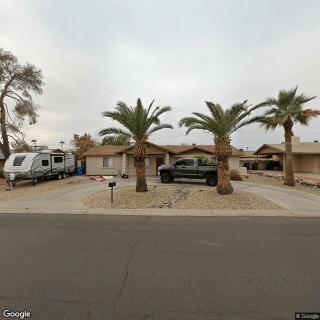


 Understanding Dementia Through Its Seven Stages: A Comprehensive Look at Progression and Expectations
 Safeguarding Your Memory Through the Golden Years: Eight Ways to Preserve Cognitive Health
 Comprehensive Insights into Activities of Daily Living (ADLs) and Their Assessment