
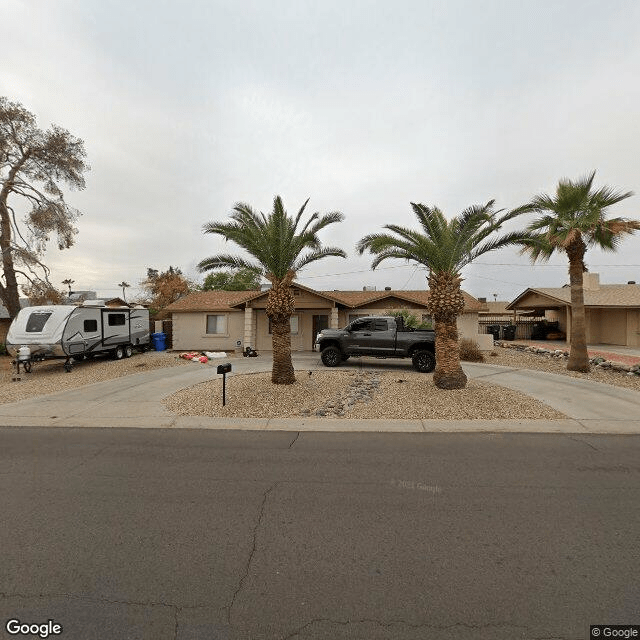
16416 N 38th Street, Phoenix, AZ 85032
To contact a resident: (602) 923-0829
For more information about senior living options: (866) 208-4318
River of Love Adult Care Home II Costs & Pricing
River of Love Adult Care Home II offers competitive pricing for its care services, with costs that stand out favorably against both Maricopa County and the broader state of Arizona. For semi-private accommodations, residents can expect a monthly fee of $2,000, which is significantly lower than the county average of $2,801 and the state average of $2,820. Similarly, private rooms at River of Love are priced at $3,000 per month, making them more affordable compared to Maricopa County's average of $3,318 and Arizona's statewide average of $3,345. This pricing structure not only reflects an attractive option for potential residents seeking quality care but also underscores River of Love's commitment to providing accessible service within the community.
| Floor plans | River of Love Adult Care Home II | Maricopa County | Arizona |
|---|---|---|---|
| Semi-Private | $2,000 | $2,801 | $2,820 |
| Private | $3,000 | $3,318 | $3,345 |
Senior living communities with a similar price nearby
-
About the same

Home Instead - Fountain Hills, AZ
$1,945 to $3,525 / month15.7 miles away -
from -$139 / mo

Endeavor Senior In-Home - Mesa
$1,861 / month20.4 miles away -
About the same
Garcia's Assisted Living Home LLC
$2,000 / month15.8 miles away -
About the same
Martha Bonilla Care Loving Home
$2,000 to $2,200 / month20.3 miles away -
About the same
All Stars Assisted Living
$2,000 to $2,500 / month24.0 miles away
Overall Review of River of Love Adult Care Home II
Pros
 The staff are kind, compassionate, patient, and very communicative with families.
- River of Love feels like a home in a beautiful neighborhood, and its small size allows more time and energy for each resident.
- River of Love has great staff and is a caring place to take loved ones.
- Visitation is generous, with reasonable limits.
- The love, compassion, and grace shown to each resident are unprecedented.
- The staff help families find peace during difficult times.
- The care and love at River of Love are unmatched; it’s described as the best care home in Arizona.
- The owners, Cris and Ema, are patient, loving, competent, professional, and kind.
Cons
 A reviewer described River of Love as horrible.
Review
River of Love Adult Care Home II in Phoenix is best suited for families seeking a genuinely home-like assisted living experience where residents are treated as part of a close-knit family. It works best for elders who value intimate attention, steady communication, and a warm, low‑key environment over a larger, more clinical setting. The setting favors those who want a small community feel, where staff can invest substantial time with each resident and where family involvement is easily woven into daily routines. For seniors who prioritize personal warmth, predictable rhythms, and a sense of belonging, this is a compelling option.
Explicitly, those who should consider alternatives include residents with higher medical acuity or complex nursing needs, or families seeking formal memory-care programs with specialized dementia protocols and more on-site medical staffing. Larger communities often offer more structured activities, broader therapy options, and centralized staffing that can manage frequent medical interventions. If 24/7 skilled nursing support, intensive wound care, or a highly regimented activity calendar backed by dedicated dementia specialists is essential, a bigger operation may serve better. Families evaluating options should also consider if they require a facility with a broader intake pipeline or more robust contingency resources.
The strongest pros center on the human, family-owned character of the operation. Cris and Ema’s leadership translates into a consistently compassionate, patient, and professional caregiving culture that families repeatedly praise. The small size enables a depth of individualized attention: staff can tailor routines, diets, and activities to the resident, and communication with relatives tends to be prompt and direct. The home is described as genuinely part of the family, with open visitation and a welcoming, inclusive atmosphere that reduces anxiety for out-of-town caregivers. Meals are not only flavorful but adaptable to dietary needs, supporting residents on special diets without sacrificing enjoyment. The overall effect is a sense of peace and trust that many families search for during a tumultuous transition.
Nonetheless, the inherent trade-offs of a compact, family-run setting must be acknowledged. The main concerns revolve around limits in medical infrastructure and formal programming. While praise for staff and ownership is unwavering, the capacity to deliver around-the-clock nursing care or advanced clinical services is naturally more constrained than in larger facilities. Residents requiring extensive medical oversight, complex therapies, or dementia programs with specialized staff may find the options thinner here. Capacity dynamics can also influence admissions and scheduling flexibility, though families report that the trade-off is often worth it for the caliber of daily care and the emotional security provided.
Yet the positives do a strong job of offsetting these gaps. The core advantage, unrivaled attentiveness born of small, attentive teams, translates into meticulous oversight of daily needs and quick pivoting when a resident’s preferences shift. The owners’ visible involvement reassures families that care plans are responsive and transparent, not bureaucratic. The inclusive visitation policy, adaptability to dietary needs, and a culture of genuine respect for each member of the “River of Love” family help maintain continuity, reduce stress during transitions, and foster meaningful connections with staff. In practical terms, this translates to fewer caregiver handoffs, more predictable routines, and a home atmosphere where residents can thrive emotionally as well as physically.
Overall, River of Love Adult Care Home II stands out as a pragmatic, deeply humane choice for families who prize intimacy, clear communication, and proactive, personalized care. It is a particularly strong fit for seniors who want to stay engaged in a warm, small-scale setting and for families who want hands-on involvement without sacrificing professional oversight. Those weighing alternatives should bring a clear view of medical needs, cognitive support requirements, and the importance of structured programming. For the right resident, with compatible needs and family expectations, this Phoenix home offers exceptional value through its authentic care, dedicated leadership, and heartfelt community.
 Board and Care Home
 Cats allowed
 Dogs allowed
 Private
 Phoenix Sky Harbor International (14 miles away)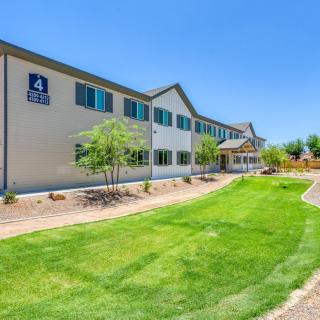



 A Detailed Examination of Nursing Home Costs Across the U.S.
 Exploring Nonmedical Home Care: Understanding Services, Costs, and Financial Approaches
 Engaging Brain Games and Innovative Apps to Keep Senior Minds Active