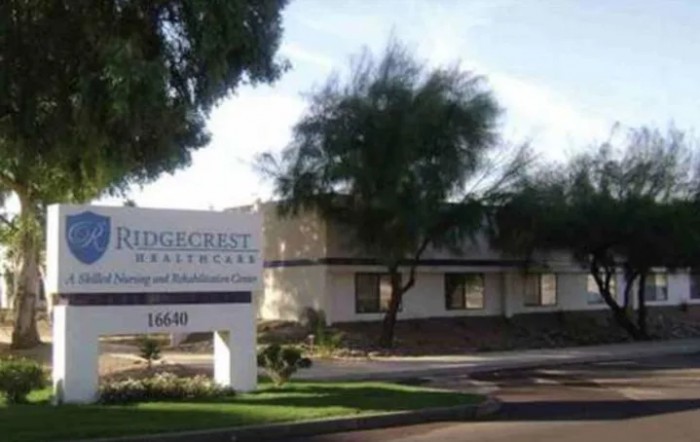

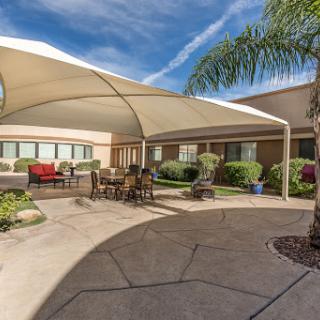
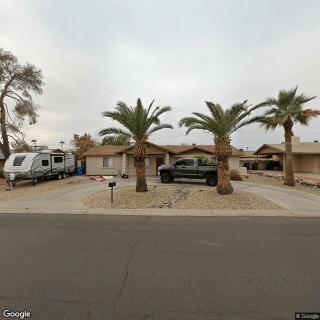
16640 North 38th Street, Winslow, AZ 85032
For more information about senior living options: (866) 208-4318
Overall Review of Ridgecrest Healthcare
Pros
 Ridgecrest is a great place to recover from illness or injury.
- The staff are cordial, friendly, and professional, and attentive to residents' needs.
- They have taken excellent care of residents and provided effective physical therapy to help them go home.
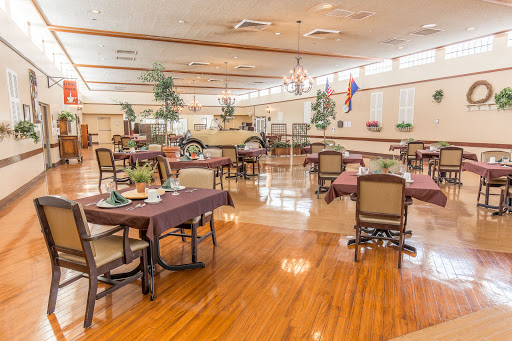
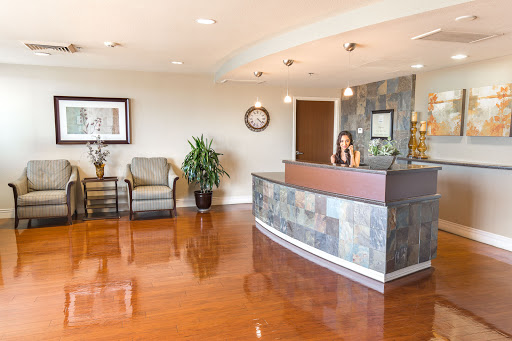
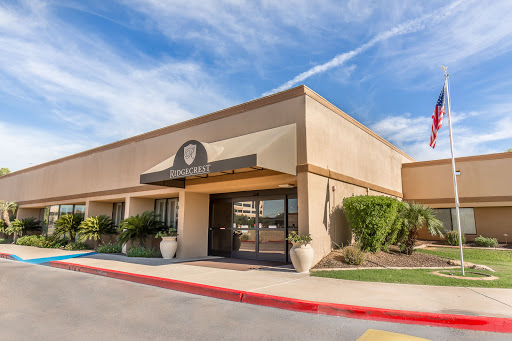
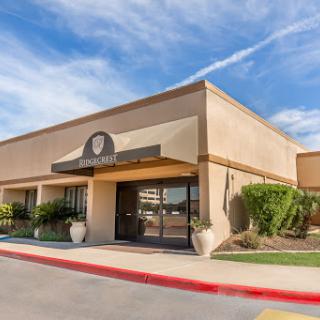
- The facility is new, clean, on one floor, and well maintained.
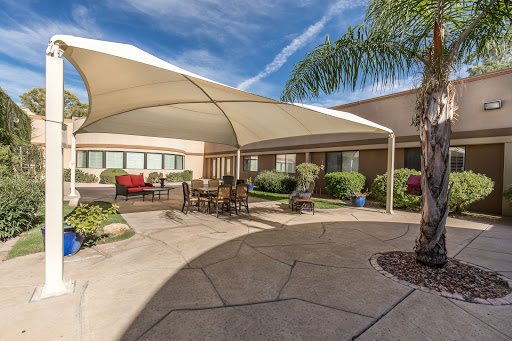
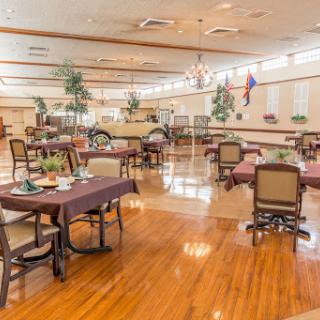
- The memory care unit has its own dining room and a secure outdoor patio.
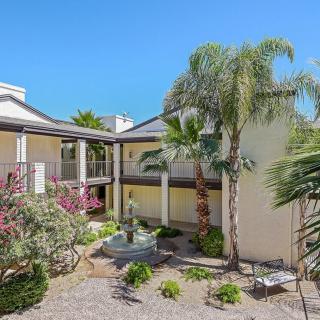
- There is a large outdoor patio and garden where residents can congregate.
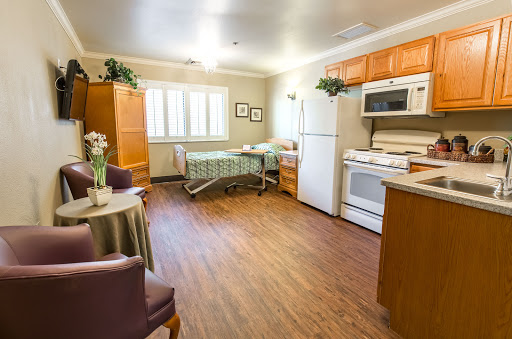
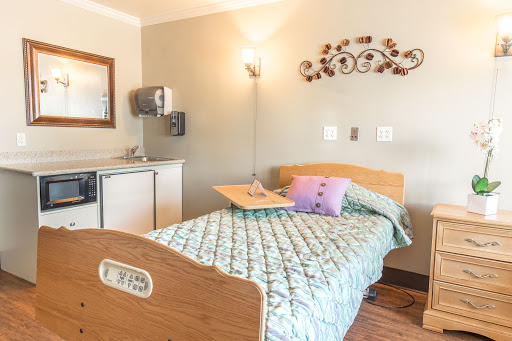
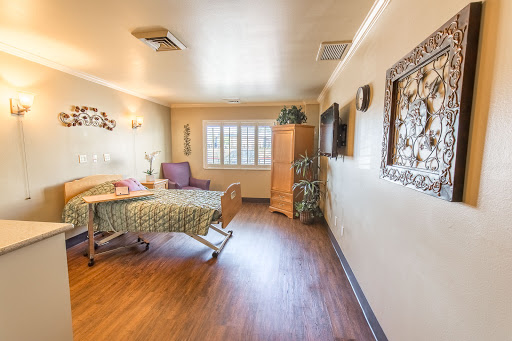
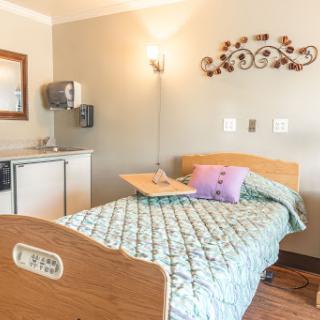
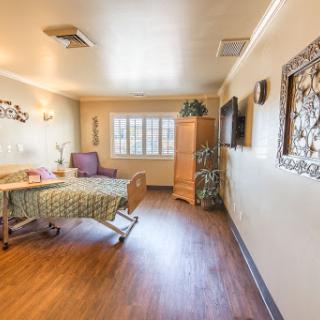
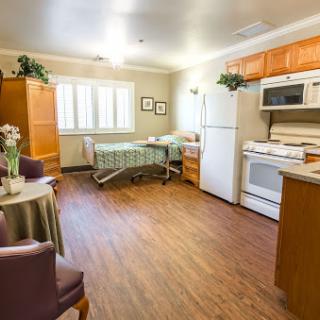
- Private rooms with patios are spacious and clean.
- Caregivers are attentive, and there is a good resident-to-staff ratio.
Cons
 The staff were overworked with too many residents to handle, leading to inadequate attention to residents.
- There was a clear lack of caring, causing the reviewer to pull their family member out.
- The patient with dementia was not placed in the dementia unit and was not supervised, resulting in two unsupervised falls and an ICU stay.
- The facility was understaffed; never more than two nurses on the wing, and the nurses’ station was never staffed.
- The nurses were overworked, always in a hurry and visibly stressed.
- The patient’s tray table was often out of reach, meals were untouched and cold, and meals were spaced too far apart, causing insulin shocks; water was rarely available.
- There was a significant delay in addressing a suspected infection, leading to MRSA and multiple surgeries.
- Belongings were placed in a plastic bag with trash, which felt insulting.
Review
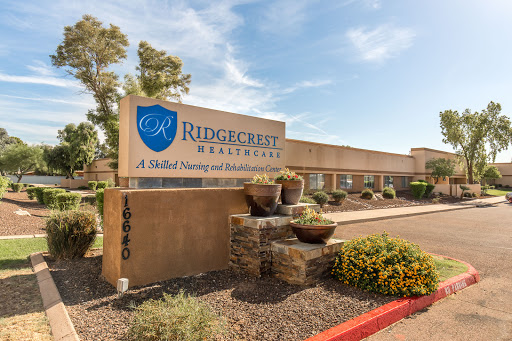
Ridgecrest Healthcare in Winslow is best suited for seniors who need focused short-term rehabilitation and recovery support in a compact, one-floor setting. The facility’s design, private rooms with outdoor patios, a dementia-appropriate unit, and a clearly organized rehab program, creates an environment where therapy teams can push a resident toward independence and discharge. For families seeking a concrete plan to regain function after surgery or illness, and who appreciate a contained campus with accessible amenities and routine activities, Ridgecrest can deliver solid progress. This is not the right fit for those demanding flawless, continuous 24/7 supervision or long-term care where very high-touch, around-the-clock attention is non-negotiable.
Those who should consider alternatives are families facing high-stakes supervision needs or complex medical risk. A loved one with a history of numerous, high-fall incidents or one who requires constant surveillance should be steered toward a setting with stronger staffing stability and tighter safety protocols. Similarly, memory care residents with challenging behaviors or significant wound, infection, or diabetic management needs may encounter gaps if staff are consistently stretched. Infections and urgent post-op concerns reported in some cases underscore the importance of a facility with proven, immediate responsiveness and a robust nursing presence.
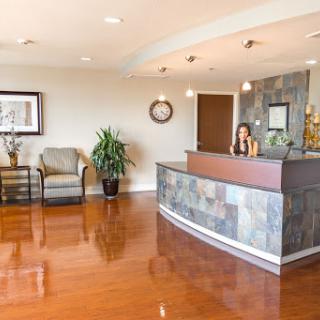
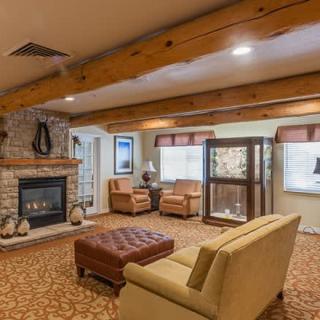
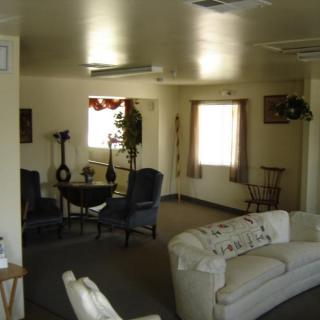
The strongest positives center on recovery-centric care and a welcoming physical footprint. Ridgecrest has a modern, clean, and navigable environment, with a smaller campus feel that keeps care more personal and less overwhelming. The dementia unit, separate memory care dining, and the option of private rooms with their own patios contribute to dignity and comfort for residents who benefit from a calmer, contained setting. An active calendar, group exercise, music, occasional massages, and onsite services, helps residents stay engaged and emotionally buoyed during recovery. For families who value a clear rehabilitation pathway and meaningful daily activities, these features matter.
Yet the downsides are material and frequently reinforced by multiple families. Understaffing surfaces in several ways: too few nurses for an entire wing, hurried caregivers, and limited visible supervision. This translates to lapses in basic attention, meals cold or left untouched, hydration gaps, and delays in routine care, concerns that become acute for diabetics or residents requiring assistance with daily tasks. The most troubling accounts describe unsafe situations, from unsupervised episodes leading to falls to severe infections that were not addressed promptly, culminating in serious medical consequences. The appearance of care gaps around wound management and even the handling of a resident’s personal belongings compounds the risk of residents feeling neglected or disrespected.
In weighing the pros and cons, the rehab-focused strength and the comfortable, accessible environment can offset some risk for families prioritizing short-term recovery and a less intimidating setting. When staffing is adequately available, the care team can deliver meaningful progress, and residents can benefit from the facility’s structured routines and engaging activities. However, the main cons, systemic under-staffing, inconsistent supervision, and the potential for slow response to medical concerns, can erode the advantages quickly, especially for long-term planning or for residents with complex medical or behavioral needs. Prospective families should not assume “improvement over time” will erase systematic care gaps; the residual risk remains a decisive factor.
Actionable next steps are essential. Schedule a visit during multiple shifts to observe nurse-to-patient ratios and responsiveness, and specifically request to speak with the nursing leadership about how staffing is allocated during peak times. Ask to review the dementia care protocol, incident history, wound care response times, and the process for escalating urgent concerns. Tour both the rehab area and memory care unit, and probe how meals, hydration, and medication management are handled in real time. Finally, compare Ridgecrest with other options that offer proven staffing stability, stronger infection control records, and a track record of consistent, attentive care for residents with both rehabilitation and long-term needs.
 200 resident community capacity
 Assisted Living
 Skilled Nursing Facility
 Air-conditioning
 Beauty salon
 Cable or satellite TV
 Computer center
 Dining room
 Fitness room
 Fully furnished
 Gaming room
 Garden
 Housekeeping services
 Kitchenette
 Move-in coordination
 Outdoor space
 Private bathrooms
 Restaurant-style dining
 Small library
 Telephone
 Wellness center
 Wi-Fi/high-speed internet available
 Phoenix Sky Harbor International (14 miles away)
 Community operated transportation
 24-hour call system
 Activities of daily living assistance
 Assistance with bathing
 Assistance with dressing
 Assistance with transfers
 Diabetes diet
 Medication management
 Special dietary restrictions
 Concierge services
 Planned day trips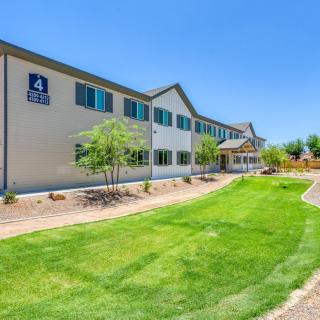



 8 Key Indicators That Suggest It May Be Time to Transition from Assisted Living to Skilled Nursing Care
 Vibrant Senior Living: A Comprehensive Guide for Active Older Adults
 When to Transition from Assisted Living to Memory Care: Key Indicators, Steps, and Finding the Right Community