
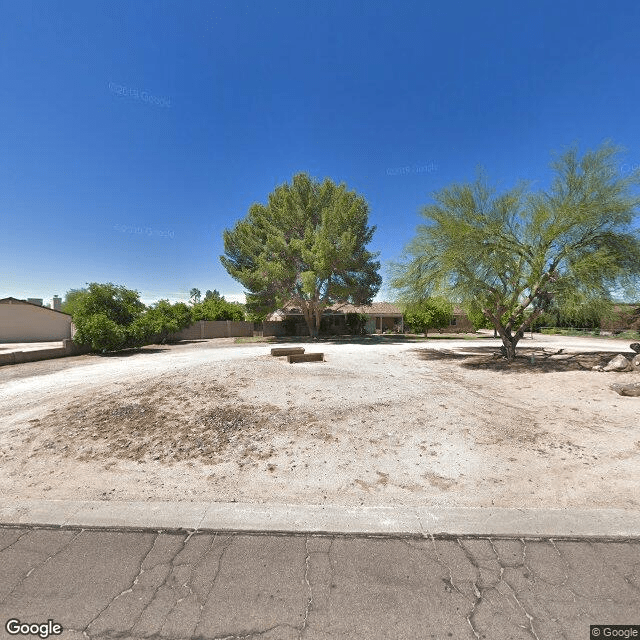
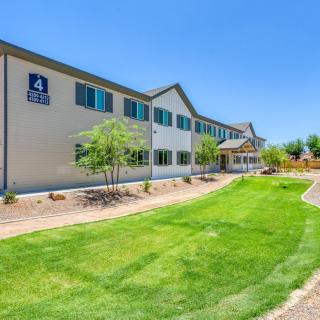
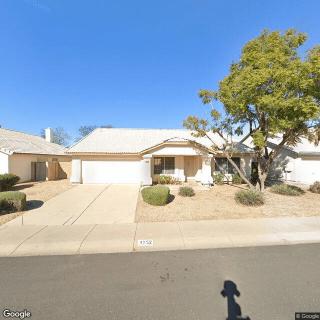
16802 North 43Rd Street, Phoenix, AZ 85032
To contact a resident: (602) 882-2416
For more information about senior living options: (866) 208-4318
Elders Ranch Costs & Pricing
Elders Ranch offers competitive pricing for its accommodations, making it an attractive option for seniors seeking assisted living. For a semi-private room, residents can expect to pay $2,700 per month, which is notably lower than the average costs in Maricopa County and the broader state of Arizona, priced at $2,801 and $2,820 respectively. Similarly, both private rooms and one-bedroom units at Elders Ranch are available for $3,500 each - again undercutting the county's average of $3,318 and state average of $3,345 for private accommodations. This positioning allows Elders Ranch to provide quality care while ensuring affordability compared to local alternatives.
| Floor plans | Elders Ranch | Maricopa County | Arizona |
|---|---|---|---|
| Semi-Private | $2,700 | $2,801 | $2,820 |
| Private | $3,500 | $3,318 | $3,345 |
| 1 Bedroom | $3,500 | $3,473 | $3,532 |
Overall Review of Elders Ranch
Pros
 Elder's Ranch is an amazing group home.
- The care takers are genuinely positive, ethical, and caring people.
- The dad rests easy at night, knowing he is finally in good hands after his stroke.
- It is a most loving, wonderful place.
- They found this forever home for him.
Review
Elders Ranch in Phoenix, AZ, is best suited for seniors who thrive in a small, home-like setting and for families seeking intimate, attentive care after a medical setback, particularly post-stroke recovery. Reviews depict a remarkable group-home atmosphere where the care staff come across as genuinely positive, ethical, and devoted. In this environment, the loved one receives continuous, personal supervision rather than a clinical, impersonal routine. The sense of security comes not from glossy amenities but from consistent, affectionate caregiving and daily interactions that feel like a true extension of family. For families prioritizing warmth, steady presence, and a place that feels like a “forever home,” Elders Ranch stands out as a compelling choice.
That said, this setting warrants careful consideration for certain care needs. Families facing demanding medical oversight, complex wound care, or highly specialized dementia programming may want to evaluate alternatives. Larger assisted-living communities with on-site medical teams, dedicated memory-care wings, and more structured rehab programs can offer a broader continuum of services. Those who seek a highly regimented activity calendar, extensive therapy services, or a more clinical, hospital-like environment may find a bigger facility better aligned with expectations. In short, Elders Ranch excels in warmth and hands-on attention, but its smaller model may not satisfy every level of medical or specialist care.
The strongest pros, compassionate staff, ethical conduct, and a palpable sense of security, consistently offset what those pros lack in scale. Families report that caregivers are not only kind but genuinely engaged, forming relationships that translate into timely recognition of changes in condition and proactive reassurance. The post-stroke recovery narrative is telling: a loved one arrives after multiple hospital stays and rehab experiences and settles into a setting that feels stable and capable. The “forever home” impression stems from intimate daily routines, accessible communication with caregivers, and a visible commitment to treating residents with dignity. Still, the one-star rating from at least one reviewer hints at expectations that are not universally met, underscoring the importance of evaluating spiritual, cultural, or communication preferences up close.
To make a sound decision, prospective families should probe practical realities during tours and conversations. Key questions center on staffing, what is the staff-to-resident ratio across day and night, how quickly issues are escalated, and whether a licensed nurse or medical professional is readily available. Clarify how individualized care plans are developed, updated, and shared with family members, and whether therapy services (physical, occupational, or speech) are accessible on-site or by trusted referrals. Other essentials include medication management processes, fall-prevention measures, transportation options for appointments, meal planning and dietary accommodations, and the degree of family involvement that the community welcomes. Observing caregiver interactions with residents and requesting a sample day can reveal whether the atmosphere aligns with one’s standards.
In the end, Elders Ranch presents a pragmatic, compelling option for families seeking a comforting, high-touch environment where a small team can deliver exceptional interpersonal care. It shines for seniors who value closeness, consistency, and a sense of home over a more institutional vibe. Those with relatively straightforward medical needs, strong family involvement, and a desire for easy visitation will likely find the fit excellent. Conversely, if a senior requires intensive medical oversight, a robust memory-care program, or a highly structured daily routine, it is prudent to compare with larger facilities that can promise a more comprehensive medical and clinical service package. A candid tour, direct conversations about expectations, and scrutiny of licensing and care plans will illuminate the best path forward.
 10 resident community capacity
 Assisted Living
 Board and Care Home
 Memory Care
 Respite Care
 Cats allowed
 Dogs allowed
 Cable or satellite TV
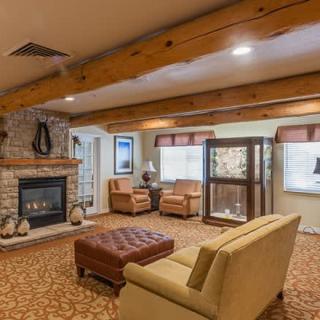
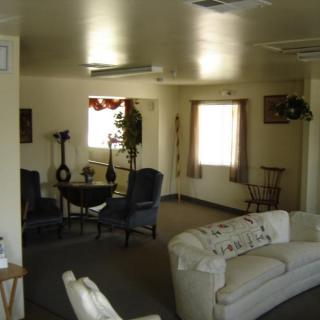
 Dining room
 Fully furnished
 Garden
 Housekeeping services
 Move-in coordination
 Outdoor space
 Private
 Telephone
 Wi-Fi/high-speed internet available
 Phoenix Sky Harbor International (14 miles away)
 24-hour supervision
 Activities of daily living assistance
 Ambulatory care
 Assistance with bathing
 Assistance with dressing
 Assistance with transfers
 Diabetes diet
 Diabetic care
 Meal preparation and service
 Medication management
 Special dietary restrictions
 Transportation arrangement (medical)
 Transportation to doctors appointments
 A Holistic Dementia Care Guide: Effective Strategies for Memory Support
 Memory Care Pathways: A Holistic Guide to Dementia Support
 Comprehending Evening Confusion in Dementia: Causes, Manifestations, and Support