
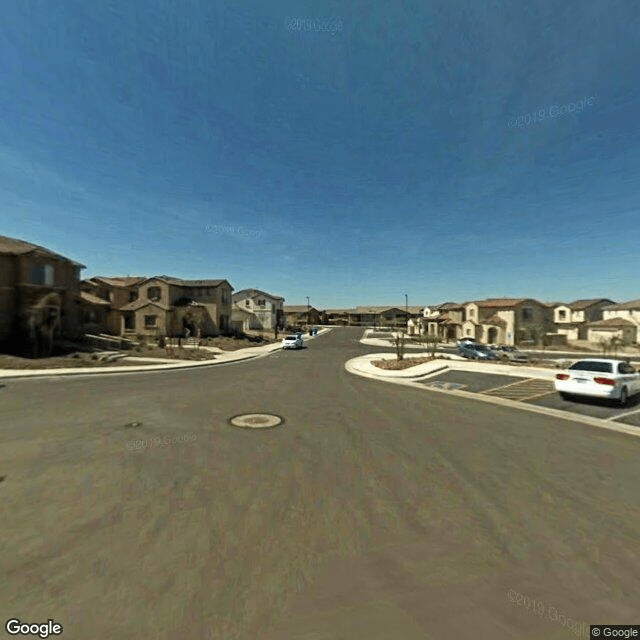
29606 North 21St Drive, Phoenix, AZ 85085
For more information about senior living options: (866) 208-4318
Mountain Ranch Home Care Costs & Pricing
At Mountain Ranch Home Care, the monthly costs present a unique offering compared to both Maricopa County and the broader Arizona state averages. For a one-bedroom arrangement, residents can expect to pay $4,000, which is notably higher than the county's average of $3,473 and slightly above the state average of $3,532. When it comes to private rooms, the cost escalates to $5,000 per month, significantly surpassing both Maricopa County's rate of $3,318 and Arizona's average of $3,345. While these figures reflect a premium investment in quality care and individual attention that Mountain Ranch provides, they also highlight a strategic positioning within the local market that may appeal to those seeking enhanced services in residential care settings.
| Floor plans | Mountain Ranch Home Care | Maricopa County | Arizona |
|---|---|---|---|
| 1 Bedroom | $4,000 | $3,473 | $3,532 |
| Private | $5,000 | $3,318 | $3,345 |
Memory care communities with a similar price nearby
-
About the same
Sunrise Assisted Living Facility
$4,000 to $5,000 / month24.4 miles away -
About the same

Quail Manor Assisted Living
$4,000 to $4,900 / month11.2 miles away -
from -$440 / mo

The Inn Assisted Living & Memory Care
$3,560 to $5,210 / month13.3 miles away -
from -$300 / mo
Hazelwood Manor
$3,700 / month20.8 miles away -
from -$500 / mo
Comfy Couch Assisted Living
$3,500 to $4,000 / month19.8 miles away
Overall Review of Mountain Ranch Home Care
Pros
 The reviewer really liked this place.
- The location is nice and close.
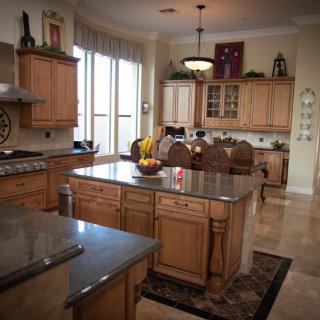
- The home is beautiful and very clean.
- The people are very friendly.
- The meal plans are well organized.
- It is their favorite choice so far.
Review
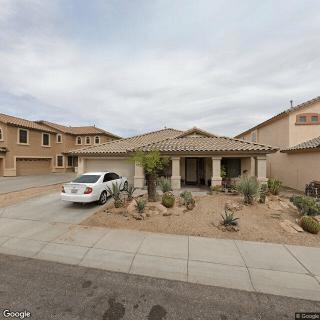
Mountain Ranch Home Care in Phoenix is best suited for seniors who prioritize a small, home-like atmosphere, easy family access, and daily routines that feel predictable and comfortable. The lone reviewer emphasizes a convenient location, a beautiful and very clean residence, genuinely friendly staff, and thoughtfully organized meal planning. Those elements point to residents who value warmth, tidiness, and a straightforward, no-surprise daily structure over the amenities of a larger campus. For families seeking a quiet, easily navigated setting where staff can know residents personally and meals arrive on a dependable schedule, Mountain Ranch stands out as a practical, low-friction choice.
Yet, there are clear reasons to consider alternatives. Potential residents who require robust medical oversight on a 24/7 basis, memory care with specialized supervision, or a program with a broad slate of activities and professional-led therapies should look at larger assisted-living communities or dedicated memory-care facilities. Likewise, families aiming for a dense social calendar, extensive on-site medical staffing, or a facility with extensive on-site rehabilitation services may find a smaller home like Mountain Ranch lacking in those areas. The single positive review cannot illuminate how well the community handles complex needs or evolving health conditions.
The strengths highlighted, location convenience, a pristine, homey environment, friendly personnel, and structured meal plans, do meaningful work in easing transition stress for residents and families. A well-kept home reduces anxiety about living spaces, while approachable staff can foster trust and ongoing open communication. Organized meals lower logistical burdens for families coordinating diets and preferences. Taken together, these pros create a reliable baseline of comfort, safety, and predictability that often matters most during the first months of adjustment.
However, the absence of detail about care capabilities means the primary cons remain unseen. Important questions about Mountain Ranch’s ability to handle daily living activities, medication management, emergency response, and staffing depth are left unanswered by a single review. Prospective guests should seek clarity on whether there is on-site nursing, how care plans are developed and updated, what levels of assistance are available, and how quickly crises are addressed during evenings and weekends. Additionally, confirming transportation options, activity programming, and dementia-specific resources will help determine if the setting can accommodate changing needs over time.
A practical evaluation plan is essential. Arrange a multi-visit tour at different times to gauge consistency in staffing and pace of daily life. Meet the caregivers and observe interactions with residents to assess warmth, attentiveness, and responsiveness. Request a sample weekly menu and ask about meal flexibility for dietary restrictions or cultural preferences. Inquire about licensing, safety features, and incident reporting, as well as the process for updating care plans and coordinating with family. Finally, compare pricing structures, what is included, and what costs may accrue for additional services to ensure alignment with budget and expectations.
In sum, Mountain Ranch presents a compelling option for families seeking proximity, cleanliness, a friendly, responsive staff, and orderly meal planning within a compact, home-like setting. Those factors make it a strong fit for seniors who want ease of access, predictable routines, and a low-key environment. If deeper medical coverage, dementia-specific care, or a broader activity/program lineup is non-negotiable, alternatives should be pursued with a focused set of questions ready for every campus tour. The favorable rating from a single reviewer signals potential satisfaction, but confirmation through broader reference checks and direct observation remains essential before making a final decision.
 5 resident community capacity
 Assisted Living
 Board and Care Home
 Day Program
 Memory Care
 Cable or satellite TV
 Dining room
 Fully furnished
 Garden
 Housekeeping services
 Move-in coordination
 Outdoor space
 Private
 Telephone
 Wi-Fi/high-speed internet available
 Phoenix Sky Harbor International (23 miles away)
 24-hour supervision
 Assistance with bathing
 Assistance with dressing
 Assistance with transfers
 Diabetes diet
 Diabetic care
 High acuity care
 Incontinence care
 Meal preparation and service
 Medication management
 Special dietary restrictions
 Transportation arrangement (medical)
 Transportation to doctors appointments

 Assisted Living and Memory Care: Understanding Their Core Differences
 Choosing the Right Senior Care: A Detailed Exploration of Assisted Living and Nursing Homes
 Safeguarding Your Memory Through the Golden Years: Eight Ways to Preserve Cognitive Health