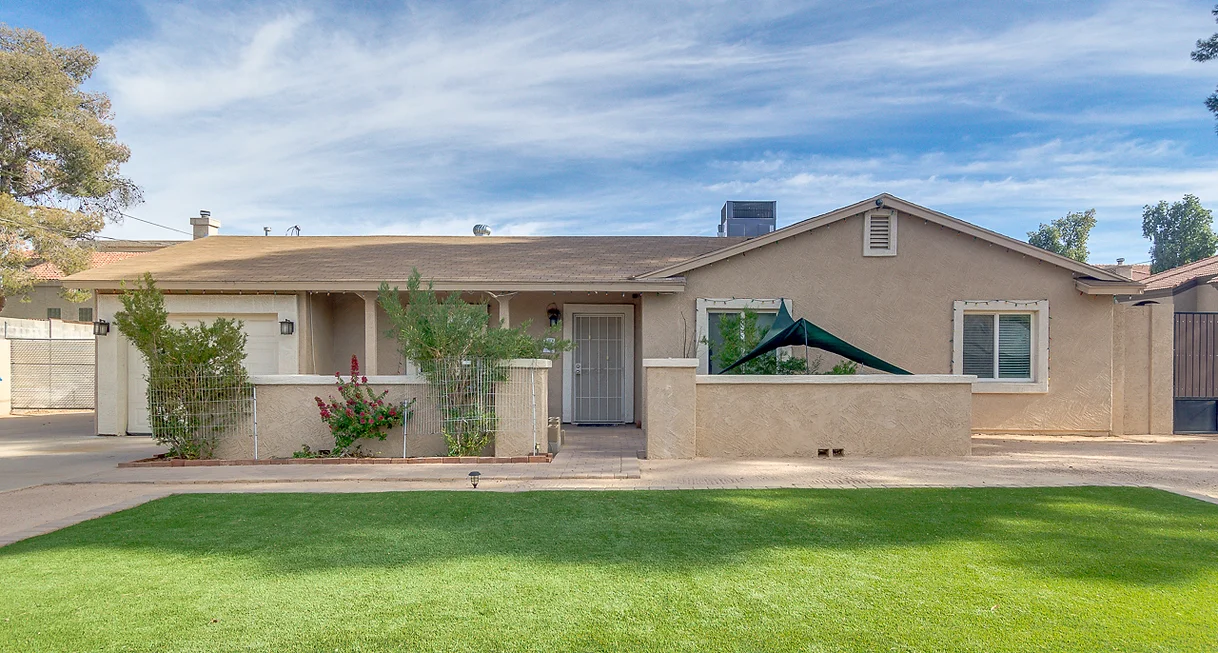
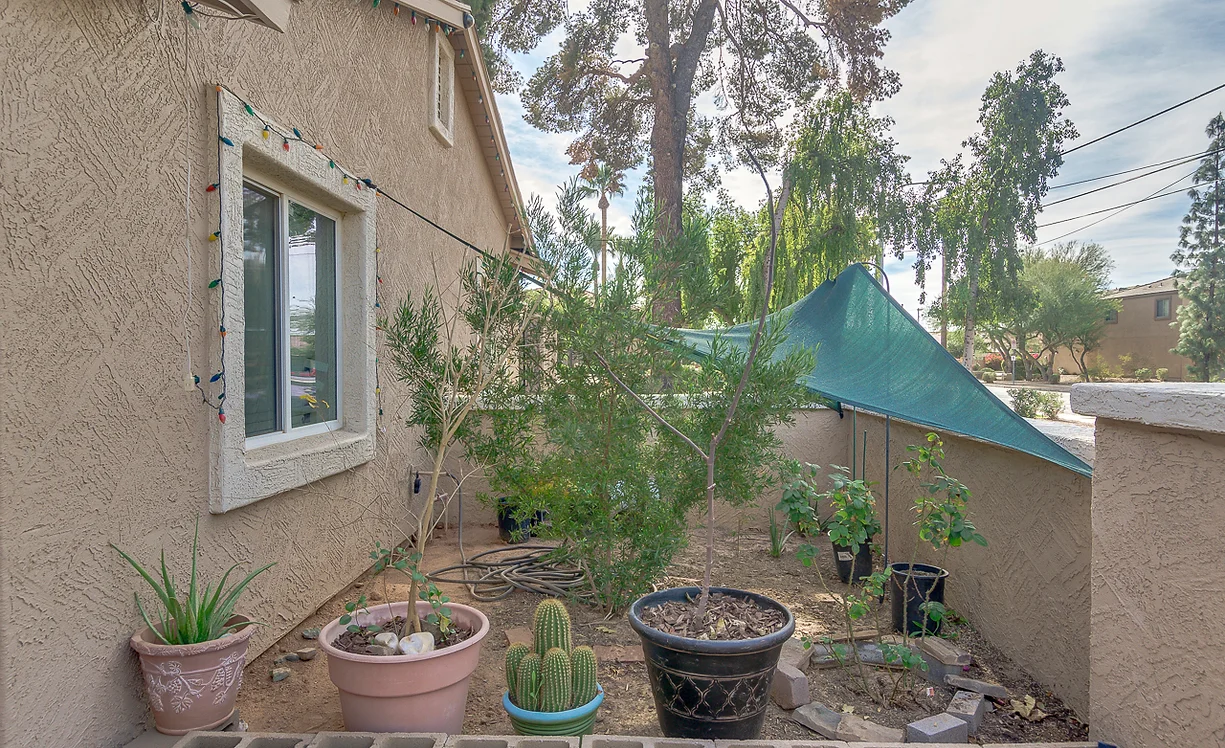
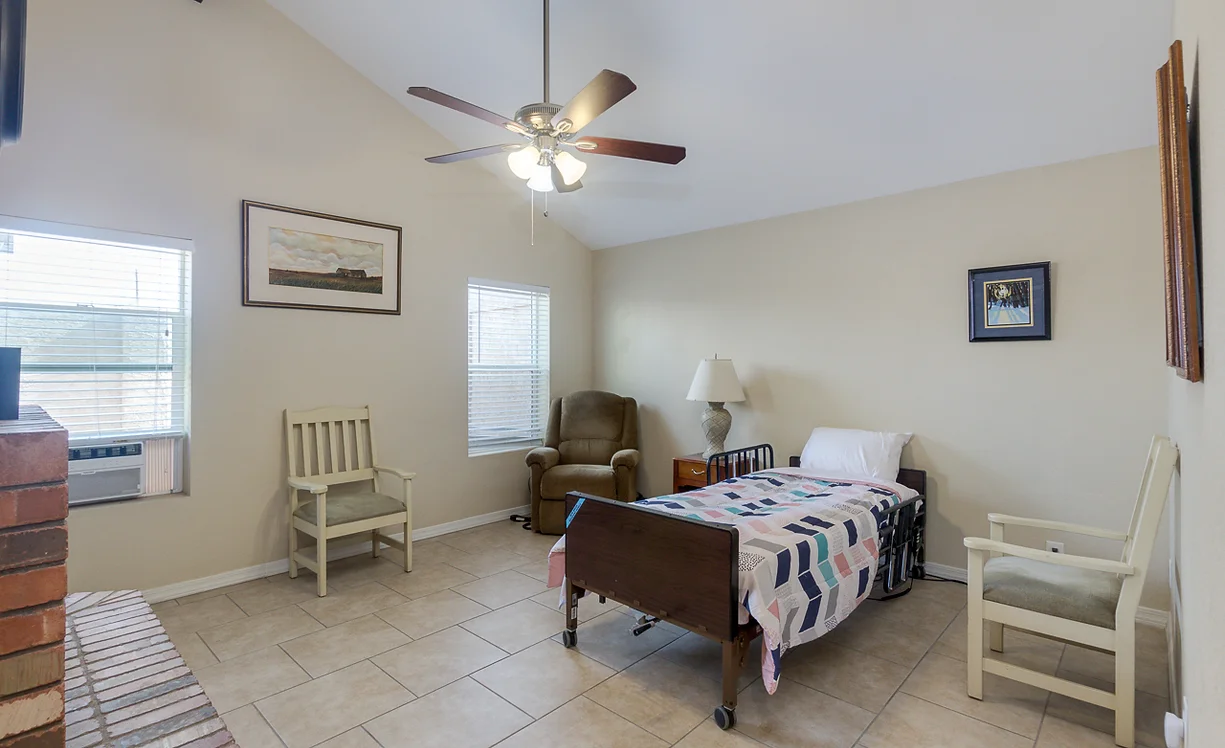
4123 North 21St Street, Phoenix, AZ 85016
For more information about senior living options: (866) 208-4318
Overall Review of Desert Haven Home Care
Pros
 The home is amazing, with great staff and an excellent owner, and it is highly recommended.
- Desert Haven staff care for residents as if they were family.
- The staff and owner are kind and compassionate, giving families complete peace of mind.
- Residents are kept clean, well fed, and very well taken care of at Desert Haven.
- The staff are well trained to de-escalate challenging situations, ensuring a calm environment.
- Villa Fiore offers five-star care and is highly recommended for memory and assisted living in Northern AZ.
- The care facility provides loving, personal care that treats residents like family, with sincere condolences when needed.
- Desert Haven supplies outstanding care for the elderly with high standards in a safe and comfortable home.
- Desert Haven helps residents recover and regain independence, supporting their return home.
Cons
 Seniors can sometimes be quite challenging.
Review
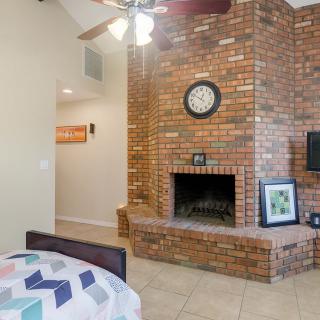
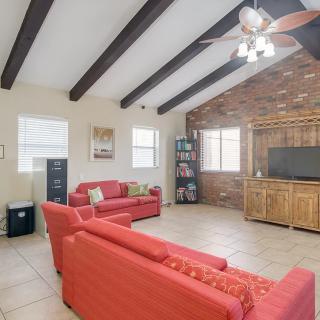
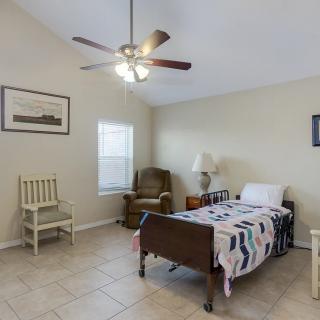
Desert Haven Home Care in Phoenix is best for seniors who want a warm, intimate home setting, family-style living with steady, personally invested staff. It suits families who prioritize dependable daily attention, clean surroundings, good meals, and the feeling that caregivers treat mom or dad like a relative. The community shines when the goal is peace of mind through hands-on, compassionate caregiving rather than a large, clinical environment. Residents benefit from visible leadership, consistent routines, and staff who appear to know their names and preferences, creating a steadier daily rhythm that reduces anxiety for loved ones.
People who need robust medical oversight or highly structured memory-care programs with on-site nursing and a wide social itinerary may want to consider alternatives. Desert Haven operates more like a residential home than a sprawling facility; the scale benefits personal connections but can limit access to specialized physicians, registered nurses on site, or frequent medical management. Families should assess whether the level of daily medical support matches the resident’s needs, especially for advanced dementia, acute rehab needs, or ongoing therapies that require constant monitoring. For residents who thrive on diverse activities and regular outings, the smaller schedule may feel limiting.
Key advantages repeatedly highlighted are staff who are consistently kind, patient, and invested; the owner’s direct involvement; and a homey, clean, well-fed environment. This combination yields genuine peace of mind for families, with caregivers trained to de-escalate challenging behavior and to provide individualized, respectful attention. The emotional support is strong, neighbors and staff become part of the resident’s circle, and leadership’s visible care creates a sense of belonging. Taken together, these elements offset the absence of a large, formal operations footprint by delivering reliability, warmth, and a daily lived experience that feels safer and more personal.
Another major pro is the willingness of management to listen and respond. Families describe open lines of communication and a sense that feedback leads to tangible adjustments. The care delivered during end-of-life moments and hospice-like support reflects a deep commitment to dignity and comfort. The personal touches, staff visiting family homes to offer condolences, and the manager taking time to discuss concerns, convert a facility into a trusted home. In such contexts, the intangible benefits often outweigh the absence of premium amenities found in bigger campuses.
On the downside, the footprint is small by design, which means limited exposure to diverse activities, fewer specialty programs, and potentially slower access to medical specialists on site. Prospective residents should align expectations with the reality of a residential setting: daily routines may feel calmer but less dynamic than larger communities, and emergency medical response relies on the local network rather than a dedicated in-house team. For families with residents who require complex wound care, ongoing infusion therapy, or constant nursing supervision, these gaps matter.
Decision guidance: Desert Haven is a practical match for families seeking a pronounced sense of home and dependable, compassionate care for seniors who do not require intensive medical management. It is less suitable for those needing robust medical oversight or active memory-care programming with on-site nurses. The recommended approach is to tour, meet the owner and staff, review care plans and safety protocols, and verify staffing ratios and availability for evenings and weekends. If a larger, more medically oriented community is desired, alternatives in the Phoenix area should be pursued, with attention to budget, pace of life, and the resident’s care goals.
 5 resident community capacity
 Assisted Living
 Board and Care Home
 Memory Care
 Respite Care
 Activities on-site
 Cable or satellite TV
 Devotional services off-site
 Dining room
 Financial aid
 Fully furnished
 Garden
 Housekeeping services
 Indoor common areas
 Move-in coordination
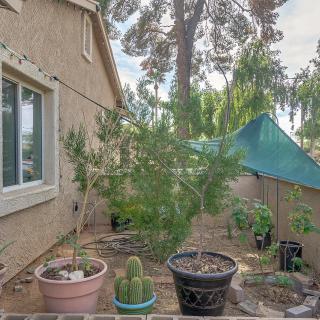
 Outdoor space
 Telephone
 Wi-Fi/high-speed internet available
 Phoenix Sky Harbor International (5 miles away)
 24-hour supervision
 Ambulatory care
 Assistance with bathing
 Assistance with dressing
 Assistance with transfers
 Diabetes diet
 Diabetic care
 Meal preparation and service
 Medication management
 Special dietary restrictions
 Transportation arrangement (medical)
 Transportation to doctors appointments
 English




 Engaging Memory Care Activities That Enhance Quality of Life
 When to Transition from Assisted Living to Memory Care: Key Indicators, Steps, and Finding the Right Community
 Understanding the Distinctions: Assisted Living and Memory Care Explained