
2815 North 48Th Street, Phoenix, AZ 85008
For more information about senior living options: (866) 208-4318
Overall Review of Country Manor Assisted Living Center
Cons
 The owner is accused of running a dirty scam and not paying for work.
- The owner is said to prey on the elderly and the homeless.
- Country Manor Assisted Living Center is described as locked with no staff on site, causing long pickup delays.
- The reviewer calls the center a total scam that only cares about money, not residents.
- The reviewer would never put their worst enemy there and urges others to run away fast.
- The establishment is described as having poor quality food and gates locked after 9 pm, creating a hazardous situation.
- Bed bugs are said to bite badly at the location.
- The service and food selection are poor; the place is not recommended.
Review
Country Manor Assisted Living Center in Phoenix is best suited for exceptionally independent seniors who can navigate daily life with minimal on-site supervision. The facility appears most appropriate for residents who do not require regular hands-on assistance, medical oversight, or reliable, staff-led oversight throughout the day. For anyone who needs help with mobility, daily routines, or safety monitoring, this community is unlikely to deliver the level of care and security necessary to support ongoing well-being.
Those weighing alternatives should note that residents with any meaningful care needs should seriously consider other options. Families will want facilities with transparent, consistent on-site management, visible staffing presence, reliable access and gate procedures, and clear accountability. If a resident depends on timely help, medication management, or prompt response to emergencies, this center should not be the default choice. In short, it’s a decision best reserved for those who can manage with limited staff and less predictable day-to-day support.
The few potential positives in a critical review history are overwhelmed by systemic concerns. The gathered experiences do not reveal meaningful, reliable strengths that would offset the most pressing drawbacks. Any perceived benefits appear isolated and not transferable to the daily realities of residents who require structure, safety, and dependable service. This is not a place where consistent, proactive care is demonstrated or promised.
Safety and operational reliability emerge as the strongest red flags. Reported gate closures and long delays in access, one transport encounter describing a caller waiting with a resident for extended periods while staff or the owner were unavailable, dramatically raise concerns about oversight and emergency responsiveness. Allegations, whether stated as experiences or allegations, about a practice that may prey on vulnerable individuals compound the risk, suggesting a pattern that families cannot overlook. Even a single such lapse can translate into real danger in a senior living setting.
Additional realities that weigh heavily against choosing Country Manor include substandard daily life quality concerns. Reports describe poor meal quality and limited dining variety, a property that can feel isolating due to restricted evening access, and incidents of bed bugs. When danger signs like being “locked in” after hours or limited ability to exit are coupled with questionable pest control and maintenance responsiveness, the appeal collapses for anyone prioritizing dignity, comfort, and hygiene as non-negotiables. These factors collectively erase the appeal of any nominal affordability.
For families evaluating options, the practical path is clear: prioritize facilities with visible, dependable on-site leadership; insist on a predictable, resident-centered routine; and verify strong safety protocols, rapid maintenance, and consistent food quality. Ask direct questions about staffing levels, on-site managerial presence, after-hours access, pest control, and how emergencies are handled. Schedule unannounced visits, observe during the day and evening, and speak with multiple residents and families about real experiences. If the resident requires ongoing assistance or has safety sensitivities, redirect toward centers with established track records of reliable care and transparent governance.
 37 resident community capacity
 Assisted Living
 Respite Care
 Beauty salon
 Cable or satellite TV
 Dining room
 Fully furnished
 Garden
 Housekeeping services
 Kitchenette
 Move-in coordination
 Outdoor space
 Restaurant-style dining
 Small library
 Telephone
 Wi-Fi/high-speed internet available
 Phoenix Sky Harbor International (4 miles away)
 24-hour call system
 Activities of daily living assistance
 Assistance with bathing
 Assistance with dressing
 Assistance with transfers
 Diabetes diet
 Medication management
 Mental wellness program
 Special dietary restrictions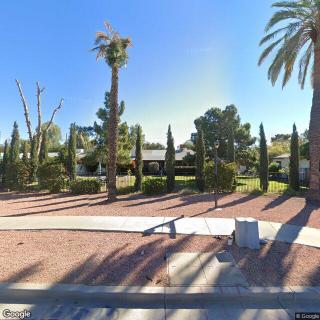
 Kind staff with a family-like atmosphere and healthy, home-style meals.





 Assisted Living Support for Veterans: A Complete and Detailed Overview
 Exploring the Contrasts Between Assisted Living and Skilled Nursing
 8 Key Indicators That Suggest It May Be Time to Transition from Assisted Living to Skilled Nursing Care