At Biltmore Assisted Living, the monthly cost for a private room is competitively priced at $3,000, which positions it favorably within the broader context of both Maricopa County and the state of Arizona. In comparison, the average monthly costs in Maricopa County are approximately $3,318, while statewide figures reach around $3,345. This places Biltmore Assisted Living as a more economical option without compromising on quality care or services. Families seeking affordable yet reliable assisted living solutions will find that Biltmore not only offers significant savings compared to local competitors but also prioritizes a supportive environment for its residents.
Floor plans
Biltmore Assisted Living
Maricopa County
Arizona
Private
$3,000
$3,318
$3,345
Memory care communities with a similar price nearby
Families describe strong support for dementia and cognitive decline.
Several reviewers mention dementia-related care as a key reason they chose Biltmore Assisted Living, describing a calmer, safer fit for memory and cognitive changes. Another resident story also frames the community as appropriate for dementia alongside other higher-need situations, including hospice and post-stroke recovery.
common24 reviews mention this
Caregivers feel personal and responsive
Residents and families frequently describe the staff as caring like family.
Across many reviews, families talk about attentive, patient caregivers who treat residents with respect and keep day-to-day life feeling supportive. Multiple accounts also emphasize communication—such as quick responses to calls or texting—and coordination when working with doctors. Even in the few critical experiences, reviewers still say caregivers genuinely care, while describing other issues that got in the way.
common8 reviews mention this
Home-cooked meals are a highlight
Residents are repeatedly described as enjoying home-cooked, nutritious meals.
Food comes up often as homemade and prepared daily, with reviewers describing it as nutritious and comforting. Some families also call out how meals are served in ways that support interaction, including time in shared spaces. Even when a review is critical overall, the dining quality is listed among the positives.
common5 reviews mention this
Private rooms and bathrooms
Many residents are described with private rooms and attached bathrooms.
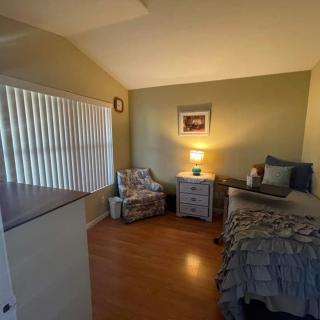
Reviewers frequently mention having their own room, with several also describing private bathroom setups for safety and assistance. Others add detail about comfortable spaces for visiting and daily routines, including multiple areas within the home where residents can spend time. One review also notes that room options can include private and semi-private arrangements depending on care level.
common11 reviews mention this
Holidays and scheduled activities
Holiday celebrations and activities are a recurring part of life here.
Many reviewers describe the community as being festive with holiday decorating and special moments like birthdays and holiday gatherings. Families also mention entertainment and social time that helps residents feel included. At the same time, at least one reviewer reports that the activities schedule wasn’t followed as expected during their loved one’s stay, so it’s worth clarifying what’s planned day to day.
caveat4 reviews mention this
Contract details affect overall value
Reviewers encourage others to read the agreement closely before moving in.
Some families felt the contract terms were not handled with full transparency, particularly around deposits and refund conditions, and they recommend taking time during the paperwork process. One critical review also describes disagreements about care levels promised versus delivered, alongside concerns that the facility’s response shifted during the grievance process. A separate review also points out that pricing can run $3,500 and up, reinforcing the idea that cost expectations should be reviewed carefully.
How we summarize
Counts show how many written reviews mention each theme; a review can touch several themes, and only frequently mentioned themes are displayed.
Features
Housing
10 resident community capacity
Types of Care
Assisted Living
Board and Care Home
Memory Care
Respite Care
Pets
Cats allowed
Dogs allowed
Amenities
Activities off-site
Activities on-site
Bath tubs
Beautician on-site
Cable or satellite TV
Devotional services off-site
Devotional services on-site
Dining room
Fully furnished
Garden
Hiking trails
Housekeeping services
Indoor common areas
Laundry
Move-in coordination
Outdoor common areas
Outdoor space
Private
Private bathrooms
Respite or short term stays offered
Spa
Swimming pool
Swimming pool / hot tub
TV room
Telephone
Wheelchair accessible showers
Wi-Fi/high-speed internet available
Transportation
Phoenix Sky Harbor International (5 miles away)
Care Services
24-hour supervision
Activities of daily living assistance
Ambulatory care
Assistance with bathing
Assistance with dressing
Assistance with transfers
Coordination with health care providers
Diabetes diet
Diabetic care
High acuity care
Incontinence care
Meal preparation and service
Medication management
Physical therapy
Special dietary restrictions
Transportation arrangement (medical)
Transportation to doctors appointments
Dining
Diabetes diet
Kosher
Low / no sodium
Meals provided
Special dietary restrictions
Vegetarian
Activities
Activities off-site
Activities on-site
Arts and crafts
Book club
Community-sponsored activities
Devotional activities offsite
Devotional activities on-site
Fitness programs
Games
Live musical performances
Religious services
Scheduled daily activities
Languages Spoken
English
Nearby Places of Interest
This part of Phoenix, Arizona offers a variety of amenities and services that cater to the needs of seniors. With multiple restaurants, cafes, pharmacies, physicians, and hospitals within close proximity, residents have easy access to dining options and healthcare facilities. The area also features several places of worship for spiritual enrichment. Additionally, transportation options such as METRO stations and car rental services make it convenient for seniors to get around the city. Parks like Phoenix Mountain Preserve and Encanto Park offer opportunities for outdoor recreation and relaxation. Overall, this neighborhood provides a well-rounded environment with essential resources for senior living.
Restaurants
In-N-Out Burger (0.6 miles)
Arriba Mexican Grill (0.7 miles)
Wrigley Mansion (0.8 miles)
McDonald's (0.9 miles)
The Whining Pig (1.3 miles)
McDonald's (1.5 miles)
Zipps Sports Grill (2 miles)
Cafes
Panera Bread (0.6 miles)
Provision Coffee Bar (1.2 miles)
Dutch Bros Coffee (1.4 miles)
Lux Central (2.6 miles)
Starbucks (3 miles)
Dark Hall Coffee (3.4 miles)
Starbucks (3.7 miles)
Pharmacies
CVS Pharmacy (1 miles)
Walgreens (1.1 miles)
CVS Pharmacy (2.1 miles)
Walgreens (2.1 miles)
CVS Pharmacy (2.2 miles)
CVS Pharmacy (2.3 miles)
Walgreens (2.7 miles)
Physicians
Keystone Natural Family Medicine (1.5 miles)
Phoenix Skin Medical Surgical Group (2.5 miles)
Arizona Eye Specialists (2.7 miles)
Null (3.2 miles)
SimonMed Imaging - Phoenix (3.3 miles)
Dignity Health Peppertree Family Medicine (3.6 miles)
Banner Family Medicine Center (3.7 miles)
Hospitals
Carl T Hayden VA Medical Center, Recreation Therapy (2.4 miles)
St Josephs Neurological ICU (3.5 miles)
St Joseph's Hospital & Med Center: Deguzman Brian J MD (3.5 miles)
Banner – University Medical Center Phoenix (3.7 miles)
Maricopa Medical Center (3.7 miles)
Arizona State Hospital (4.1 miles)
Surgical Specialty Hospital Of Arizona (4.2 miles)
Places of Worship
Christ Church of the Ascension (2.5 miles)
First United Methodist Church of Phoenix (2.5 miles)
At Biltmore Assisted Living, the monthly cost for a private room is competitively priced at $3,000, which positions it favorably within the broader context of both Maricopa County and the state of Arizona. In comparison, the average monthly costs in Maricopa County are approximately $3,318, while statewide figures reach around $3,345. This places Biltmore Assisted Living as a more economical option without compromising on quality care or services. Families seeking affordable yet reliable assisted living solutions will find that Biltmore not only offers significant savings compared to local competitors but also prioritizes a supportive environment for its residents.
Biltmore Assisted Living's comprehensive features are specifically designed to support residents with dementia and Alzheimer's disease, ensuring their safety and enhancing their quality of life. The 24-hour supervision provides a secure environment where trained staff can respond quickly to any needs or emergencies. Assistance with activities of daily living, such as bathing, dressing, and transfers, promotes independence while offering necessary help that respects each resident's dignity. Coordination with healthcare providers ensures continuous medical care tailored to individual health requirements, complemented by medication management that helps prevent errors in dosage or timing. Incontinence care is handled discreetly to maintain comfort and hygiene, while meal preparation provides nutritious options that cater to dietary restrictions or preferences. Additionally, physical therapy supports mobility and overall health, and transportation arrangements for medical appointments ensure access to essential services without the stress of logistics. Together, these features create a nurturing environment conducive to both physical well-being and cognitive engagement for those facing memory challenges.
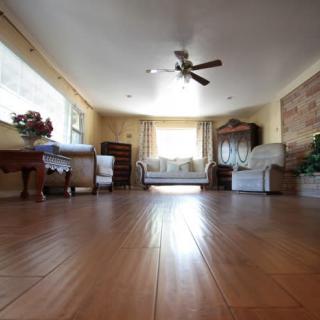
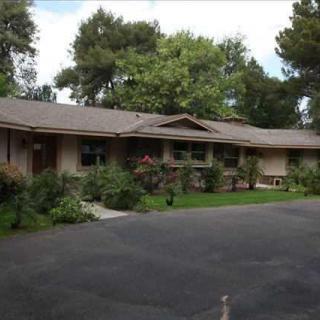
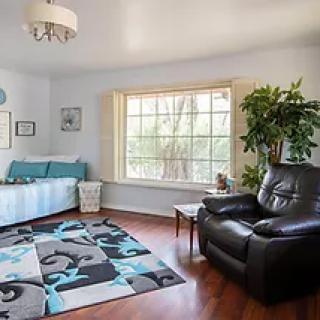
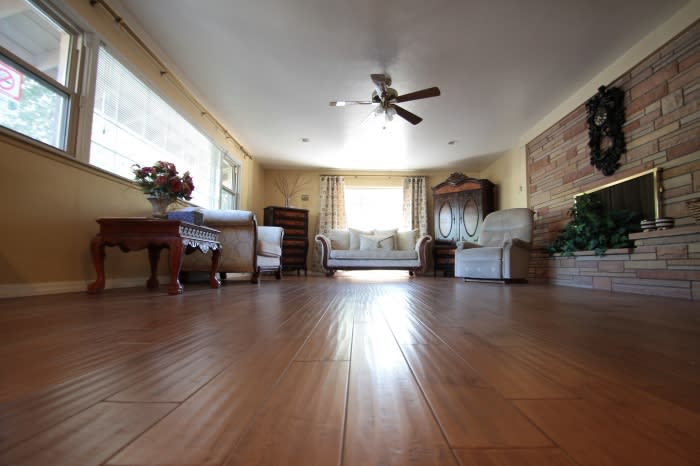
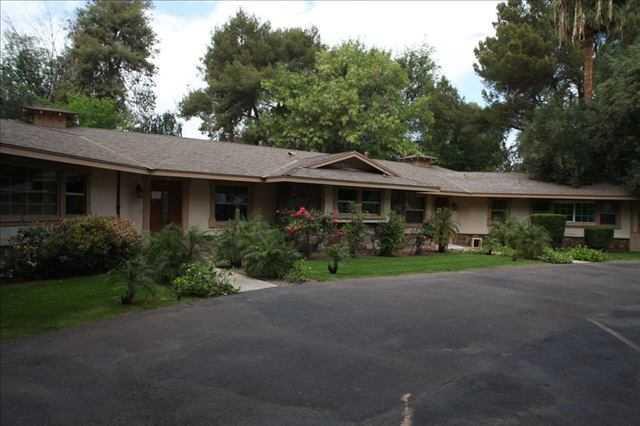
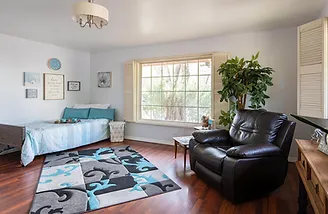
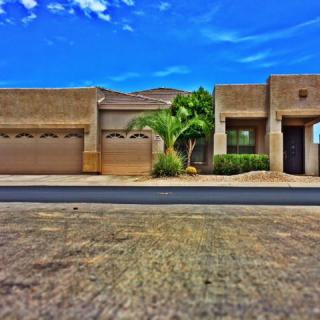
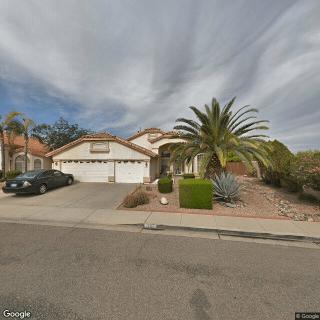
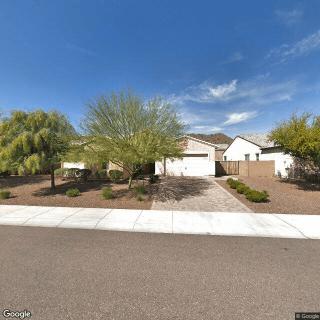
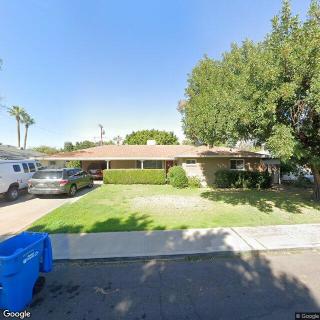
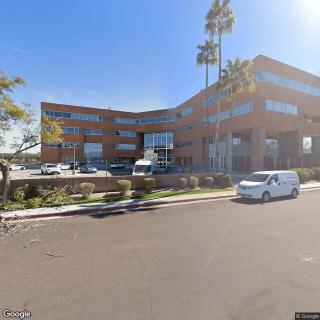
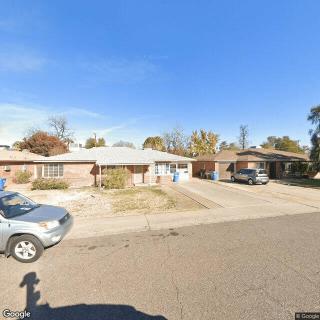
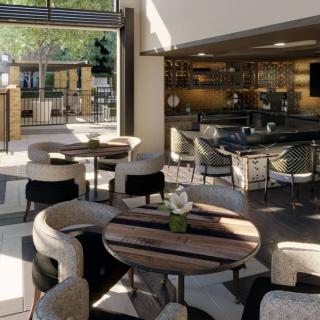
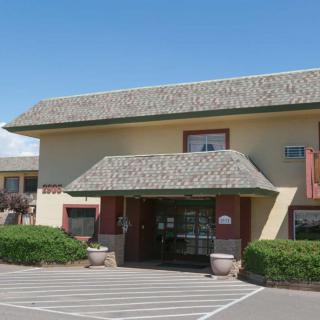
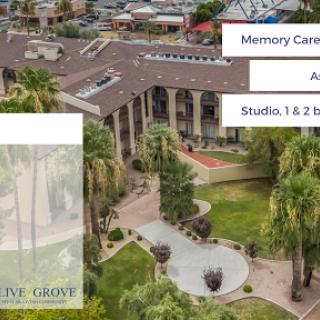
Biltmore Assisted Living on seniors.fyi includes 6 photos including images showing living room, interior, decor, windows, trees, landscaping, bedroom, hospital bed, and more.
Nearby Communities
TheKey Phoenix
Phoenix, AZ
5 from 7 reviews
Wide range of nearby amenities and easy access to healthcare, dining, and transit.
Faith and Comfort Home Care Services LLC
Phoenix, AZ
5 from 3 reviews
Excellent access to nearby amenities and healthcare.
Meadowbrook Assisted Living
Phoenix, AZ
4 from 1 review
Clean, well-maintained environment with reliable medication management and attentive staff.
BrightStar Care Phoenix, AZ
Phoenix, AZ
4.9 from 100 reviews
Convenient access to numerous amenities and healthcare.
Freedom Manor - TBI
Phoenix, AZ
Specialized TBI care in a community setting with nearby health services and dining.
Everlasting Services At Biltmore 10
Phoenix, AZ
4.1 from 10 reviews
$5,030 to $6,539 / month
Small, intimate board-and-care with personalized assistance, diabetes-aware dining, and structured activities.
Clarendale Arcadia
Phoenix, AZ
4.8 from 111 reviews
$4,895 to $8,790 / month
Well-maintained facility with attentive staff, engaging activities, and a thoughtfully designed memory care area.
Reminiscence therapy is a structured method for older adults, especially those with dementia, to share life stories using prompts and sensory cues, fostering emotional well-being, social engagement, and self-identity. It aims to improve quality of life by enhancing interpersonal connections and cognitive stimulation while requiring careful facilitation to avoid distressing memories.
Dementia, particularly Lewy body dementia, often involves hallucinations that can significantly distress both patients and caregivers due to disruptions in sensory processing and neurotransmitter imbalances. Effective management includes compassionate communication, environmental adjustments, and a multidisciplinary approach to care while addressing the emotional needs of caregivers.
Alzheimer’s disease is a progressive neurological disorder that significantly impacts memory and cognitive functions, accounting for 60-80% of dementia cases, with early diagnosis being crucial yet challenging. It involves brain changes like beta-amyloid plaques and tau tangles, influenced by genetic and lifestyle factors, and while there is no cure, symptom management and support for caregivers are essential.
Get PricingAsk A QuestionSchedule A TourContact Senior Advisor
By clicking submit, you agree to our Partner's Terms of Use. You
also consent to receive calls and texts, which may be autodialed, from our Partner. Your consent is not a condition to
using our Partner's service. Please visit our Partner's Privacy Policy for information about their privacy practices.




 10 resident community capacity
 Assisted Living
 Board and Care Home
 Memory Care
 Respite Care
 Cats allowed
 Dogs allowed
 Activities off-site
 Bath tubs
 Beautician on-site
 Cable or satellite TV
 Devotional services off-site
 Dining room
 Fully furnished
 Garden
 Hiking trails
 Housekeeping services
 Indoor common areas
 Laundry
 Move-in coordination
 Outdoor common areas
 Private
 Private bathrooms
 Spa
Spa Swimming pool
 Telephone
 Wheelchair accessible showers
 Wi-Fi/high-speed internet available
 Phoenix Sky Harbor International (5 miles away)
 24-hour supervision
 Ambulatory care
 Assistance with bathing
 Assistance with dressing
 Assistance with transfers
 Diabetes diet
 Diabetic care
 High acuity care
 Incontinence care
 Meal preparation and service
 Medication management
 Physical therapy
 Special dietary restrictions
 Transportation arrangement (medical)
 Transportation to doctors appointments
 Arts and crafts
 Book club
 Fitness programs
 Games
Games Live musical performances
 English
 Wide range of nearby amenities and easy access to healthcare, dining, and transit.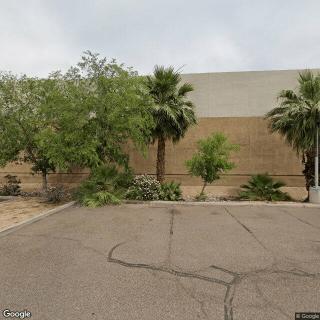

 An In-Depth Look at Reminiscence Therapy in Dementia Care
 Dementia-Related Hallucinations: Causes, Experiences, and Practical Approaches
 Illuminating Insights About Alzheimer's Disease: Ten Crucial Realities