
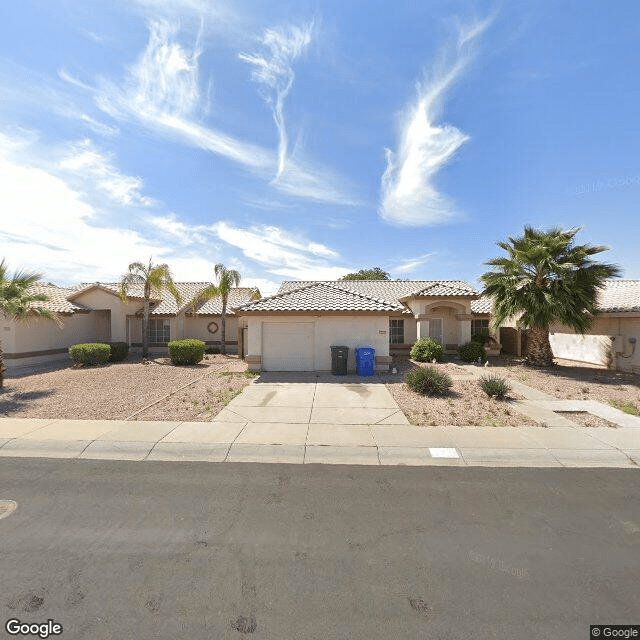
1403 W Bluefield Ave., Phoenix, AZ 85023
To contact a resident: (602) 228-8506
For more information about senior living options: (866) 208-4318
Adina Adult Care Home II Costs & Pricing
Adina Adult Care Home II offers a competitive pricing structure for its services, with private room accommodations available at $2,000 per month. This rate is significantly lower than the average costs in Maricopa County and the broader state of Arizona, where private rooms typically range from approximately $3,318 to $3,345 monthly. Such affordability positions Adina Adult Care Home II as an appealing option for individuals seeking quality care without the financial strain often associated with assisted living facilities in the region. This emphasis on cost-effectiveness combined with personalized care reflects Adina's commitment to providing accessible and supportive environments for its residents.
| Floor plans | Adina Adult Care Home II | Maricopa County | Arizona |
|---|---|---|---|
| Private | $2,000 | $3,318 | $3,345 |
Senior living communities with a similar price nearby
-
About the same

Home Instead - Fountain Hills, AZ
$1,945 to $3,525 / month21.0 miles away -
from -$139 / mo

Endeavor Senior In-Home - Mesa
$1,861 / month24.7 miles away -
About the same
Garcia's Assisted Living Home LLC
$2,000 / month17.3 miles away -
About the same
Martha Bonilla Care Loving Home
$2,000 to $2,200 / month23.9 miles away -
About the same
All Stars Assisted Living
$2,000 to $2,500 / month19.1 miles away
Overall Review of Adina Adult Care Home II
Pros
 They like the care their mom receives here; the staff are caring and attentive to her needs.
- They are happy with the value for her needs.
- They appreciate that it is a smaller community.
- She is pleased with the food and has an option to choose what she wants each day.
- The family would recommend the care to other families and the value.
- The staff are very good and the residents seem to like the place.
- Nick and Mariana are consummate professionals who run a caring, clean, nurturing facility; the mom loves it.
Cons
 The facility is not an adult daycare.
- It is not a Behavioral Health Place, despite the claims.
- Claims that it is a way for Native Americans to come and get acquainted with the Valley from the Reservation are untrue.
- The trash there is out of control.
- They play loud music outside all day.
- It violates City of Phoenix law.
Review
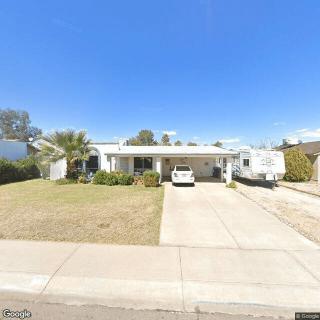
Adina Adult Care Home II in Phoenix is best suited for families seeking a small, home-like setting where seniors receive steady, personalized attention. The community operates with a tight-knit staff that knows residents by name, focuses on individual needs, and emphasizes daily routines that feel less institutional than larger campuses. Residents can expect private rooms with their own bathroom, a straightforward care plan, and meals that allow daily choice, all contributing to a sense of autonomy within a supportive framework. The size matters: the smaller footprint fosters frequent check-ins, quicker response times, and a culture where staff can tailor assistance without logistical delays. This is a practical match for someone who values warmth and consistency over scale or clinical programming.
Where to look elsewhere: this community may not be the right fit for someone who needs formal behavioral health services on site, or for families seeking a large, campus-style operation with more rigid programming and a medicalized feel. A few reviews highlight questions about marketing and the facility’s stated purpose, suggesting a mismatch between expectations and reality. Noise concerns and trash management were raised by some critics, pointing to potential environmental irritation that could affect a sensitive resident. If a resident requires a clearly defined adult day care model, or if compliance and external standards are non-negotiable, alternatives with more formalized oversight and larger operation capacity deserve consideration.
On the positive side, the core strengths are tangible. Staff are consistently described as caring, attentive, and present, with doors kept secure, an important safety feature for family peace of mind. Families report that the small community fosters real connections, with residents who seem content and engaged. The ability to choose meals daily and the presence of private rooms enhance dignity and independence while still delivering supervised support. When a resident has had difficult placements elsewhere, Adina II is cited as a stabilizing option that improves the transition, aided by professionals who manage the day-to-day routines with competence and compassion. These advantages create a reliable baseline of everyday quality.
Yet, the footprint of risk is not zero. A portion of reviews centers on how the facility presents itself and how residents are informed about its mission, signaling potential communication gaps that families should address upfront. Environmental complaints, such as loud outdoor music and litter in public areas, touch on campus ambience more than clinical care and could affect residents who are sensitive to noise or upheaval. These are not universal experiences, and other residents and families prize the serenity and order described by multiple reviewers. Nevertheless, a careful visit should probe whether the current management practices have reconciled these concerns and whether expectations align with day-to-day operations.
From a decision standpoint, the merits of Adina II weigh toward practicality and value for the right resident. The blend of intimate staffing, a homelike floor plan, and flexible dining support creates a predictable, comforting cadence that is hard to beat in a small community. The strongest offset to potential downsides lies in the tangible quality of care and the genuine relationships staff report building with families. For those with tighter budgets who still require reliable assistance, the balance between cost and individualized attention is favorable. However, if certainty about marketing claims, noise levels, or formal behavioral health services is essential, perception gaps suggest exploring one or two other options before committing.
In conclusion, Adina Adult Care Home II stands out as a solid, value-conscious choice for seniors who prioritize a warm, personalized, small-community atmosphere over campus size or clinical polish. It works best when residents crave consistent, attentive care and are comfortable with a quieter environment, private rooms, and daily meal choice. It may be less suitable for families seeking a highly structured program, robust behavioral health services, or strict oversight of environmental standards. Prospective families should schedule an in-person tour, meet the owners Nick and Mariana, scrutinize room options and safety measures, and speak with current residents’ families about the consistency of daily routines. A careful fit here can translate to meaningful stability and peace of mind.
 Board and Care Home
 Private
 Private bathrooms
 Phoenix Sky Harbor International (16 miles away)
 Diabetic care
 High acuity care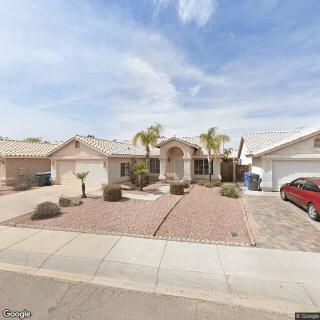


 A Detailed Examination of Nursing Home Costs Across the U.S.
 Exploring Nonmedical Home Care: Understanding Services, Costs, and Financial Approaches
 Engaging Brain Games and Innovative Apps to Keep Senior Minds Active