
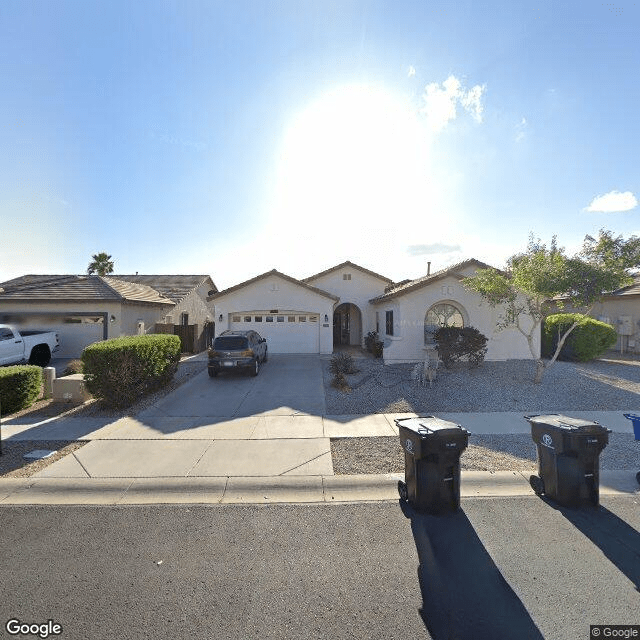
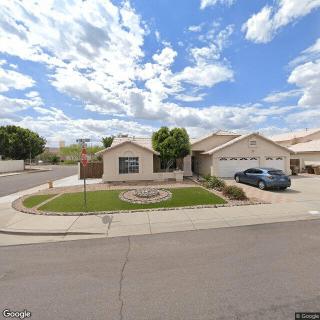
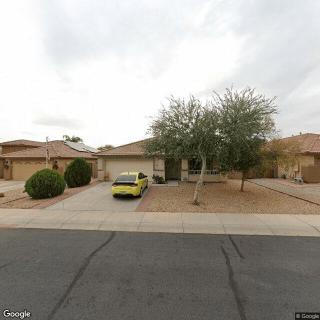
16477 West Yucatan Drive, Surprise, AZ 85388
For more information about senior living options: (866) 208-4318
All Stars Assisted Living Costs & Pricing
All Stars Assisted Living offers competitive pricing for its residents, with costs significantly lower than those found in Maricopa County and the broader state of Arizona. For semi-private rooms, All Stars charges $2,000 per month, which is notably more affordable than the county average of $2,801 and the state average of $2,820. Similarly, their private room option is available at $2,500 per month, contrasted with Maricopa County's average of $3,318 and Arizona's overall average of $3,345. This pricing strategy highlights All Stars Assisted Living's commitment to providing quality care while ensuring affordability for its residents compared to regional counterparts.
| Floor plans | All Stars Assisted Living | Maricopa County | Arizona |
|---|---|---|---|
| Semi-Private | $2,000 | $2,801 | $2,820 |
| Private | $2,500 | $3,318 | $3,345 |
Assisted Living communities with a similar price nearby
-
from -$125 / mo
Marybela's Loyal Care
$1,875 to $3,010 / month2.3 miles away -
About the same
Desert Breeze Care Home
$2,000 / month17.6 miles away -
from +$200 / mo
Adelina Care Home
$2,200 to $2,500 / month1.5 miles away -
About the same
Christine's Rose Garden Home Care
$2,000 to $2,500 / month9.4 miles away -
About the same

All Care Assisted
$2,000 to $2,500 / month4.3 miles away
Overall Review of All Stars Assisted Living
Pros
 They describe All Care Assisted Living as clean, well-maintained, and home-like.
- They praise the caregivers, including Lilly and Cookie, for providing love, dignity, and respectful care.
- They note Chip’s leadership helps make transitions easy and information accessible.
- They appreciate regular updates, photos, and video calls that keep families connected.
- They value the individualized care that addresses each resident’s physical, mental, and medical needs.
- They report a safe, comfortable environment with attentive, family-like staff.
- They commend the facility’s clean, welcoming atmosphere and high-quality meals.
- They would highly recommend All Care Assisted Living to others.
Cons
 They were caught a little flat-footed by the hospice process.
- They faced the transition with little knowledge about what the process entailed, leaving them unprepared.
Review
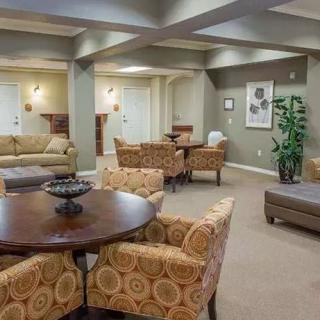
This community is best suited for families who want an intimate, home-like assisted living experience where residents receive highly individualized attention. The environment feels like a small, well-kept house more than a campus, with private rooms, clean surroundings, and a genuine emphasis on comfort and dignity. Caregivers are described as deeply devoted to residents, with Lilly often highlighted for her cooking and personal warmth, and Chip as an accessible, informative owner who guides families through transitions. For seniors who value steady, predictable routines, frequent personal updates, and a sense of family-like belonging, this setting delivers at a high level. It is particularly appealing for residents with memory challenges or those nearing end-of-life care, where consistent, compassionate contact matters most.
Those considering alternatives should be mindful of scale and scope. If a family is seeking a large facility with a broad activity calendar, formal programming, or on-site advanced medical services, a bigger community may be more appropriate. For residents requiring intensive, around-the-clock skilled nursing, rehabilitation, or highly specialized therapies, the smaller home environment can feel limiting. Families who prioritize highly structured clinical oversight, abundant social opportunities beyond a close-knit circle, or a campus atmosphere with more extensive on-site resources may want to explore other options. In short, this setting excels on warmth and individualized care, while larger, more clinical environments may better fit higher-acuity needs.
The strongest pro is the culture of care that permeates daily life. Residents benefit from a home atmosphere where staff know their preferences, meals are thoughtfully prepared, and routines feel predictable yet flexible enough to meet changing needs. The consistent, personalized attention, paired with rapid, clear communication to families via updates and FaceTime when needed, creates real peace of mind for loved ones. The care team’s attentiveness to medical and daily needs is complemented by practical supports, such as regular monitoring of visitors and hands-on involvement in care planning. The combination of a clean, well-maintained living space with highly responsive caregivers offsets the absence of a large clinical operation.
Safety, comfort, and family engagement emerge as key differentiators. The presence of a resident-focused doctor and nurse visits within the home setting, along with a staff that treats residents as part of a family, builds confidence for families navigating difficult decisions. The ability to receive timely updates, photos, and video glimpses into a loved one’s day allows even distant families to stay connected and reassured. While the intimate scale means fewer on-site amenities than a bigger community, the trade-off becomes clearer: higher-quality personal interaction, fewer impersonally administered routines, and a sense that residents are known by name and preference. That clarity of care is foundational to a strong ongoing partnership with families.
Cost considerations naturally come into play, but the value appears strong for what is delivered. Families repeatedly note the peace of mind that comes with a consistently tidy, safe, and welcoming home where staff go above and beyond to accommodate both resident and family schedules. The commitment to individualized care, whether managing memory challenges, adjusting meal plans, or coordinating remote updates, tends to justify the price for many families. Potential buyers should confirm current rates, what is included in those fees, and whether private rooms with en-suite facilities align with expectations. The emphasis on a humane, family-centered model remains the determining factor in assessing worth.
In the end, this community stands out for families prioritizing intimate, personalized support, meaningful daily engagement, and transparent, caring communication. It is a strong fit for residents who thrive on the comfort of a home-like setting and who benefit from caregivers who remember details and nurture connections day after day. Those needing extensive clinical infrastructure or a sprawling activity program may find the profile insufficient, but for many families facing end-of-life planning, memory care, or transitions from independent living, the value is clear. A guided tour to meet Chip, Lilly, and the caregiving team will reveal whether the match rests on shared values, mutual trust, and a vision of care that feels like family.
 8 resident community capacity
 Assisted Living
 Board and Care Home
 Respite Care
 Activities on-site
 Beautician on-site
 Cable or satellite TV
 Dining room
 Fully furnished
 Garden
 Housekeeping services
 Indoor common areas
 Move-in coordination
 Outdoor common areas
 Private
 Private bathrooms
 Telephone
 Wheelchair accessible showers
 Wi-Fi/high-speed internet available
 24-hour supervision
 Ambulatory care
 Assistance with bathing
 Assistance with dressing
 Assistance with transfers
 Diabetes diet
 Diabetic care
 High acuity care
 Incontinence care
 Meal preparation and service
 Medication management
 Special dietary restrictions
 Transportation arrangement (medical)
 Transportation to doctors appointments

 Social Security Benefits and Assisted Living: Navigating Options Across the U.S.
 An Extensive Exploration of the VA Aid and Attendance Benefit
 Senior Transition Services: Understanding Their Role, Cost, and Importance