
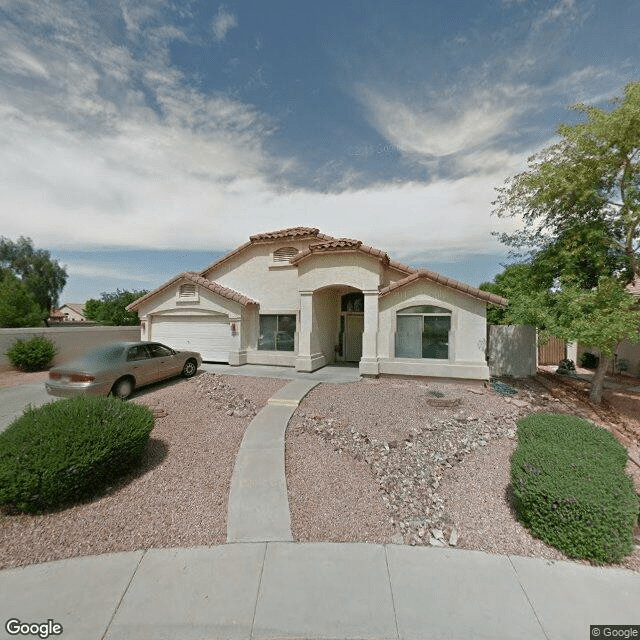
9580 West Orchid Lane, Peoria, AZ 85345
For more information about senior living options: (866) 208-4318
Orchid Residential Care Costs & Pricing
Orchid Residential Care offers competitive pricing for its services in a comfortable and supportive environment. For a semi-private room, the monthly cost is $2,000, which significantly undercuts the average rates in Maricopa County at $2,801 and the state average of $2,820. Residents seeking more privacy can opt for a private room at Orchid for $3,000, again offering a more economical choice compared to the county's average of $3,318 and Arizona's state average of $3,345. This makes Orchid Residential Care an attractive option for families seeking quality care that balances affordability with excellent service standards.
| Floor plans | Orchid Residential Care | Maricopa County | Arizona |
|---|---|---|---|
| Semi-Private | $2,000 | $2,801 | $2,820 |
| Private | $3,000 | $3,318 | $3,345 |
Assisted Living communities with a similar price nearby
-
About the same
All Stars Assisted Living
$2,000 to $2,500 / month8.7 miles away -
from -$125 / mo
Marybela's Loyal Care
$1,875 to $3,010 / month10.6 miles away -
About the same
Angel's Adult Group Home
$2,000 to $3,000 / month24.0 miles away -
from +$255 / mo

Windsor Luxury Assisted Living, LLC
$2,255 to $5,950 / month17.4 miles away -
from +$225 / mo
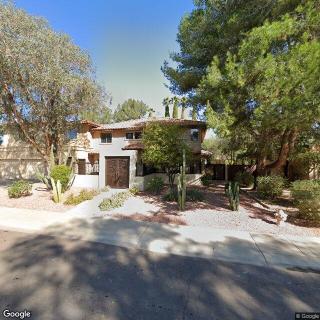
Harts Home - Exceptional Elder Care
$2,225 to $5,500 / month21.2 miles away
Overall Review of Orchid Residential Care
Pros
 The staff and residents create a family-like environment that supports one another in their health journeys toward optimum well-being.
- The staff are loving and kind, and they go above and beyond to keep residents comfortable and cared for.
- Families are welcome to visit their loved ones and can spend uninterrupted time during visits.
- The facility feels like home, with attentive staff who prioritize residents’ comfort and safety.
- The community is consistently clean and fresh-smelling, with staff keeping families informed about residents’ needs.
- Glory the aide and the care team help keep residents active through walks and offer nutritious, home-cooked meals.
- The private home facility is well maintained, with handicapped-equipped rooms, housekeeping and laundry, home-cooked meals, certified caregivers, and a nurse practitioner who visits monthly and is on call.
- The property includes safety features such as fire suppression equipment, providing a sense of security for residents and families.
Cons
 One reviewer described the facility as a nightmare, noting family members were not allowed in while others were, and criticized a caretaker as rude and unprofessional.
 - The reviewer alleged staff gave up on the patient and yelled at him and his roommate.
- The reviewer stated staff were two-faced toward family members.
- The reviewer claimed there was no hand sanitizer and that the patient was not given water on several occasions.
- The reviewer said the cameras did not work.
- The reviewer accused the owner of being a con artist who exploits the elderly, and described the owner as rude and Yells at patients.
- The reviewer described the facility as limited and not homey.
- The reviewer warned others not to put their loved one there.
Review
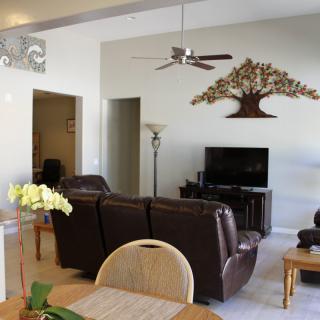
Orchid Residential Care in Peoria, AZ is best suited for families seeking a small, home-like setting where staff know residents by name, invest in personal relationships, and manage daily needs with a steady, predictable routine. The home operates as a private residence, offering private and semi-private rooms with on-site housekeeping, which keeps care intimate and easy to monitor. Cleanliness and a comfortable atmosphere are routine priorities, meals are home-cooked, and caregivers are readily available to support movement and daily activity. For families prioritizing emotional warmth, direct access to caregivers, and a sense of belonging, this setting aligns with those needs, especially for residents working to increase strength and independence through steady support.
On the flip side, several reviews call for cautious consideration, signaling that this community may not be the right fit for everyone. A cluster of accounts emphasizes compassionate care yet is tempered by concerns about management and consistency in communication with families. Some families allege rude behavior by ownership, uneven treatment of residents, and gaps in sharing important information, including care decisions. These reports suggest that leadership dynamics and accountability can vary, which means families seeking highly predictable governance, strict adherence to external expectations, or robust oversight should scrutinize how the facility handles family communication and incident follow-up before deciding.
Key pros versus cons emerge clearly in the lived experience here. The positives include a clean, homelike environment; attentive aides who help residents stay active; and the provision of nutritious, home-style meals. The small footprint, often around ten residents, facilitates close supervision, easy access to the care team, and meaningful social interaction with other residents. Medical oversight is present in the form of a nurse practitioner visit each month, and housekeeping and laundry are handled in-house. These factors collectively create safety, consistency, and a sense of belonging that many families prize, particularly for residents who benefit from close-knit routines and ongoing motivation to stay mobile.
Those strengths offset many concerns when weighing the decision, but not all. The intimate setting supports trust, personalized attention, and straightforward involvement of family members in daily care plans, which can ease anxiety about a loved one’s well-being. Clean facilities, reliable meals, and on-site basic medical oversight offer real reassurance without the bureaucracy of larger campuses. However, the caveat remains that management inconsistency and family-communication gaps can undermine confidence quickly in a small operation. Potential residents should weigh the comfort of a homelike atmosphere against the risk of variable leadership that can affect response times and transparency during challenging times.
For families making a concrete plan, a disciplined due-diligence process is essential. Schedule in-person visits at different times to observe routines and staff interactions, request a full tour of the home, and meet frontline caregivers as well as the leadership team. Inquire about staffing ratios, shift coverage, and how emergencies are managed when the on-site nurse is not present. Ask for a sample care plan and daily schedule to gauge alignment with mobility goals and nutrition. Check for licensing status and any prior complaints, and speak with multiple current residents or family members to gauge consistency of experience. Demand clear communication protocols, fee transparency, and documented family involvement in care decisions before making a commitment.
The bottom line: Orchid Residential Care can be a compelling choice for families prioritizing warmth, cleanliness, and a truly home-like environment with visible day-to-day progress in mobility and daily functioning. The strongest caution is the potential for management-related inconsistency and communication gaps, which could erode confidence if not addressed. If leadership demonstrates consistent accountability, transparent updates, and dependable responsiveness, this facility offers a meaningful, humane living option for qualifying seniors. For families requiring more formalized oversight, broader activity programming, or a larger, more programmatically structured setting, exploring alternatives with stronger governance and bigger teams may provide greater peace of mind. In the end, decision-makers should align the choice with core priorities: intimate, neighborly care and tangible, steady improvement, or assurances that come with larger-scale operations and standardized protocols.
 10 resident community capacity
 Assisted Living
 Board and Care Home
 Respite Care
 Activities off-site
 Bath tubs
 Cable or satellite TV
 Devotional services off-site
 Dining room
 Fully furnished
 Garden
 Housekeeping services
 Indoor common areas
 Move-in coordination
 Outdoor common areas
 Private
 Telephone
 Wheelchair accessible showers
 Wi-Fi/high-speed internet available
 Phoenix Sky Harbor International (17 miles away)
 24-hour supervision
 Ambulatory care
 Assistance with bathing
 Assistance with dressing
 Assistance with transfers
 Diabetes diet
 Diabetic care
 High acuity care
 Incontinence care
 Meal preparation and service
 Medication management
 Special dietary restrictions
 Transportation arrangement (medical)
 Transportation to doctors appointments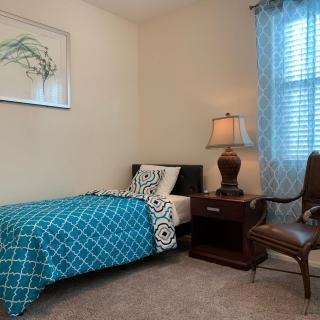




 An Extensive Exploration of the VA Aid and Attendance Benefit
 Senior Transition Services: Understanding Their Role, Cost, and Importance
 Exploring the Path to Senior Living: A Comprehensive Look at Independent Living and Assisted Living