
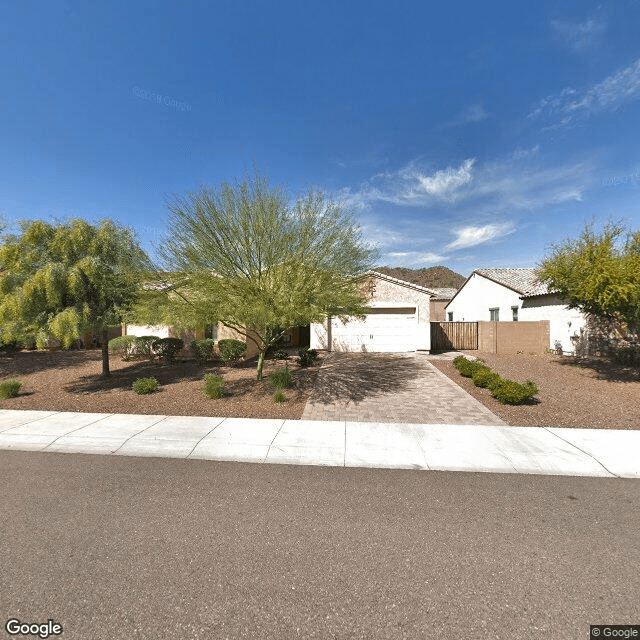
10032 West Jasmine Trail, Peoria, AZ 85383
For more information about senior living options: (866) 208-4318
Northlands Assisted Living Home Costs & Pricing
Northlands Assisted Living Home offers an attractive pricing model, with monthly costs significantly below the averages for both Maricopa County and the state of Arizona. For instance, all room types at Northlands - including studios, one-bedroom units, and private accommodations - are priced at $2,500. In contrast, residents in Maricopa County face average costs ranging from $3,318 to $3,960 per month depending on the room type. Similarly, statewide averages hover between $3,345 and $3,829. This notable disparity underscores Northlands' commitment to providing high-quality care at a more accessible price point for families seeking assisted living options.
| Floor plans | Northlands Assisted Living Home | Maricopa County | Arizona |
|---|---|---|---|
| Studio | $2,500 | $3,960 | $3,829 |
| 1 Bedroom | $2,500 | $3,473 | $3,532 |
| Private | $2,500 | $3,318 | $3,345 |
Memory care communities with a similar price nearby
-
About the same
Anc Assisted Living Homes I
$2,500 to $3,500 / month12.6 miles away -
from +$200 / mo
Caring Hearts Senior Care
$2,700 to $3,500 / month8.8 miles away -
from -$245 / mo

Windsor Luxury Assisted Living, LLC
$2,255 to $5,950 / month22.6 miles away -
from -$275 / mo
Harts Home - Exceptional Elder Care
$2,225 to $5,500 / month24.1 miles away -
from -$300 / mo
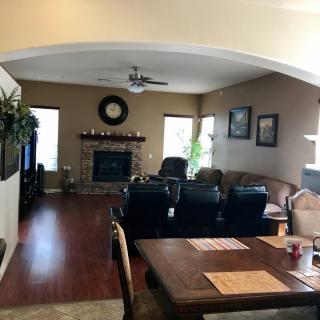
Paseo Highlands ALH
$2,200 to $3,500 / month8.9 miles away
Overall Review of Northlands Assisted Living Home
Pros
 The staff at Lake Pleasant Assisted Living are consistently kind and welcoming to both residents and their families.
- Vanessa is regarded as an earth-angel and one of the kindest, most compassionate people guiding families through the care process.
- The facility is beautiful, luxurious, well-maintained, and feels like a home away from home.
- The care provided is exceptional, with staff who give their all and keep residents happy and engaged.
- Families are included in events and activities, creating a warm, community-focused environment.
- The meals are homemade and delicious, adding a comforting touch to daily life.
- Pricing is fair and transparent, making quality care accessible for families.
- Residents’ health and well-being improve, with staff remembering their names and offering attentive, personalized care.
- The owner and staff consistently go above and beyond to meet individual needs and ensure residents feel cared for.
- The experience is described as peaceful, nurturing, and like being surrounded by a true family.
Cons
 They recall that the previous home they were in was awful.
- The mom had always felt uncomfortable asking for help.
- The family found it hard to let go.
- They endured the painful process of selecting a long-term care facility for their dying partner.
Review
Northlands Assisted Living Home is best suited for families seeking a refined, home-like atmosphere where care feels personal and ongoing family involvement is welcomed. In practice, the strongest indicators point to an operator and team that show genuine warmth, steady attentiveness, and a setting that blends elegance with everyday practicality. Residents who thrive on predictable routines, meaningful social engagement, and opportunities to participate in care decisions will likely find this model especially compelling. The kind of care that feels respectful, neighborly, and intelligently coordinated tends to produce the greatest sense of security for relatives.
Alternatives become worth considering when budget constraints are tight or when a resident requires higher medical acuity, round-the-clock nursing coverage, or memory-care infrastructure tailored to advanced dementia. If location within Peoria or nearby is not a priority, or if a larger campus with more expansive rehab staffing is desired, those factors can tilt the balance toward other providers. A smaller, more intimate home can become limiting for families seeking extensive clinical oversight or highly specialized programming beyond standard assisted living.
From the strongest positives, three themes drive decision leverage. First, hands-on leadership matters: direct access to an owner or administrator, visible care philosophy, and a culture of listening translate into faster problem-solving and fewer care gaps. Second, staff chemistry makes a real difference: compassionate, attentive caregivers who involve families in activities, updates, and planning foster trust and reduce anxiety for both residents and relatives. Third, daily life is defined by quality ingredients and thoughtful design: nutritious meals, varied activities, social events, and safe, well-planned spaces that support dignity and independence. When these elements align, care feels proactive rather than reactive, and residents stay engaged and connected.
However, potential drawbacks deserve careful scrutiny. Even with an outstanding team, a smaller operation can face constraints around resource breadth, parking, or access to certain amenities common in larger campuses. Pricing transparency is valuable, but move-in costs or ongoing fees can become a hurdle if the family budget must absorb multiple line items. For residents who will require intensive rehab, continuous nursing, or highly specialized memory-care design, it is essential to verify capabilities upfront. In short, the best fit exists where care goals are sustainable over time and aligned with the home’s operating strengths rather than momentary impressions.
When the key positives align with family priorities, the emotional and relational benefits often offset practical tradeoffs. Knowing a loved one is in a place where staff remember names, notice preferences, and invite family involvement delivers measurable peace of mind. Residents tend to experience steadier mood, social connection, and a sense of purpose through regular activities, accessible rehab options, and a welcoming climate that treats everyday moments as meaningful. The combination of a warm atmosphere, dependable care, and a well-maintained environment translates into a living experience that feels secure, dignified, and genuinely uplifting for both residents and their families.
For families in Peoria evaluating Northlands, this is a compelling profile to weigh against alternatives. A community that mirrors these strengths, visible leadership, compassionate staff, clean and inviting spaces, consistent engagement, and pricing that remains transparent, offers the strongest foundation for a confident transition. Begin with a direct conversation with the owner or administrator, request a representative activity calendar and dining sample, and speak candidly with current residents or families about daily life and responsiveness to needs. If the care emphasis shifts toward higher medical oversight, broader rehab services, or a different neighborhood focus, keep those criteria at the forefront and compare accordingly. The right choice rests on exact alignment between the care philosophy and the practical realities of everyday living.
 5 resident community capacity
 Assisted Living
 Board and Care Home
 Memory Care
 Activities on-site
 Cable or satellite TV
 Dining room
 Fully furnished
 Garden
 Housekeeping services
 Indoor common areas
 Move-in coordination
 Outdoor common areas
 Private
 Respite or short term stays offered
 Telephone
 Wheelchair accessible showers
 Wi-Fi/high-speed internet available
 24-hour supervision
 Assistance with bathing
 Assistance with dressing
 Assistance with transfers
 Diabetes diet
 Diabetic care
 Incontinence care
 Meal preparation and service
 Medication management
 Special dietary restrictions
 Transportation arrangement (medical)
 Transportation to doctors appointments



 Engaging Memory Care Activities That Enhance Quality of Life
 When to Transition from Assisted Living to Memory Care: Key Indicators, Steps, and Finding the Right Community
 Understanding the Distinctions: Assisted Living and Memory Care Explained