








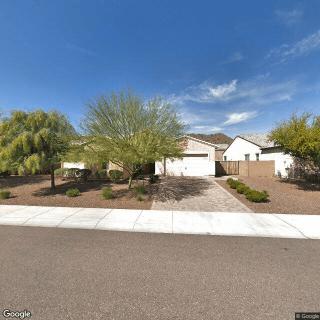
10087 West El Cortez Place, Peoria, AZ 85383
For more information about senior living options: (866) 208-4318
Overall Review of Provide Assisted Living Home
Pros
 The staff at Lake Pleasant Assisted Living are consistently kind, welcoming, and attentive to residents and their families.
 - Vanessa, the owner, is described as a compassionate, earth-angel-like leader who guides families with care.
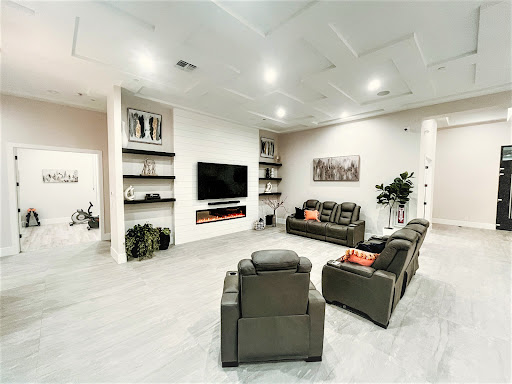
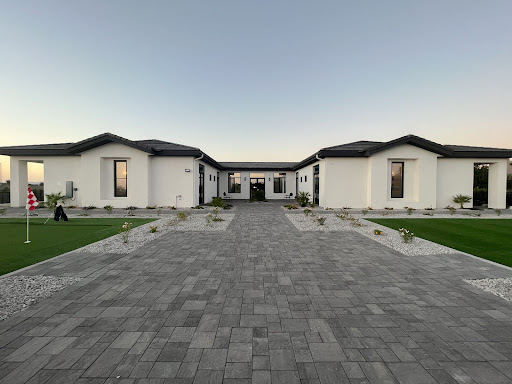
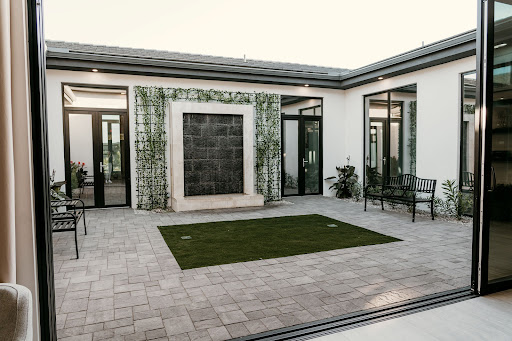
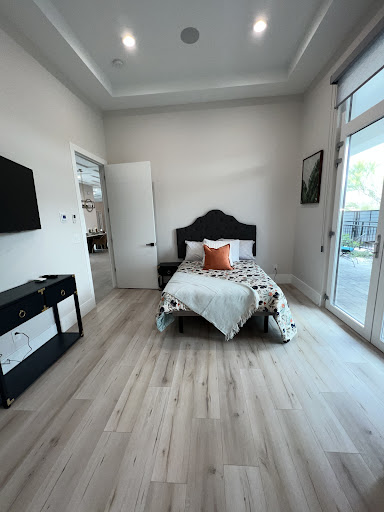
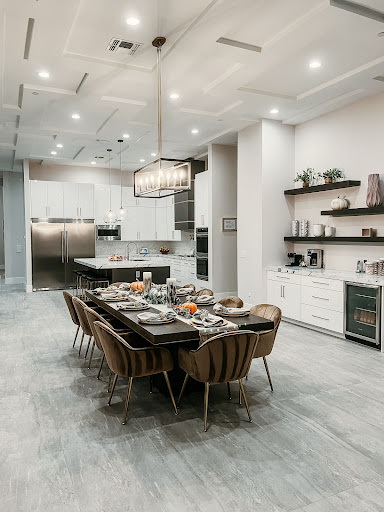
- The facility is beautiful, luxurious, and well-maintained, creating a home-like environment for residents.
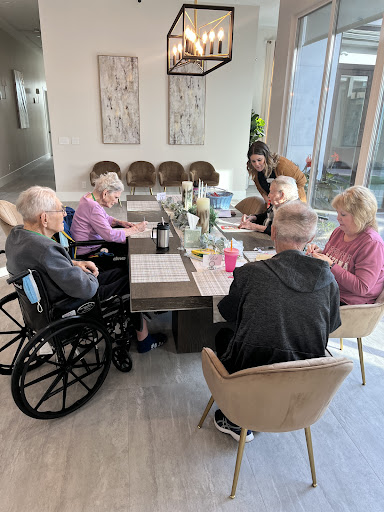
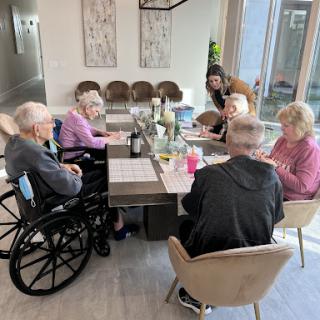
- The care is exceptional, with engaging activities, nutritious meals, rehab services, and strong family involvement.
- Pricing is fair and transparent, making high-quality care accessible without financial stress.
- Families experience lasting peace of mind and gratitude knowing their loved ones are safe, loved, and well cared for.
Cons
 The reviewer described the previous care home as awful.
 - The family endured the painful process of selecting a long-term care facility for their dying partner.
- The mother had always felt uncomfortable asking for help.
- The partner was terminal, and the reviewer recounts the eventual death, underscoring the pain of the loss.
Review
Lake Pleasant Assisted Living in Peoria is best suited for families that value a warm, home-like environment where care feels personal and daily life centers on relationships. The community shines for residents who respond to regular social programming, meaningful activities, and a staff that treats both residents and families with genuine kindness. It is a setting where the owner’s hands-on approach translates into a culture of respect, attentiveness, and a sense of being cared for like one’s own family. For families prioritizing warmth, continuity, and a “home away from home” feeling, this is a standout choice.
That said, alternatives should be on the table for certain needs. Families seeking high-acuity medical supervision around the clock, complex nursing or hospice-level care beyond what an assisted living can reliably provide, or a more impersonal, highly structured corporate environment may want to compare bigger or more clinically oriented communities. Similarly, those with stringent budget constraints or a preference for a broader, more extensive campus with a wider range of on-site specialists might find other options more aligned with their financial and medical expectations. The key is recognizing the facility’s strengths while honestly assessing whether medical complexity or scale requirements exceed what this smaller home can deliver.
The most compelling pros center on people and place. The staff, described across multiple reviews as compassionate, responsive, and personable, appears to deliver care with warmth and consistency. Owners and caregivers are praised for their genuine kindness, and the sense that residents are known individually permeates daily life, from anticipatory attention to personal preferences to shared family moments during visits. The home itself is repeatedly portrayed as clean, stylish, and well maintained, with upscale touches that create a welcoming, comfortable backdrop for daily routines. Nutrition, social activities, and family involvement converge to produce a lively, engaging atmosphere where residents look forward to daily programs rather than merely existing in a space.
These strengths offset most common concerns associated with smaller, intimate settings. The same traits that make this community feel like a family environment, close staff-resident relationships, proactive engagement, and easy family involvement, also help mitigate potential limitations around medical staffing or service breadth. Residents benefit from regular exercise opportunities, therapeutic activities, and accessible rehab resources that complement a strong daily cadence. When memory, mood, and social vitality improve under consistent, attentive care, the risk of loneliness and withdrawal diminishes, making the small-scale model a deliberate advantage rather than a drawback.
Yet a practical lens remains essential. Prospective residents should confirm that the level of medical supervision aligns with current needs and that a plan exists to handle any escalation in care requirements. The reviews speak to a high-touch, well-coordinated approach, with a noted rehab presence and a responsive team; still, families with evolving or highly specialized medical regimes should verify service scope, availability of visiting clinicians, and the facility’s capacity to coordinate with external healthcare providers. The ambiance and personalized care are compelling, but the question remains whether comfort and connection can sustain evolving clinical needs over time.
Bottom line: this community earns its stars by delivering extraordinary warmth, attentiveness, and a homey, well-cared-for environment that families can trust. It is an outstanding fit for seniors who prosper on activity, daily companionship, and the reassurance of a closely managed, compassionate team led by a deeply invested owner. For those prioritizing large-scale medical facilities, extensive on-site clinical resources, or lower price points, alternatives should be explored. In the end, Lake Pleasant Assisted Living represents a practical, principled choice for families who want a trusted, personal home for their loved one, where care feels as much about heart as it does about hands. Schedule a tour, observe interaction patterns, and assess how the care plan aligns with the loved one’s daily rhythms and long-term needs.
 10 resident community capacity
 Assisted Living
 Board and Care Home
 Cable or satellite TV
 Dining room
 Fully furnished
 Garden
 Housekeeping services
 Move-in coordination
 Outdoor space
 Telephone
 Wi-Fi/high-speed internet available
 Phoenix Sky Harbor International (25 miles away)
 24-hour supervision
 Activities of daily living assistance
 Assistance with bathing
 Assistance with dressing
 Assistance with transfers
 Diabetes diet
 Meal preparation and service
 Medication management
 Special dietary restrictions
 Transportation arrangement (medical)
 Transportation to doctors appointments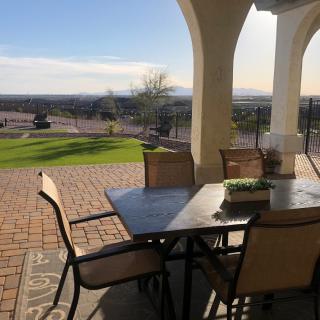



 When to Transition from Assisted Living to Memory Care: Key Indicators, Steps, and Finding the Right Community
 Assisted Living and Memory Care: Understanding Their Core Differences
 Beyond the Bingo Hall: 50+ Enriching Activities for Seniors in Assisted Living