
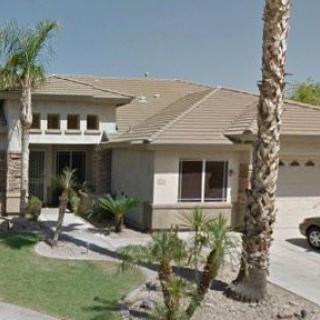
9743 West Hedge Hog Place, Peoria, AZ 85383
For more information about senior living options: (866) 208-4318
Overall Review of The Pines at Pleasant Valley Assisted Living
Pros
 The Pines at Pleasant Valley delivers care that is kind and dignity-filled.
- Residents receive home-cooked meals daily.
- Medications are administered with fidelity.
- The rooms and the facility are immaculately clean.
- Residents are spoken to with kindness, and families are included in daily activities when appropriate.
- The reviewer would recommend The Pines at Pleasant Valley for consistent and quality care.
Review
Best suited for seniors who prize a dependable, home-like setting with predictable routines, strong daily caregiving, and warm, dignified treatment. The Pines at Pleasant Valley Assisted Living in Peoria is particularly appropriate for families seeking ongoing oversight and a consistent caregiving team, where meals feel like home and residents are spoken to with kindness. The model supports long-term stays for residents who require help with daily activities and routine medications, without requiring continuous hospital-level medical intervention. The setting emphasizes personal dignity, family inclusion, and a clean, comfortable environment, which reduces anxiety for both residents and relatives. Those with complex medical needs, memory care requirements, or a desire for highly specialized rehab may want to explore places that offer higher acuity services or dementia-specific programming.
Pros are concrete and repeatedly echoed: staff treat residents with kindness and dignity; daily meals are home-style and comforting; medications are administered with fidelity; rooms and common areas are immaculately clean; and families are invited to participate in daily life in an appropriate and meaningful way. This combination addresses core concerns about safety, nutrition, and emotional well-being. When a resident is cared for with respect and warmth, daily compliance with medications and routines tends to improve, reducing avoidable distress. A clean, well-maintained environment reinforces a sense of security and reduces the risk of infections. The inclusion of family in the day-to-day routine provides transparency and ongoing oversight that many families value highly.
Even without listed drawbacks, the strengths here directly offset the most common concerns families raise during planning. The fidelity of med administration lowers medication-error risk, a frequent worry for relatives of seniors with multiple prescriptions. The home-cooked meals support nutritional goals better than generic institutional fare, which matters for appetite, mood, and overall health. Immaculate rooms and shared spaces minimize safety hazards and convey ongoing respect for residents’ living space. Dignified, compassionate interactions reduce agitation and withdrawal, which can be a sign of disengagement in less-personal settings. And the explicit inclusion of family in daily life creates a reliable feedback loop, so changes in condition or preferences are quickly observed and discussed with caregivers.
For families evaluating alternatives, consider whether the setting offers memory-care programming or higher-acuity support if cognitive decline is prominent or if sudden medical spikes are anticipated. If on-site physicians, rapid access to rehabilitation services, or transportation-enabled outings are priorities, it is prudent to compare with communities that emphasize those capabilities. If independence and a broader social agenda are paramount, verify the range of activities, guest policies, and room configurations to ensure alignment with lifestyle expectations. In other words, The Pines excels at steady, respectful daily care, but those seeking intensive medical oversight or dementia-specific environments should assess options with a sharper focus on those services.
When visiting, assess staffing patterns, including typical nurse-to-resident ratios and whether on-site medical oversight is available. Request menus and ask about dietary accommodations and meal variety, ensuring home-style quality is truly maintained. Inspect cleanliness across resident rooms and common areas and note how housekeeping and maintenance respond to requests. Observe interactions to gauge whether residents are engaged and spoken to with warmth. Inquire about how families participate in daily routines, how care plans are communicated, and how decisions are made when a change in condition arises. Finally, ask for references from families who have long-term placements to gain perspective on consistency of care over time.
The Pines at Pleasant Valley Assisted Living in Peoria stands out for families prioritizing consistent, compassionate care delivered in a warm, home-like setting. It is especially well-suited for long-term residents who value dignity, dependable medication management, daily home-style meals, and a clean, orderly environment, with active family involvement. For seniors whose needs lean toward higher medical acuity or dementia-specific programming, alternatives should be explored to confirm the required level of support. With due diligence, tours, conversations with frontline staff, and references, the fit can be confirmed, and peace of mind gained for the resident and family alike.
 10 resident community capacity
 Assisted Living
 Cable or satellite TV
 Dining room
 Fully furnished
 Garden
 Housekeeping services
 Move-in coordination
 Outdoor space
 Telephone
 Wi-Fi/high-speed internet available
 24-hour supervision
 Activities of daily living assistance
 Assistance with bathing
 Assistance with dressing
 Assistance with transfers
 Diabetes diet
 Meal preparation and service
 Medication management
 Special dietary restrictions
 Transportation arrangement (medical)
 Transportation to doctors appointments




 Assisted Living Expenses and Long-Term Care Insurance: A Comprehensive Exploration
 Securing Financial Support for Assisted Living: A Comprehensive Overview
 Social Security Benefits and Assisted Living: Navigating Options Across the U.S.