
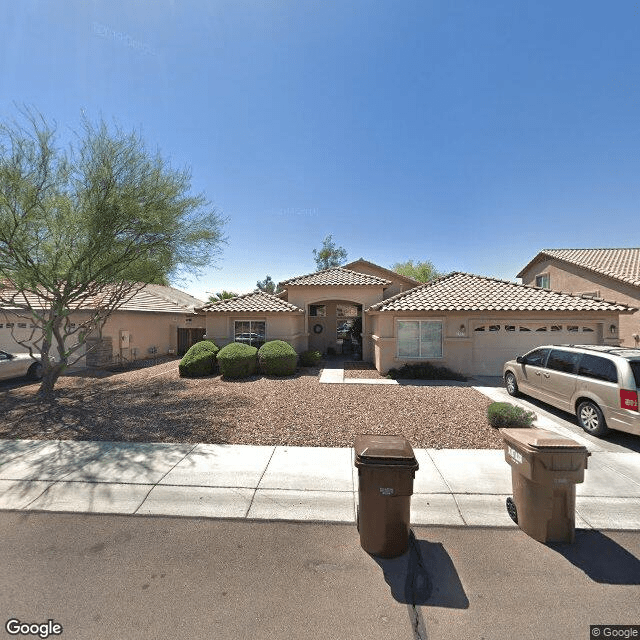
7983 West Martha Way, Peoria, AZ 85381
For more information about senior living options: (866) 208-4318
A Touch Of Elegance Care Home Costs & Pricing
A Touch Of Elegance Care Home offers competitive pricing for its residents, with monthly costs that align closely with the regional averages in Maricopa County and across Arizona. For semi-private accommodations, the facility charges $2,800, which is just slightly below the county's average of $2,801 and the state average of $2,820. Those seeking more privacy will find private rooms at A Touch Of Elegance priced at $3,200, again offering a more economical option compared to Maricopa County's average of $3,318 and Arizona's state average of $3,345. This cost structure reflects a commitment to providing quality care while remaining accessible to families within the community.
| Floor plans | A Touch Of Elegance Care Home | Maricopa County | Arizona |
|---|---|---|---|
| Semi-Private | $2,800 | $2,801 | $2,820 |
| Private | $3,200 | $3,318 | $3,345 |
Assisted Living communities with a similar price nearby
-
About the same
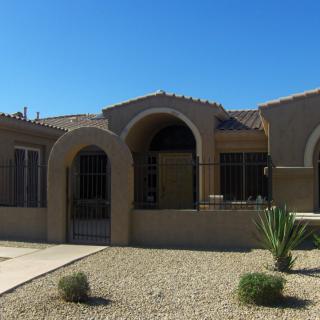
Pinnacle Peak Assisted Living
$2,800 to $3,100 / month19.4 miles away -
from -$175 / mo

The Eldercare Home Of Tempe
$2,625 to $3,412 / month25.0 miles away -
from +$100 / mo
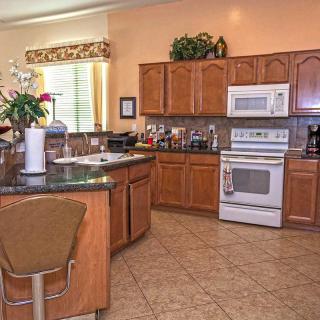
Royal Paradise Care
$2,900 to $3,800 / month6.9 miles away -
from +$200 / mo

Bella Amore Assisted Living
$3,000 / month5.6 miles away -
About the same
Covenant Care Assisted Living Home
$2,850 to $3,705 / month10.3 miles away
Overall Review of A Touch Of Elegance Care Home
Pros
 The new management brings a fresh vibe with modern updates, making the house feel like a home.
- It is a wonderful place with loving care for residents, and families would highly recommend it.
- Tours are well organized, scheduling is prompt, and the staff are accommodating.
- Families are glad they found this group home for their loved ones.
- The home is very clean and has a welcoming feel.
- The staff are compassionate and treat residents like family, delivering top-notch care.
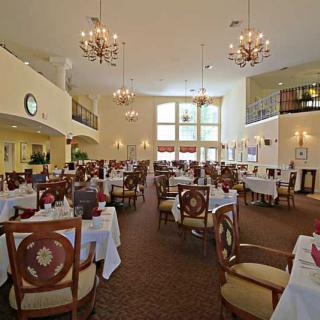
- The dining is home-cooked and delicious, contributing to a homelike atmosphere and happy residents.
Cons
 There was no vacancy.
- The room was rented.
Review
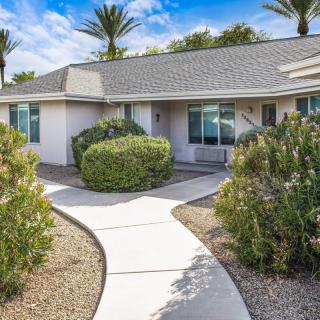
A Touch Of Elegance Care Home in Peoria is best suited for families seeking a quiet, intimate, home-like setting where daily life feels reassuringly normal and care feels personal. Under new management, the house has a refreshed, modern feel while preserving warmth and accessibility. The environment is described as clean and inviting, with a homelike atmosphere that makes visitors, and residents, feel at ease from the first step inside. Meals are consistently praised as home-cooked, and the staff’s hands-on, compassionate approach is highlighted as a defining strength. This community rewards families who value consistent attention, regular family communications, and a setting where caregivers treat residents as part of a close-knit household.
Those weighing alternatives should consider whether the resident’s needs extend beyond what a smaller, family-style home can sustainably provide. For seniors requiring higher-acuity medical oversight, more structured rehab programs, or a campus with a broader continuum of care, a larger assisted living or a skilled-nursing option may be more appropriate. Availability is a real factor here: several reviewers noted that placement hinged on who had an opening, and the occasional “no vacancy” moment underscored that demand can outpace supply. Families in urgent need of immediate placement or those seeking expansive programming or transport options may prefer a community with a larger staff and a wider range of services.
The strongest positives center on atmosphere, staffing, and daily life that feels manageable and respectful. The home’s cleanliness and the welcoming vibe create an environment where residents are comfortable and residents’ families can visit with confidence. The staff is repeatedly described as compassionate and attentive, with directors and caregivers taking a genuine interest in residents’ well-being. Family updates are frequent enough to reassure concerned relatives, and the ability to see loved ones actively engaged, whether through regular meals, social interactions, or small touches of daily routine, helps reduce anxiety about care. The continuity signaled by a resident staying seven years in one case adds credibility to the sense of stability and community.
Yet the same intimate scale that yields warmth can curtail certain capabilities. The reviews imply a small-operation reality rather than a large medical campus: there may be limited on-site medical programming, fewer specialized activities, and a tighter staffing pool. While turnover isn’t highlighted as a problem, the reality of a smaller team means families should verify that the current care plan aligns with the resident’s evolving needs and that there is a clear path for escalating care if health status changes. For memory care or complex rehab requirements, this setting may feel less equipped than larger houses that routinely coordinate with external clinicians and in-house specialists.
When evaluating, prospective families should prioritize direct conversations about daily routines, meal service, and how care plans are managed day to day. Observe the dining area and kitchen cleanliness, note how staff interact with residents during routine tasks, and ask about how communication with families is handled during transitions or health fluctuations. Inquire about licensing, staff-to-resident ratios, and the facility’s process for updating care plans as needs evolve. Request a tour at various times to gauge consistency in care and responsiveness, and confirm the current vacancy status and wait times to avoid misaligned expectations.
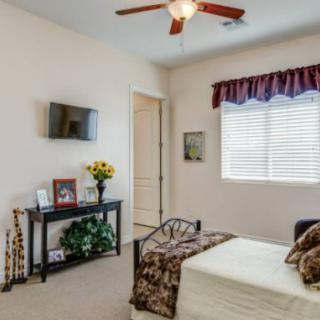
In the end, this community delivers a practical, deeply human option for seniors who want a warm, home-like environment with consistently thoughtful caregiving and bright, livable spaces. It shines for families prioritizing personalized attention, transparent family communication, and a setting where meals, cleanliness, and daily rhythms reinforce a sense of security and belonging. It is less suited for residents who require intensive clinical oversight, rapid access to medical services, or a wide continuum of care within a single campus. For those who can secure an opening and value a close-knit, caregiver-driven approach, the match tends to be strong, and the daily life of residents often reflects genuine comfort, dignity, and steady, humane care.
 8 resident community capacity
 Assisted Living
 Board and Care Home
 Respite Care
 Activities on-site
 Cable or satellite TV
 Dining room
 Fully furnished
 Garden
 Housekeeping services
 Move-in coordination
 Outdoor common areas
 Private
 Private bathrooms
 Telephone
 Wheelchair accessible showers
 Wi-Fi/high-speed internet available
 Phoenix Sky Harbor International (18 miles away)
 24-hour supervision
 Ambulatory care
 Assistance with bathing
 Assistance with dressing
 Assistance with transfers
 Diabetes diet
 Diabetic care
 High acuity care
 Incontinence care
 Meal preparation and service
 Medication management
 Special dietary restrictions
 Transportation arrangement (medical)
 Transportation to doctors appointments
 Christian services

 Medicare Coverage for Assisted Living: An In-Depth Exploration
 Choosing the Right Senior Care: A Detailed Exploration of Assisted Living and Nursing Homes
 Understanding the True Cost of Assisted Living in 2025: A Comprehensive Guide