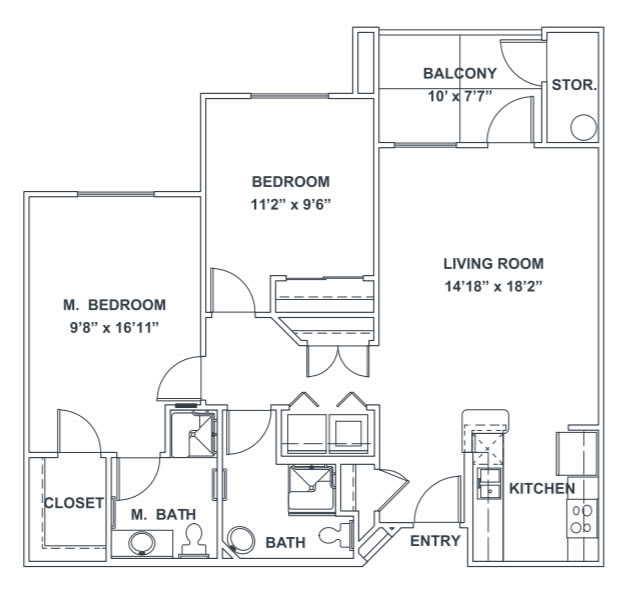
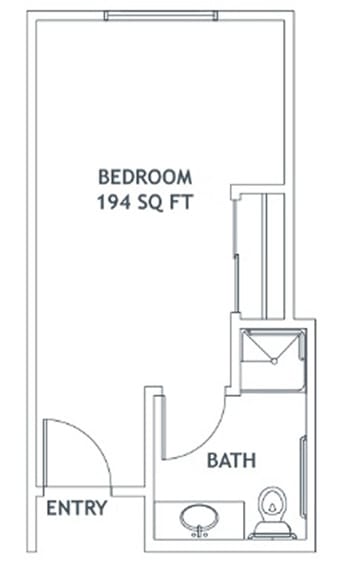
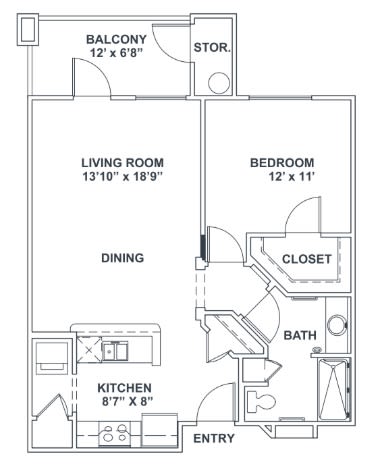
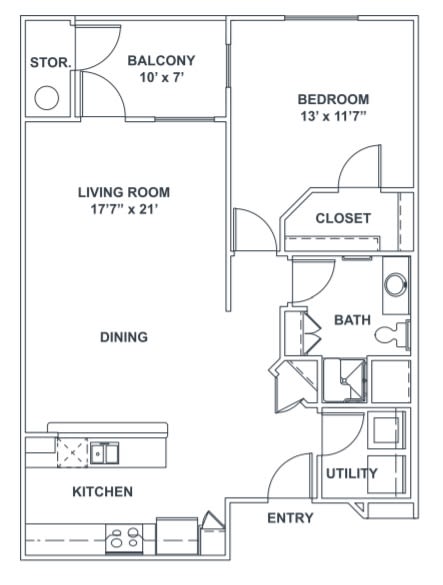
The Montecito offers competitive pricing for its accommodations, particularly when compared to the broader market in Maricopa County and throughout Arizona. For a one-bedroom unit, residents can expect to pay $3,320, which is notably lower than the county average of $3,473 and the state average of $3,532. Similarly, two-bedroom apartments at The Montecito are priced at $3,870, again undercutting both Maricopa County and state rates of $4,112 and $4,106 respectively. However, there is a marked contrast with semi-private rooms and studios; while The Montecito's semi-private rate stands at $6,000 - a significant premium over the county's rate of $2,801 and the statewide average of $2,820 - the studio rate of $6,250 is also higher than both the county's price of $3,960 and the state's average of $3,829. This pricing structure highlights The Montecito's positioning in a niche market that blends upscale living with thoughtful service offerings.
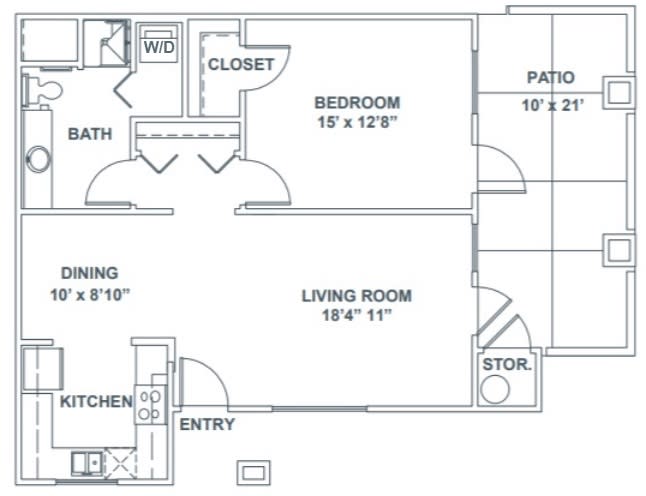
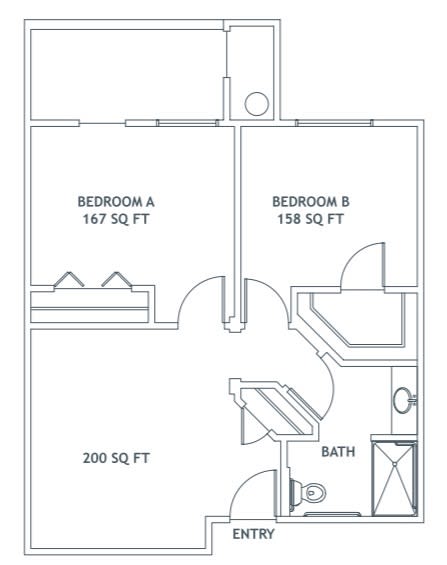
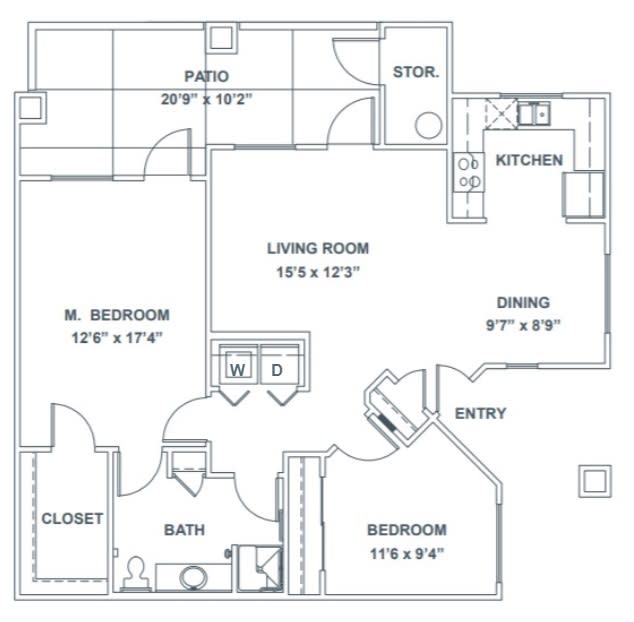
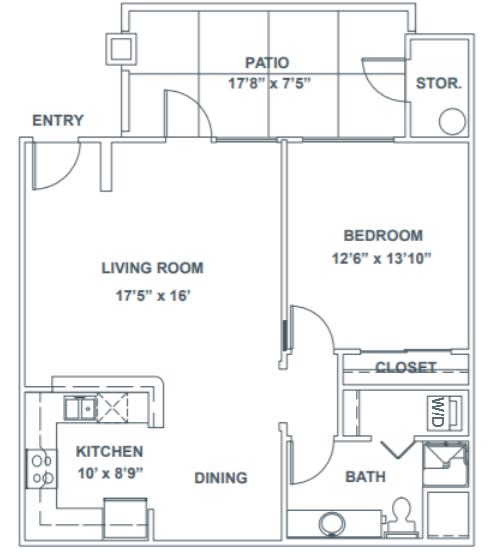
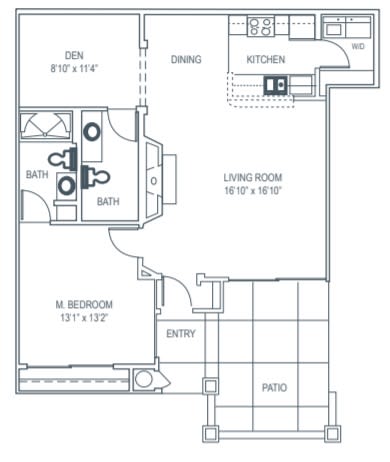
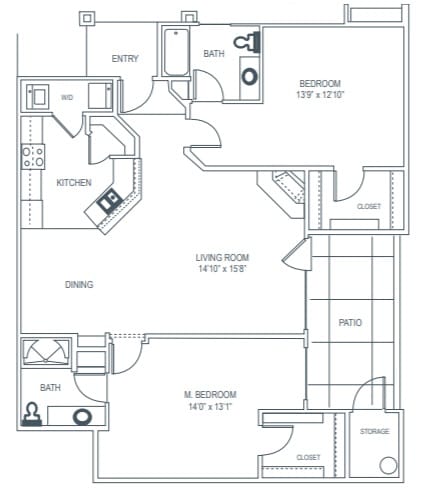
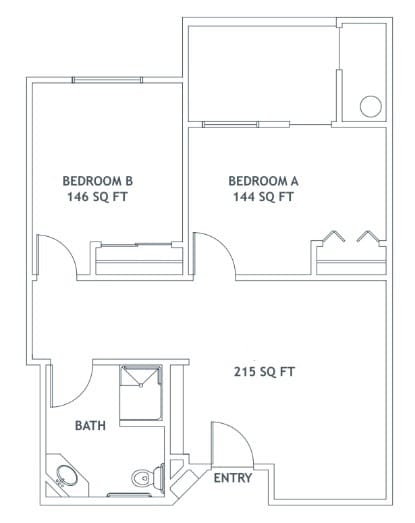
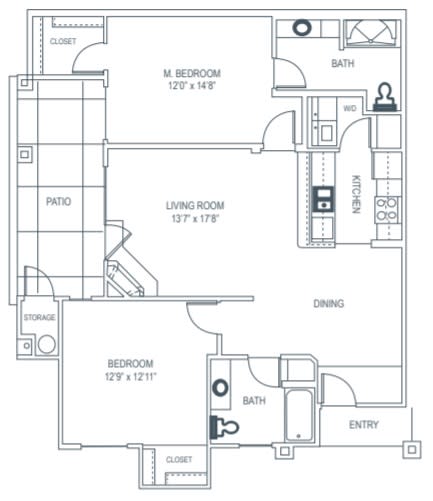
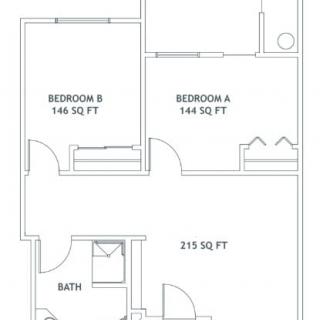
Floor plans
The Montecito
Maricopa County
Arizona
1 Bedroom
$3,320
$3,473
$3,532
2 Bedrooms
$3,870
$4,112
$4,106
Semi-Private
$6,000
$2,801
$2,820
Studio
$6,250
$3,960
$3,829
Memory care communities with a similar price nearby
Residents describe a smoother move when care needs change over time.
Multiple reviews describe a progression from independent living into assisted living and memory care, with families feeling their loved one could stay at the same community as needs evolved. Residents and family members also mention peace of mind tied to day-to-day care routines, such as medication support and assistance with needs when family can’t be there. A few reviewers raise serious concerns about staffing and medication timing, so experiences are not uniformly consistent.
common14 reviews mention this
Dining feels more flexible than typical
Restaurant-style dining and variety are recurring themes in reviews.
Dining comes up often, with residents and family members describing broad options and the ability to eat on a flexible schedule rather than only strict set times. Several reviewers mention enjoying specific meal choices and improved routines like multiple meals per day and an anytime menu concept. At the same time, a few reviews express food or dining-service dissatisfaction, including comments about meal quality and service attitude.
common15 reviews mention this
Activities keep residents engaged
Residents consistently talk about an active schedule of events.
Reviews frequently describe busy days with activities and entertainment, including group games and planned events. Families also mention socializing as a key benefit, with residents spending time out of their rooms and meeting others. A couple of reviewers note interruptions or limits tied to circumstances like COVID, but many still highlight the range of things to do indoors and outdoors.
common26 reviews mention this
Staff warmth is a major driver
Staff responsiveness and kindness are frequently praised by families and residents.
Across reviews, many residents and family members describe staff who are friendly, helpful, and professional, including people at the front desk, nursing-related roles, and dining and activities teams. Several reviewers also describe staff going out of their way during moves or during ongoing care, reinforcing confidence that someone is watching out for needs. There are also outliers where reviews criticize specific staff attitudes or overall care decisions, so service quality isn’t described the same way by every reviewer.
caveat4 reviews mention this
Cost shows up as a drawback
Some residents feel the community is expensive for the value received.
A recurring concern in a smaller number of reviews is pricing, with reviewers calling the community overpriced and describing a lack of value for what they received. One reviewer ties dissatisfaction to care and staffing concerns, while another focuses more on overall cost. These comments contrast with other reviews that call the rates reasonable compared with what they were considering, so perceived value depends on expectations and individual experience.
How we summarize
Counts show how many written reviews mention each theme; a review can touch several themes, and only frequently mentioned themes are displayed.
Features
Housing
124 resident community capacity
1-bedroom apartments
2-bedroom apartments
Types of Care
Assisted Living
Independent Living
Memory Care
Respite Care
Amenities
Activities off-site
Activities on-site
Air-conditioning
Bath tubs
Beautician on-site
Beauty salon
Cable or satellite TV
Computer center
Devotional services off-site
Devotional services on-site
Dining room
Fireplaces
Fitness room
Full kitchen
Fully furnished
Gaming room
Garden
Ground floor units
Handicap accessible
Housekeeping services
Indoor common areas
Kitchenette
Laundry
Move-in coordination
Outdoor common areas
Outdoor space
Private bathrooms
Respite or short term stays offered
Restaurant-style dining
Small library
Swimming pool
Swimming pool / hot tub
Telephone
Wellness center
Wheelchair accessible showers
Wi-Fi/high-speed internet available
Transportation
Phoenix Sky Harbor International (20 miles away)
Community operated transportation
Transportation & parking
Transportation arrangement
Transportation arrangement (non-medical)
Transportation to doctors appointments
Care Services
12-16 hour nursing
24-hour call system
24-hour supervision
Activities of daily living assistance
Ambulatory care
Assistance with bathing
Assistance with dressing
Assistance with transfers
Coordination with health care providers
Dementia waiver
Diabetes diet
Diabetic care
High acuity care
Hospice waiver
Incontinence care
Meal preparation and service
Medication management
Mental wellness program
Mild cognitive impairment
Physical therapy
Special dietary restrictions
Specialized memory care programming
Transportation arrangement (medical)
Transportation to doctors appointments
Dining
Anytime dining
Diabetes diet
Gluten-free
Guest meals
Low / no sodium
Meals provided
No Sugar
Restaurant style dining
Room service
Special dietary restrictions
Special dining programs
Activities
Activities off-site
Art classes
Catholic services
Community-sponsored activities
Concierge services
Day trips and outings
Devotional activities offsite
Devotional activities on-site
Educational speakers / life long learning
Fitness programs
Happy hour
Karaoke
Live well programs
Other religious services
Planned day trips
Religious services
Resident-run activities
Scheduled daily activities
Visiting chaplain or priest
Wine tasting
Languages Spoken
English
Videos
Nearby Places of Interest
This area of Peoria, Arizona offers a convenient and bustling community with a variety of amenities nearby. With several popular restaurant options such as Cracker Barrel, Whataburger, and Abuelo's Mexican Restaurant within close proximity, residents can easily enjoy dining out. In terms of healthcare services, there are multiple pharmacies and physician offices located within a few miles, including Albertsons Pharmacy and Sonoran Vein and Endovascular. For leisure activities, there are cafes like Starbucks and Dutch Bros Coffee for socializing or relaxing. Additionally, entertainment options include Arrowhead Fountains 18 and AMC Arrowhead 14 theaters for enjoying movies or shows. Places of worship such as The Church At Arrowhead offer spiritual support, while parks like Rio Vista Community Park provide opportunities for outdoor recreation. Overall, this area provides a vibrant and convenient living environment for seniors looking to settle in Peoria.
Restaurants
Cracker Barrel (0.4 miles)
Whataburger (0.4 miles)
Abuelo's Mexican Restaurant (0.7 miles)
The Social on 83rd (0.7 miles)
Bubba's 33 (0.7 miles)
In-N-Out Burger (0.7 miles)
The Cheesecake Factory (0.8 miles)
Pharmacies
Albertsons Pharmacy (0.4 miles)
Walgreens (1 miles)
CVS Pharmacy (1 miles)
Walgreens (2 miles)
CVS Pharmacy (2.2 miles)
CVS Pharmacy (2.3 miles)
Walgreens (2.6 miles)
Physicians
Aspire Pedi. Therapy (0.5 miles)
Sonoran Vein and Endovascular (1.1 miles)
Associated Retina Consultants (1.3 miles)
North Valley Dermatology & Original Skin (2.2 miles)
Pleasant Pediatrics (2.3 miles)
Arrowhead Endoscopy & Pain Management Center (2.6 miles)
Arrowhead Hospital - Bryan Ficarra, DO (2.7 miles)
Cafes
Starbucks (0.8 miles)
Dutch Bros Coffee (2.2 miles)
Starbucks (2.2 miles)
Starbucks (3.5 miles)
Dutch Bros Coffee (3.6 miles)
Starbucks (3.7 miles)
Black Rock Coffee Bar (4.8 miles)
Theaters
Arrowhead Fountains 18 (0.8 miles)
AMC Arrowhead 14 (1.1 miles)
Places of Worship
The Church At Arrowhead (1.2 miles)
St Thomas More Parish (3.3 miles)
Church of Jesus Christ of Latter Day Saints (4.2 miles)
CCV Childrens Building (5.1 miles)
Christ's Church of the Valley (5.1 miles)
Parks
Rio Vista Community Park (2.2 miles)
Fletcher Heights Park (2.6 miles)
Foothills Park (3.7 miles)
Thunderbird Park (4.9 miles)
Pioneer Community Park Off-Leash Dog Park (5.3 miles)
The Montecito offers competitive pricing for its accommodations, particularly when compared to the broader market in Maricopa County and throughout Arizona. For a one-bedroom unit, residents can expect to pay $3,320, which is notably lower than the county average of $3,473 and the state average of $3,532. Similarly, two-bedroom apartments at The Montecito are priced at $3,870, again undercutting both Maricopa County and state rates of $4,112 and $4,106 respectively. However, there is a marked contrast with semi-private rooms and studios; while The Montecito's semi-private rate stands at $6,000 - a significant premium over the county's rate of $2,801 and the statewide average of $2,820 - the studio rate of $6,250 is also higher than both the county's price of $3,960 and the state's average of $3,829. This pricing structure highlights The Montecito's positioning in a niche market that blends upscale living with thoughtful service offerings.
The Montecito's 24-hour supervision ensures that residents receive constant support and monitoring, which is essential for safety in individuals with dementia or Alzheimer's disease, particularly during moments of confusion or disorientation. Assistance with activities of daily living, including bathing and dressing, helps residents maintain dignity and comfort while addressing their unique needs. Coordination with healthcare providers ensures holistic treatment plans are tailored to each resident's condition, while the dementia waiver provides a framework for specialized care. Incontinence care and meal preparation are crucial aspects of daily life that contribute to both physical health and emotional well-being. Medication management prevents errors in dosage or timing, safeguarding physical health often compromised by cognitive decline. The mental wellness program and specialized memory care programming engage residents in meaningful activities that stimulate cognition and promote social interaction. Physical therapy supports mobility maintenance, reducing the risk of falls and enhancing quality of life. Finally, transportation arrangements facilitate access to medical appointments, ensuring continuity of care within the community's supportive environment.
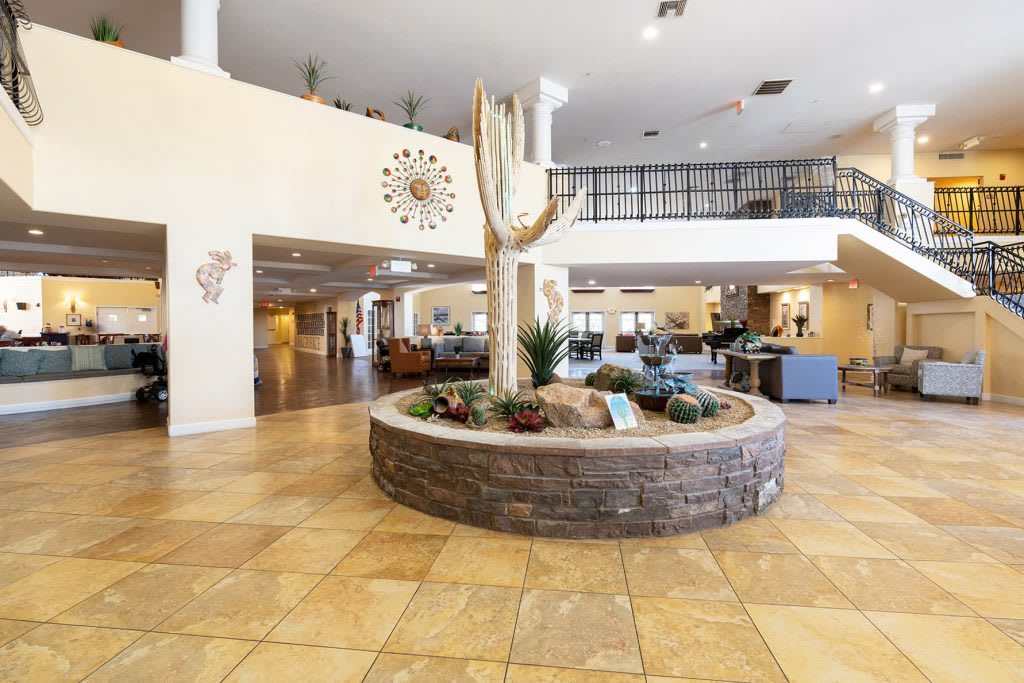
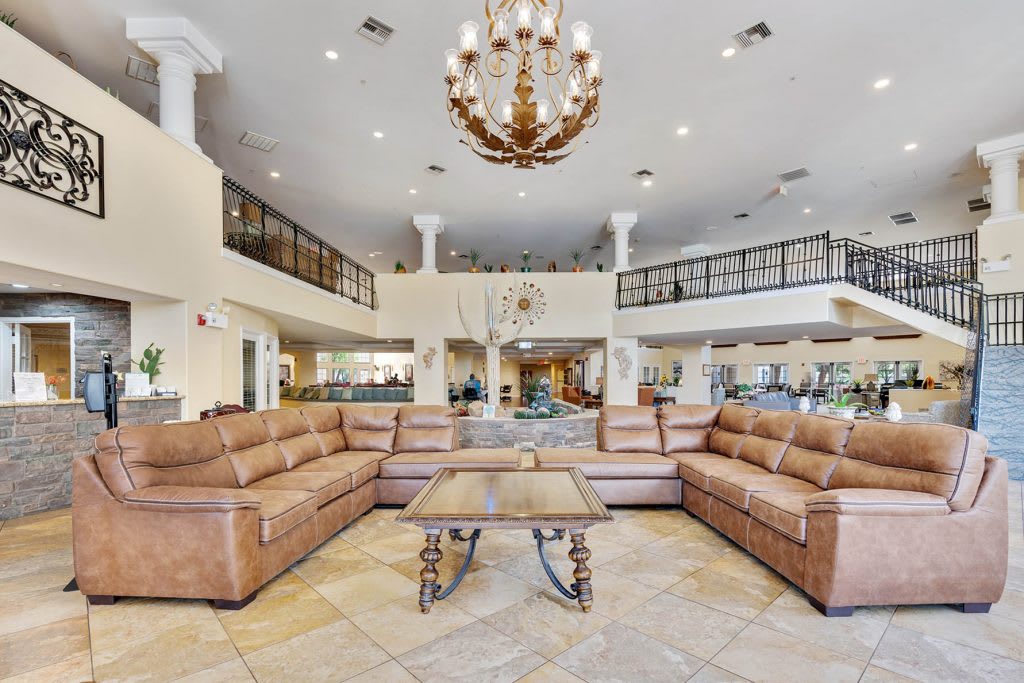
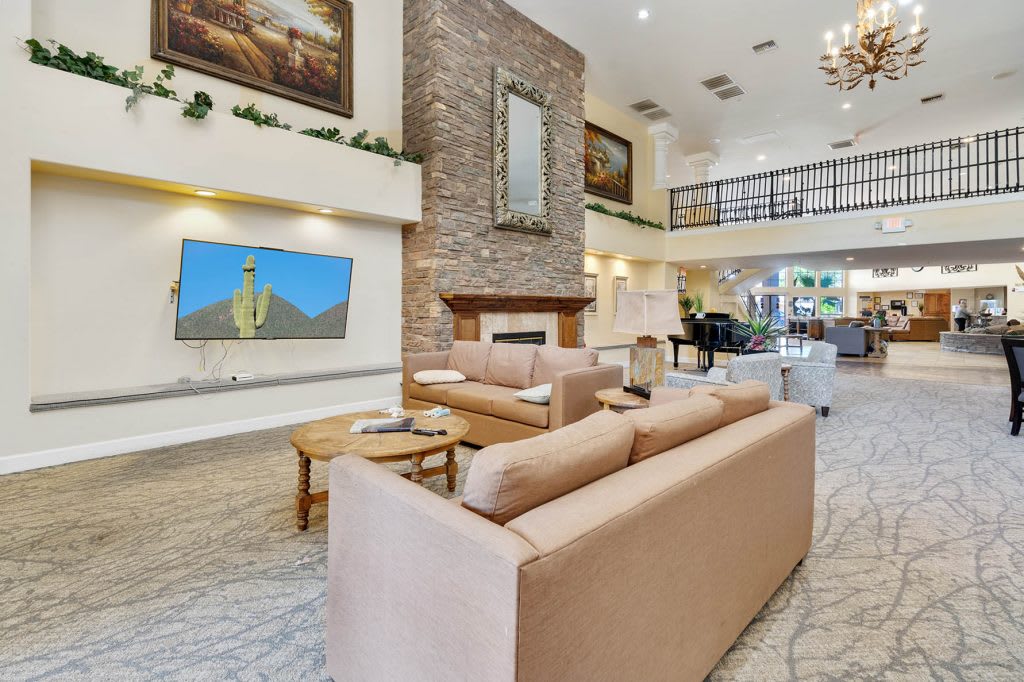
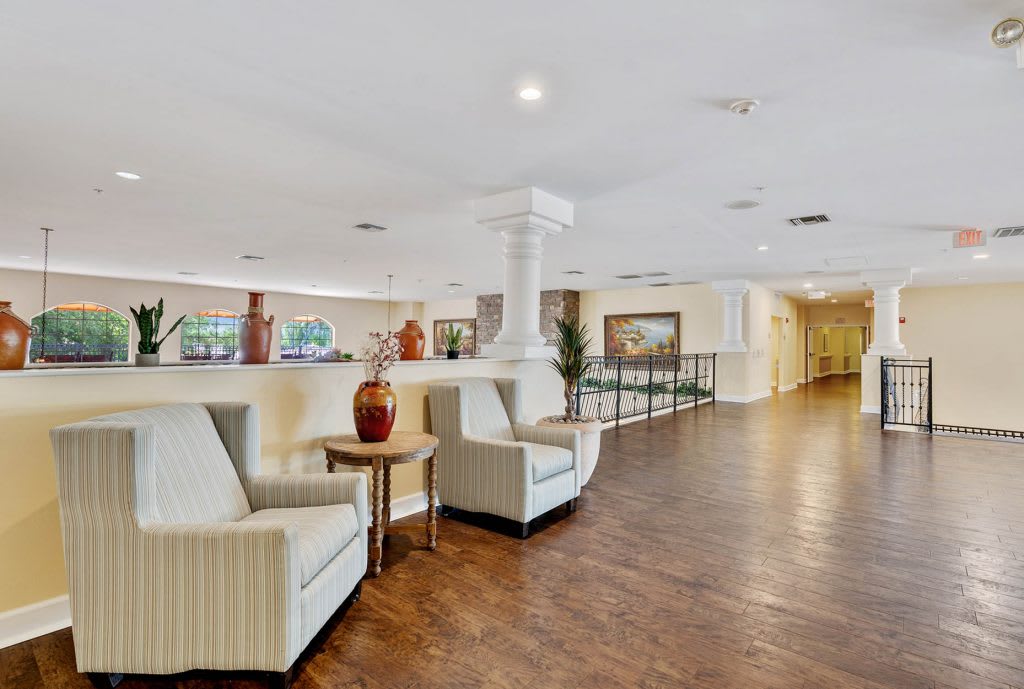
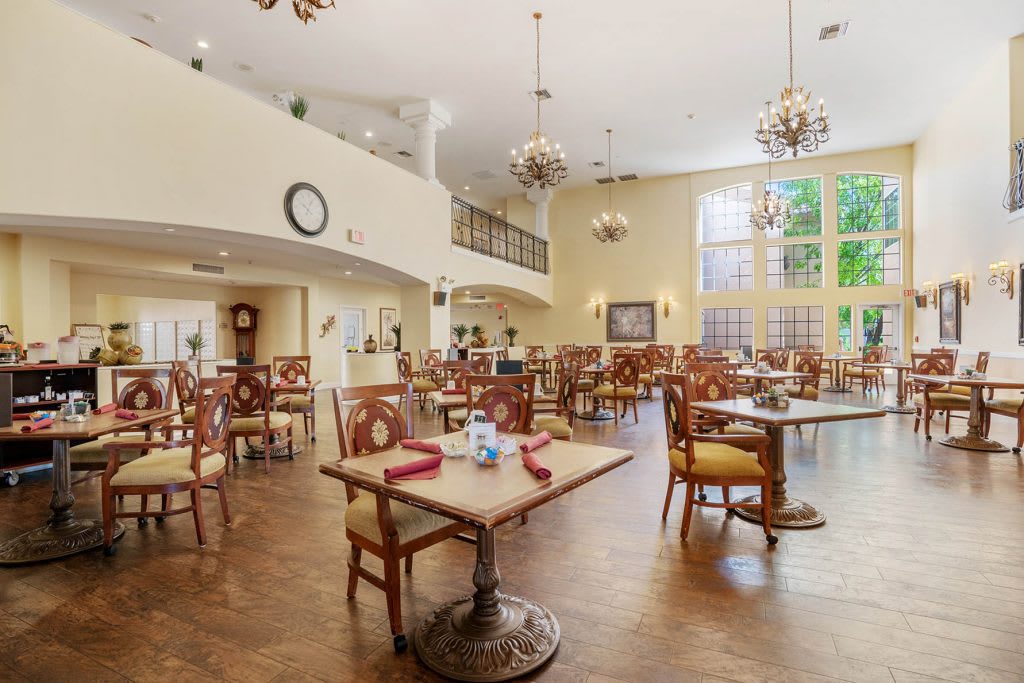
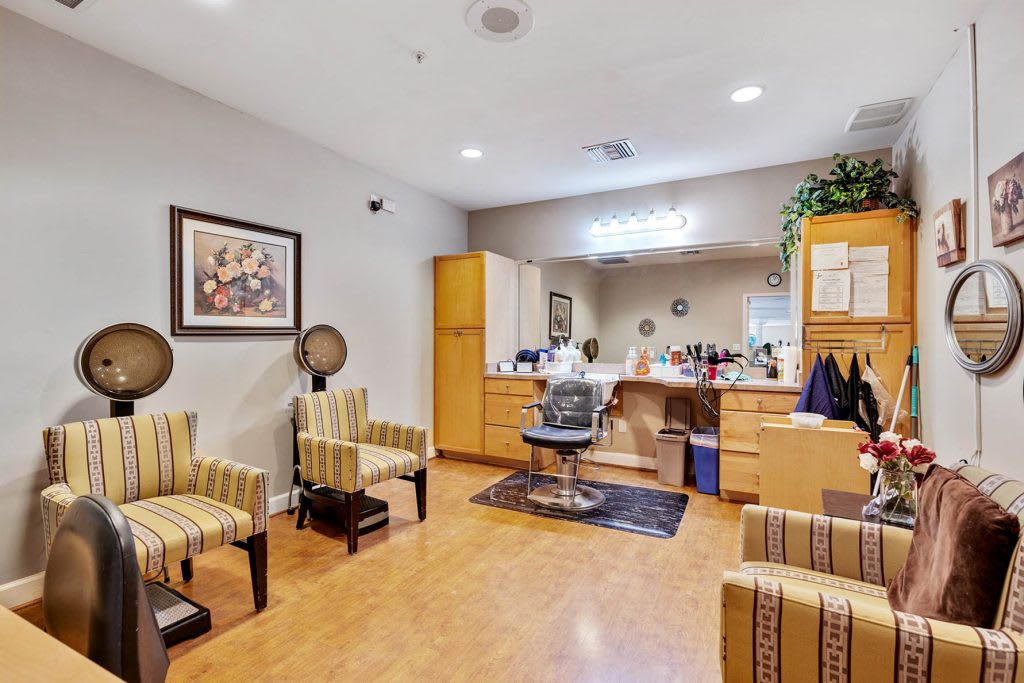
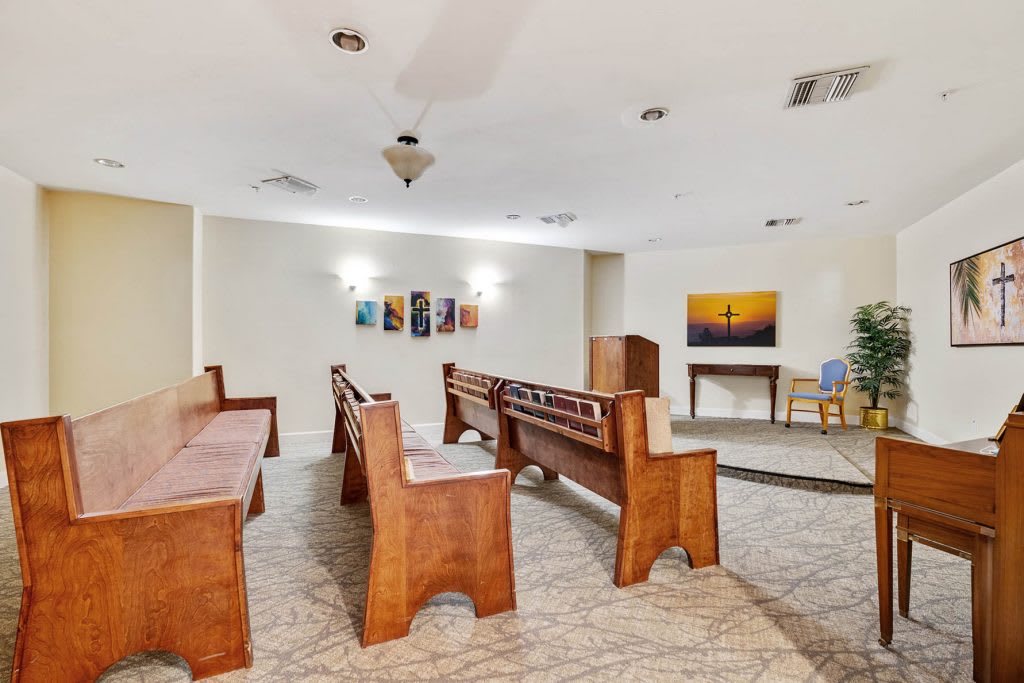
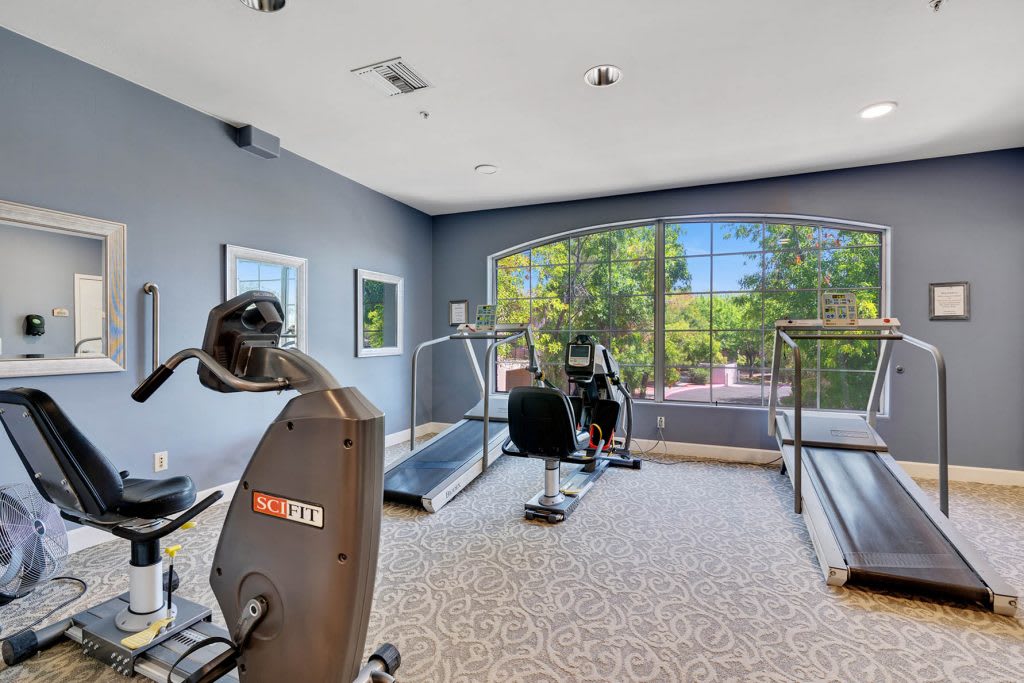
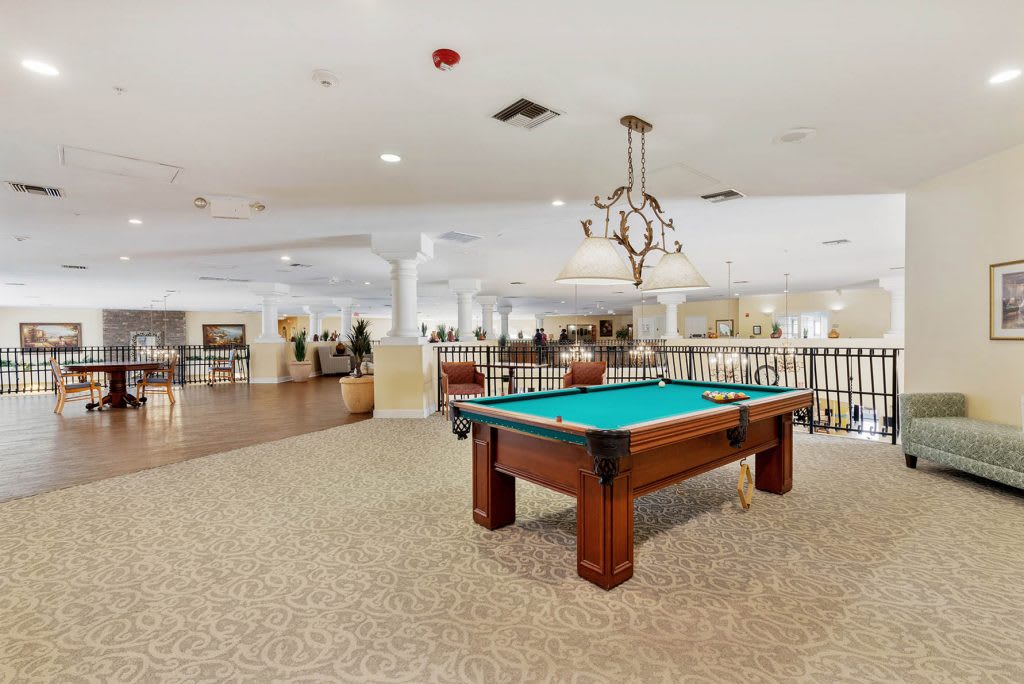
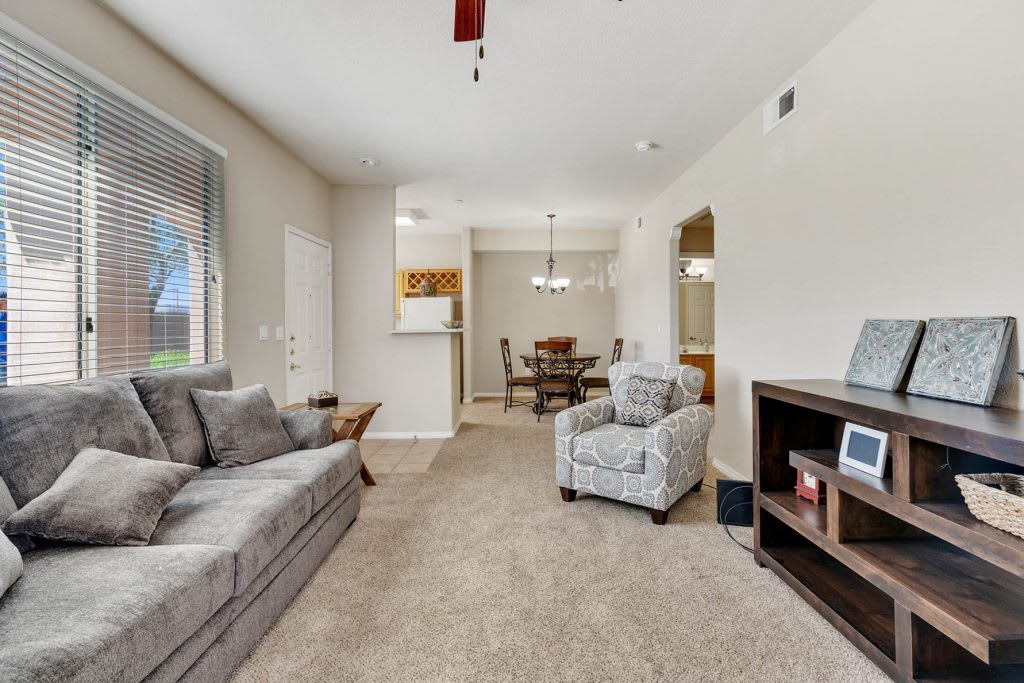
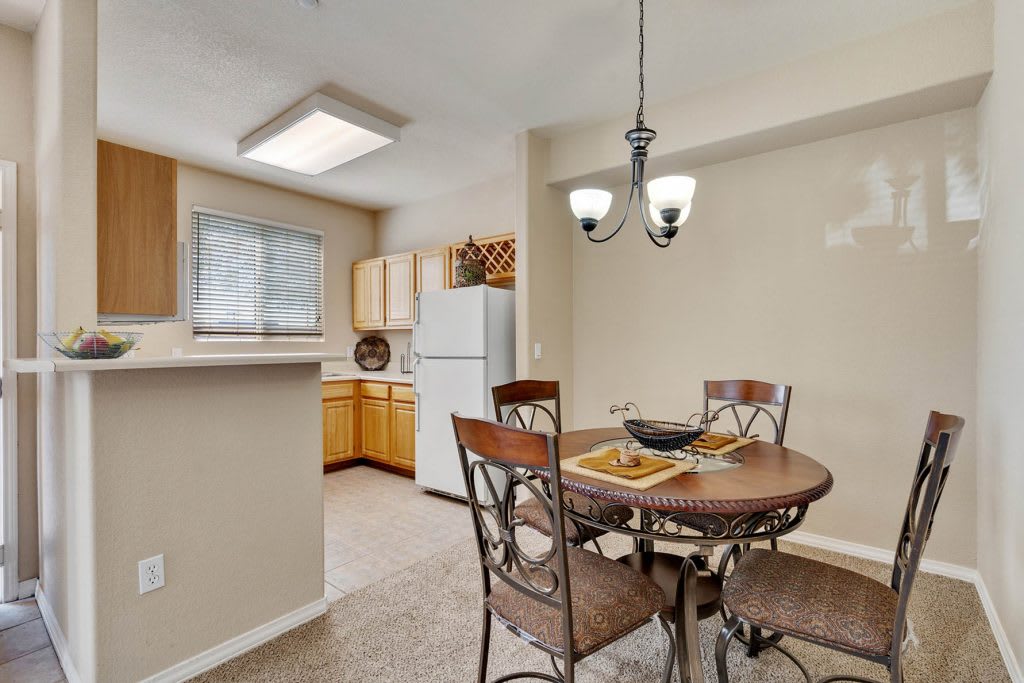
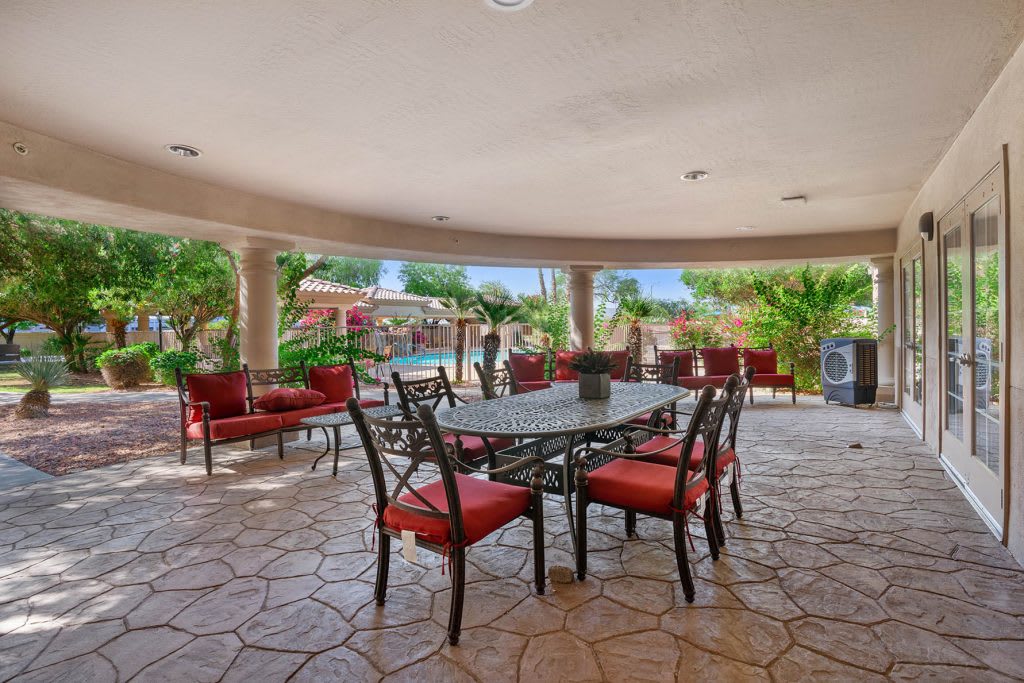
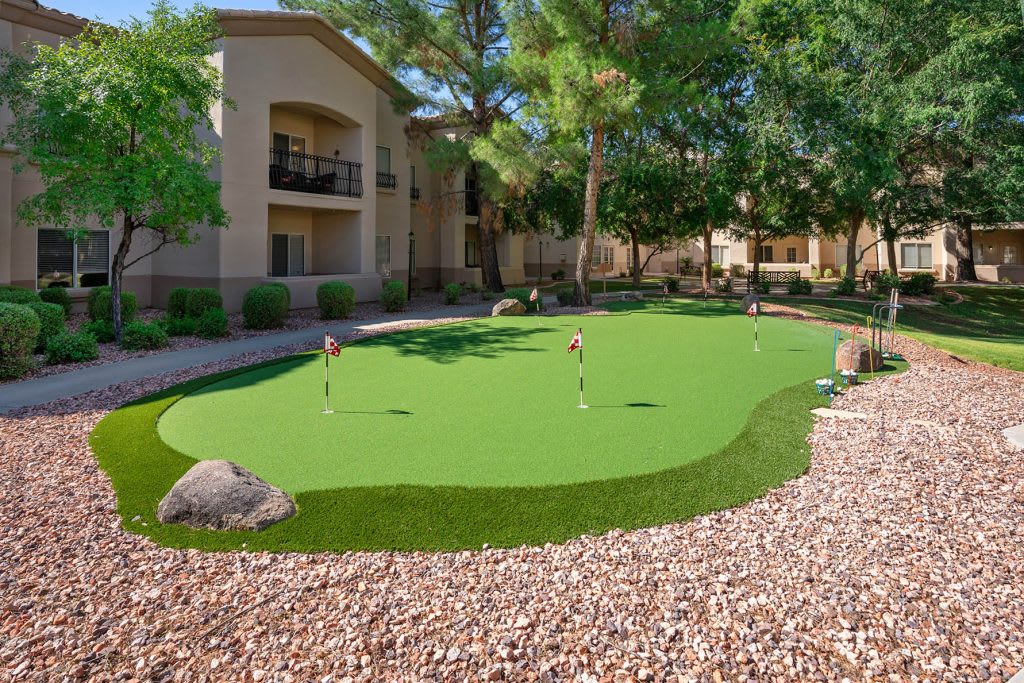
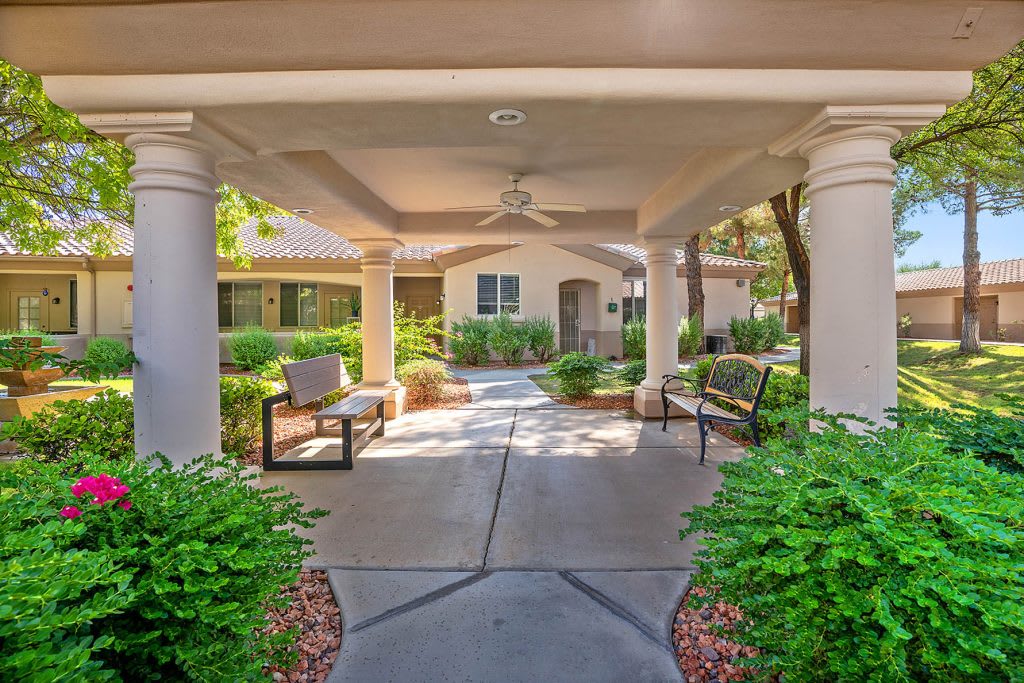
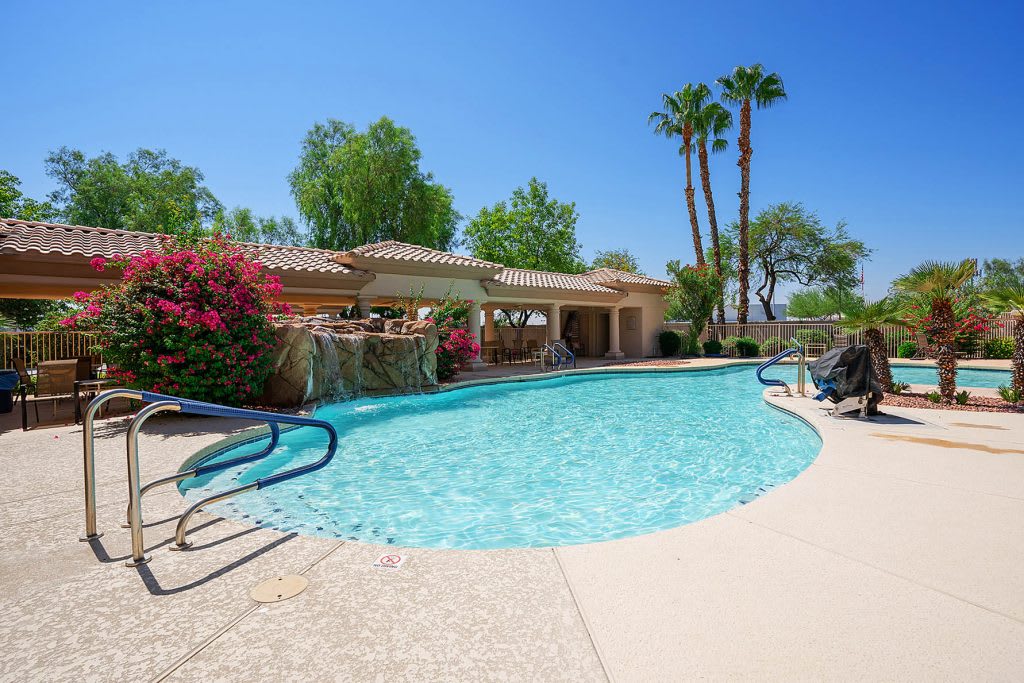
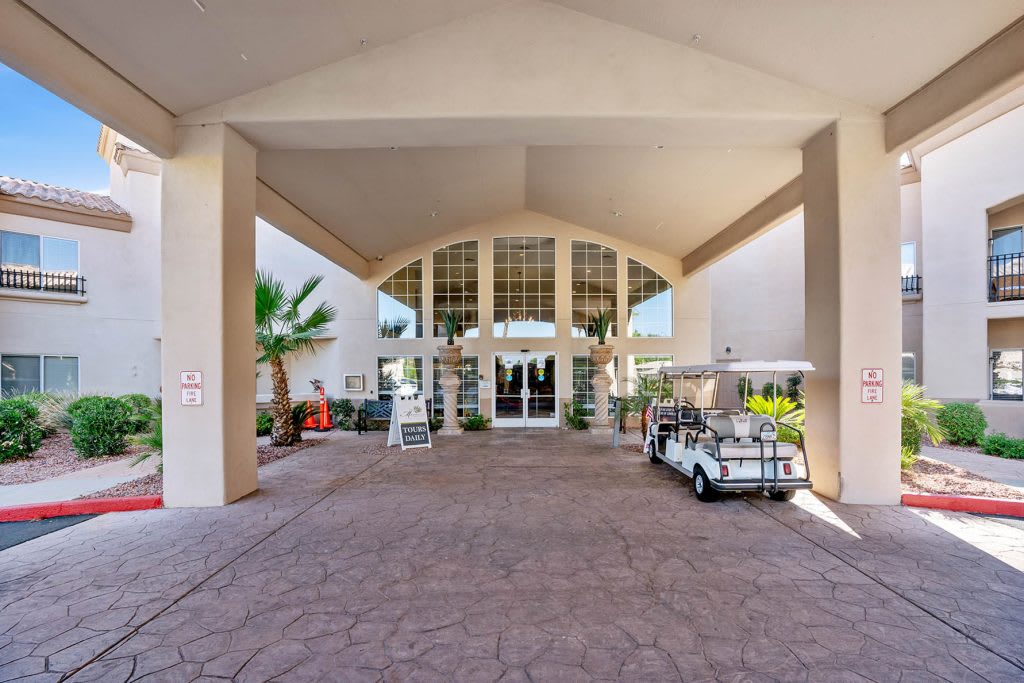
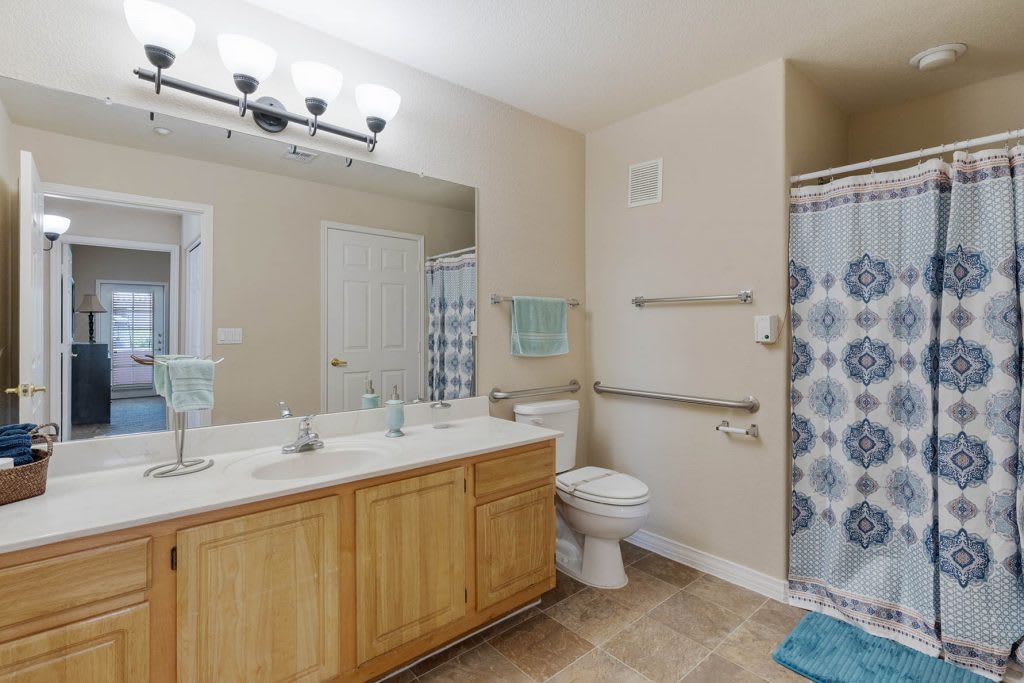
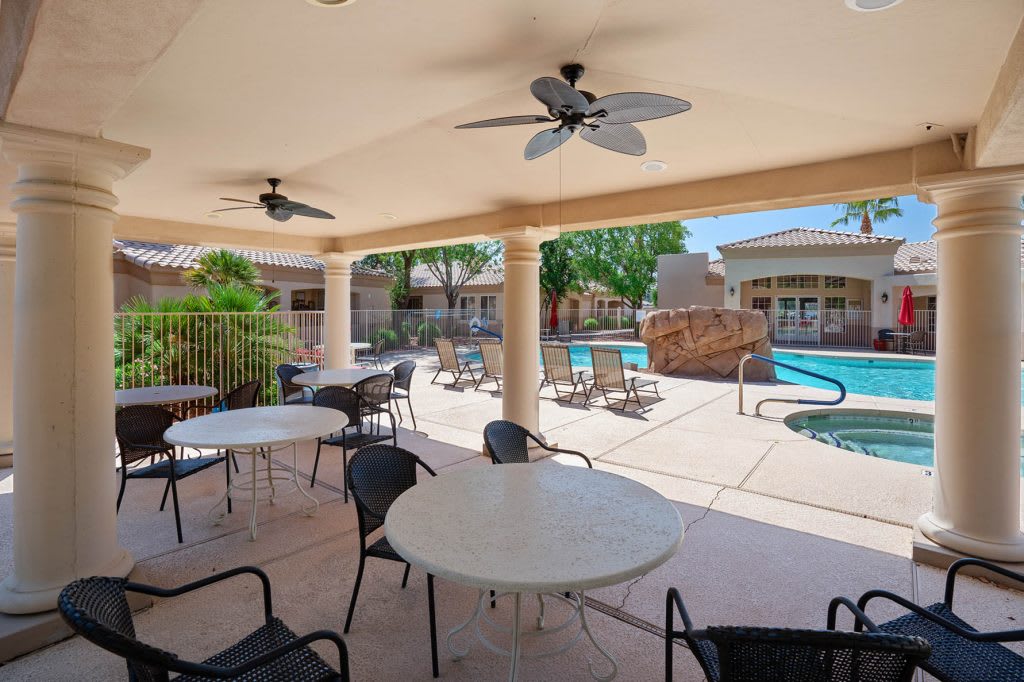
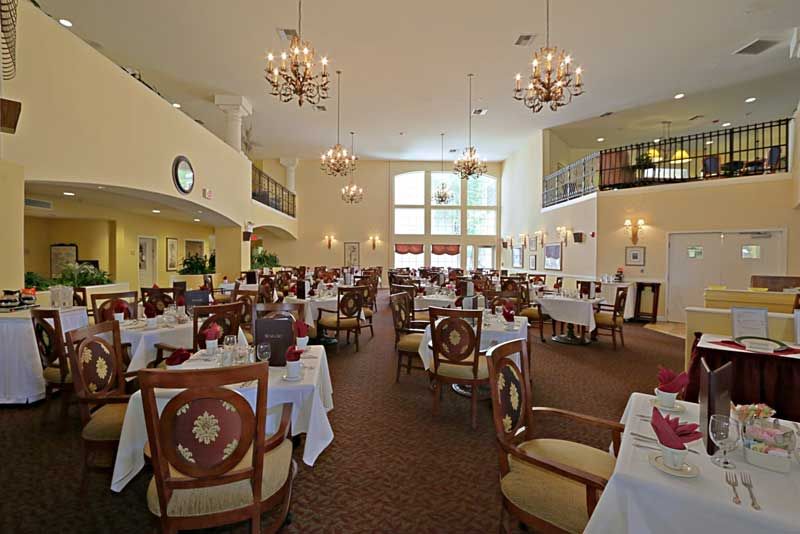
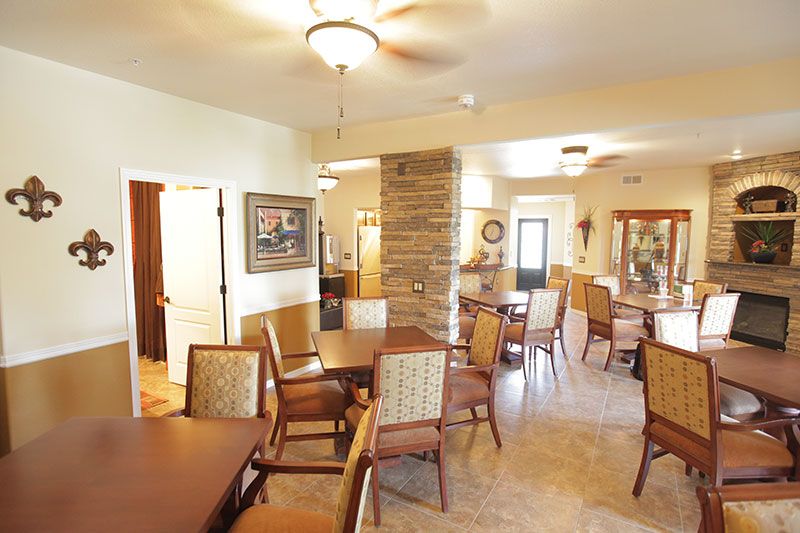
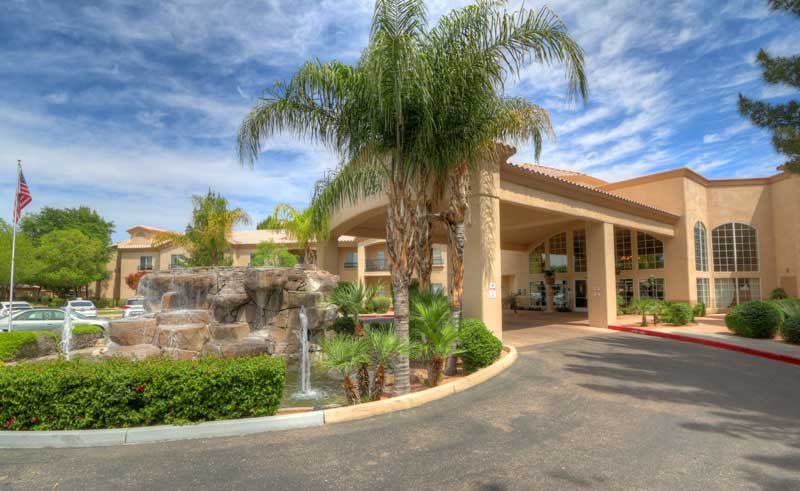
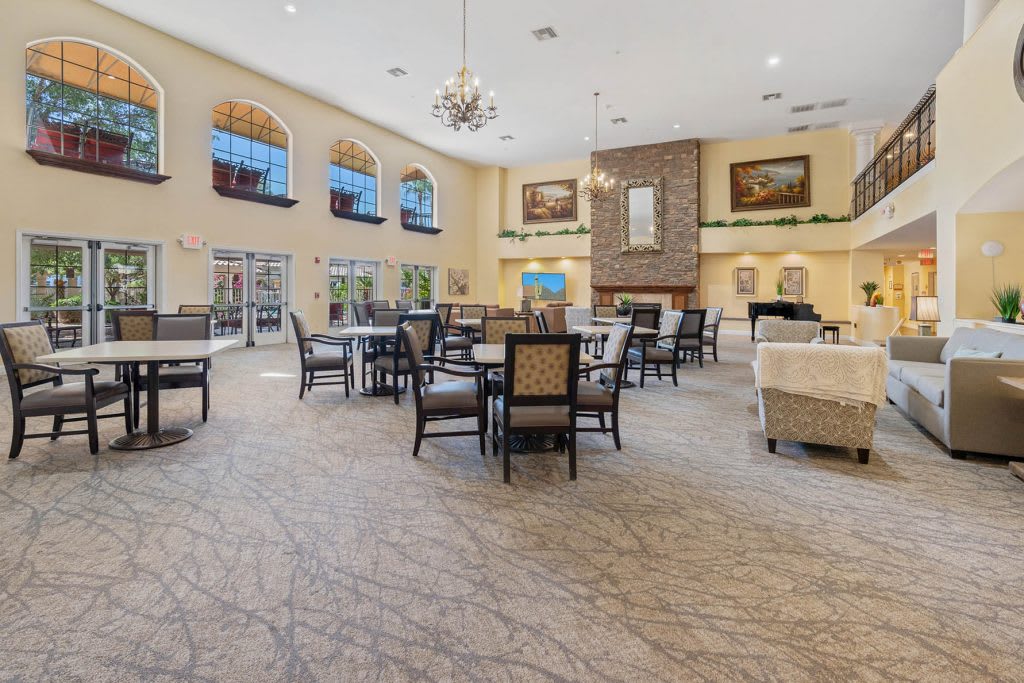
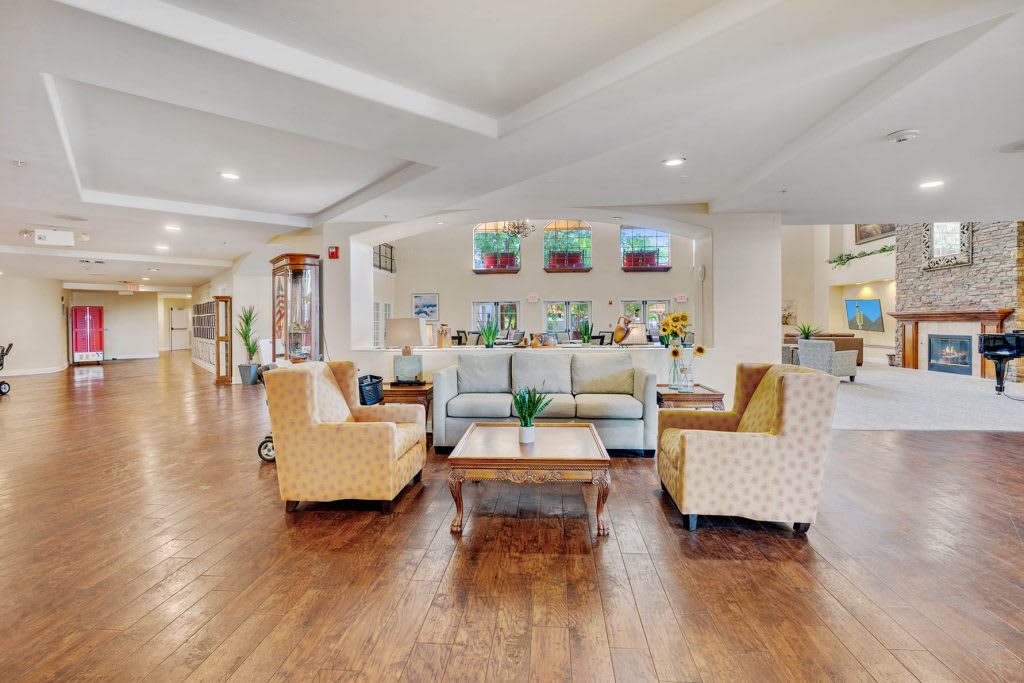
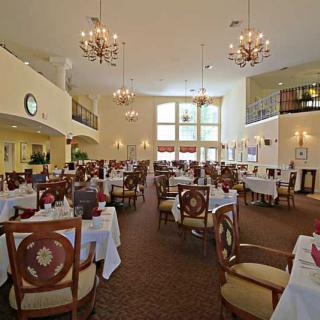
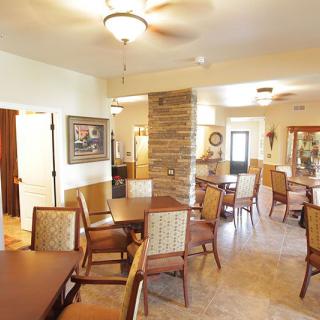
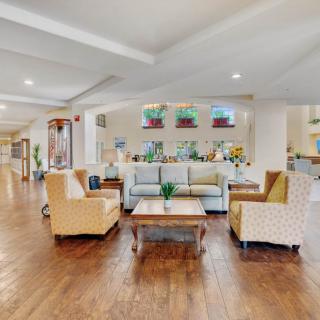
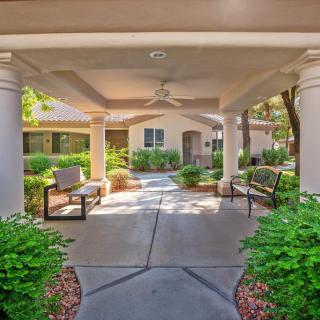
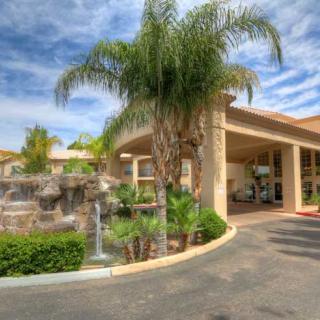
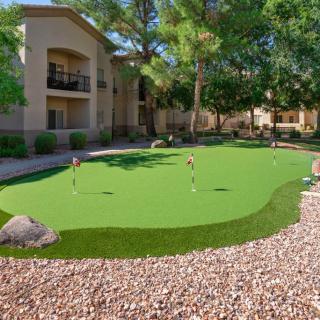
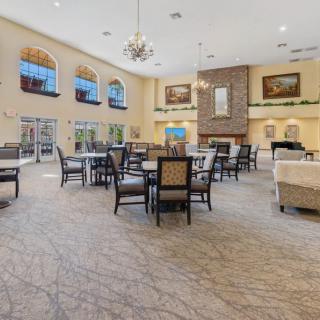
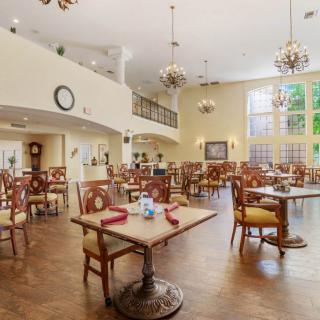
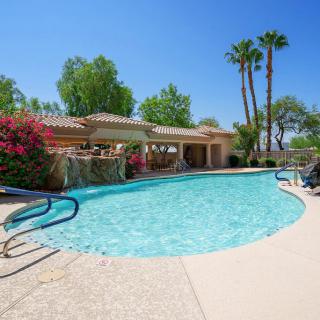
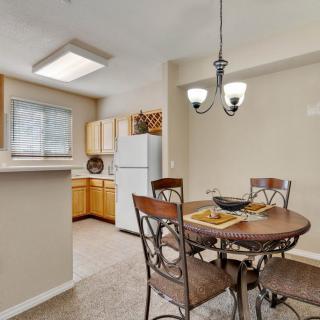
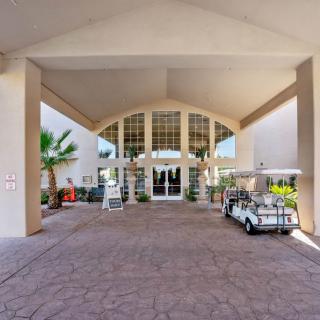
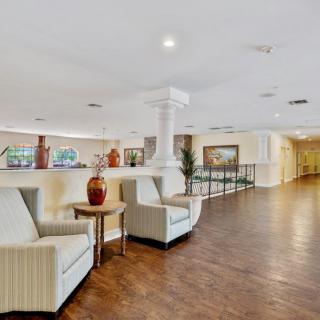
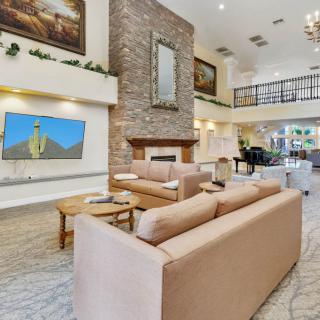
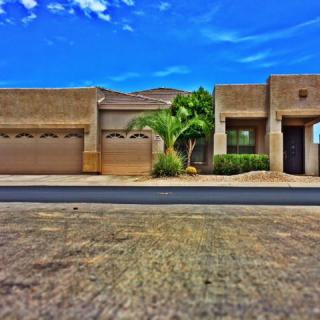
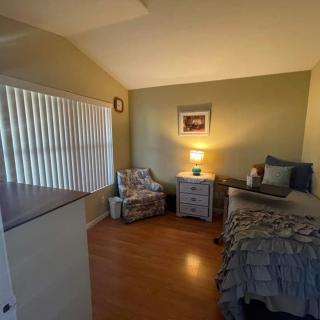
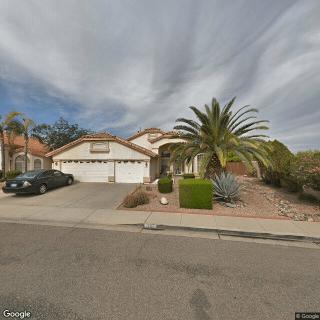
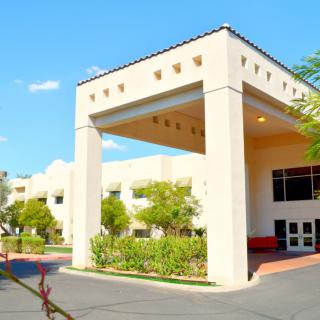
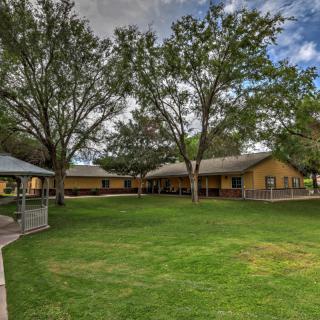
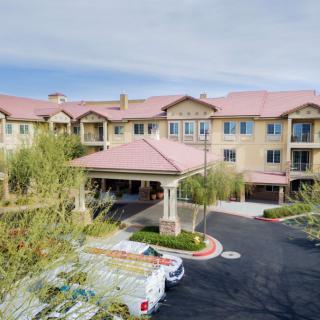
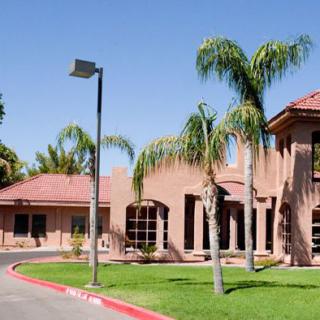
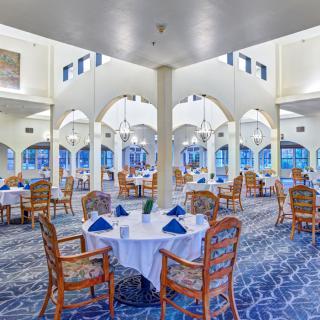
The Montecito on seniors.fyi includes 35 photos including images showing floor plan, interior, dining, architecture, decor, bathroom, chandelier, bedroom, and more.
Nearby Communities
Sierra Winds
Peoria, AZ
4.2 from 72 reviews
Friendly, caring community with good meals, clean facilities, and engaging activities.
The article outlines effective communication strategies for interacting with loved ones with dementia, highlighting the need for empathy, patience, and understanding while emphasizing supportive approaches like using simple language, minimizing distractions, and focusing on feelings over facts to maintain dignity and foster connection. It also suggests seeking professional guidance when needed as communication challenges evolve.
VA nursing homes, or Community Living Centers (CLCs), offer tailored long-term care for veterans, featuring medical attention and rehabilitation in a supportive environment. The guide covers facility types, eligibility criteria, financial assistance options, quality of care standards, and alternatives to full-time nursing home placement.
At-home dementia care expenses vary widely based on care levels, location, and caregiver expertise, with monthly costs for home health aides exceeding $4,500 and specialized care potentially surpassing $100,000 annually. While families favor in-home care for its comfort and personalized attention, they must consider financial planning and the challenges of caregiver fatigue.
Exercise Equipment, Gym, Treadmill, Fitness Center, and Workout Room
Salon
Hallway
Billiards and Game Room
Hardwood Floor
Palm Trees
Swimming Pool
Refrigerator
Balcony
Reception Area
Spacious
Closet
Living Area
Architectural Drawing
Lounge Area and High Ceiling
Architectural Design
Lighting Fixture
Chapel
Get PricingAsk A QuestionSchedule A TourContact Senior Advisor
By clicking submit, you agree to our Partner's Terms of Use. You
also consent to receive calls and texts, which may be autodialed, from our Partner. Your consent is not a condition to
using our Partner's service. Please visit our Partner's Privacy Policy for information about their privacy practices.

 124 resident community capacity
 1-bedroom apartments
 Assisted Living
 Independent Living
 Memory Care
 Respite Care
 Activities off-site
 Air-conditioning
 Bath tubs
 Beautician on-site
 Cable or satellite TV
 Computer center
 Devotional services off-site
 Dining room
 Fireplaces
 Fitness room
 Full kitchen
 Fully furnished
 Gaming room
 Garden
 Ground floor units
 Handicap accessible
 Housekeeping services
 Indoor common areas
 Laundry
 Move-in coordination
 Outdoor common areas
 Private bathrooms
 Restaurant-style dining
 Small library
 Swimming pool
 Telephone
 Wellness center
 Wheelchair accessible showers
 Wi-Fi/high-speed internet available
 Phoenix Sky Harbor International (20 miles away)
 Community operated transportation
 12-16 hour nursing
 24-hour call system
 Ambulatory care
 Assistance with bathing
 Assistance with dressing
 Assistance with transfers
 Diabetes diet
 Diabetic care
 High acuity care
 Hospice waiver
 Incontinence care
 Medication management
 Mental wellness program
 Physical therapy
 Special dietary restrictions
 Transportation arrangement (medical)
 Art classes
 Catholic services
 Concierge services
 Day trips and outings
 Educational speakers / life long learning
 Happy hour
 Karaoke
 Wine tasting
 English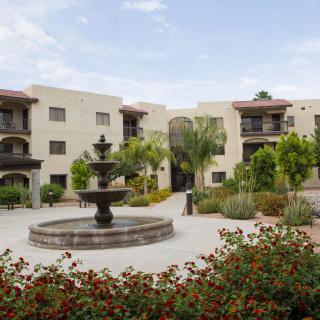
 Friendly, caring community with good meals, clean facilities, and engaging activities.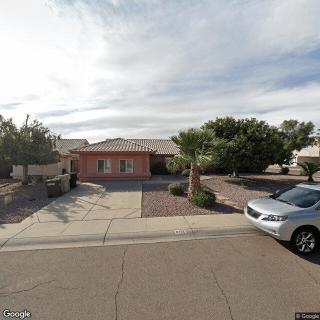

 How to Communicate with a Loved One Living with Dementia: 10 Supportive Strategies
 Comprehensive Guide to VA Nursing Homes: A Crucial Long-Term Care Resource for Veterans
 Estimating the Expenses of At-Home Dementia Care: A Detailed Exploration