At Pacifica Senior Living Peoria, the monthly costs for resident accommodations reflect a commitment to providing quality care and comfortable living arrangements. The rates for a semi-private room are set at $4,575, which significantly exceeds both the Maricopa County average of $2,801 and the statewide average of $2,820. For those opting for a studio apartment, the monthly charge is $5,075 - again higher than the county's average of $3,960 and Arizona's overall average of $3,829. While these prices are above local norms, they underscore Pacifica's focus on delivering an enriching environment and personalized support tailored to meet the needs of its residents.
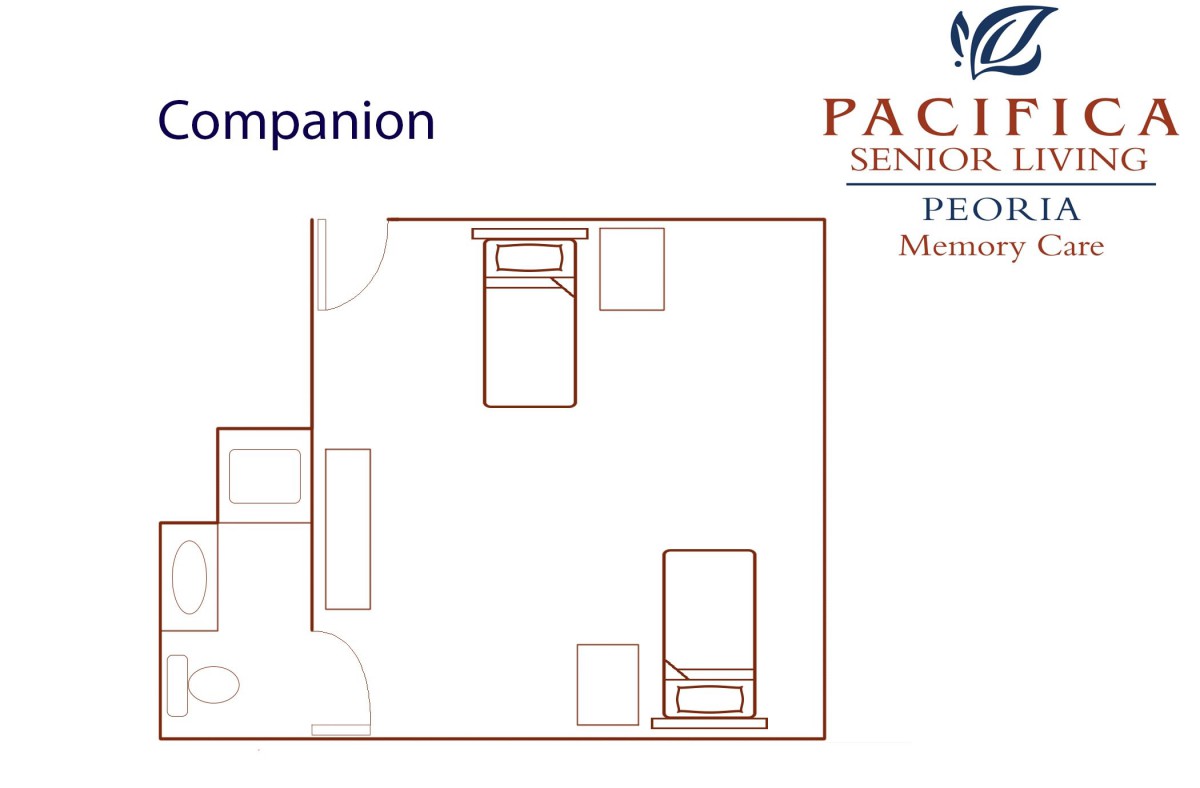
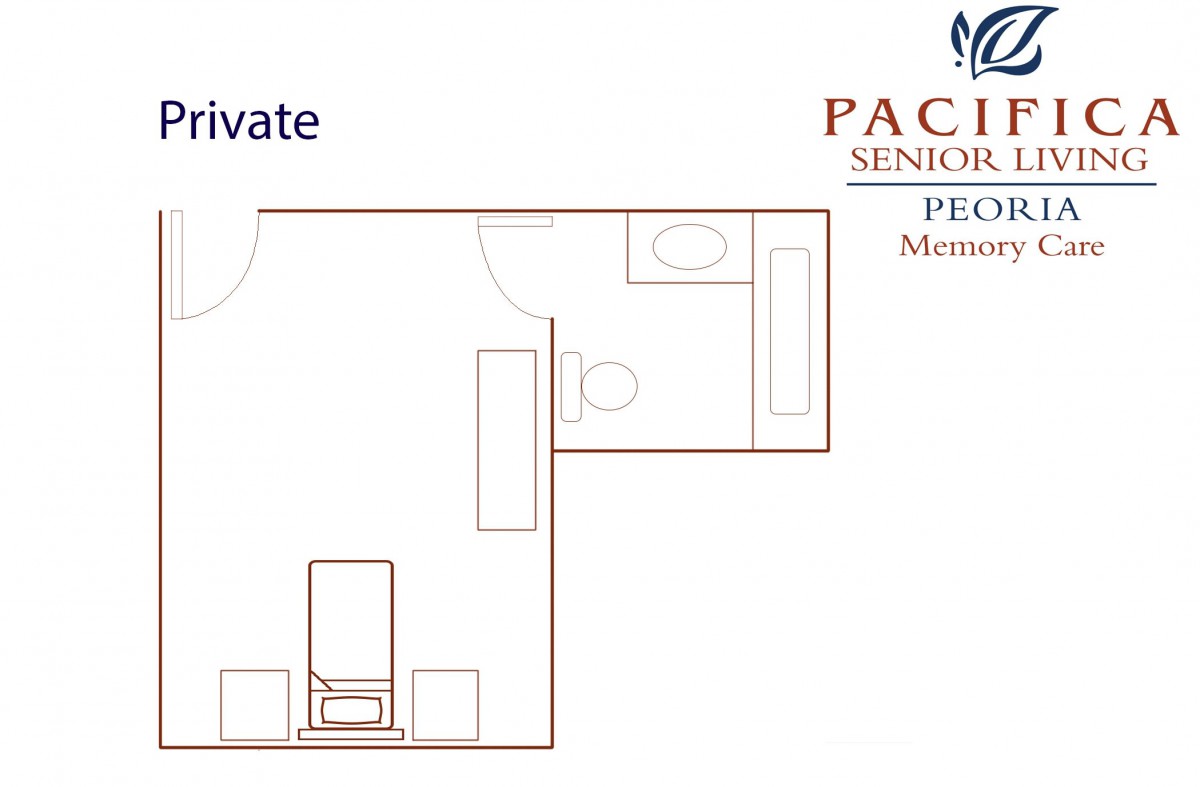
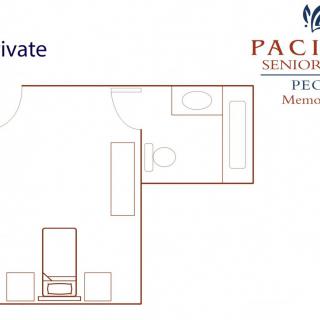
Floor plans
Pacifica Senior Living Peoria
Maricopa County
Arizona
Semi-Private
$4,575
$2,801
$2,820
Studio
$5,075
$3,960
$3,829
Memory care communities with a similar price nearby
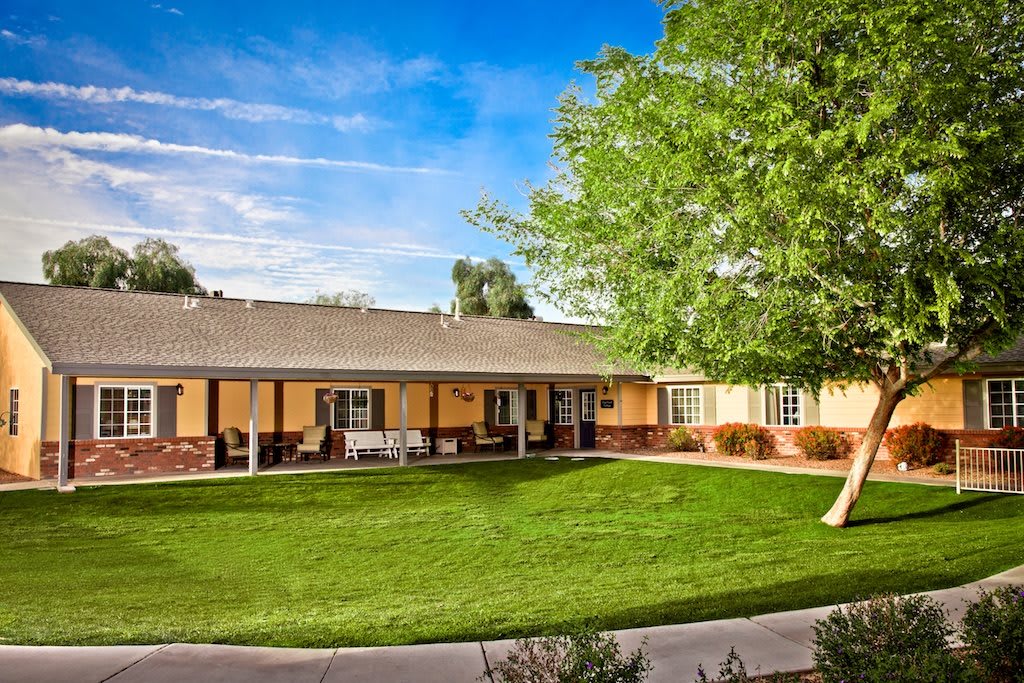
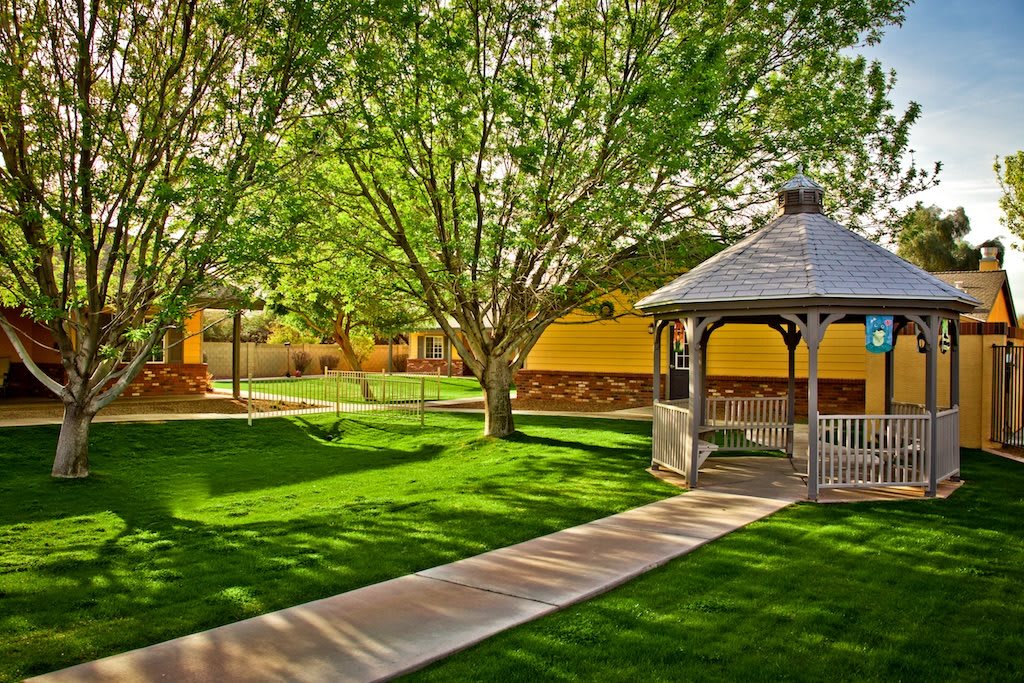
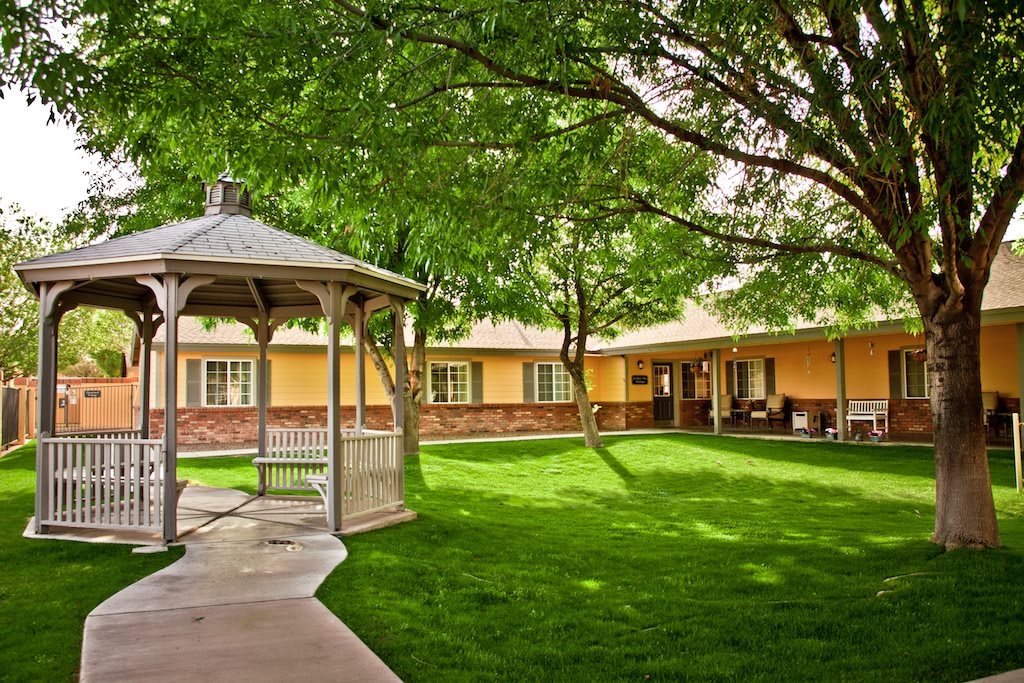
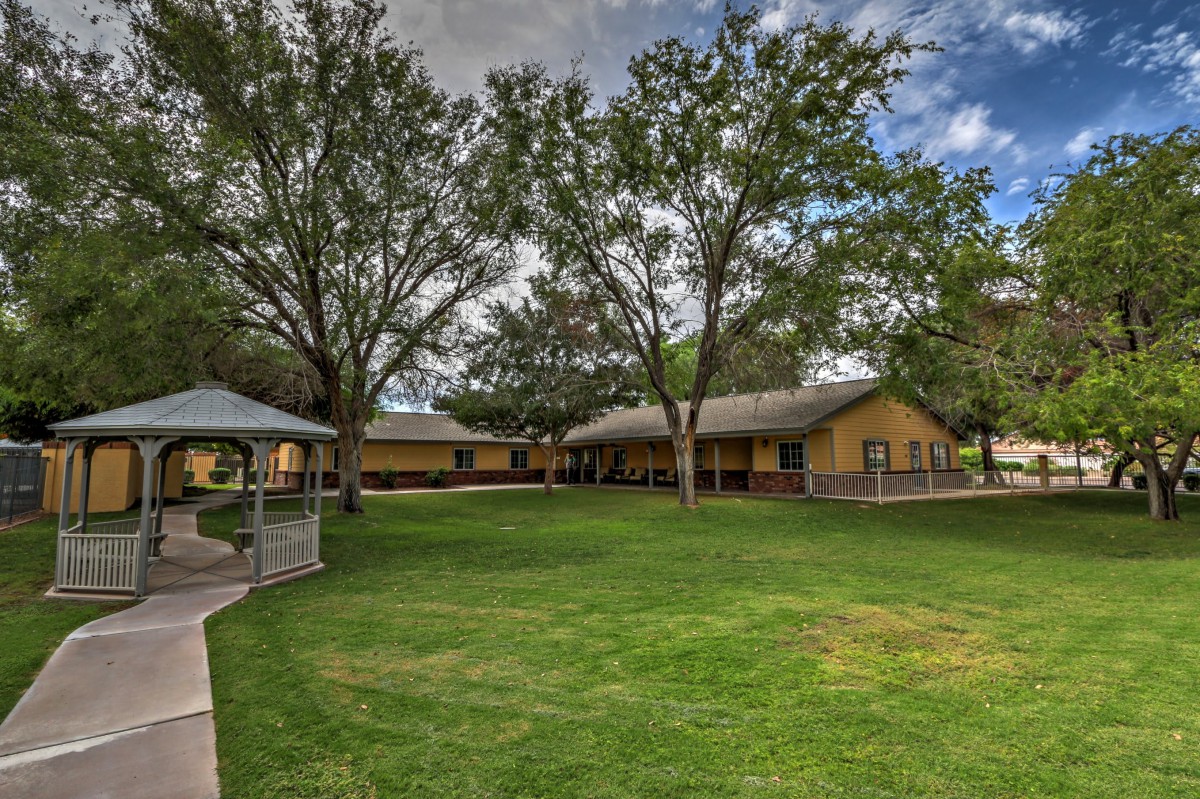
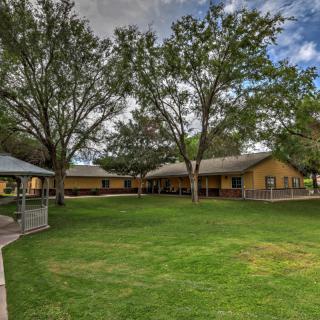
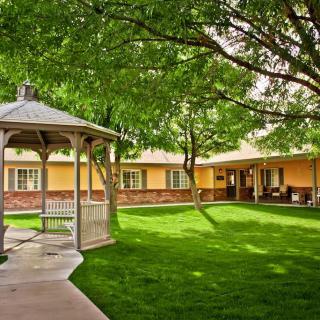
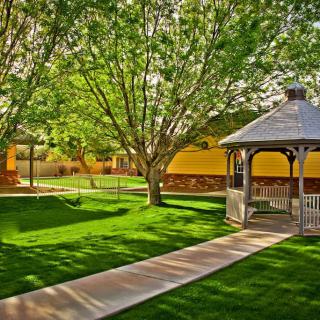
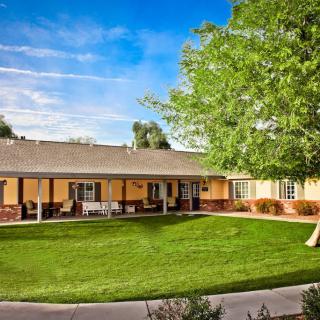
The enclosed, gated outdoor setup is a standout for residents who want to get outside.
Multiple residents and families mention feeling confident because the community is secure and helps support safe outdoor time. People also describe the setting as home-like rather than institutional, including cottage-style spaces and an inviting courtyard or yard area. Several reviewers specifically note that residents can go outdoors and wander within a fenced or gated area.
common34 reviews mention this
Care teams stay responsive
Residents and families describe staff who are attentive, friendly, and quick to respond to concerns.
Across reviews, families repeatedly mention good day-to-day communication and support when questions or concerns come up. Many describe staff interactions as caring and patient, including encouragement to socialize and help meeting daily needs. Even when reviews are mixed, most still acknowledge that the facility feels clean and that many team members are kind and responsive.
differentiator10 reviews mention this
Memory care support feels personalized
Reviewers describe memory care activities and support tailored to residents’ abilities and needs.
Several reviews focus on dementia-related support, including one-on-one activities and care approaches designed around individual needs. Families also mention ongoing memory care programming and regular engagement rather than leaving residents inactive. The community’s memory care positioning is reflected in both resident experiences and the care services offered, including specialized dementia programming and related support.
caveat5 reviews mention this
Dining is sometimes hit-or-miss
Dining quality and communication about meals vary across resident experiences.
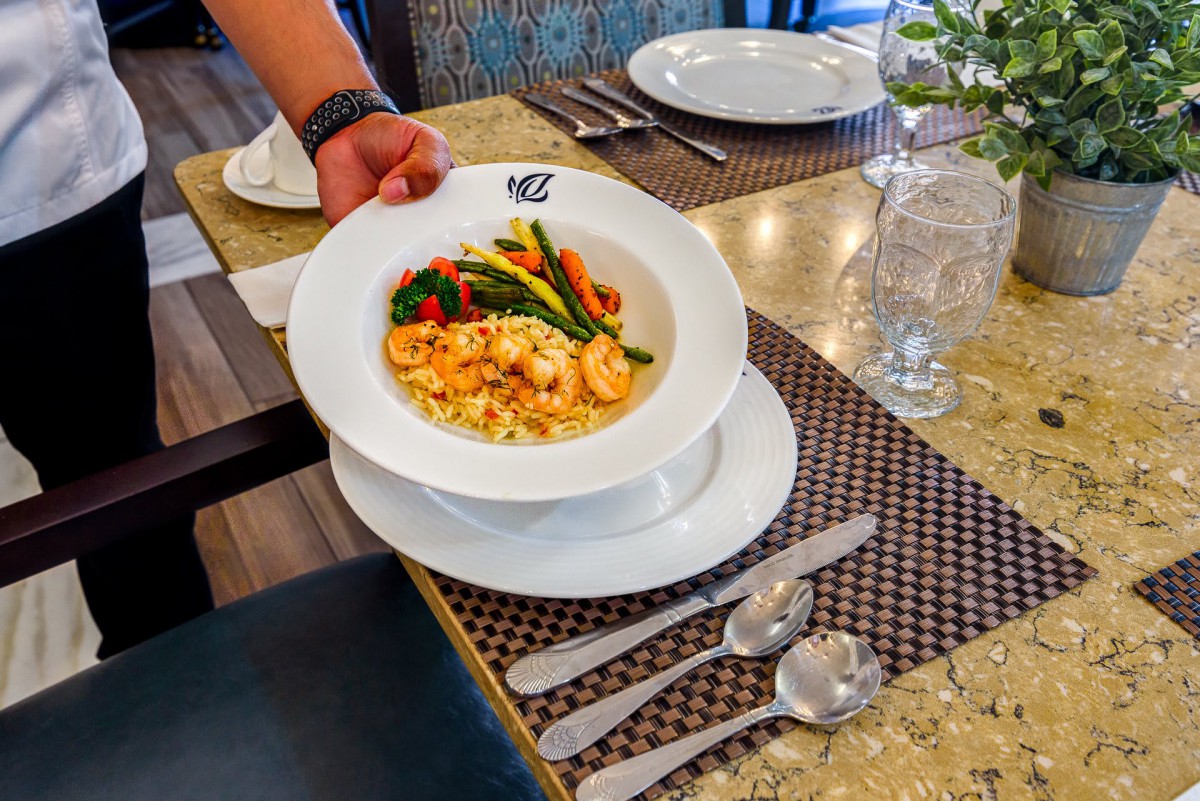
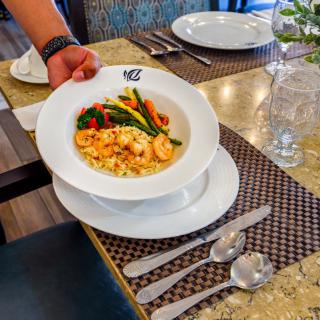
Some families praise meals and desserts, including mention of good food and regularly served meals. Others raise concerns about food quality and whether families were given enough information about what residents eat. A few reviewers also describe meal-related issues alongside broader concerns, while the community’s meal service includes support for special diets.
caveat2 reviews mention this
Pricing runs higher than benchmarks
Cost is a recurring concern, with some families comparing it to other options or disputing billing.
Reviews include at least a couple of cost-related comments, including one comparison to other facilities and a separate complaint about billing after an early departure. The listing price range also sits notably above county and state benchmarks across the available unit types. That combination suggests families should confirm totals and any departure or billing terms before moving forward.
How we summarize
Counts show how many written reviews mention each theme; a review can touch several themes, and only frequently mentioned themes are displayed.
Features
Housing
84 resident community capacity
Studio apartments
Types of Care
Memory Care
Amenities
Activities off-site
Activities on-site
Air-conditioning
Beautician on-site
Beauty salon
Cable or satellite TV
Computer center
Devotional services off-site
Devotional services on-site
Dining room
Fitness room
Fully furnished
Gaming room
Garden
Ground floor units
Handicap accessible
Housekeeping services
Indoor common areas
Kitchenette
Move-in coordination
Outdoor common areas
Outdoor space
Private bathrooms
Respite or short term stays offered
Restaurant-style dining
Small library
Telephone
Wellness center
Wheelchair accessible showers
Wi-Fi/high-speed internet available
Transportation
Phoenix Sky Harbor International (20 miles away)
Community operated transportation
Transportation arrangement
Transportation arrangement (non-medical)
Transportation to doctors appointments
Care Services
12-16 hour nursing
24-hour call system
24-hour supervision
Activities of daily living assistance
Ambulatory care
Assistance with bathing
Assistance with dressing
Assistance with transfers
Coordination with health care providers
Dementia waiver
Diabetes diet
Diabetic care
High acuity care
Hospice waiver
Incontinence care
Meal preparation and service
Medication management
Mental wellness program
Mild cognitive impairment
Special dietary restrictions
Specialized memory care programming
Transportation arrangement (medical)
Transportation to doctors appointments
Dining
Diabetes diet
Guest meals
International cuisine
Low / no sodium
Meals provided
No Sugar
Special dietary restrictions
Activities
Art classes
Catholic services
Community-sponsored activities
Concierge services
Day trips and outings
Devotional activities offsite
Devotional activities on-site
Fitness programs
Happy hour
Karaoke
Live dance or theater performances
Live musical performances
Planned day trips
Resident-run activities
Scheduled daily activities
Stretching classes
Visiting chaplain or priest
Yoga / chair yoga
Nearby Places of Interest
This part of Peoria, Arizona offers a convenient and bustling community with a variety of amenities within close proximity. Residents have easy access to multiple pharmacies, restaurants serving diverse cuisines, reputable physicians for medical needs, cozy cafes for social gatherings, modern theaters for entertainment, places of worship for spiritual fulfillment, and serene parks for outdoor recreation. Additionally, there is a hospital nearby for any urgent healthcare needs. The neighborhood provides a vibrant and active lifestyle while also offering a sense of tranquility with its green spaces and community facilities. Overall, this area presents an attractive option for seniors looking for a well-rounded living environment in Peoria.
Pharmacies
Albertsons Pharmacy (0.4 miles)
Walgreens (0.6 miles)
CVS Pharmacy (0.6 miles)
Walgreens (1.8 miles)
CVS Pharmacy (2 miles)
Walgreens (2.2 miles)
CVS Pharmacy (2.5 miles)
Restaurants
Whataburger (0.5 miles)
Cracker Barrel (0.9 miles)
Arrowhead Grill (1.1 miles)
Line Thai Resteraunt (1.2 miles)
Abuelo's Mexican Restaurant (1.2 miles)
Bubba's 33 (1.2 miles)
The Social on 83rd (1.2 miles)
Physicians
Sonoran Vein and Endovascular (0.6 miles)
Aspire Pedi. Therapy (0.8 miles)
Associated Retina Consultants (1.5 miles)
Pleasant Pediatrics (1.9 miles)
North Valley Dermatology & Original Skin (2.5 miles)
Arrowhead Dermatology PC (3 miles)
Arrowhead Endoscopy & Pain Management Center (3 miles)
Cafes
Starbucks (1.3 miles)
Dutch Bros Coffee (2.6 miles)
Starbucks (2.6 miles)
Starbucks (3.6 miles)
Starbucks (3.9 miles)
Dutch Bros Coffee (4 miles)
Black Rock Coffee Bar (4.4 miles)
Theaters
Arrowhead Fountains 18 (1.3 miles)
AMC Arrowhead 14 (1.6 miles)
Places of Worship
The Church At Arrowhead (1.4 miles)
St Thomas More Parish (3.6 miles)
Church of Jesus Christ of Latter Day Saints (4.6 miles)
At Pacifica Senior Living Peoria, the monthly costs for resident accommodations reflect a commitment to providing quality care and comfortable living arrangements. The rates for a semi-private room are set at $4,575, which significantly exceeds both the Maricopa County average of $2,801 and the statewide average of $2,820. For those opting for a studio apartment, the monthly charge is $5,075 - again higher than the county's average of $3,960 and Arizona's overall average of $3,829. While these prices are above local norms, they underscore Pacifica's focus on delivering an enriching environment and personalized support tailored to meet the needs of its residents.
Pacifica Senior Living Peoria offers a comprehensive range of features designed to enhance the quality of life for residents with dementia or Alzheimer's disease, ensuring their safety and well-being at every stage of their condition. The 24-hour supervision provides constant oversight, which is crucial for those prone to wandering or confusion. Assistance with activities of daily living, including bathing and dressing, supports personal hygiene and dignity while fostering independence. Coordinated care with healthcare providers ensures that medical needs are met effectively. The dementia waiver allows flexibility in care plans tailored to individual needs, complemented by specialized memory care programming that engages cognitive function through purposeful activities. Incontinence care helps maintain comfort and dignity, while meal preparation and medication management address nutritional and health requirements rigorously. Additionally, transportation arrangements facilitate access to medical appointments, reinforcing the importance of holistic care and mental wellness programs tailored specifically for cognitive challenges.
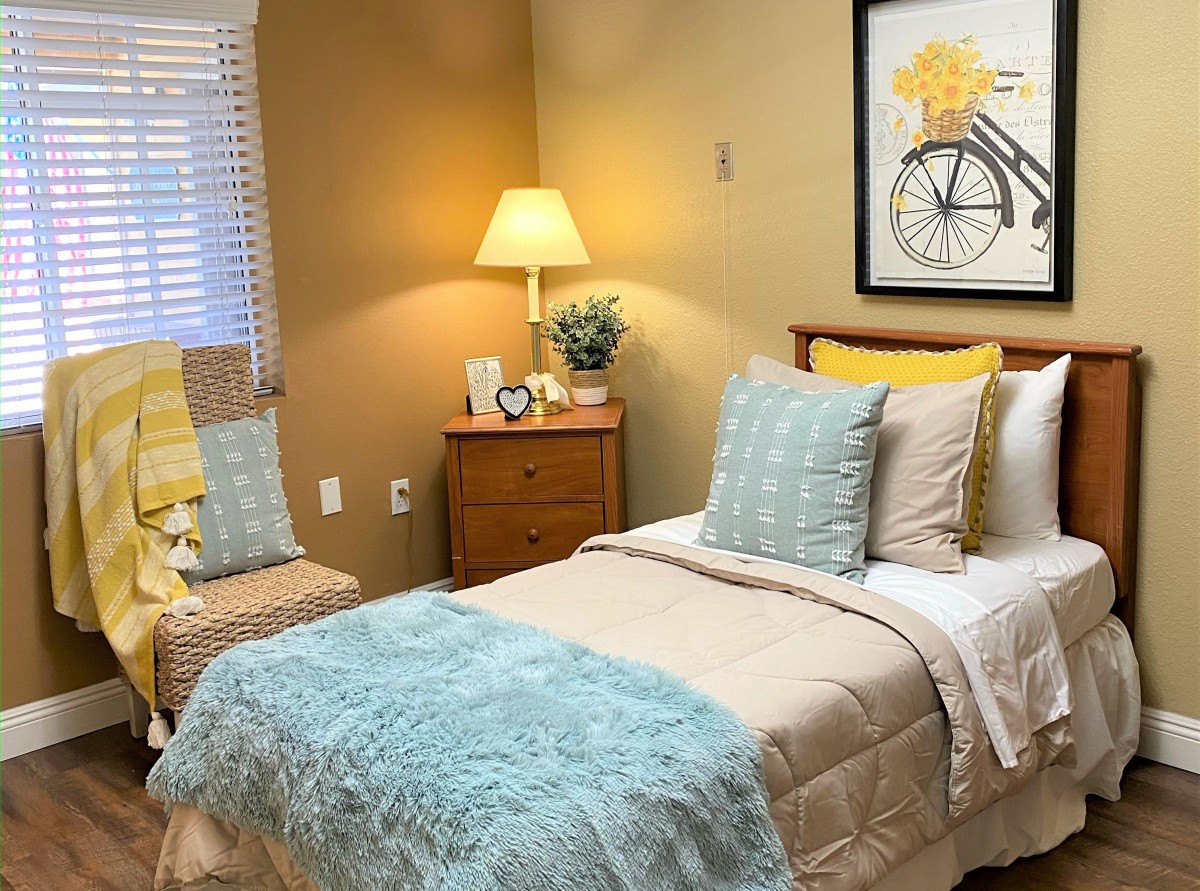
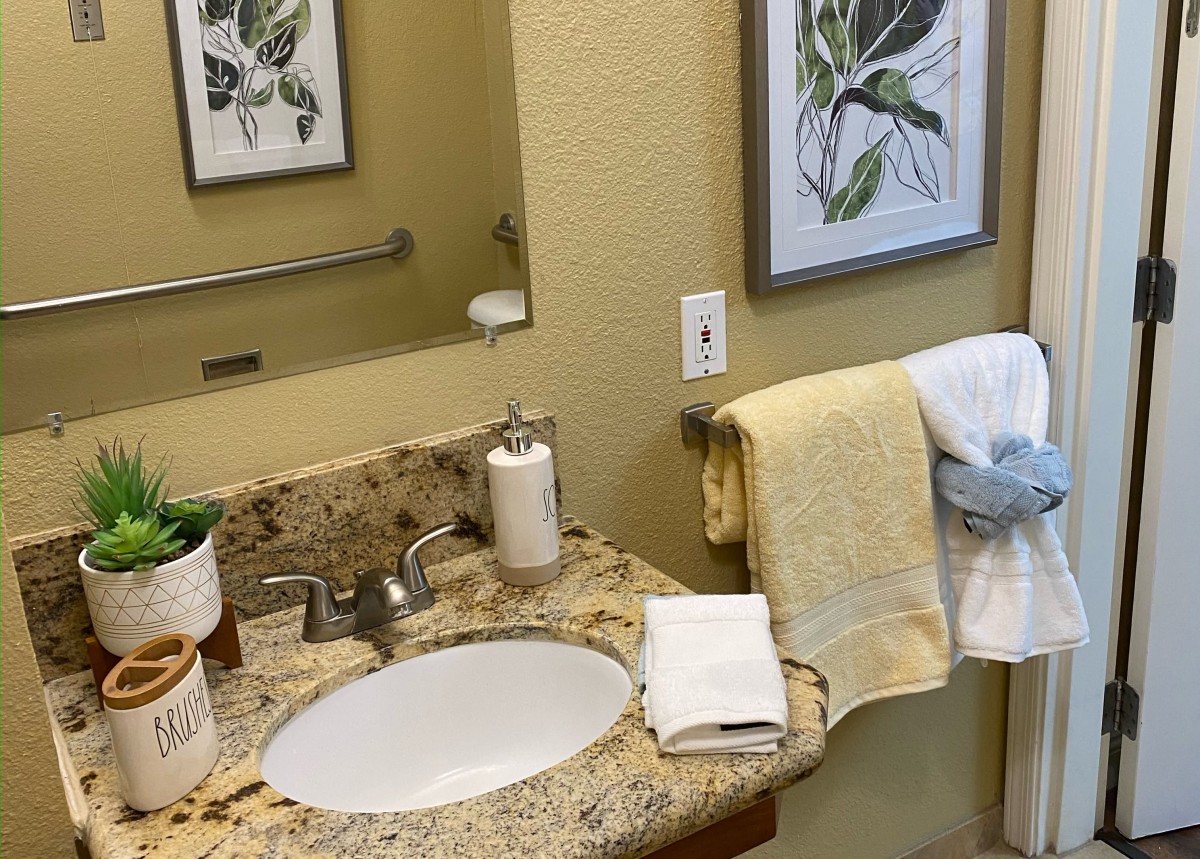
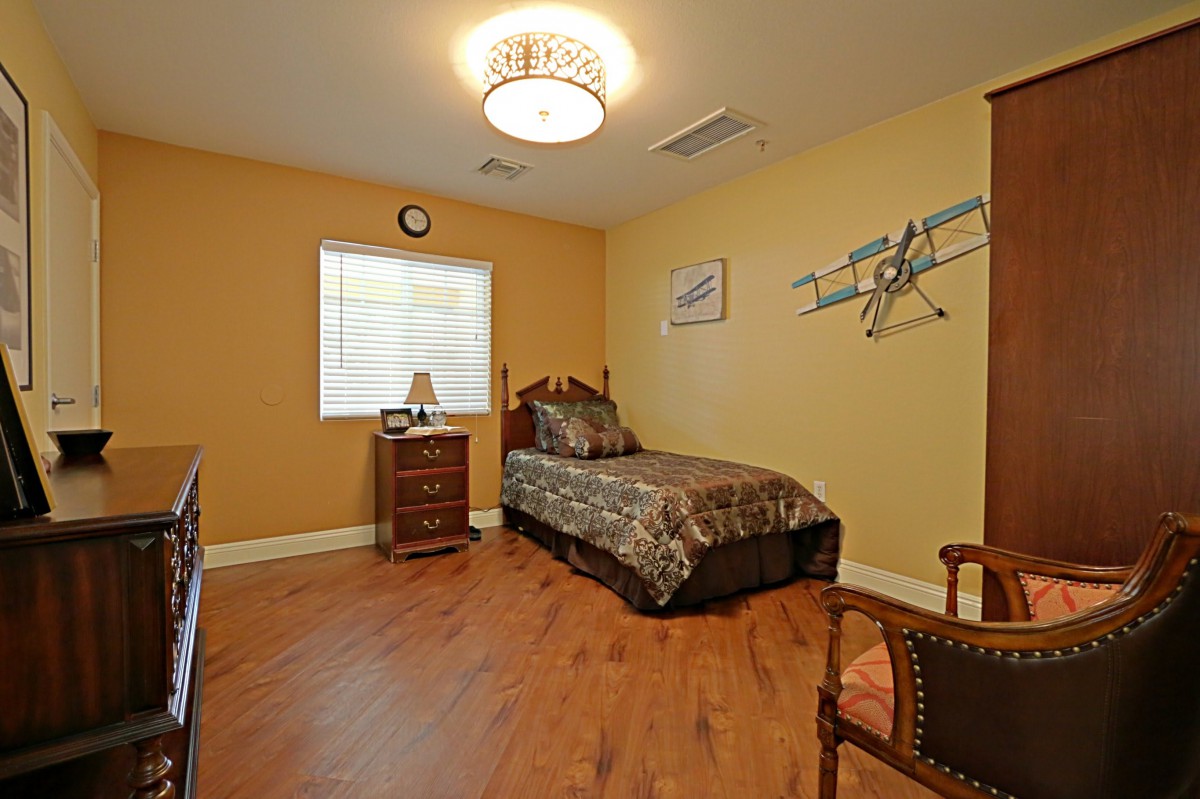
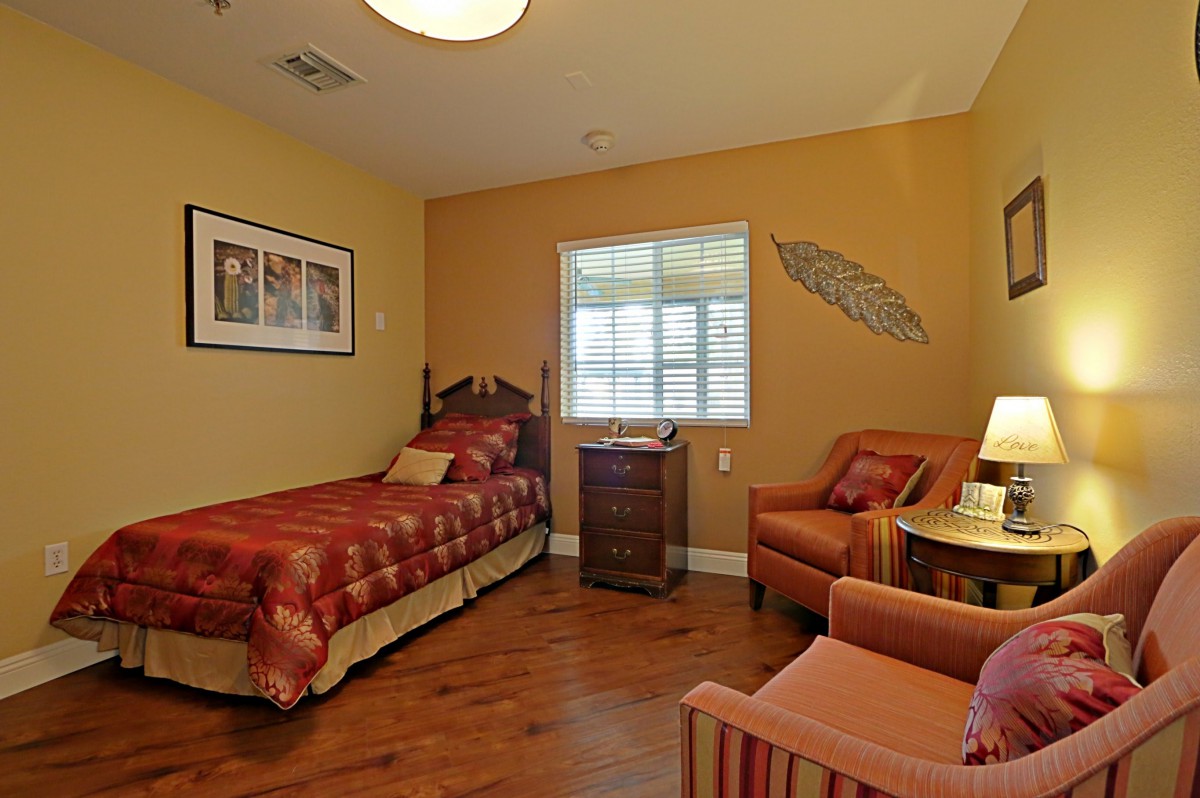
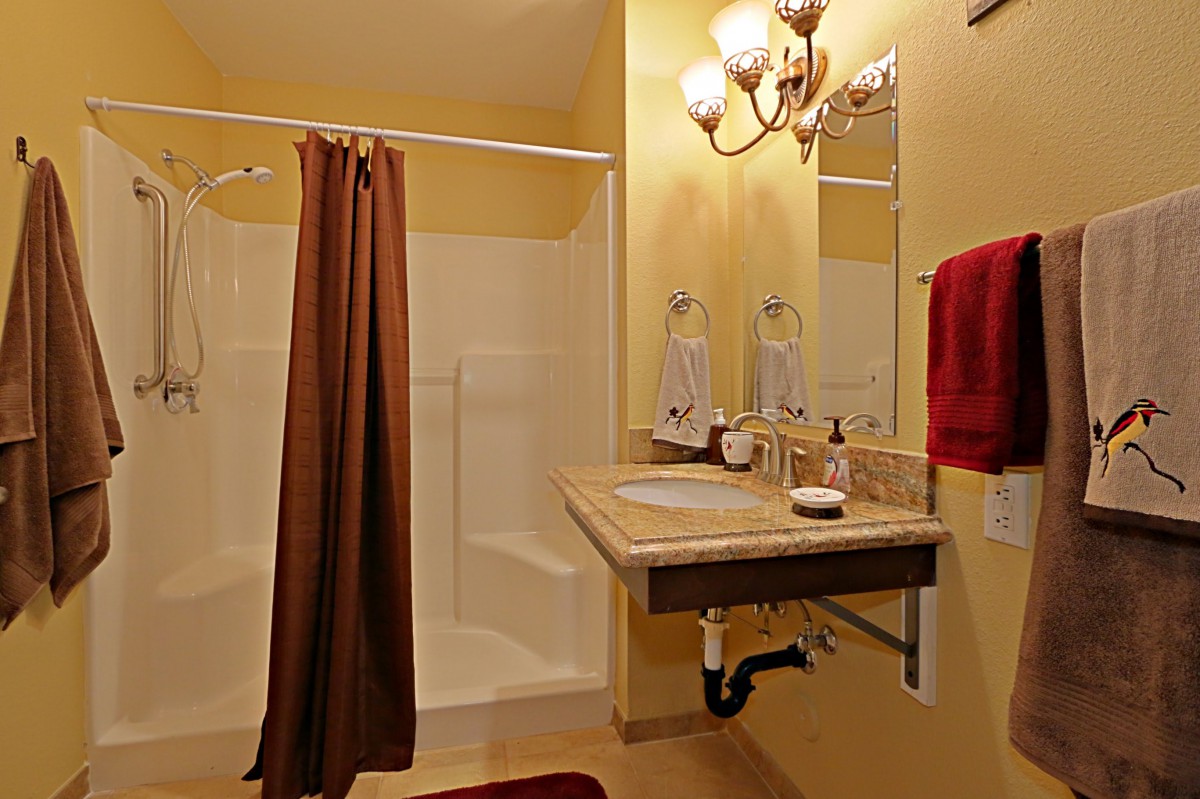
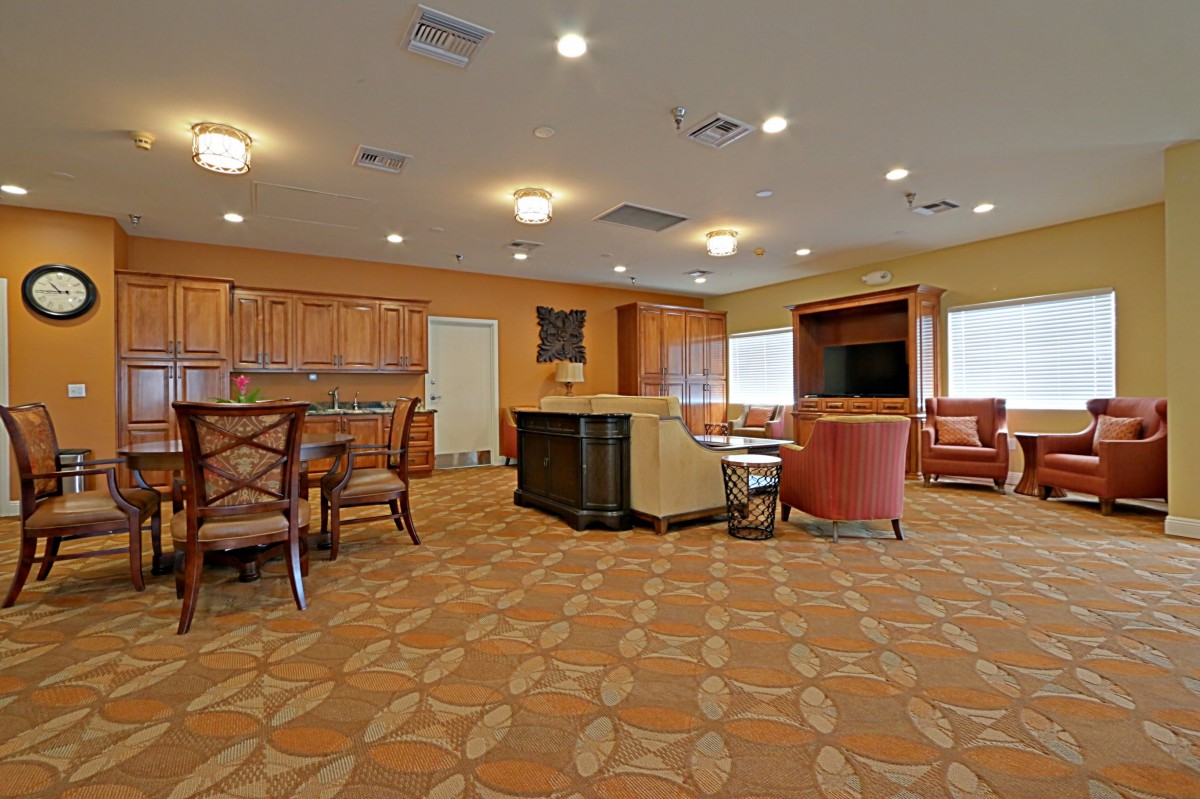
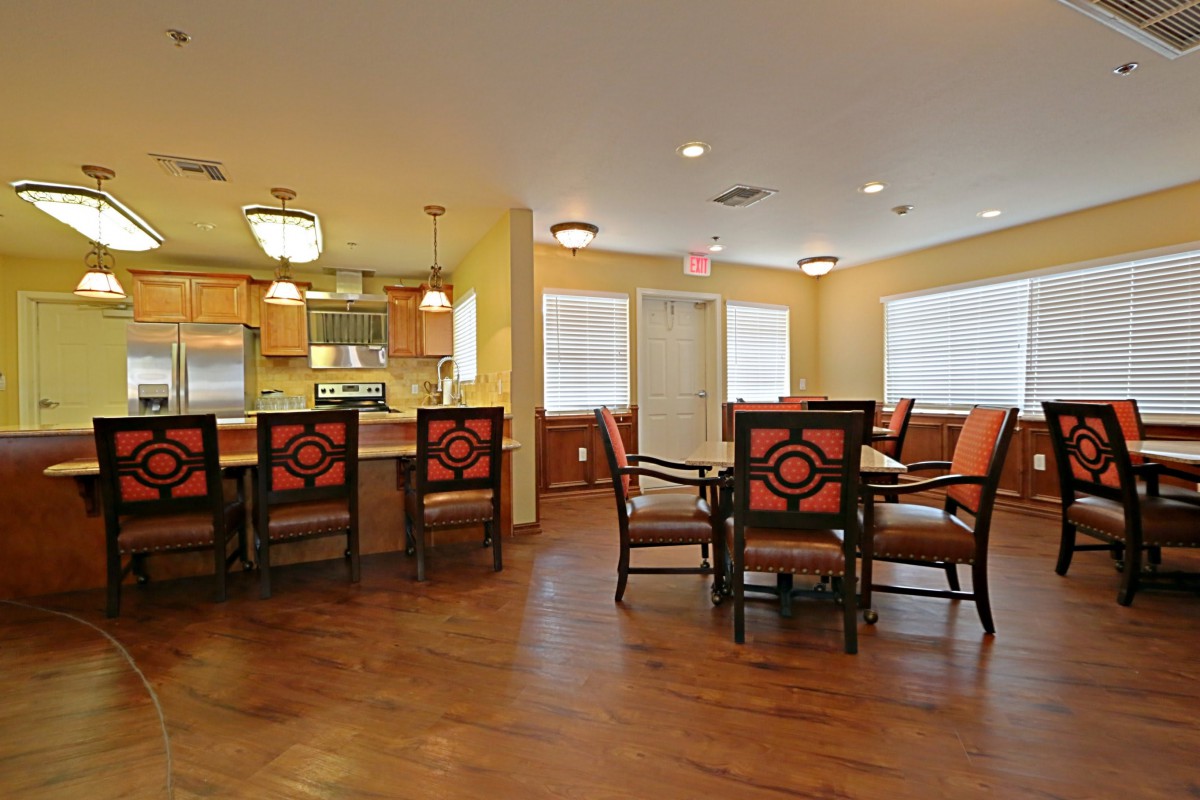
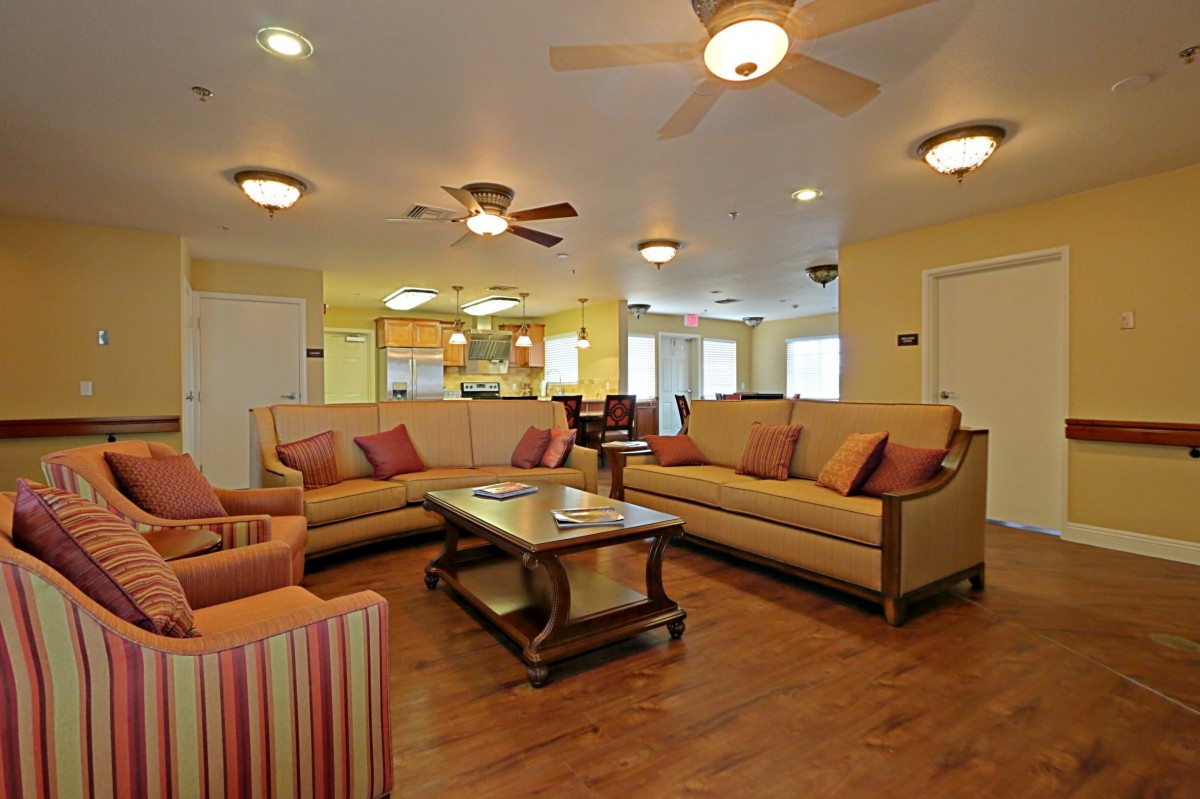
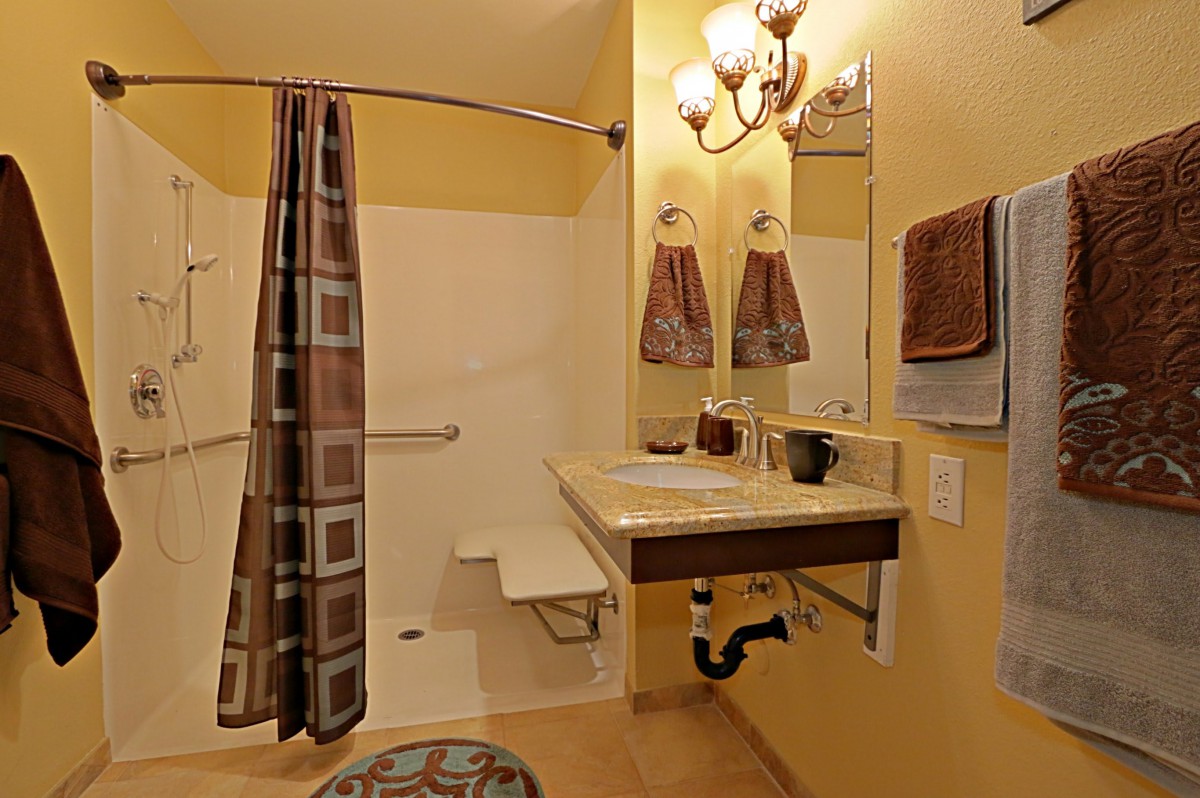
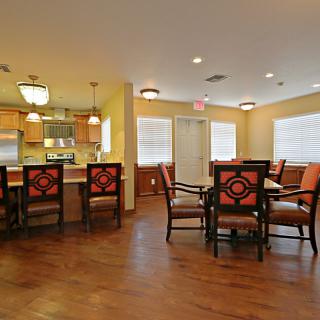
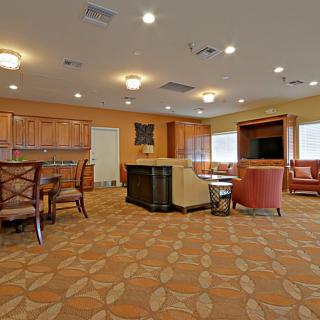
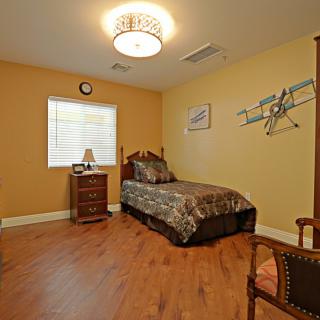
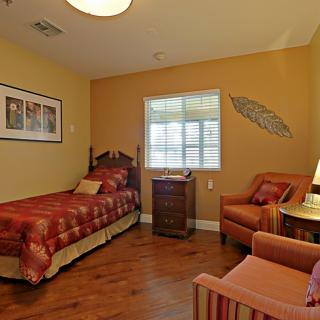
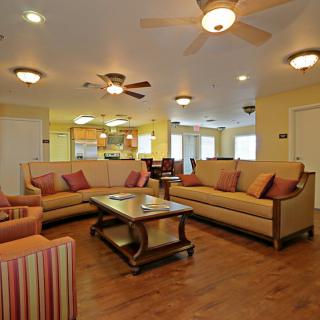
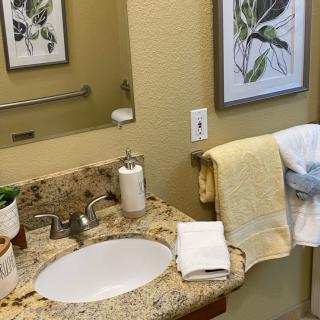
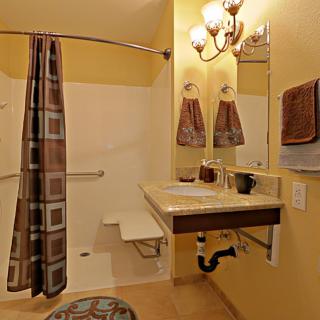
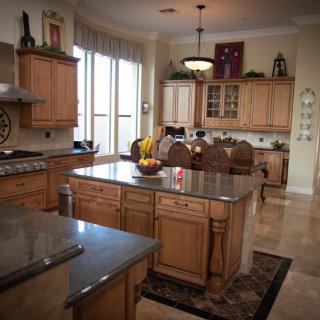
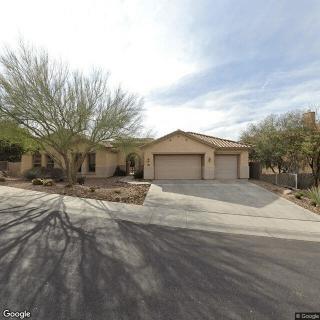
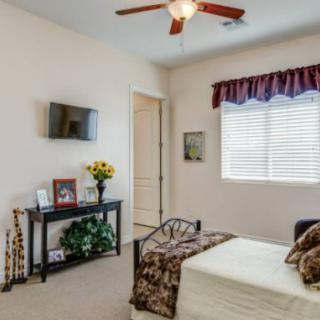
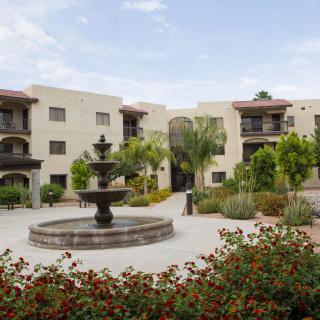
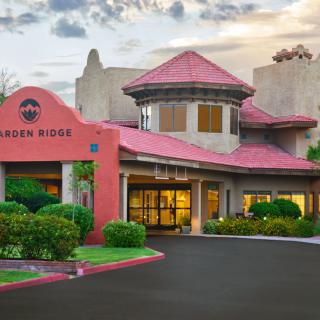
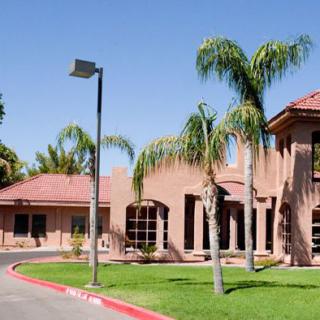
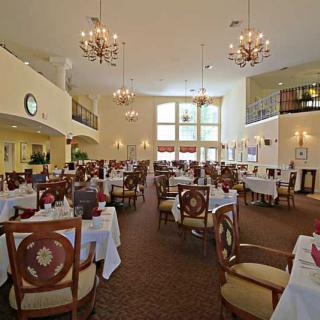
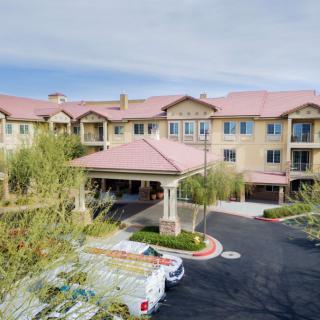
Pacifica Senior Living Peoria on seniors.fyi includes 17 photos including images showing bedroom, bathroom, lighting, dining, landscaping, interior, gazebo, trees, and more.
Nearby Communities
Comfort Assisted Living Home
Peoria, AZ
5 from 3 reviews
Personalized care in a warm, homelike setting with 24-hour supervision and engaging activities.
Brookdale Peoria
Peoria, AZ
4.2 from 87 reviews
$3,985 to $4,255 / month
Caring staff, strong sense of community, and engaging on-site activities.
Sierra Winds
Peoria, AZ
4.2 from 72 reviews
Friendly, caring community with good meals, clean facilities, and engaging activities.
Amethyst Gardens
Peoria, AZ
3.9 from 21 reviews
Comprehensive memory care with 24/7 supervision and extensive on-site amenities.
Ridges at Peoria
Peoria, AZ
24-hour supervision with memory care and medical transport coordination.
Garden Ridge
Peoria, AZ
4 from 95 reviews
$1,700 to $3,135 / month
Beautiful grounds, spacious apartments with patios/balconies, friendly staff, and good value.
Senita Ridge
Peoria, AZ
4.3 from 40 reviews
$4,950 to $5,700 / month
Clean, well-maintained facility with friendly staff and engaging activities.
The Montecito
Peoria, AZ
4.4 from 167 reviews
$3,320 to $6,250 / month
Spacious 1- and 2-bedroom apartments with full kitchens and an active activity program.
Palos Verdes Senior Living
Peoria, AZ
4.5 from 175 reviews
$2,705 to $4,265 / month
Warm, compassionate staff; clean, modern facility; engaging activities and supportive environment.
Dementia is characterized by cognitive decline, with nutrition playing a vital role in brain health; while no specific diet can prevent or reverse it, a nutrient-dense diet rich in antioxidants and healthy fats may support cognitive function. The MIND diet, which emphasizes beneficial foods and limits processed items, along with proper hydration and individualized meal strategies, can enhance the well-being of dementia patients.
Dementia affects memory and cognitive function in older adults, presenting challenges for caregivers due to behavioral changes such as confusion and mood swings. Compassionate, person-centered care that considers individual history and preferences, along with effective communication and environmental modifications, is essential for supporting both patients and their caregivers.
Dementia leads to cognitive impairment and can cause emotional and behavioral changes, including aggression that arises from frustration, confusion, or fear. Effective coping strategies for caregivers include understanding dementia's nature, recognizing triggers, using empathetic communication, and employing non-pharmacological interventions like music and art therapy.
Get PricingAsk A QuestionSchedule A TourContact Senior Advisor
By clicking submit, you agree to our Partner's Terms of Use. You
also consent to receive calls and texts, which may be autodialed, from our Partner. Your consent is not a condition to
using our Partner's service. Please visit our Partner's Privacy Policy for information about their privacy practices.





 84 resident community capacity
 Studio apartments
 Memory Care
 Activities off-site
 Air-conditioning
 Beautician on-site
 Cable or satellite TV
 Computer center
 Devotional services off-site
 Dining room
 Fitness room
 Fully furnished
 Gaming room
 Garden
 Ground floor units
 Handicap accessible
 Housekeeping services
 Indoor common areas
 Kitchenette
 Move-in coordination
 Outdoor common areas
 Private bathrooms
 Respite or short term stays offered
 Restaurant-style dining
 Small library
 Telephone
 Wellness center
 Wheelchair accessible showers
 Wi-Fi/high-speed internet available
 Phoenix Sky Harbor International (20 miles away)
 Community operated transportation
 12-16 hour nursing
 24-hour call system
 Ambulatory care
 Assistance with bathing
 Assistance with dressing
 Assistance with transfers
 Diabetes diet
 Diabetic care
 High acuity care
 Hospice waiver
 Incontinence care
 Medication management
 Mental wellness program
 Special dietary restrictions
 Transportation arrangement (medical)
 Art classes
 Catholic services
 Concierge services
 Day trips and outings
 Happy hour
 Karaoke
 Live dance or theater performances
 Live musical performances
 Personalized care in a warm, homelike setting with 24-hour supervision and engaging activities.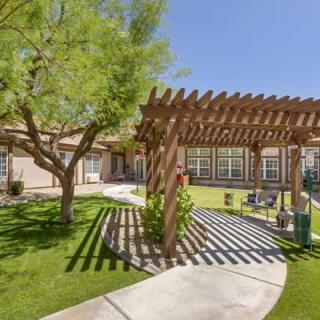

 Nourishing the Mind: Essential Dietary Approaches for Dementia
 Understanding Dementia Behaviors: Practical Insights and Strategies for Caregivers
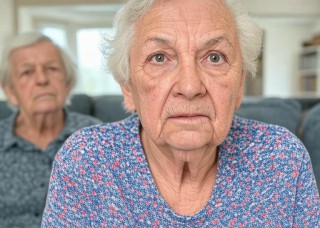 When Dementia Sparks Anger and Aggression: Understanding the Connection and Ways to Cope