For more information about senior living options: (866) 208-4318
4.2 from 87 reviews
5 stars
61
4 stars
9
3 stars
3
2 stars
2
1 stars
12
Payson Care Center Costs & Pricing
At Payson Care Center, the monthly cost for a private room stands at $6,008, which is notably on par with the Gila County average. However, it significantly exceeds the state average in Arizona, where private rooms are typically priced around $3,345. This discrepancy suggests that while Payson Care Center may offer specialized services or amenities that justify its cost, families should carefully consider these factors against their budget and the level of care required when selecting a facility.
Floor plans
Payson Care Center
Gila County
Arizona
Private
$6,008
$6,008
$3,345
Overall Review of Payson Care Center
common7 reviews mention this
Cleanliness stands out
Residents and visitors consistently describe a clean, well-maintained setting.
Several reviews say the facility is clean and well kept, including rooms that look maintained. A few visitors also mention noticeable smells, with one saying it didn’t have the unpleasant odor they’ve seen at other care centers. One negative review cites dirty, stained floors and nonworking call-light or bathroom light issues, which is the clearest cleanliness-related complaint in the set.
common11 reviews mention this
Food quality and variety
Food is frequently praised, though a few people report it arriving cold.
Many reviewers describe the food as excellent and enjoyable, including specific meals like egg salad sandwiches and biscuits and gravy. Others mention dining experiences ranging from a home-cooked feel to good food in the formal dining area, and at least one review notes food improvements over time. On the downside, one resident/visitor says the food is cold by the time it reaches the room, and another review criticizing care also touches on broader service failures rather than the flavor alone.
common6 reviews mention this
Therapy supports recovery
Therapists and rehab programming show up repeatedly in residents’ recovery stories.
Reviews commonly connect progress to therapy, including speech therapy, mobility and occupational therapy, and physical therapy support. People recovering after a hip replacement or stroke describe getting up and moving with help, and one reviewer highlights wound-focused nursing as part of their care plan. The facility also offers multiple therapy types, and at least one reviewer specifically praises physical therapy while also describing activities during their stay.
caveat6 reviews mention this
Care follow-through has gaps
A recurring concern involves missed or delayed care items and medication communication.
Some of the more negative reviews describe issues such as delayed medications, missing items, or call-light and bathroom equipment not working. A few also mention medication problems—like not receiving medications on time, being sent home with incorrect medication, or having time without meds after a hospital release. There are also complaints about communication during transfers and day-to-day coordination, which residents and families cite as reducing confidence during their loved one’s stay.
common3 reviews mention this
Activities include outings
Activities and resident programming are mentioned alongside therapy and daily routines.
Several reviews reference scheduled activities, including crafts and bingo during a rehab stay. Others highlight opportunities to spend time outdoors, such as the courtyard, and describe social experiences in communal spaces. At least one review also describes outings to places like restaurants, shopping, and community events, aligning with the community’s emphasis on planned activity programming.
common2 reviews mention this
Local dining and services nearby
The area around the community includes casual dining and local services within a few miles.
Residents and families describe doing activities that connect to the local community, such as outing-style programming. The surrounding area includes nearby dining options like Dutch Bros Coffee and Beeline Cafe, plus restaurants like Chili’s and Rim Country BBQ. For nearby appointments, there are also multiple physician and medical options listed within about a mile.
How we summarize
Counts show how many written reviews mention each theme; a review can touch several themes, and only frequently mentioned themes are displayed.
Features
Housing
163 resident community capacity
Types of Care
Assisted Living
Memory Care
Skilled Nursing Facility
Amenities
Air-conditioning
Beauty salon
Cable or satellite TV
Computer center
Dining room
Fitness room
Fully furnished
Gaming room
Garden
Housekeeping services
Kitchenette
Move-in coordination
Outdoor space
Private bathrooms
Restaurant-style dining
Small library
Telephone
Wellness center
Wi-Fi/high-speed internet available
Transportation
Community operated transportation
Transportation arrangement
Care Services
24-hour call system
24-hour supervision
Activities of daily living assistance
Assistance with bathing
Assistance with dressing
Assistance with transfers
Diabetes diet
Meal preparation and service
Medication management
Special dietary restrictions
Dining
Diabetes diet
Special dietary restrictions
Activities
Community-sponsored activities
Concierge services
Fitness programs
Planned day trips
Resident-run activities
Scheduled daily activities
Nearby Places of Interest
This section of Safford, Arizona offers a variety of amenities and services that may be appealing to seniors looking for a convenient and comfortable living environment. With several physicians' offices, pharmacies, and hospitals in close proximity, residents can easily access healthcare services. Additionally, there are cafes and restaurants for dining out or grabbing a quick bite to eat, as well as a theater for entertainment. Places of worship are also nearby for those seeking spiritual community. The parks in the area provide opportunities for outdoor recreation and leisurely walks. Overall, this part of Safford offers a mix of essential services and recreational options that may suit the needs of seniors looking to live in a well-connected neighborhood.
Physicians
Booth Steven N DDS - Steven N Booth DDS PC (0 miles)
Sam Gillette, DO (0.1 miles)
Alpine Country Urologic Assoc (0.1 miles)
Payson Healthcare (0.1 miles)
New Leaf Dermatology (0.1 miles)
Valley Radiation Oncology (0.1 miles)
Banner Payson Imaging Center (0.1 miles)
Cafes
Dutch Bros Coffee (0.2 miles)
Beeline Cafe (0.2 miles)
The Pinon Cafe (0.3 miles)
Common Grounds (0.5 miles)
Starbucks (0.7 miles)
Ayothaya Thai Cafe (0.7 miles)
Starbucks (0.7 miles)
Restaurants
Italio To Go (0.2 miles)
Chili's Grill & Bar (0.2 miles)
Rim Country BBQ (0.2 miles)
Wendy's (0.3 miles)
Macky's Grill (0.3 miles)
Five Guys Burgers & Fries (0.4 miles)
Denny's (0.4 miles)
Pharmacies
Payson Apothecary Pharmacy (0.3 miles)
Walgreens (0.6 miles)
Qol Meds (0.6 miles)
Genoa Healthcare (0.7 miles)
Bashas' Pharmacy (0.8 miles)
Theaters
Sawmill Crossing and Theatres (0.3 miles)
Places of Worship
First Baptist Church (0.4 miles)
Bridge To Spiritual Freedom (0.7 miles)
St Philip's Catholic Church (0.7 miles)
Expedition Church (0.8 miles)
Rim Valley Church of God (0.8 miles)
Iglesia Evangélica Libre Poder En Cristo (0.9 miles)
At Payson Care Center, the monthly cost for a private room stands at $6,008, which is notably on par with the Gila County average. However, it significantly exceeds the state average in Arizona, where private rooms are typically priced around $3,345. This discrepancy suggests that while Payson Care Center may offer specialized services or amenities that justify its cost, families should carefully consider these factors against their budget and the level of care required when selecting a facility.
Payson Care Center's features are thoughtfully designed to address the specific needs of residents with dementia and Alzheimer's disease. Assistance with dressing and bathing not only promotes personal hygiene but also fosters a sense of dignity and independence, which can be especially important for individuals experiencing cognitive decline. Medication management ensures that residents take their prescribed medications on time, reducing the risk of confusion or missed doses that can adversely affect their health. Meal preparation and service provide nutritionally balanced meals tailored to individual dietary needs, while activities of daily living assistance supports residents in engaging with their routines, enhancing both physical and mental well-being. Furthermore, assistance with transfers is crucial for maintaining mobility and safety, helping residents navigate their environment confidently. The 24-hour supervision guarantees a secure setting where staff members are readily available to respond to any immediate needs or emergencies, creating an environment of support that helps alleviate anxiety for both residents and their families. Together, these services contribute to a holistic approach that seeks to enhance the quality of life for those in memory care.
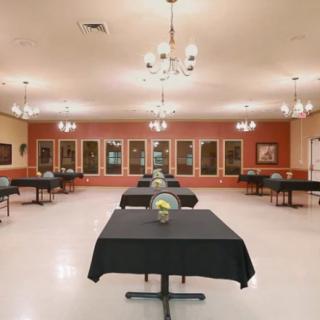
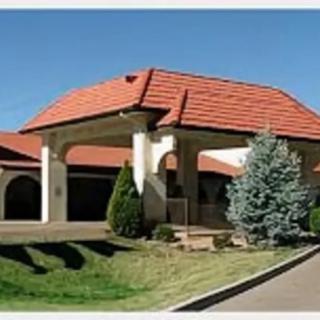
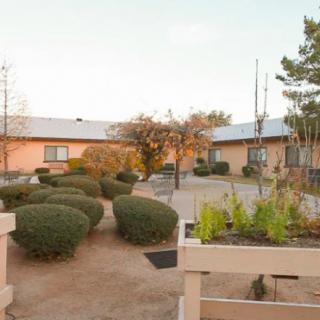
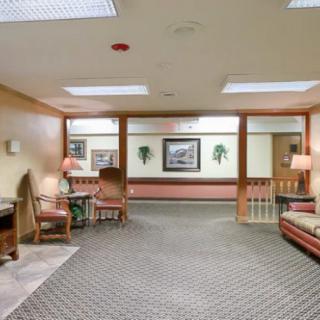
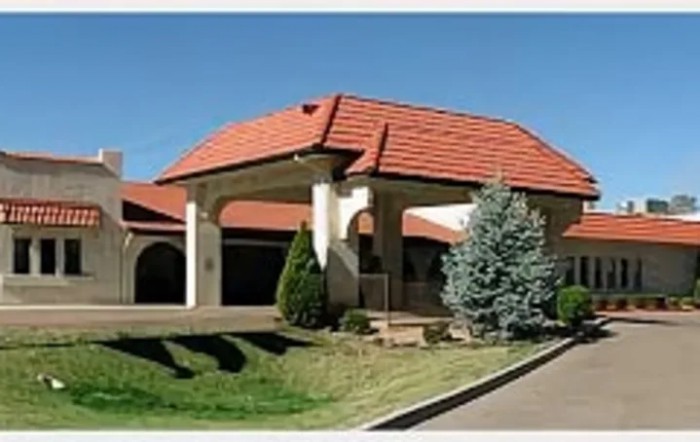
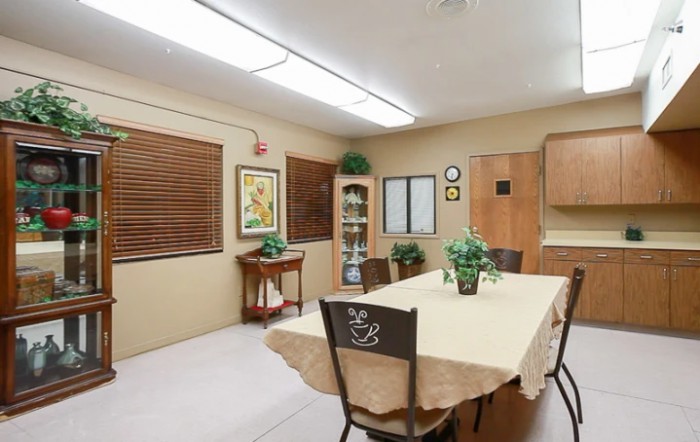
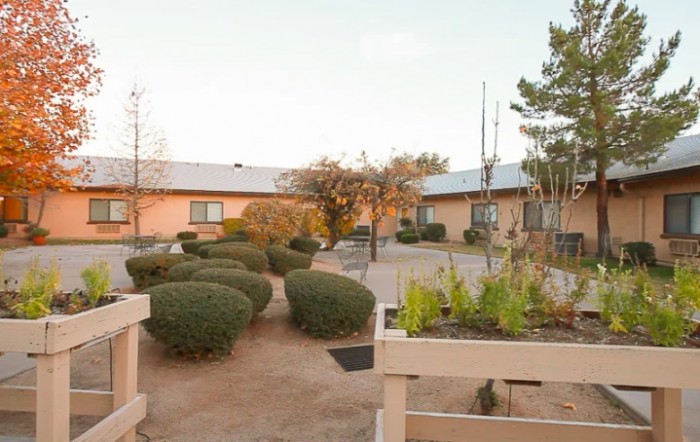
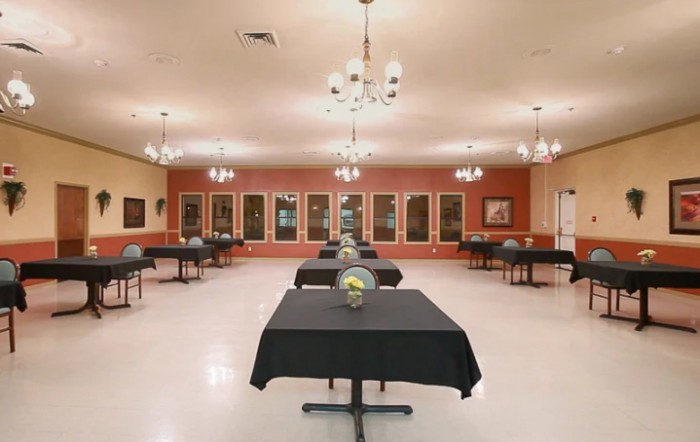
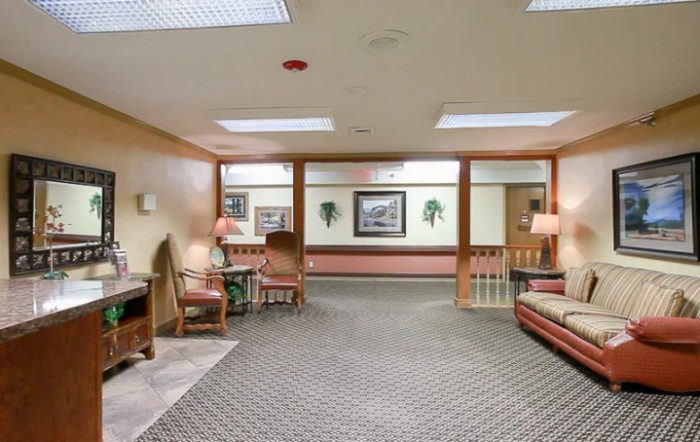
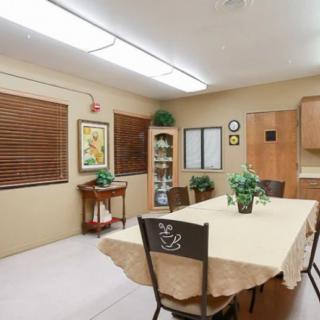
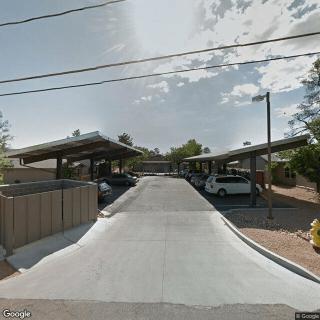
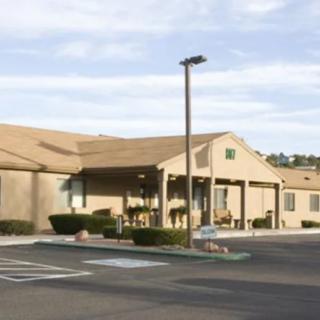
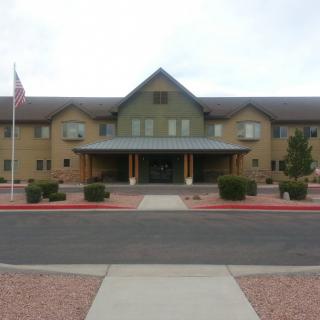
Payson Care Center on seniors.fyi includes 6 photos including images showing interior, decor, trees, landscaping, lighting, building, architecture, dining, and more.
Nearby Communities
Paysons Open Door
Payson, AZ
2.3 from 3 reviews
Some families reported excellent care and nutrition and improved communication/oversight after leaving Paysons Open Door.
Ordinary Lifestyles IV
Payson, AZ
Diabetes-focused care with on-site activities.
Pineview Manor Apartments
Payson, AZ
3.7 from 3 reviews
Strong access to nearby dining, parks, healthcare, worship, and entertainment.
The Frontier House
Payson, AZ
4.7 from 6 reviews
$1,700 to $2,650 / month
Intimate, homelike setting with attentive staff and personalized care.
Rim Country Health
Payson, AZ
3.5 from 34 reviews
Specialized memory care with personalized support in a serene, amenity-rich setting.
Rim Country Health & Retirement Community
Globe, AZ
3.5 from 31 reviews
Dedicated nursing staff with comprehensive rehab services on site.
Majestic Rim Independent Living
Payson, AZ
4.8 from 28 reviews
$2,995 to $4,495 / month
Friendly staff, welcoming atmosphere, and strong amenities.
Dementia encompasses a range of cognitive impairments characterized by types such as Alzheimer's and vascular dementia, and follows a seven-stage progression model known as the Global Deterioration Scale (GDS), highlighting varying symptoms and decline timelines. Early detection allows for lifestyle adjustments to potentially slow progression, while caregivers need support and resources to manage the challenges involved in caring for affected individuals.
The guide on holistic dementia care outlines the complexity of dementia and stresses the need for individualized caregiver strategies that include medical treatment, psychological support, and environmental adaptations, while emphasizing early detection, various therapeutic options, and caregiver support to enhance quality of life and maintain dignity.
"Memory Care Pathways: A Holistic Guide to Dementia Support" outlines the complexities of dementia and its various types, emphasizing early detection, patient-centered care strategies, caregiver support, and long-term care options while addressing legal and financial considerations to enhance the quality of life for individuals with dementia and their families.
Get PricingAsk A QuestionSchedule A TourContact Senior Advisor
By clicking submit, you agree to our Partner's Terms of Use. You
also consent to receive calls and texts, which may be autodialed, from our Partner. Your consent is not a condition to
using our Partner's service. Please visit our Partner's Privacy Policy for information about their privacy practices.

 163 resident community capacity
 Assisted Living
 Memory Care
 Skilled Nursing Facility
 Air-conditioning
 Beauty salon
 Cable or satellite TV
 Computer center
 Dining room
 Fitness room
 Fully furnished
 Gaming room
 Garden
 Housekeeping services
 Kitchenette
 Move-in coordination
 Outdoor space
 Private bathrooms
 Restaurant-style dining
 Small library
 Telephone
 Wellness center
 Wi-Fi/high-speed internet available
 Community operated transportation
 24-hour call system
 Activities of daily living assistance
 Assistance with bathing
 Assistance with dressing
 Assistance with transfers
 Diabetes diet
 Medication management
 Special dietary restrictions
 Concierge services
 Planned day trips
 Some families reported excellent care and nutrition and improved communication/oversight after leaving Paysons Open Door.

 Understanding Dementia Through Its Seven Stages: A Comprehensive Look at Progression and Expectations
 A Holistic Dementia Care Guide: Effective Strategies for Memory Support
 Memory Care Pathways: A Holistic Guide to Dementia Support