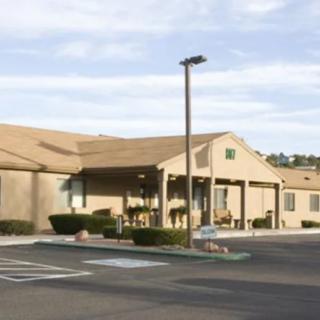
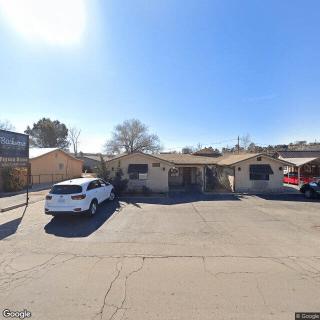
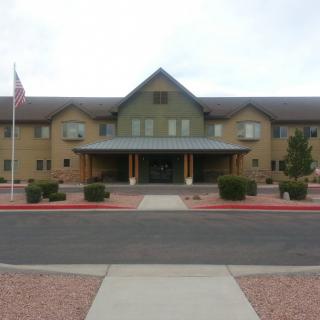
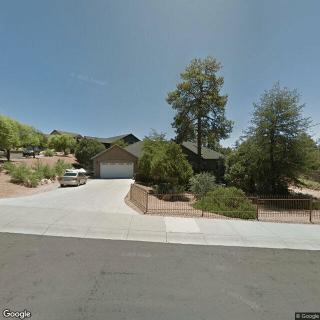
807 W Longhorn Road, Payson, AZ 85541
For more information about senior living options: (844) 490-3973
What level of care are you interested in?

Assisted Living

Memory Care

Independent Living

Skilled Nursing Facility

Continuing Care Retirement Community (CCRC)CCRC

Other
Rim Country Rehab and Rim County Health and Rehabilitation loom large in the real-life experiences of a broad set of families, and the stories run the gamut from glowing to grim. On one end, multiple reviewers paint a picture of a facility that is clean, well-equipped, and staffed by caring professionals who can really make a difference in a patient's recovery. Ehren, in particular, is singled out for outstanding care of an uncle, described as attentive, compassionate, and part of a care team that feels state-of-the-art and thorough. Others emphasize the facility's cleanliness, the up-to-date equipment, and the sense that therapy, nursing, and dietary teams are capable and helpful. Several reviewers also praise the admissions process, noting friendly, responsive staff like Rachael, who left a lasting impression with her dedication to helping families navigate the maze of rehab placement.
Beyond individual staff members, there are strong endorsements about the overall atmosphere and services. Reviewers frequently mention how welcoming the environment is for visitors, how patient rooms are kept clean and comfortable, and how activities and therapy options contribute to a positive rehab experience. Families describe a framework in which rehabilitation, therapy, and palliative care can come together under one roof, with caregivers who treat patients with kindness and respect. Food quality and the availability of snacks, as well as the possibility to access care staff for questions, are cited as valuable aspects of the facility's everyday operation. In several accounts, patients who had to transfer between facilities note a marked difference in care quality, suggesting Rim Country Rehab can offer a noticeably higher standard of service than some other places.
Yet, the picture is not uniformly positive. A number of reviewers recount serious concerns about communication and responsiveness. Some families report that their calls are not returned, that social workers or discharge planners and even the director of nurses are hard to reach, and that while they are listed as authorized contacts they still struggle to obtain information. There are specific accusations about rude interactions, and at least one account describes staff hanging up during a phone call when family members were trying to advocate for their loved one. Others describe situations where basic needs appear to be unmet, such as a patient in pain, issues with catheter care, or questions about food portions and meal plans. One account mentions a catheter that was busted and left the patient in urine for an extended period, which the reviewer describes as unconscionable. Another describes a husband who felt held "hostage" by the facility until relatives threatened legal action, with the VA paying a high daily rate and the family perceiving a misalignment in incentives and care.
There are also deeply concerning claims about neglect and harm. A number of reviewers recount experiences that led them to caution others strongly: warnings not to send loved ones to the facility, allegations of sedation to keep residents in bed after a fall, and reports of falls followed by days of inactivity and deterioration in a patient's condition. One family describes a loved one who passed away after a decline that they believe could have been mitigated with more timely intervention and clearer communication. Particularly troubling are stories of patients who were not given timely access to family members on hospice, or who could not reach their loved ones in their final hours. Some families tell of conflicts over refunds and billing for respite care, where emotional stress intersects with financial disputes and a sense that the facility's policies are not always aligned with the families' needs.
Amid the darker notes, there are also powerful testimonials to positive transformation and gratitude. A reviewer who had a personal health setback describes Rim County Health and Rehabilitation as a night-and-day improvement over a previous rehab facility, emphasizing a caring, comprehensive team - from the director and nurses to CNAs, physical therapists, and housekeeping. That account highlights a feeling of being treated as a person, not just a patient, with staff who are attentive, encouraging, and respectful of boundaries and comfort. The same voice notes that the food is good, there are frequent opportunities for meaningful activity, and the facility's environment feels clean and well maintained. For this reviewer, the staff's attentive approach extended to family, making them feel supported during a difficult time and providing reassurance about the care their loved one was receiving.
Another thread centers on the sincere appreciation of how Rim Country Rehab handles end-of-life and palliative care. In several stories, families describe moments when their loved ones' dignity and comfort were preserved, with staff who were patient, kind, and present during challenging days. In these accounts, the facility is praised for its ability to balance therapy with comfort, for the way caregivers integrate into the family's experience, and for ensuring that patients experience as much peace and quality of life as possible in their remaining time. Even within the same facility, experiences vary dramatically from one family to the next, underscoring how much depends on the individual caregivers on duty, the unit involved, and how well concerns are communicated and addressed.
Taken together, the array of reviews paints a nuanced portrait: Rim Country Rehab and Rim County Health and Rehabilitation appear to be capable, well-equipped facilities with staff who can deliver exceptional care and compassion when everything aligns. At the same time, the experiences of some families raise serious questions about communication, responsiveness, and consistency in care. For anyone considering these facilities, the takeaway is to approach with careful due diligence - visit in person if possible, speak directly with admissions and nursing leadership, meet the care team on the unit where your loved one would be treated, and ask pointed questions about catheter care, medication management, nutrition, fall prevention, and the process for emergency situations. The stories here reflect a mixed reality: moments of genuine excellence and moments of real concern. The best path forward is to gather firsthand impressions, monitor how information is shared, and ensure that the staff you rely on have clear channels for timely, compassionate communication.
Rim Country Health in Payson, AZ is an assisted living community that specializes in providing Memory Care services. Our dedicated staff are trained to provide personalized care and support for individuals living with memory loss, such as those with Alzheimer's or dementia.
Located in a serene and picturesque setting, our community offers a peaceful environment where residents can feel at ease and enjoy their daily lives. With 9 cafes nearby, residents have plenty of options to meet friends and family for a cup of coffee or a light meal. Additionally, the presence of 6 parks nearby provides opportunities for outdoor activities and enjoyable walks amidst nature.
Ensuring the well-being of our residents is of utmost importance, which is why we have 5 pharmacies conveniently located nearby for easy access to medications and health supplies. Furthermore, having 19 physicians in close proximity ensures that residents can receive quality medical care whenever needed.
At Rim Country Health, we understand the importance of maintaining an active social life. With 35 restaurants nearby, residents have ample choices to indulge in delicious meals and dine out with friends or loved ones. For those who require transportation, there are two options available to make commuting hassle-free.
We recognize that spirituality plays an important role in many individuals' lives. With 21 places of worship situated within reach, our residents can continue practicing their faith comfortably while receiving supportive care from our compassionate staff.
For entertainment and cultural activities, there is a theater located nearby where residents can enjoy movies or live performances. Moreover, knowing that emergencies may arise, we have two hospitals conveniently located close by to ensure prompt medical attention if necessary.
At Rim Country Health in Payson, AZ, we strive to create an inclusive and engaging environment where our Memory Care residents can lead fulfilling lives while receiving the support they need.
Rim Country Health is located at 807 W Longhorn Road, Payson, AZ 85541 in Gila County, Arizona
Yes, Rim Country Health provides memory care services for residents with mild or advanced stages of dementia or Alzheimer's disease.
Rim Country Health & Retirement Community
Globe, AZ
Dedicated nursing staff with comprehensive rehab services on site.
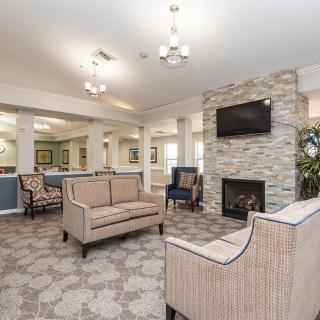
Rim Country Health & Retirement Community reviews
Rim Country Health & Retirement Community images
Payson Care Center
Safford, AZ
Broad range of services and therapies with engaging activities and a friendly, attentive staff.
Payson Care Center costs
Payson Care Center reviews
Payson Care Center images
Pineview Manor Apartments
Payson, AZ
Strong access to nearby dining, parks, healthcare, worship, and entertainment.
Pineview Manor Apartments reviews
Pineview Manor Apartments images
Majestic Rim Independent Living
Payson, AZ
Friendly staff, welcoming atmosphere, and strong amenities.
Majestic Rim Independent Living costs
Majestic Rim Independent Living reviews
Majestic Rim Independent Living images
A Holistic Dementia Care Guide: Effective Strategies for Memory Support

The guide on holistic dementia care outlines the complexity of dementia and stresses the need for individualized caregiver strategies that include medical treatment, psychological support, and environmental adaptations, while emphasizing early detection, various therapeutic options, and caregiver support to enhance quality of life and maintain dignity.
Memory Care Pathways: A Holistic Guide to Dementia Support

"Memory Care Pathways: A Holistic Guide to Dementia Support" outlines the complexities of dementia and its various types, emphasizing early detection, patient-centered care strategies, caregiver support, and long-term care options while addressing legal and financial considerations to enhance the quality of life for individuals with dementia and their families.
Comprehending Evening Confusion in Dementia: Causes, Manifestations, and Support
Sundown syndrome, or sundowning, is a phenomenon in dementia patients characterized by increased confusion and agitation during late afternoon and evening, influenced by factors like disrupted circadian rhythms and fatigue. Effective caregiver strategies include establishing routines and managing environmental light while addressing caregiver stress through support services.