
906 East Frontier Street, Payson, AZ 85541
For more information about senior living options: (866) 208-4318
The Frontier House Costs & Pricing
The Frontier House offers competitive pricing for its accommodations, significantly lower than both Gila County and the broader state of Arizona. For a studio apartment, residents will pay $1,700 per month, which is notably more affordable compared to the county average of $3,399 and the state average of $3,829. Similarly, the one-bedroom unit at The Frontier House is priced at $2,650, presenting a cost-effective alternative to Gila County's rate of $4,339 and exceeding only slightly the state average of $3,532. These attractive rates reflect The Frontier House's commitment to providing quality housing options in a market where costs can be prohibitively high.
| Floor plans | The Frontier House | Gila County | Arizona |
|---|---|---|---|
| Studio | $1,700 | $3,399 | $3,829 |
| 1 Bedroom | $2,650 | $4,339 | $3,532 |
Overall Review of The Frontier House
Pros
 The Frontier House offers a home-like setting that fosters interaction among residents.
- The administrator and staff are described as awesome and highly attentive, with a very low turnover rate.
- Residents receive personal, one-on-one care in a small, intimate home environment.
- Meals are home-cooked and tailored to residents’ dietary preferences, served in a warm, comfortable setting.
- The facility is clean, bright, and well-maintained, with thoughtful touches that feel like home.
- Families can visit anytime and stay as long as they want, enhancing involvement and peace of mind.
- The staff consistently goes the extra mile to keep residents comfortable, engaged, and happy.
- In-house activities, exercise, and social opportunities abound, with occasional outings and events at the senior center.
- The Frontier House is a strong alternative to larger nursing homes and traditional assisted living due to its intimate, homelike atmosphere and individualized attention.
Cons
 One reviewer notes that there is only one caregiver for all eight residents, raising concerns about the feasibility of adding more staff.
- Another reviewer states that the activities to go out are limited somewhat.
- A reviewer mentions that the rooms are semi-private with shared baths, which could be a drawback for some residents.
Review
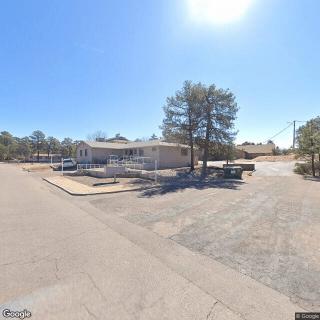
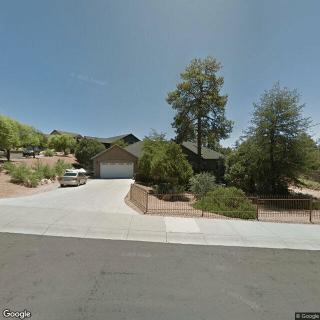
The Frontier House in Payson, Arizona is best suited for families seeking a truly intimate, home-like assisted living option for an aging loved one who benefits from steady, personalized care. It excels when memory challenges are present but do not require round-the-clock hospital-level nursing, and when mobility is limited to a walker. The setting feels like a private residence more than a facility: a redwood home among trees with shared, semi-private rooms, a small community of eight to ten residents, and plenty of everyday comforts, home-cooked meals, a friendly dog, even chickens in the backyard. This combination supports dementia-impacted residents by enabling social interaction in a familiar, controllable environment while keeping safety a top priority.
Those evaluating Frontier House should know who may want alternatives. A larger assisted living with more staff coverage, more extensive dementia programming, and easier access to outside medical services can reduce stress for families whose loved one requires constant or highly specialized medical intervention. Individuals seeking private rooms with more privacy or those who expect frequent, structured off-site outings and a broader array of amenities may find a larger campus a better fit. Frontier House operates at a small scale, delivering intensive personal attention, but it does not replicate the resources of a bigger facility.
Key advantages align tightly with the small, hands-on model. Eight to ten residents means staff can tailor meals and daily routines to individual preferences, and family input is readily integrated into care decisions. Kitchen-made meals are thoughtful and varied, and residents can choose from what’s offered while staff monitor to prevent food safety and ensure items are not overly hot. Continuity of staff is frequently cited as a virtue, with caregivers who know residents’ likes, dislikes, and medical nuances, and who willingly go the extra mile to keep residents comfortable, engaged, and safe. The home atmosphere, complete with shared dining, a great room for activities, a garden, and even in-house events, fosters genuine belonging that larger campuses often struggle to achieve. Safety tools like door alarms and monitors are present, but never overshadow the warmth of personal connection.
On the downside, the intimate footprint brings practical limits. Semi-private rooms with shared baths can constrain privacy and choice for residents who value quiet personal space. Staffing, while stable, can feel lean at times; one caregiver for eight residents is a common scenario, with the option to bring in additional staff if needed. Out-of-residence activities may be more limited than in larger communities, and coordinated outings or access to outside events often require planning through family or staff. The reliance on family for transport to appointments, while manageable, is a reality that families must anticipate when weighing the care plan.
Yet these constraints are tempered by the strengths that matter most in day-to-day living. Frontier House consistently delivers dignity, familiarity, and practical support. Families repeatedly note the genuine sense of home, the staff’s attentiveness, the predictable routines, and the ability to participate in meals and activities without a palpable sense of institutional stiffness. The setting supports essential tasks, dressing, laundry, and personal care, without making the resident feel depersonalized. The emotional relief of knowing a loved one is in a warm, low-key environment where staff remember preferences and accommodate individual tastes often outweighs the desire for bigger-scale programming or firmer outside-the-community engagement.
Bottom line: Frontier House is a sound choice for those who want one-on-one attention, home-like comfort, and a safe, small-scale environment for a loved one who requires supervision, basic dementia support, and social engagement without needing a full nursing facility. Pros offset most common drawbacks by delivering consistent caregivers, personalized meals, and a warm atmosphere. However, for residents who require private rooms with enhanced privacy, frequent outside excursions, or intensive medical oversight, alternatives with larger staff and broader medical services are worth exploring. A thoughtful visit will reveal whether the balance of intimate care and gentle structure aligns with the family’s goals and the resident’s needs.
 10 resident community capacity
 Assisted Living
 Board and Care Home
 Respite Care
 Activities on-site
 Cable or satellite TV
 Devotional services off-site
 Dining room
 Fully furnished
 Garden
 Housekeeping services
 Indoor common areas
 Move-in coordination
 Outdoor space
 Telephone
 Wi-Fi/high-speed internet available
 24-hour supervision
 Ambulatory care
 Assistance with bathing
 Assistance with dressing
 Assistance with transfers
 Diabetes diet
 Diabetic care
 Meal preparation and service
 Medication management
 Special dietary restrictions
 Transportation arrangement (medical)
 Transportation to doctors appointments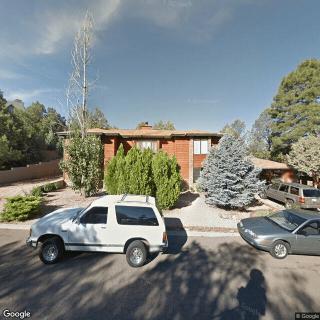
 Assisted Living Expenses and Long-Term Care Insurance: A Comprehensive Exploration
 Securing Financial Support for Assisted Living: A Comprehensive Overview
 Social Security Benefits and Assisted Living: Navigating Options Across the U.S.