
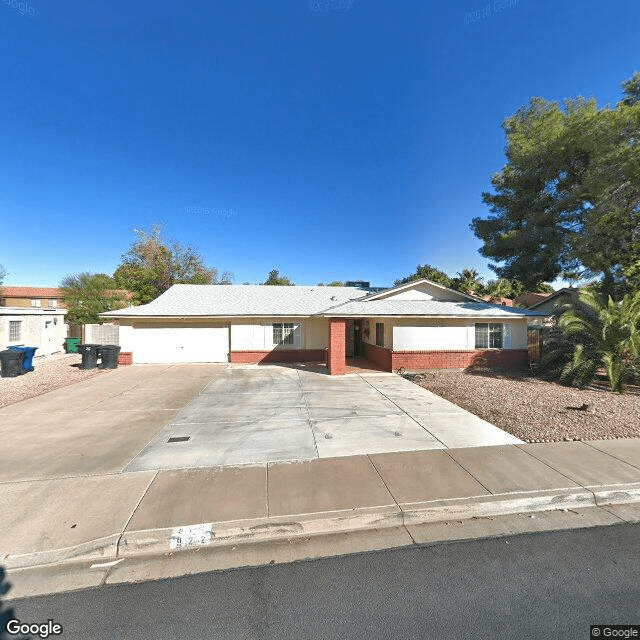
922 West Isabella Avenue, Mesa, AZ 85210
For more information about senior living options: (866) 208-4318
Isabella Home Care Costs & Pricing
Isabella Home Care offers competitive pricing for various room types compared to the broader market in Maricopa County and the state of Arizona. For semi-private rooms, Isabella is priced at $1,600, significantly lower than the county average of $2,801 and the state average of $2,820. Private rooms range between $1,800 to $5,995, again showcasing a more affordable option than the county's $3,318 and state's $3,345 averages. Although studios and one-bedroom units at Isabella are higher - costing $4,095 and $4,595 respectively - they still provide value in comparison to their regional counterparts. Notably, Isabella's two-bedroom rate of $5,895 exceeds county and state averages but reflects the unique offerings that may be available in terms of amenities or services. Overall, Isabella Home Care presents a compelling alternative in terms of pricing for families seeking quality care options in a nurturing environment.
| Floor plans | Isabella Home Care | Maricopa County | Arizona |
|---|---|---|---|
| Semi-Private | $1,600 | $2,801 | $2,820 |
| Private | $1,800 to $5,995 | $3,318 | $3,345 |
| Studio | $4,095 | $3,960 | $3,829 |
| 1 Bedroom | $4,595 | $3,473 | $3,532 |
| 2 Bedrooms | $5,895 | $4,112 | $4,106 |
Assisted Living communities with a similar price nearby
-
from +$200 / mo
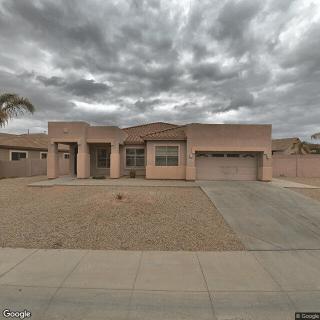
Divine Grace Assisted Living Home
$1,800 to $2,500 / month14.3 miles away -
from +$200 / mo
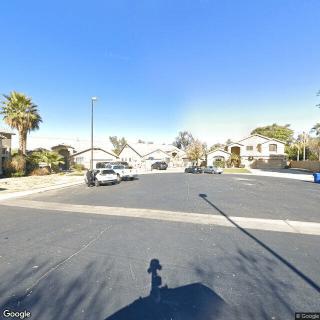
Home Sweet Home
$1,800 to $2,500 / month9.5 miles away -
from -$205 / mo

Heritage Lane Behavioral - East
$1,395 to $1,750 / month1.1 miles away -
from +$300 / mo

Maravilla Scottsdale
$1,900 to $6,130 / month18.5 miles away -
About the same

The Citadel
$1,595 to $2,080 / month7.7 miles away
Overall Review of Isabella Home Care
Pros
 Stan and Eleanor are caring and helpful owners.
- They make every effort to ensure a family member is well taken care of every day.
Review
Isabella Home Care in Mesa, Arizona is best suited for families seeking a tightly run, owner-operated care environment where daily, hands-on attention is the rule rather than the exception. The care approach rests on the direct involvement of Stan and Eleanor, whose commitment to their residents shows up in routines that are consistently monitored and adjusted to fit a loved one’s changing needs. The setting feels intimate and non-institutional, which benefits someone who values predictable daily rituals and clear lines of communication with the people overseeing care. This is not a campus with badge-wearing staff rotating through shifts; it is a small-scale operation where the owners are readily accessible, and that accessibility can translate into reliable reassurance for families managing ongoing caregiving logistics.
Who may want alternatives? Families seeking robust clinical oversight or memory-care specialization will likely want options with bigger teams, formalized programs, and more structured support across evenings, nights, and weekends. If dementia care requires secure environments, if rehab and therapy services need to be integrated on a daily basis, or if a larger community with built-in activities and transportation is desirable, other facilities will serve those needs more comprehensively. Additionally, if transparency around staffing levels, day-to-day schedules, meal programs, and cost structures is a priority, the limited external feedback available here makes it prudent to compare with options that publish these metrics and provide third-party references.
From the available evidence, the standout strength is the direct, caring involvement of Stan and Eleanor. They are described as loving, helpful owners who make every effort to ensure the resident is well cared for on a daily basis. That level of personal accountability can outperform more impersonal arrangements, translating into quick problem resolution, consistent routines, and a sense of security for families whose loved one benefits from close oversight. In practical terms, this means better day-to-day reliability and a communications loop that doesn’t get lost in chain-of-command. The downside is the dearth of independent verification: one glowing review does not establish a broad track record, and there is little publicly available detail about staffing coverage, clinical readiness, or the breadth of services offered.
Those tradeoffs matter when evaluating cost, risk, and long-term needs. The hands-on ownership model is excellent for steady companionship, timely check-ins, and personalized care plans; it can also pose risks if staffing becomes uneven, if owners take planned time off, or if the resident's requirements exceed what a small team can safely manage. The absence of documented staff-to-resident ratios, formal activity schedules, or meal-standardization disclosures means families must lean into direct conversations with the owners and insist on a written care plan. In short, the pros deliver substantial warmth and accountability, while the cons require careful mitigation through upfront inquiry and on-site assessment.
For families seriously considering Isabella, the recommended path is an on-site visit paired with a candid questions session. Request a sample daily routine, a meal plan, and a written care plan that outlines who handles what tasks and how changes are communicated. Ask for references from current clients, and verify what happens after hours and on weekends. Clarify costs, what is included, what incurs extra charges, and how any care transitions are managed. If the loved one thrives on personal attention, appreciates direct access to the owners, and does not yet require extensive medical management, Isabella stands out as a compelling option. For those with higher medical needs or a desire for a larger, more programmatic environment, continue the search.
The bottom line is clear: Isabella Home Care is an excellent fit for families prioritizing intimate, owner-led care and dependable daily oversight. It delivers warmth, responsiveness, and a palpable sense of accountability that can be hard to find in broader facilities. However, this strength comes with tradeoffs in scalability, formalized data, and access to wide-ranging clinical services. If those elements matter, and they will for more complex conditions or longer-term stays, identify competing options that provide a larger staffing pool and structured programs. A deliberate comparison, anchored by an in-person tour and concrete questions, will reveal whether Isabella can meet the loved one’s current needs and anticipated future requirements.
 6 resident community capacity
 Assisted Living
 Board and Care Home
 Respite Care
 Cable or satellite TV
 Dining room
 Fully furnished
 Garden
 Housekeeping services
 Move-in coordination
 Outdoor space
 Private
 Telephone
 Wi-Fi/high-speed internet available
 Phoenix Sky Harbor International (10 miles away)
 24-hour supervision
 Activities of daily living assistance
 Assistance with bathing
 Assistance with dressing
 Assistance with transfers
 Diabetes diet
 Meal preparation and service
 Medication management
 Special dietary restrictions
 Transportation arrangement (medical)
 Transportation to doctors appointments





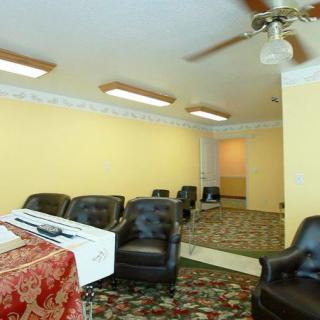
 Assisted Living and Memory Care: Understanding Their Core Differences
 Beyond the Bingo Hall: 50+ Enriching Activities for Seniors in Assisted Living
 Understanding the Distinctions: Assisted Living and Memory Care Explained