

3618 W Wagner Rd, Glendale, AZ 85308
To contact a resident: (480) 252-2704
For more information about senior living options: (866) 208-4318
Good Hands Adult Care Costs & Pricing
Good Hands Adult Care offers competitive pricing for its services compared to the broader market in Maricopa County and the state of Arizona. For a semi-private room, Good Hands charges $3,500 per month, which is notably higher than the county average of $2,801 and the state average of $2,820. This difference could be indicative of enhanced care quality or additional amenities provided at Good Hands. In terms of private accommodations, the monthly cost is set at $4,000, again surpassing both Maricopa County's average of $3,318 and Arizona's overall average of $3,345. While these rates are elevated compared to local standards, they reflect a commitment to delivering exceptional care in a supportive environment tailored to residents' needs.
| Floor plans | Good Hands Adult Care | Maricopa County | Arizona |
|---|---|---|---|
| Semi-Private | $3,500 | $2,801 | $2,820 |
| Private | $4,000 | $3,318 | $3,345 |
Senior living communities with a similar price nearby
-
from +$150 / mo

SeniorBridge - Scottsdale, AZ
$3,650 / month16.4 miles away -
About the same
A Paradise for Parents Campbell Avenue
$3,500 to $4,500 / month16.3 miles away -
from -$550 / mo

Endeavor AL I
$2,950 to $4,200 / month11.0 miles away -
from +$200 / mo

Endeavor AL III
$3,700 to $4,000 / month11.9 miles away -
About the same

Endeavor AL II
$3,500 to $4,000 / month11.6 miles away
Overall Review of Good Hands Adult Care
Pros
 Ramona and her staff are amazing.
- They care for patients like they are family.
- The place is immaculate.
- Ramona provides great comfort and confidence from the first meeting.
- Once settled in, the patient is comfortable and well taken care of.
- They feel blessed to have found Good Hands Adult Home Care.
Review
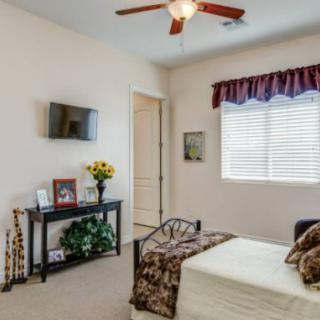
Good Hands Adult Care in Glendale, AZ is best suited for families seeking a warm, home-like care setting where an aging loved one receives personal attention, a spotless environment, and reassurance that caregivers treat residents like family. It works well for seniors who require daily assistance and closer supervision but do not need intensive hospital-level nursing. The emphasis on comfort, stability, and the sense that care partners are guardians rather than distant staff makes it attractive for families prioritizing emotional reassurance and consistent routines over breadth of medical services.
Potential buyers should consider alternatives if extended clinical oversight is essential, if a larger community with formal memory-care programming or robust activity calendars is desired, or if transportation and a wider array of on-site services are priorities. In cases where a loved one travels needs frequent physician visits, complex wound care, or 24/7 nursing supervision, a traditional assisted living with licensed nurses or a skilled-nursing facility might be more appropriate. The clientele appears oriented toward personal connection and a homelike setting; families seeking more clinical depth might want to evaluate bigger operators.
Key strengths, caring, family-like attention; immaculate setting; patient comfort and confidence, tend to offset the lack of explicit downsides in the limited feedback by delivering emotional security and trust. The warmth of Ramona and the staff translates to consistent routines and a feeling of safety, which is invaluable for anxious families. A potential risk is that the smaller, home-based model may naturally cap the scope of medical support and activities; without signs of serious shortcomings, this is a prudent consideration only if medical needs escalate and require more formal clinical oversight.
Cleanliness and a well-kept environment are not mere aesthetics: they set the baseline for daily wellbeing and infection control, which matters for seniors. The family-style approach makes care plans feel personal and collaborative, reducing the stress of transition for both resident and family. When a loved one settles in, the assurance that caregivers know their preferences, moods, and routines translates into more reliable medication reminders, timely meals, and dignified assistance with mobility. The combination of these elements creates a scenario where quality of life can improve quickly, especially for those who fear impersonal institutional care.
Families evaluating this option should plan a structured site visit and demand specifics: daily caregiver coverage, scheduling of meals, assistance with activities of daily living, medication management, and how care plans are updated. Ask about licensing, staff training, and any available respite options. It is also wise to enquire about family involvement, visiting hours, and communication practices for updates. If the goal is guaranteed warmth and a consistent, orderly environment, Good Hands stands out; if the elderā€™s condition demands broader clinical services, be ready to compare against facilities with larger medical staffs and dedicated memory-care spaces.
Overall, Good Hands Adult Care in Glendale offers a compelling choice for families who value a home-like atmosphere, meticulous cleanliness, and caregivers who treat residents as family. The proven strengths create an unusually reassuring environment that can ease the transition and sustain wellbeing for many aging adults. Those weighing options should begin with a focused tour, prepare a careful checklist, and compare what is offered against the expected medical and social needs of their loved one. If the priority is heartfelt, consistent care in a small, well-kept setting, this community warrants serious consideration; if higher-level clinical oversight or more expansive programming is needed, explore alternatives without delay.
 Board and Care Home
 Private
 Phoenix Sky Harbor International (18 miles away)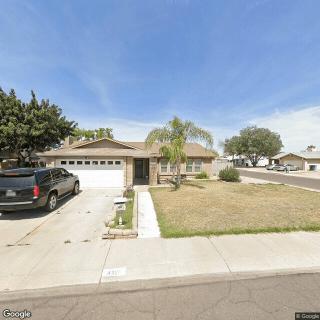







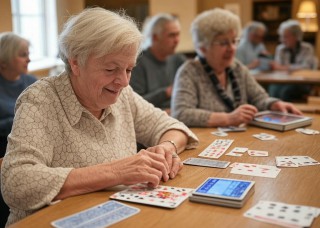 Effective Strategies for Keeping Seniors' Minds Active: A Deep Dive into Brain Games and Apps
 In-Depth Look at the VA Aid and Attendance Program
 Nurturing Our Loved Ones: A Daughter's Journey in Caring for Her Mother