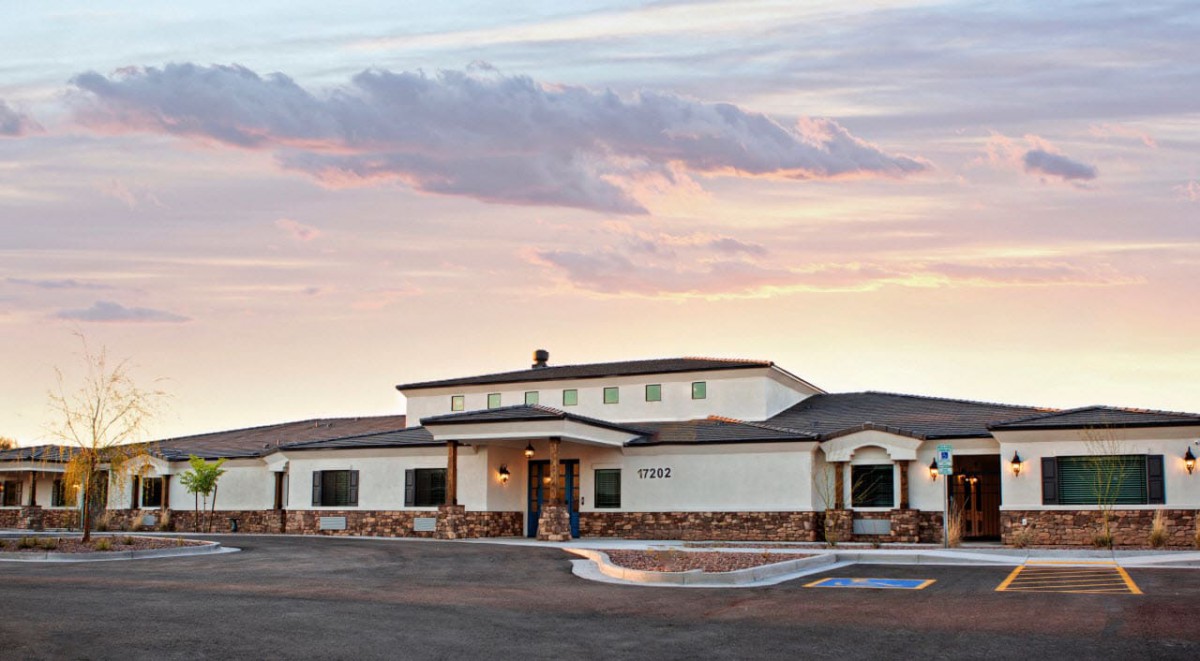
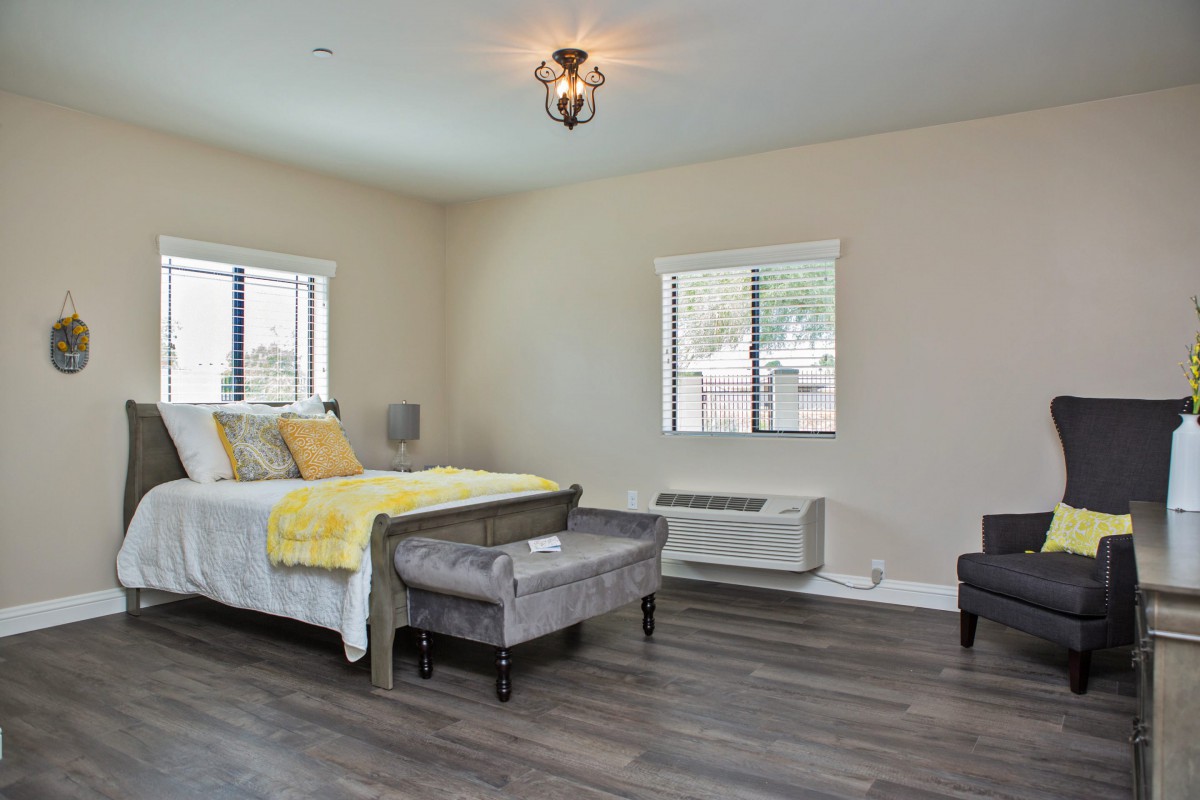
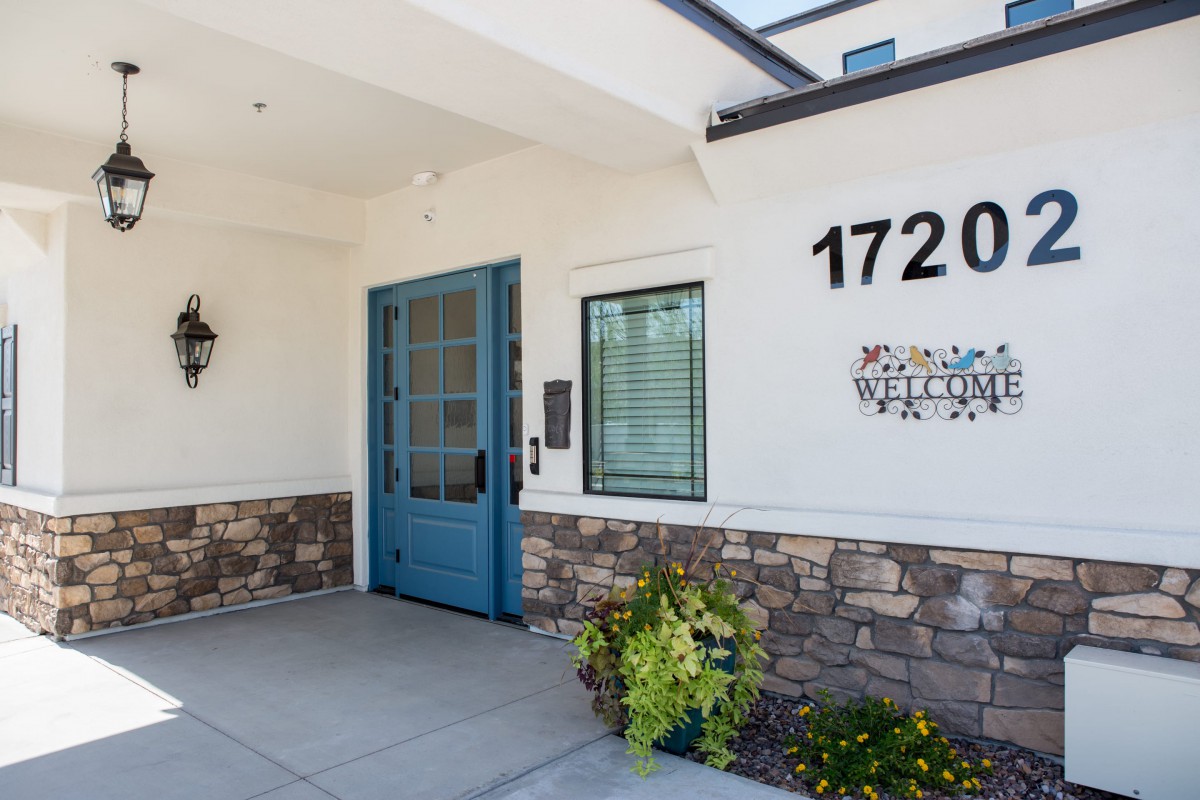
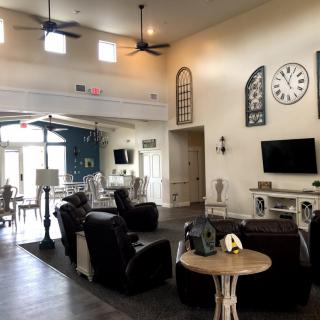


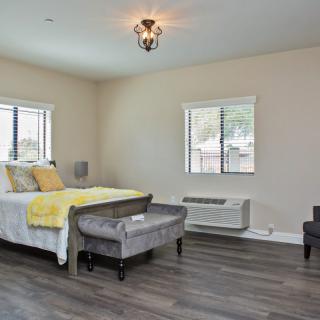
17202 N 69th Ave, Glendale, AZ 85308
To contact a resident: (602) 717-1864
For more information about senior living options: (866) 208-4318
Beehive Homes of Arrowhead Costs & Pricing
Beehive Homes of Arrowhead offers competitive pricing for its residential accommodations, with monthly costs reflecting both the quality of care and services provided. For a studio unit, residents pay $4,200, which is notably higher than the Maricopa County average of $3,960 and Arizona's overall average of $3,829. Similarly, a one-bedroom unit at Beehive Homes is priced at $5,500, significantly exceeding the county's average of $3,473 and the state average of $3,532. While these costs are above local benchmarks, they may reflect enhanced amenities and personalized care that cater to residents seeking a higher standard of living in an assisted environment.
| Floor plans | Beehive Homes of Arrowhead | Maricopa County | Arizona |
|---|---|---|---|
| Studio | $4,200 | $3,960 | $3,829 |
| 1 Bedroom | $5,500 | $3,473 | $3,532 |
Assisted Living communities with a similar price nearby
-
from +$800 / mo
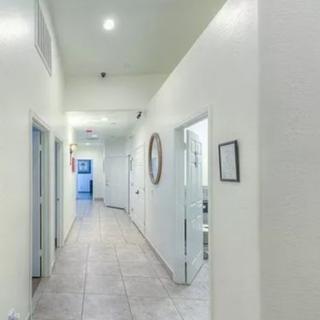
American Dream Home
$5,000 / month9.4 miles away -
from -$360 / mo

Elite Senior Living
$3,840 to $4,992 / month6.5 miles away -
from -$700 / mo
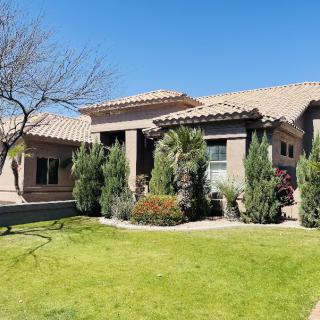
The Greenway Manor II
$3,500 to $4,000 / month12.7 miles away -
from -$700 / mo
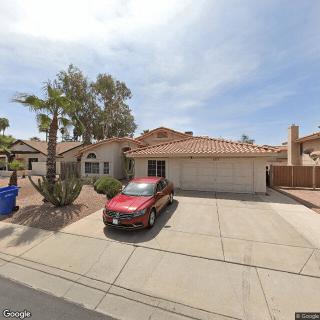
Diamond Quality Assisted Living Care Home
$3,500 to $4,500 / month12.8 miles away -
from -$200 / mo
Desert Joy Assisted Living
$4,000 / month7.6 miles away
Overall Review of Beehive Homes of Arrowhead
Pros
 The care at BeeHive is a night-and-day difference from prior facilities, with the owner personally involved and residents feeling at home as part of a family.
- BeeHive Homes of Arrowhead is small enough to let residents express their likes and dislikes and to feel that staff care about them as individuals.
- Families are grateful that their loved ones spent their last months at a caring assisted living facility.
- The facility is family-oriented, Troy is a caring, compassionate owner, and residents live in a close-knit community.
- Troy and the staff are wonderful and caring toward residents and their families, and loved ones are happy there.
- The new BeeHive Assisted Living of Arrowhead impresses visitors with attention to detail and offers all-inclusive, predictable pricing.
- The facility is beautiful and new, with genuinely good owners, and families feel confident that loved ones are well cared for by people who truly care.
Review
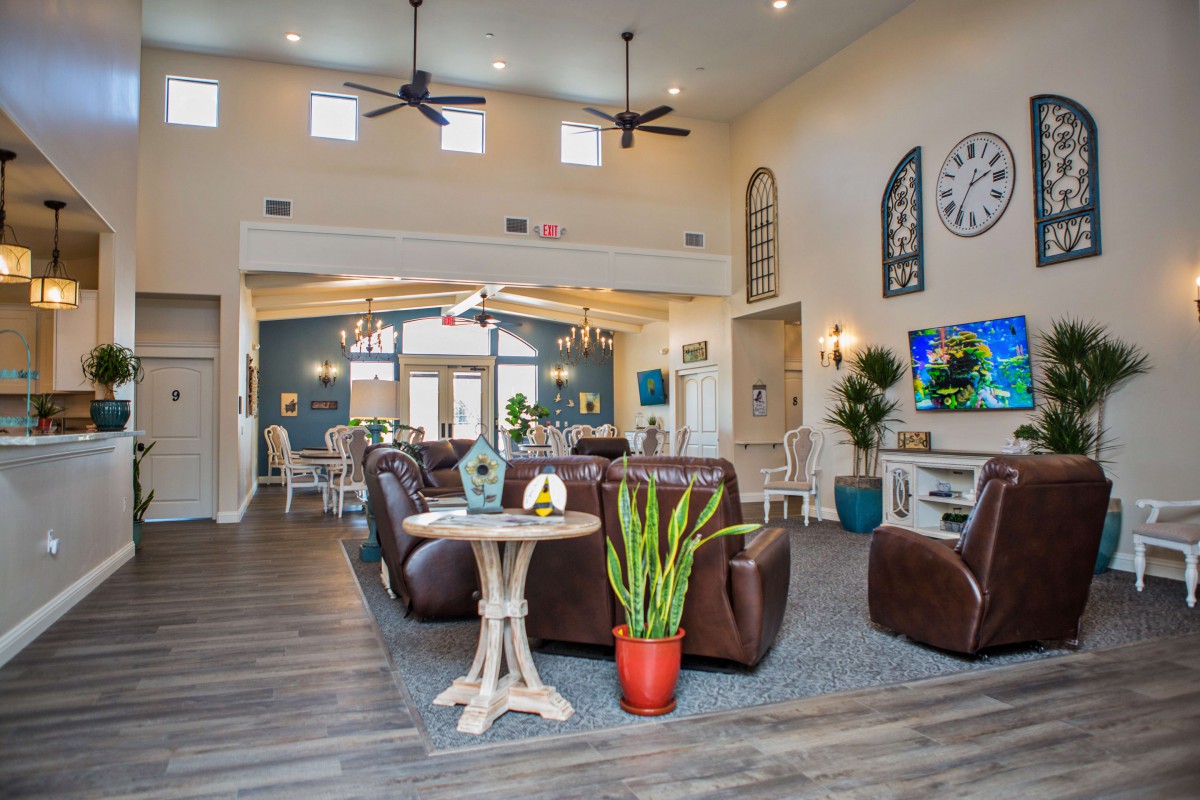
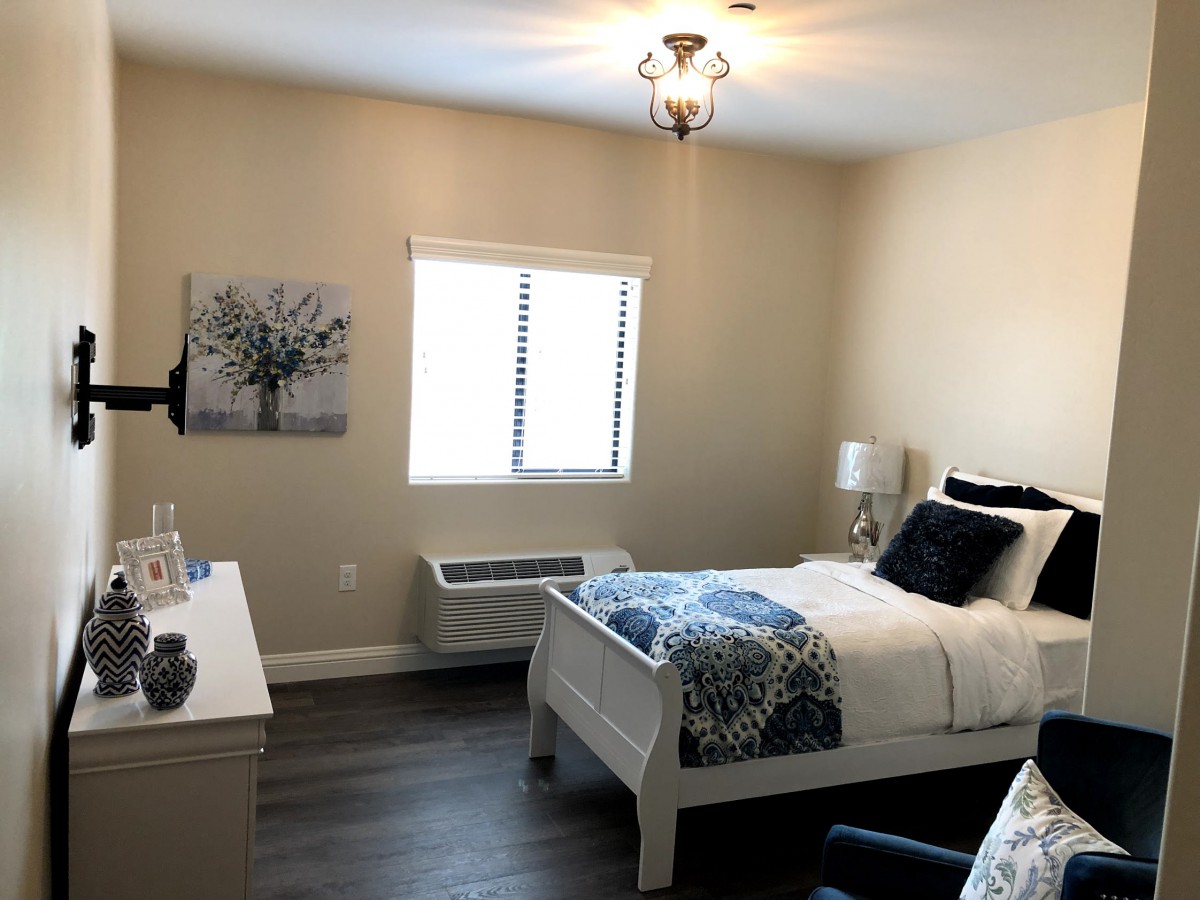
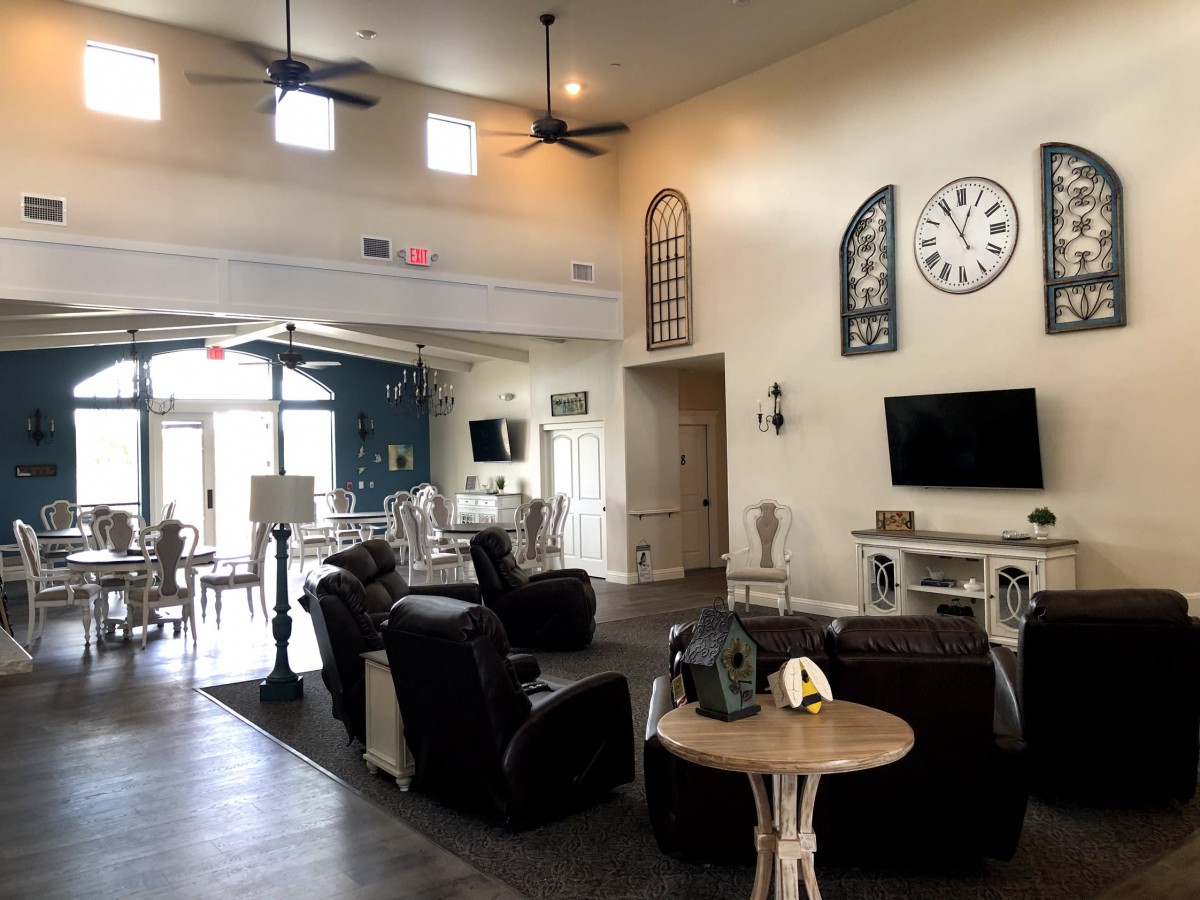
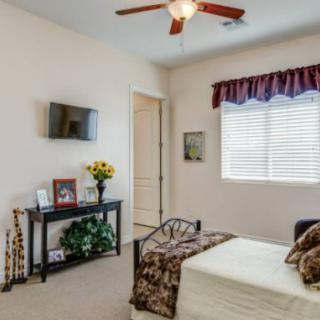
BeeHive Homes of Arrowhead in Glendale is best suited for families seeking a small, home-like assisted living where residents are treated as part of an extended family. This community shines when the priority is intimate, individualized care delivered by an owner-operator and a tight-knit team that can respond quickly to personal preferences. With a compact, 20-bed footprint and a hands-on leadership style, it is ideal for seniors who value being heard, having their likes and dislikes acknowledged, and living in a setting where staff genuinely know them by name and story. For many families, this translates into meaningful daily interactions and a sense of belonging that larger campuses can struggle to maintain.
Those considering alternatives should note that Beehive Homes Arrowhead is not the best match for families seeking a bustling campus with expansive programming, institutional-scale services, or broad medical staffing. If a loved one requires robust, 24/7 clinical oversight, complex skilled nursing care, or a wide array of specialized therapies and activities under one roof, a larger facility with more resources may be a better fit. Similarly, families prioritizing a very broad social calendar, extensive on-site amenities, or a long-established corporate footprint may find other communities more aligned with those expectations. This is a deliberate, small-community choice, not a generic, comprehensive care campus.
The primary strengths of Beehive Homes Arrowhead lie in its personal touch and transparent, predictable pricing. The owner, Troy Thomas, is repeatedly described as caring and actively involved, which translates into staff who mirror that commitment toward residents and their families. Residents benefit from a setting where care feels individualized rather than standardized, and where staff can adjust routines to fit personal preferences. The “all inclusive” pricing approach is a practical advantage for families worried about escalating, opaque costs, allowing them to plan without constant sticker-shock as care needs evolve. In short, the pros center on intimacy, accountability, and financial clarity.
A meaningful caveat accompanies the upside: the very small size of the community can limit the breadth of programming and on-hand clinical resources. While the staff and leadership are praised for their attentiveness, the 20-bed format naturally constrains the range of activities, specialized therapies, and rapid escalation options that larger facilities can offer. For a resident who thrives on a busy calendar or who requires frequent, intensive medical attention, these limits may become a consideration. Nevertheless, the strong relational emphasis and the comfort of a home-like atmosphere often offset these constraints for families prioritizing close relationships and consistent, compassionate care.
From a decision-making standpoint, Beehive Homes Arrowhead stands out for families who want to see a highly engaged owner in action and a facility designed to feel like a warmly supervised extension of home. The memory-support licensing indicates a capacity to address cognitive challenges with directed care, which can reassure families navigating memory-related needs in early to mid stages. Tour experiences consistently highlight attention to detail and the sense that residents are genuinely cared for by people who treat them as family. Prospective residents should, however, verify exactly what “memory support” entails in practice, including staff training, activity options, and how care plans are coordinated with families and external clinicians.
In the final analysis, Beehive Homes Arrowhead is a pragmatic, adviser-ready option for families who value a small, accountable setting with a strong sense of community and predictable costs. It is especially compelling for individuals who want direct access to a motivated owner and a staff that makes residents feel truly at home. Alternatives to consider are warranted for those who require a larger campus, a broader activity roster, or more intensive medical or memory-care resources. If the priority is intimate, person-centered care within a 20-bed, family-like environment, scheduling a tour sooner rather than later makes sense, the community is actively welcoming new residents and appears positioned to maintain the high-touch standard it has established.
 Assisted Living
 Activities on-site
 Devotional services off-site
 Indoor common areas
 Phoenix Sky Harbor International (18 miles away)
 Ambulatory care
 Diabetic care
 Meals provided

 Vibrant Senior Living: A Comprehensive Guide for Active Older Adults
 When to Transition from Assisted Living to Memory Care: Key Indicators, Steps, and Finding the Right Community
 Assisted Living and Memory Care: Understanding Their Core Differences