
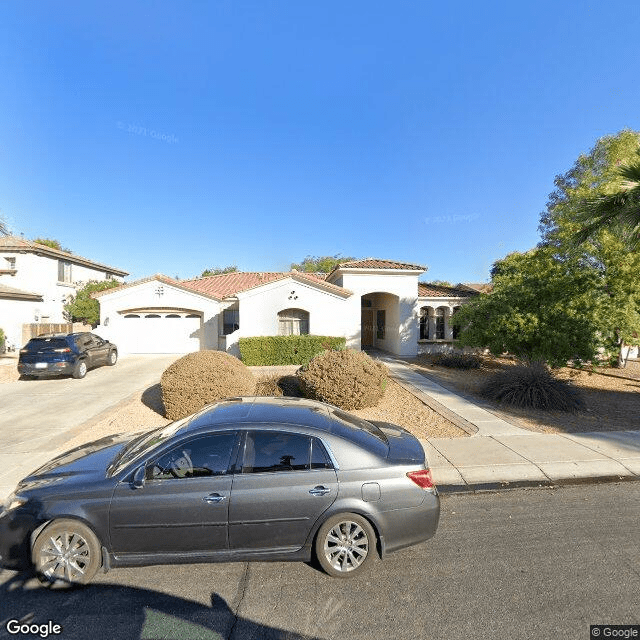
460 E. Phelps St., Gilbert, AZ 85296
To contact a resident: (480) 203-2199
For more information about senior living options: (866) 208-4318
Caissa Vintage Ranch ALH, Inc. Costs & Pricing
Caissa Vintage Ranch ALH, Inc. offers competitive pricing for its accommodations when compared to the broader market in Maricopa County and the state of Arizona. For semi-private rooms, residents can expect a monthly cost of $2,300, which is notably lower than the county's average of $2,801 and Arizona's average of $2,820. Similarly, private rooms at Caissa Vintage Ranch are priced at $3,000, again undercutting both Maricopa County's average of $3,318 and the state's average of $3,345. These pricing structures reflect Caissa Vintage Ranch's commitment to providing affordable and quality care without compromising on service or comfort.
| Floor plans | Caissa Vintage Ranch ALH, Inc. | Maricopa County | Arizona |
|---|---|---|---|
| Semi-Private | $2,300 | $2,801 | $2,820 |
| Private | $3,000 | $3,318 | $3,345 |
Senior living communities with a similar price nearby
-
from -$355 / mo

Home Instead - Fountain Hills, AZ
$1,945 to $3,525 / month21.8 miles away -
from -$439 / mo
Endeavor Senior In-Home - Mesa
$1,861 / month7.2 miles away -
from +$325 / mo
The Eldercare Home Of Tempe
$2,625 to $3,412 / month9.0 miles away -
from -$300 / mo
Garcia's Assisted Living Home LLC
$2,000 / month16.0 miles away -
from +$200 / mo
La Bella Vita ALH
$2,500 to $7,000 / month9.4 miles away
Overall Review of Caissa Vintage Ranch ALH, Inc.
Pros
 They cared for her as if she were family.
- The staff provided consistent, attentive care.
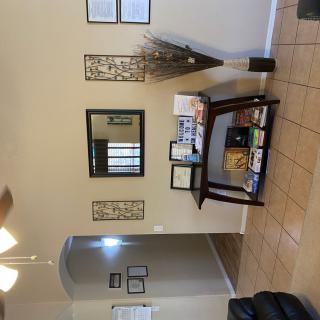
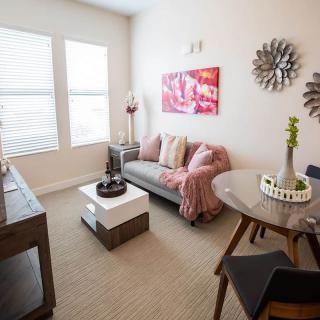
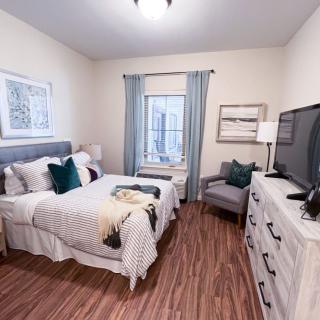
- The facility is clean, large, well furnished, and nicely decorated.
- The staff are attentive and follow pandemic protocols.
- Nurse Christine is a wonderful person and caregiver.
- The lead nurse Lilibeth is great at communicating and provides timely information.
- The staff are nice, medications are dispensed on time, and the food is edible.
- They are responsive and accommodating to requests.
Cons
 They report that calls to the facility go to voicemail and the mailbox is full.
- There have been multiple incidents of residents wandering unattended and leaving the residence, raising safety concerns.
- A man was trapped in the courtyard yelling at night, suggesting distress and inadequate supervision.
- The phone number has not been working for weeks, preventing them from checking on a loved one.
Review
Caissa Vintage Ranch ALH in Gilbert is best suited for families that prize a warm, home-like atmosphere where staff form genuine, lasting bonds with residents and treat them as family. It works well for seniors who need regular assistance with daily activities and medication management, but who do not require heavy, high-security supervision. The standout attribute is the consistent, compassionate caregiving culture; families seeking continuity of care and personable staff will find this community’s approach particularly reassuring.
Those who should consider alternatives are families prioritizing ironclad safety controls and consistently accessible administration. Reports of residents wandering unattended and multiple on-site incidents point to gaps in supervision that could pose risks for anyone with higher care needs. In addition, recurring difficulties reaching the facility by phone raise legitimate concerns about timely updates and rapid crisis response. For relatives who demand transparent, reliable, and easily reachable management, exploration of other options is prudent.
On the upside, the strongest positives center on staff devotion and a sense of familial care. Residents are tended to with personal attention, and nurses such as Christine and the lead nurse Lilibeth are repeatedly praised for attentiveness and timely information. The building itself is described as clean, spacious, and well-furnished, painting a picture of a comfortable, welcoming environment. Stability in staffing, reported as lower turnover than peers, further supports consistency in daily routines, including medication administration, which families often value when keeping a loved one on a steady schedule. Edible meals, a practical detail, further support overall satisfaction.
However, the notable safety concerns cannot be ignored. Incidents of wandering, people leaving the premises, and distressing behavior in communal areas point to perceived and real vulnerabilities in supervision. These episodes prompt questions about staffing levels across shifts, the effectiveness of security measures, and the ability to intervene quickly when residents stray or become upset. Compounded by communication challenges, unreliable phone access and slow or incomplete information flow to families, these issues magnify risk and erode trust for those weighing long-term placement.
The key balance is clear: compassionate, stable, and attentive care delivers meaningful value for residents who thrive on personal connections and routine. Those advantages offset many everyday friction points, but not all. The care culture can indeed carry the day for many families, yet the safety lapses and communication barriers keep Caissa Vintage Ranch from serving as the unquestioned default for every senior needing assisted living. For households that can tolerate, or actively pursue, improvements in supervision and outreach, this community remains a compelling option.
Bottom line: Caissa Vintage Ranch is a practical, solid choice for families prioritizing warmth, continuity, and a caregiver-centric ethos. It is less suited for those who require rock-solid safety protocols and consistently seamless channeling of information to loved ones. Prospective residents should plan a focused visit with specific queries: how wandering risks are managed, night-shift oversight, the exact contact methods and response times for administration, and opportunities to meet the lead nursing team. A candid assessment of these factors will reveal whether the heart of the community aligns with the safety and communication standards essential for choosing a lasting home.
 Board and Care Home
 Private
 Private bathrooms
 Phoenix Sky Harbor International (16 miles away)
 Diabetic care
 High acuity care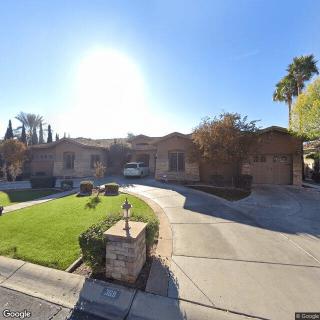
 Exploring Nonmedical Home Care: Understanding Services, Costs, and Financial Approaches
 Engaging Brain Games and Innovative Apps to Keep Senior Minds Active
 Effective Strategies for Keeping Seniors' Minds Active: A Deep Dive into Brain Games and Apps