MorningStar Assisted Living & Memory Care of Fountain Hills Costs & Pricing
MorningStar Assisted Living & Memory Care of Fountain Hills positions itself at a premium in terms of monthly costs compared to both Maricopa County and the broader state of Arizona. For instance, a studio apartment at MorningStar is priced at $4,420, significantly above the county average of $3,960 and the state average of $3,829. The 1-bedroom units follow suit, costing $4,740 compared to Maricopa County's $3,473 and Arizona's overall average of $3,532. Even for semi-private accommodations, which may often be more affordable in other facilities, MorningStar's rate of $5,000 stands out relative to the county's $2,801 and state's $2,820 figures. The trend continues with two-bedroom options as well; at $5,820, it exceeds both county ($4,112) and state averages ($4,106). These higher price points likely reflect MorningStar's commitment to quality care and enhanced living experiences tailored towards residents' needs.
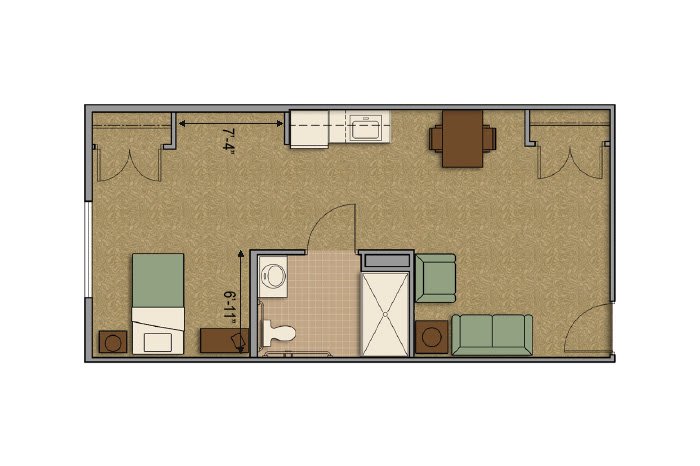
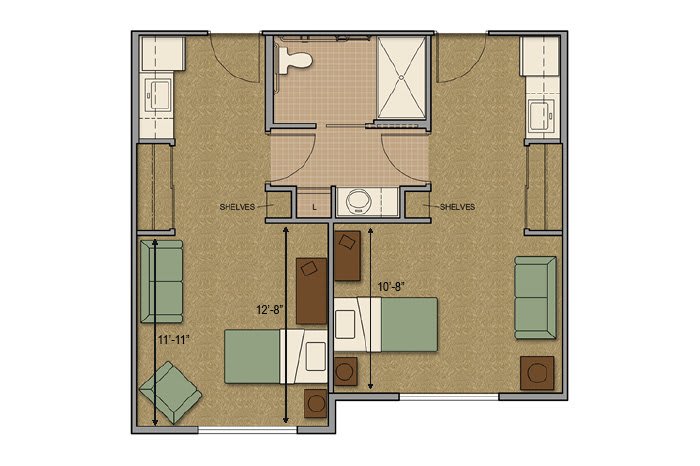
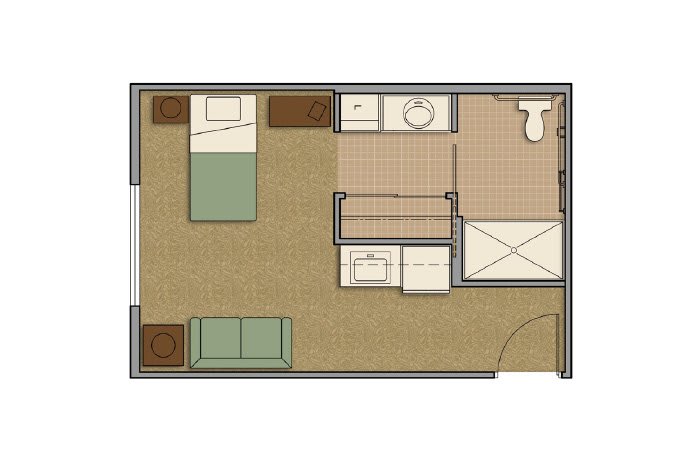
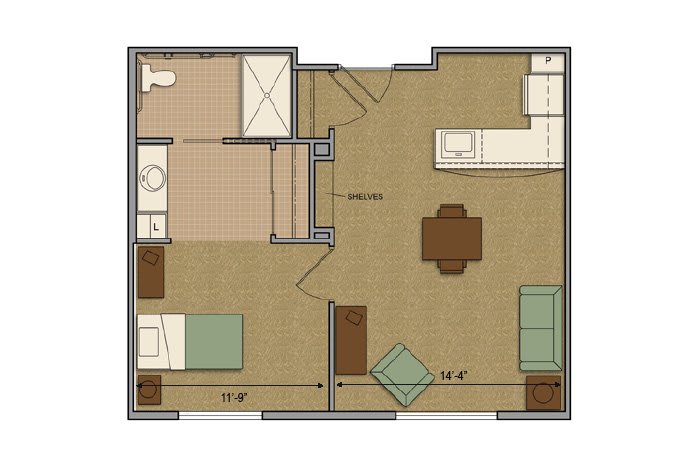
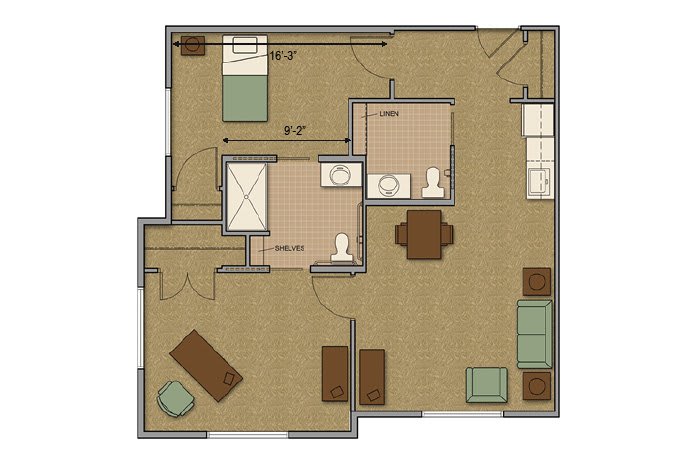
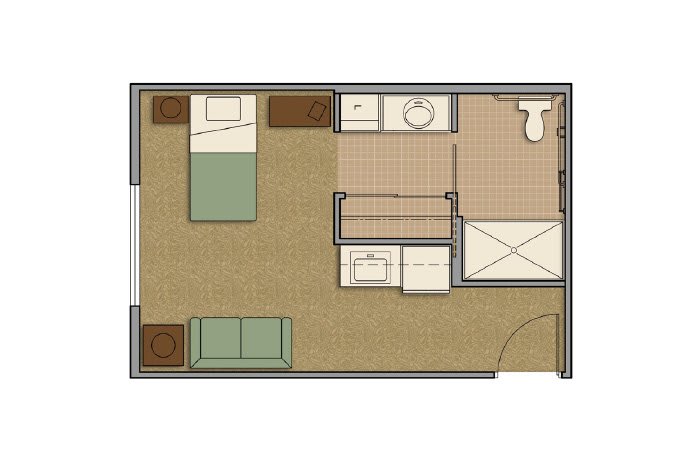
Floor plans
MorningStar Assisted Living & Memory Care of Fountain Hills
Maricopa County
Arizona
Studio
$4,420
$3,960
$3,829
1 Bedroom
$4,740
$3,473
$3,532
Semi-Private
$5,000
$2,801
$2,820
2 Bedrooms
$5,820
$4,112
$4,106
Memory care communities with a similar price nearby
Overall Review of MorningStar Assisted Living & Memory Care of Fountain Hills
common40 reviews mention this
Caregivers are consistently kind
Residents and families repeatedly describe the staff as kind, attentive, and welcoming.
Across the reviews, people describe caregivers and administrative staff as friendly and warm during everyday interactions and during visits. Several families also mention responsiveness and support for both residents and family members, including during difficult periods. A number of reviews include specific praise for nursing and care staff showing up with compassion, patience, and respect.
differentiator5 reviews mention this
Memory care feels safe
Residents’ families describe the memory care setting as calm and secure for dementia.
Multiple reviews focus on the memory care unit and describe it as a safe, structured environment where residents can thrive. Reviewers also single out memory caretakers and how they support day-to-day needs with kindness and help. Families mention dignity and comfort in how care is delivered within the memory care area, including during later stages of Alzheimer’s.
common6 reviews mention this
Facility is kept spotless
Several reviewers say the facility is consistently clean and well maintained.
Some reviewers emphasize that the building looks and feels well cared for, using words like spotless and beautifully maintained. A few also mention how the space smells good and contributes to a comfortable experience when visiting or staying. Others describe the physical layout as fitting for mobility needs, especially for residents moving around more easily.
common6 reviews mention this
Activities keep residents engaged
Residents and families describe frequent activities that keep people engaged.
Reviews describe an active schedule, with families pointing to music events, happy hour, bingo, and other group activities. Several mentions connect the activities team with personalization, saying activities are created around what residents can do and enjoy. A few reviewers also describe activities as engaging for both residents and visitors.
common7 reviews mention this
Food and dining are frequently praised
Food stands out in reviews, with residents and families calling it very good.
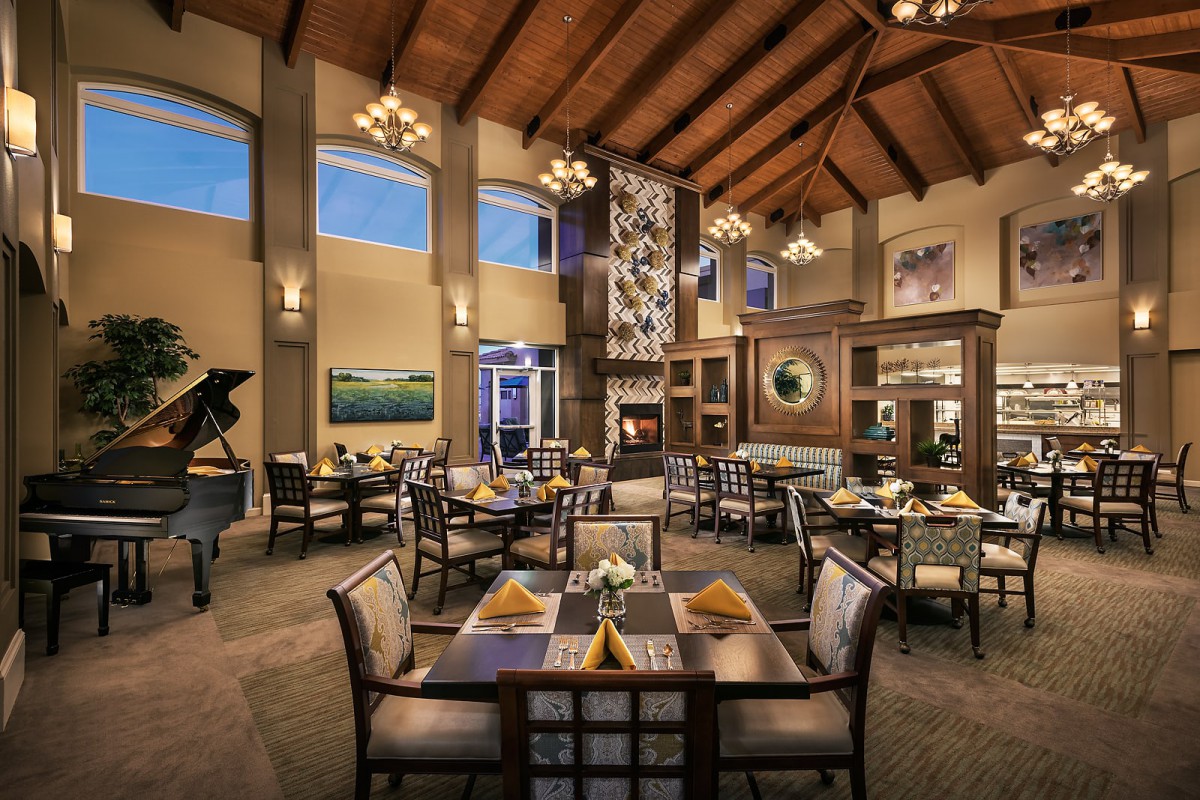
More than a few reviewers highlight the quality of the meals and say the food is good, delicious, or offers plenty of choices. Some families also mention eating there with their loved ones and describe dining as a positive part of day-to-day life. The community’s dining approach includes restaurant-style dining and meal programs, which aligns with the way residents describe meals as enjoyable rather than basic.
common4 reviews mention this
Nursing and medication help is praised
Families specifically praise nurses and medication-related support.
Some reviews directly mention nursing staff and med-tech support, describing excellent care and respectful treatment. Families also note attentiveness to individual needs and a feeling of being supported through medical steps. Care beyond the basic routine is described as steady and reliable, especially in later-stage situations.
How we summarize
Counts show how many written reviews mention each theme; a review can touch several themes, and only frequently mentioned themes are displayed.
Features
Types of Care
Assisted Living
Memory Care
Amenities
Activities off-site
Activities on-site
Air-conditioning
Bath tubs
Beautician on-site
Cable or satellite TV
Devotional services on-site
Ground floor units
Handicap accessible
Indoor common areas
Outdoor common areas
Respite or short term stays offered
Wheelchair accessible showers
Wi-Fi/high-speed internet available
Transportation
Phoenix Sky Harbor International (20 miles away)
Care Services
Diabetic care
Incontinence care
Medication management
Dining
Gluten-free
Guest meals
Low / no sodium
Meals provided
No Sugar
Professional chef
Restaurant style dining
Room service
Special dining programs
Vegan
Activities
Art classes
Catholic services
Cooking classes
Day trips and outings
Devotional activities on-site
Educational speakers / life long learning
Happy hour
Karaoke
Live well programs
Protestant services
Visiting Rabbi
Visiting chaplain or priest
Wine tasting
Nearby Places of Interest
Located in the serene town of Fountain Hills, Arizona, this area boasts a variety of amenities that cater to senior living. With several pharmacies nearby such as Walgreens and Bashas' Pharmacy, accessing medications and healthcare essentials is convenient. Top-notch medical care is also easily accessible with reputable physicians and hospitals like Mayo Clinic Hematology/Oncology within close proximity. For dining options, residents can enjoy a range of restaurants offering diverse cuisines, while cafes like Starbucks and Panera Bread provide cozy spots for socializing over coffee. Additionally, the area offers parks for leisurely strolls and relaxation, as well as transportation services like Enterprise Rent-A-Car for ease of mobility.Overall, this neighborhood presents a desirable mix of healthcare facilities, dining options, recreational spaces, and transportation services that make it an ideal choice for seniors looking to settle down in Fountain Hills.
Pharmacies
Walgreens (0.2 miles)
Bashas' Pharmacy (0.5 miles)
Fry's Pharmacy (2.7 miles)
CVS Pharmacy (7.9 miles)
Walgreens (8.4 miles)
CVS Pharmacy (8.5 miles)
Walgreens (9.2 miles)
Physicians
Kaveh Karandish, MD (0.7 miles)
Mayo Clinic (4 miles)
Healthcare Specialists (6.1 miles)
East Scottsdale Medical Care (6.2 miles)
NeuroHealth Solutions (6.3 miles)
Scottsdale Endocrinology (8.7 miles)
Advanced Fertility Care (8.7 miles)
Restaurants
Parkview Tap House (0.8 miles)
Goldie's Neighborhood Sports Cafe (8 miles)
Jack In The Box (8.4 miles)
Buddha's Ritual (9 miles)
Chick-Fil-A (9.3 miles)
Portillo's Hot Dogs (9.3 miles)
Wendy's (9.4 miles)
Hospitals
Mayo Clinic Hematology/Oncology (4 miles)
Piper Surgery Center (9.1 miles)
Places of Worship
Saint Bernard of Clairvaux Catholic Church (5.1 miles)
Shepherd of the Desert Lutheran Church (8.6 miles)
MorningStar Assisted Living & Memory Care of Fountain Hills positions itself at a premium in terms of monthly costs compared to both Maricopa County and the broader state of Arizona. For instance, a studio apartment at MorningStar is priced at $4,420, significantly above the county average of $3,960 and the state average of $3,829. The 1-bedroom units follow suit, costing $4,740 compared to Maricopa County's $3,473 and Arizona's overall average of $3,532. Even for semi-private accommodations, which may often be more affordable in other facilities, MorningStar's rate of $5,000 stands out relative to the county's $2,801 and state's $2,820 figures. The trend continues with two-bedroom options as well; at $5,820, it exceeds both county ($4,112) and state averages ($4,106). These higher price points likely reflect MorningStar's commitment to quality care and enhanced living experiences tailored towards residents' needs.
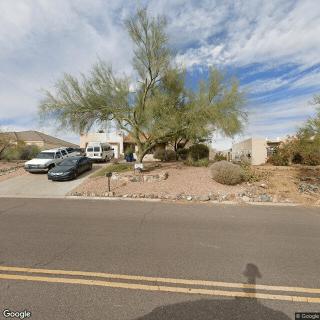
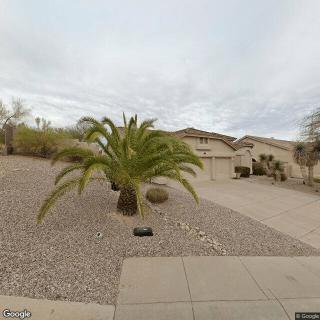
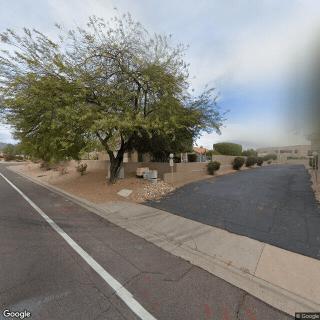
MorningStar Assisted Living & Memory Care of Fountain Hills is located at 16800 E. Paul Nordin Parkway, Fountain Hills, AZ 85268 in Maricopa County, Arizona
Medication management at MorningStar Assisted Living & Memory Care of Fountain Hills ensures that residents receive their prescribed medications accurately and on time, which is crucial for those with dementia or Alzheimer's disease who may struggle with memory and organization. This professional oversight helps prevent potential medication errors and promotes overall well-being, as timely administration can significantly influence the effectiveness of treatment plans. Additionally, incontinence care provides residents with dignity and comfort, addressing a common issue associated with cognitive decline. By offering personalized assistance and maintaining a clean, supportive environment, the facility alleviates stress for both residents and their families, allowing individuals to focus on their emotional and cognitive needs without the embarrassment or discomfort that incontinence can cause. Together, these features contribute to a holistic approach to care that respects individual needs while enhancing quality of life.
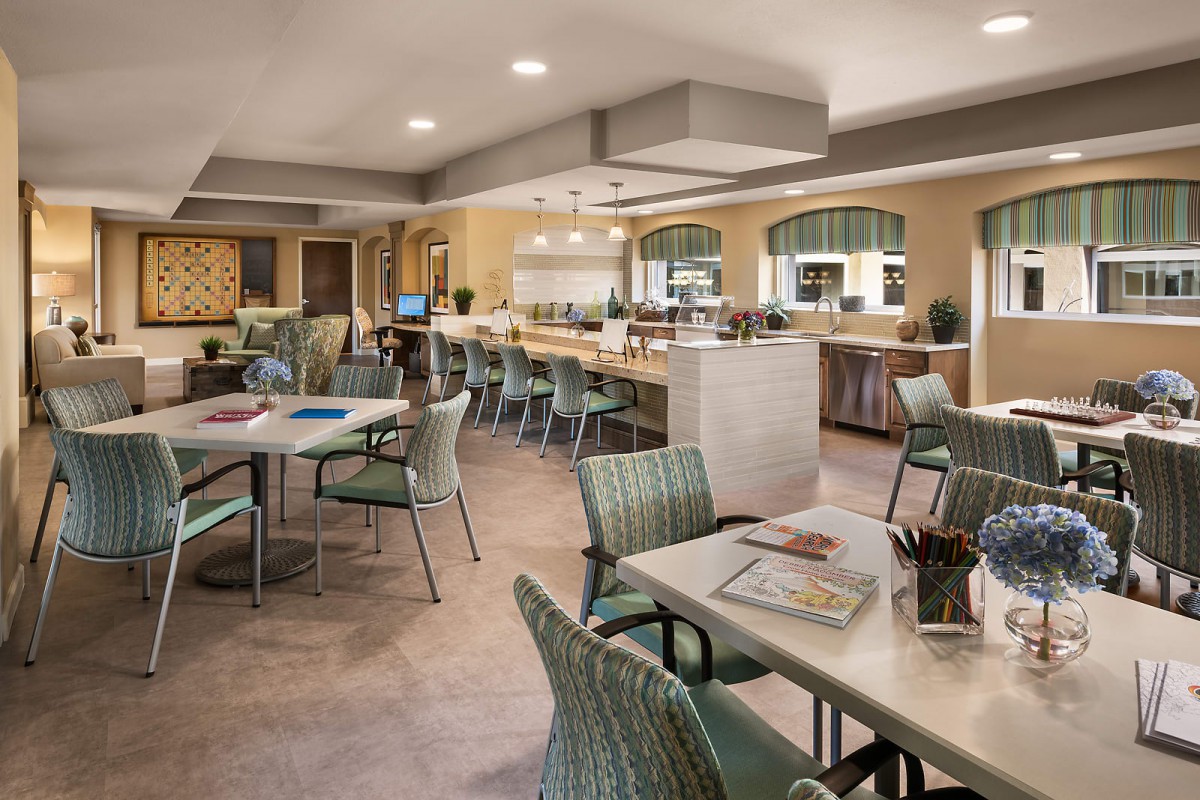
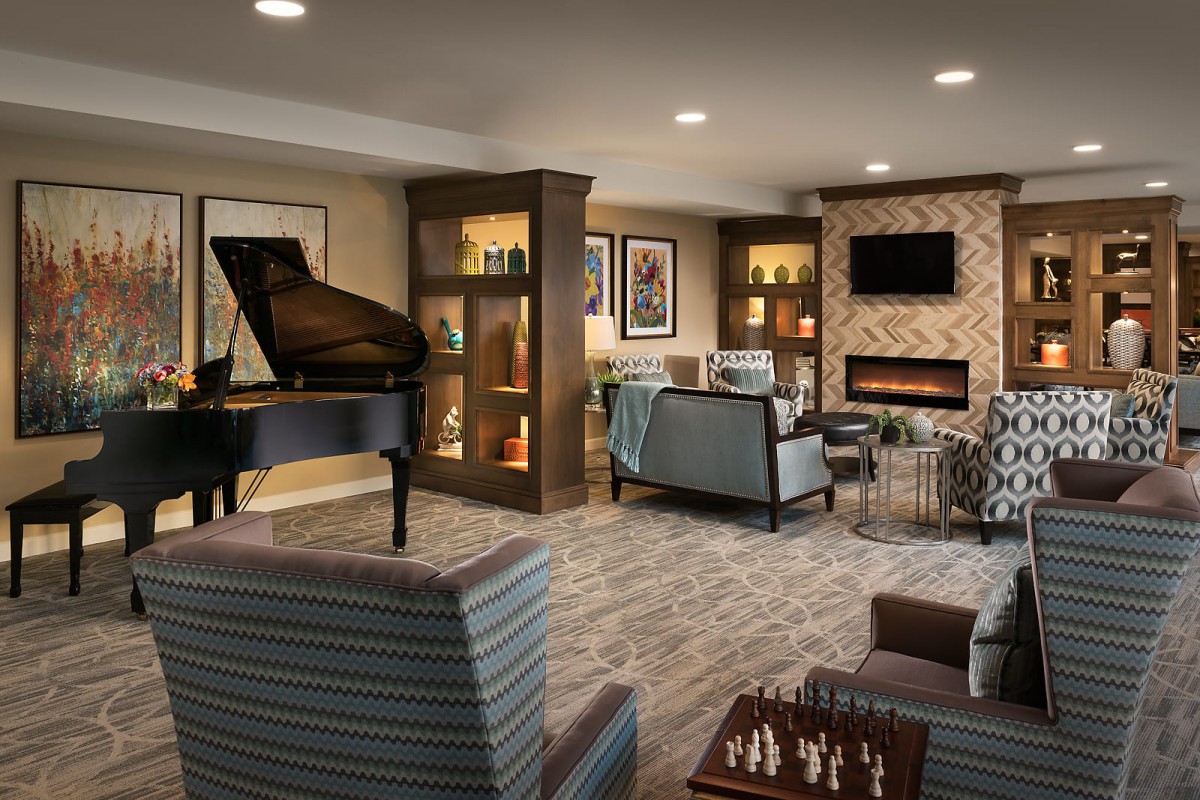
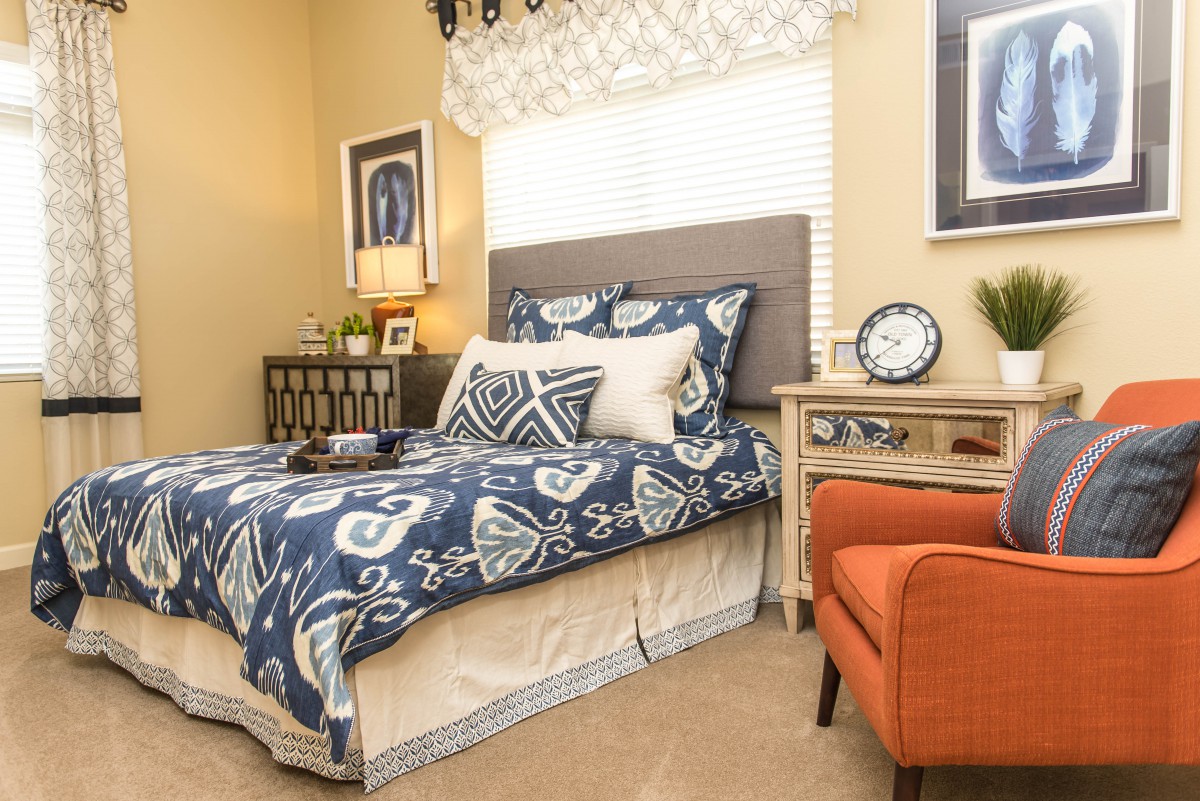
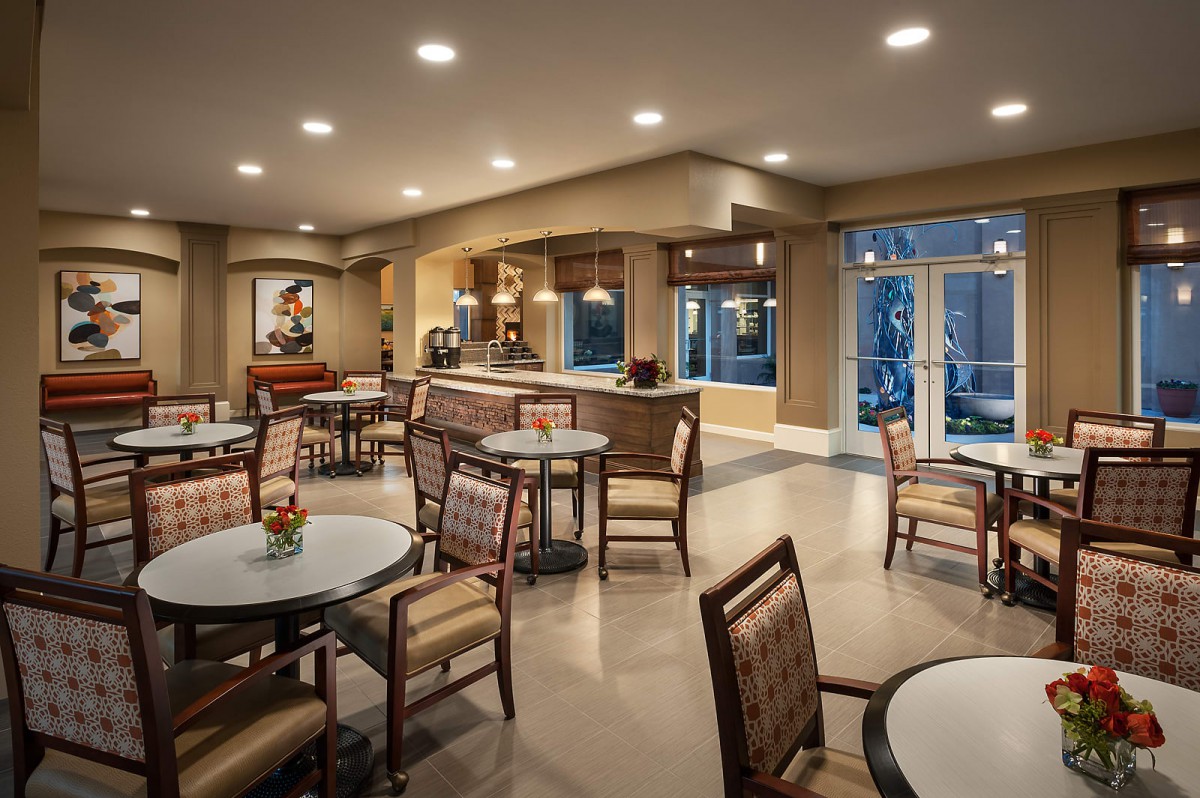
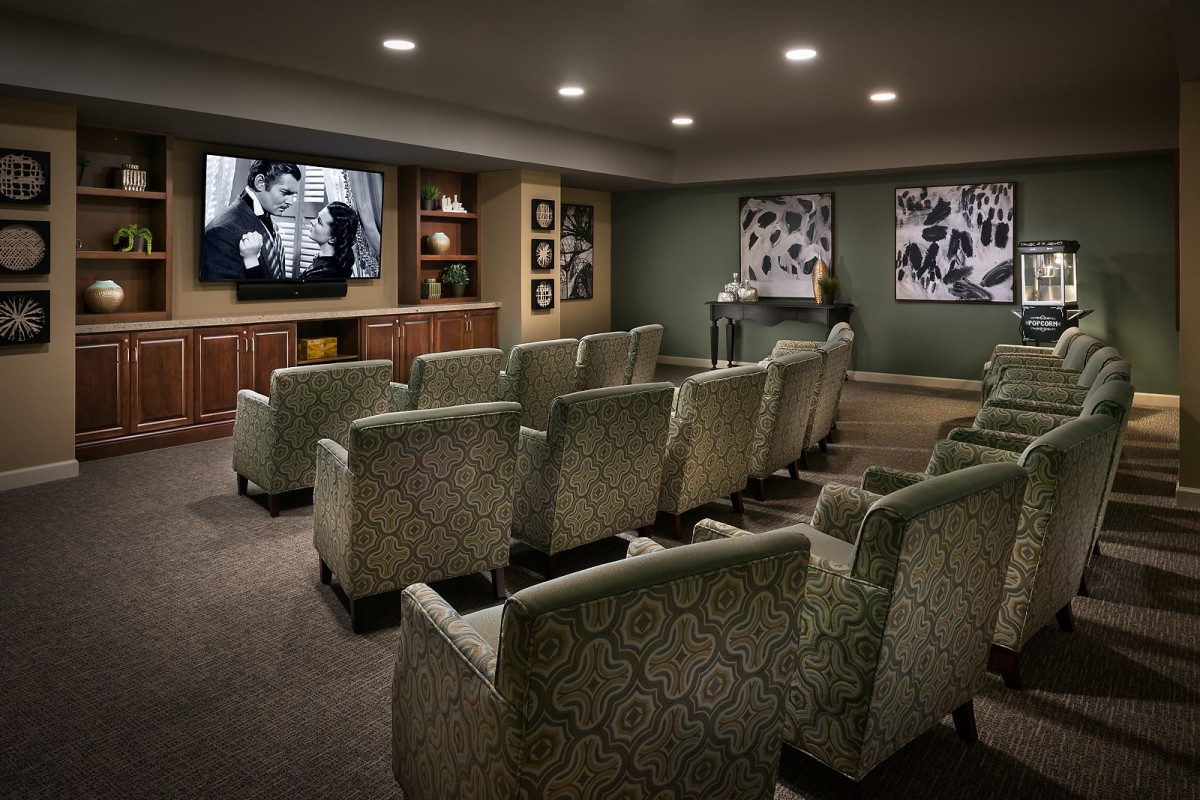
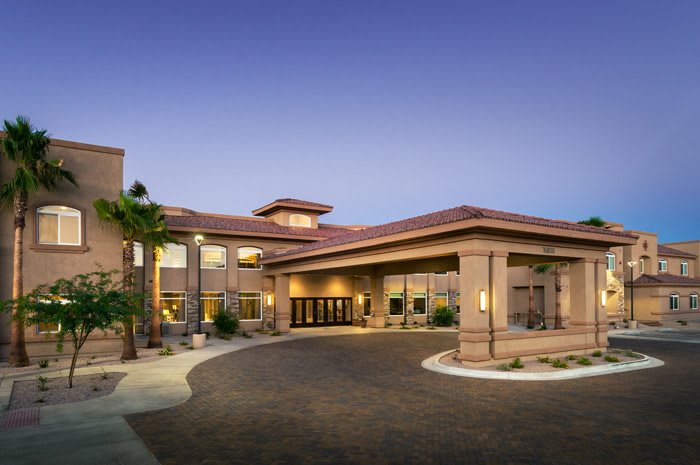
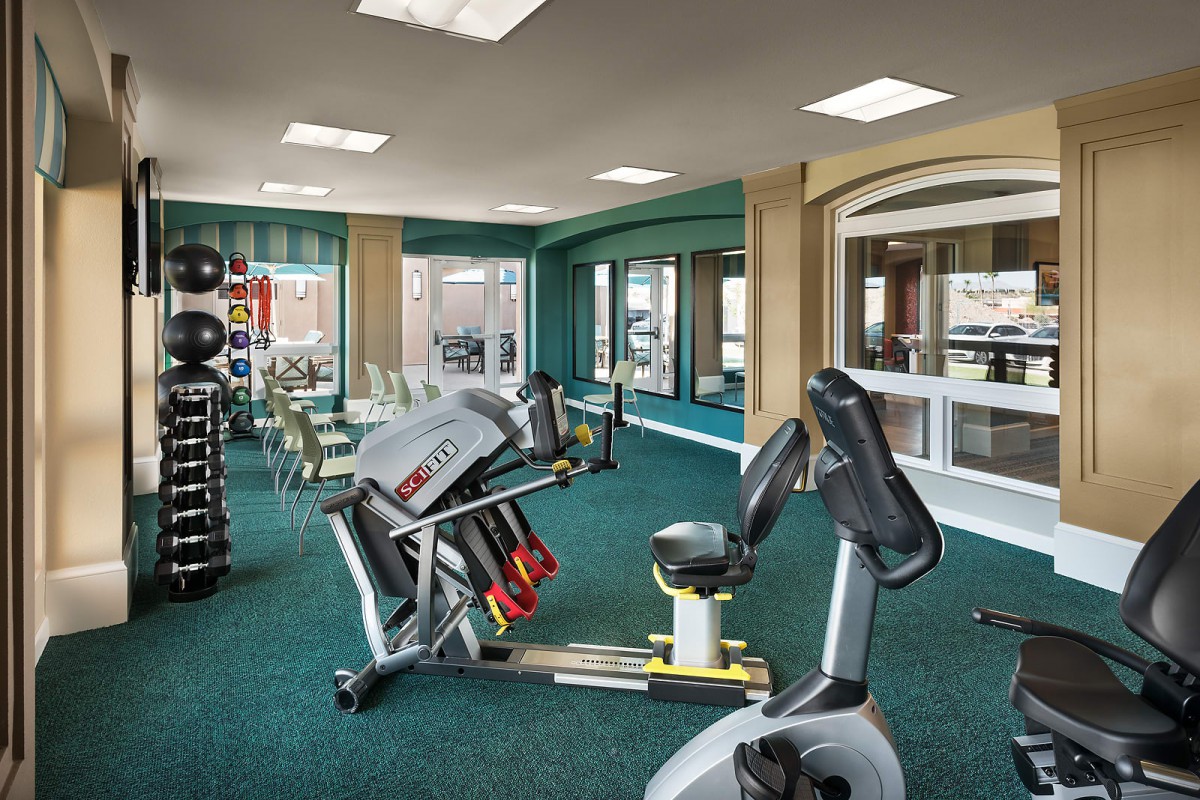
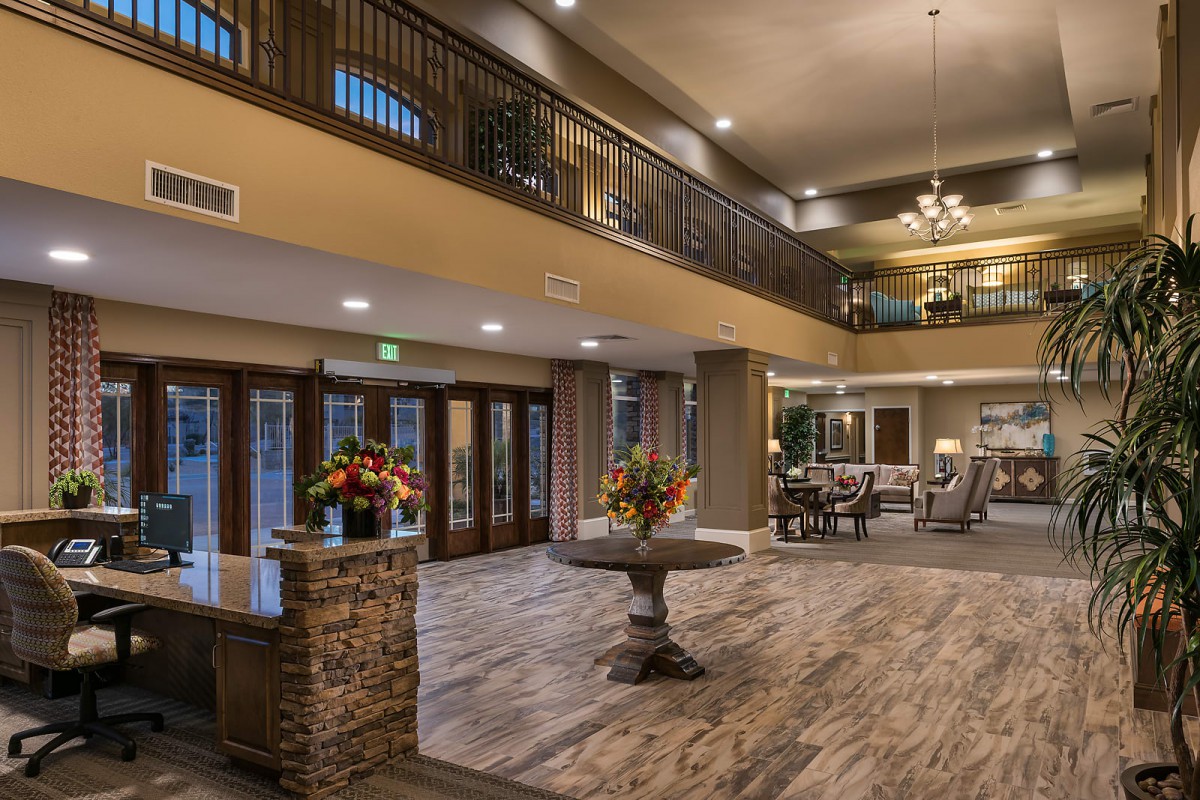
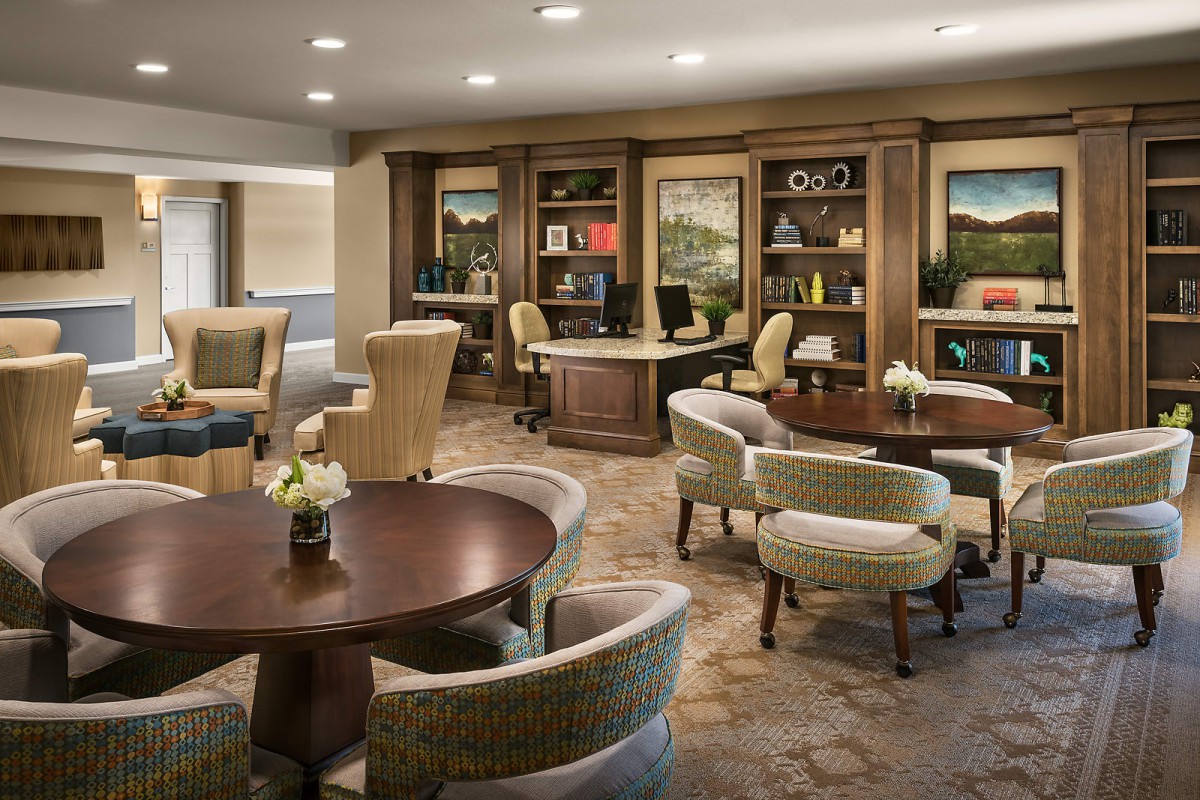
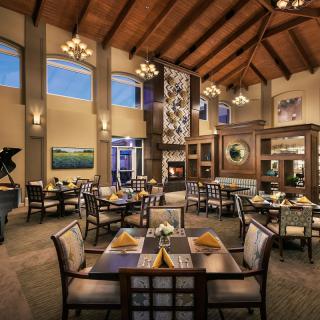
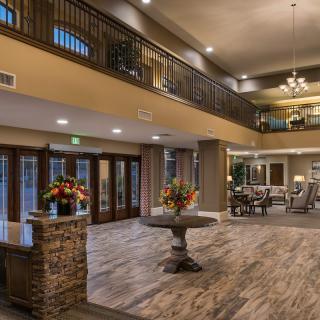
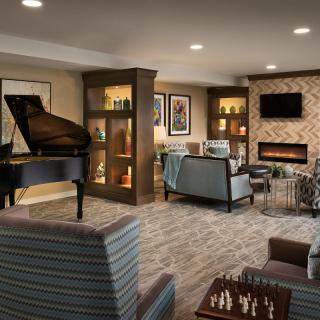
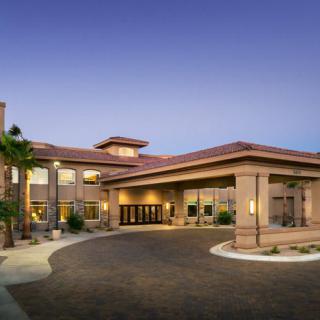
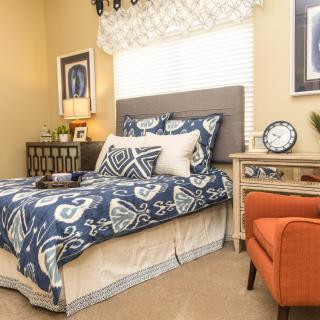
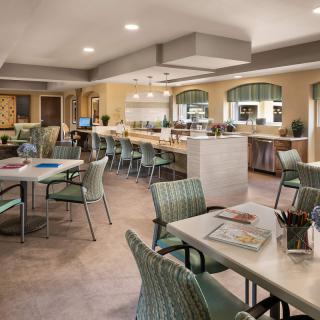
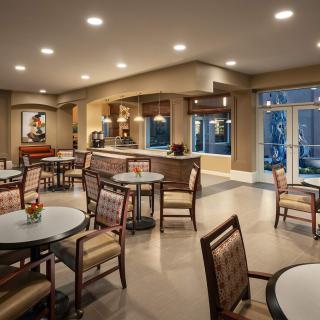
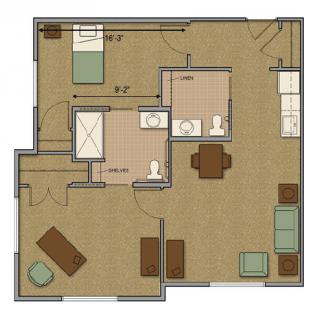
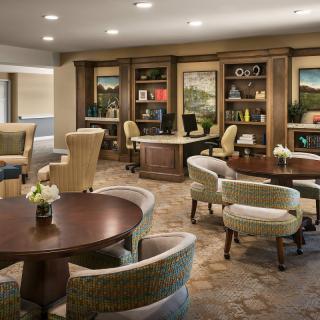
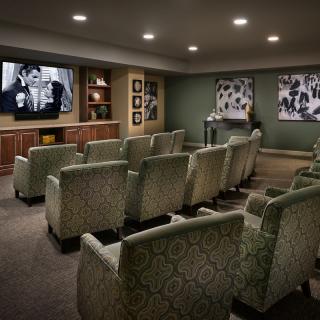
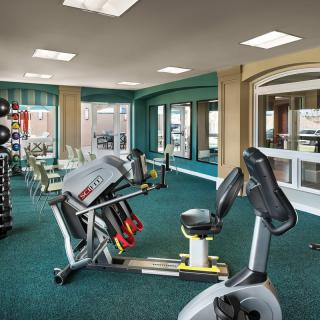
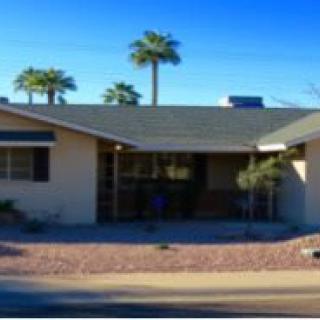
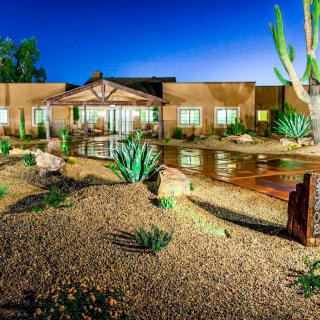
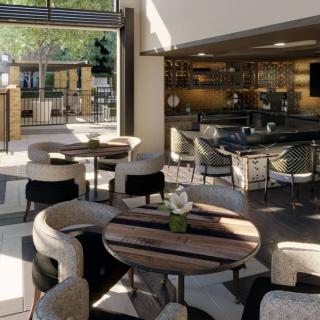
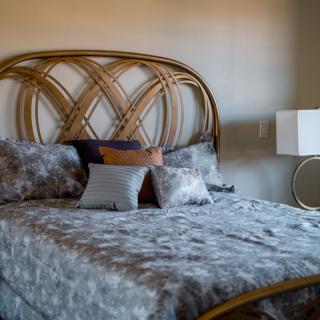
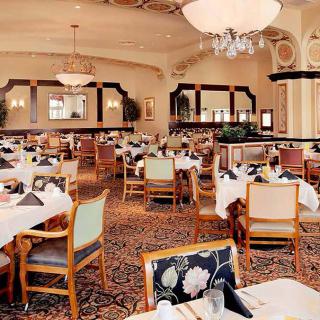
MorningStar Assisted Living & Memory Care of Fountain Hills on seniors.fyi includes 17 photos including images showing floor plan, interior, dining, bedroom, decor, chandelier, exercise equipment, room design, and more.
Nearby Communities
Home Instead - Fountain Hills, AZ
Fountain Hills, AZ
5 from 98 reviews
$1,945 to $3,525 / month
Compassionate, professional caregivers with flexible, personalized care.
Fountain View Village
Fountain Hills, AZ
4.5 from 169 reviews
$3,035 to $7,339 / month
Beautiful, well-maintained community with friendly staff and engaging activities.
Sunflower Assisted Living Facility
Fountain Hills, AZ
5 from 3 reviews
$3,000 / month
Competitive private-room pricing with on-site high-acuity care and amenities.
Sunflower Assisted Living Home
Fountain Hills, AZ
5 from 3 reviews
Cozy small-home setting with personalized 24/7 supervision and comprehensive daily living support.
Fountain View Manor
Fountain Hills, AZ
4.3 from 6 reviews
$3,500 / month
Clean, welcoming environment with attentive caregivers.
Fountain View Manor Assisted Living Facility
Fountain Hills, AZ
Personalized, 24/7 supervision with comprehensive ADL, medication management, and dietary support.
Andara
Scottsdale, AZ
4.3 from 114 reviews
$4,630 to $5,510 / month
Dedicated staff with compassionate care, engaging activities, and a beautiful campus with restaurant-style dining.
Belmont Village Scottsdale
Scottsdale, AZ
4.7 from 166 reviews
$5,245 to $6,845 / month
Friendly, attentive staff; clean facilities; good dining and engaging activities.
Atria Park of Sierra Pointe
Scottsdale, AZ
4.4 from 196 reviews
$2,695 to $4,795 / month
Friendly staff, spacious apartments, and diverse on-site activities with quality dining.
Dementia causes cognitive decline and challenging behaviors that caregivers must manage, necessitating an understanding of the neurological basis of these issues. Effective strategies and self-care for caregivers can enhance support for those with dementia and improve their daily lives.
The content outlines five key early indicators of dementia, including significant memory loss and confusion about time and place, while emphasizing the need for professional evaluation and emotional support for both individuals showing symptoms and their caregivers. It encourages family members to monitor these signs closely and use online quizzes for initial awareness.
The article highlights eight indicators that a loved one with dementia may require specialized memory care, emphasizing the emotional and logistical challenges families encounter in this decision. It discusses signs such as difficulties with daily tasks, safety concerns, and caregiver burnout, suggesting that memory care facilities can provide the necessary support and structured environments for those experiencing cognitive decline.
MorningStar Assisted Living & Memory Care of Fountain Hills photos
×
Interior
Decor
Living Room
Building
Bedroom
Dining
Lighting
Floor Plan
Bookshelves
Seating
Exercise Equipment
Interior
Decor
Bedroom
Dining
Living Room, Fireplace, and Piano
Landscaping, Building, Architecture, and Entrance
Floor Plan
Bathroom and Studio
Lighting
Chandelier
Seating Area
Lobby
Exercise Equipment, Gym, and Workout Space
Bookshelves, Library, and Lounge
Seating, Theater, and Projector
Living Space
Room Layout
Two-bedroom
Room Design
Get PricingAsk A QuestionSchedule A TourContact Senior Advisor
By clicking submit, you agree to our Partner's Terms of Use. You
also consent to receive calls and texts, which may be autodialed, from our Partner. Your consent is not a condition to
using our Partner's service. Please visit our Partner's Privacy Policy for information about their privacy practices.

 Assisted Living
 Memory Care
 Activities off-site
 Air-conditioning
 Bath tubs
 Beautician on-site
 Cable or satellite TV
 Devotional services on-site
 Ground floor units
 Handicap accessible
 Indoor common areas
 Outdoor common areas
 Respite or short term stays offered
 Wheelchair accessible showers
 Wi-Fi/high-speed internet available
 Phoenix Sky Harbor International (20 miles away)
 Diabetic care
 Incontinence care
 Medication management
 Gluten-free
 Art classes
 Catholic services
 Cooking classes
 Day trips and outings
 Educational speakers / life long learning
 Happy hour
 Karaoke
 Live well programs
 Visiting Rabbi
 Wine tasting
 Compassionate, professional caregivers with flexible, personalized care.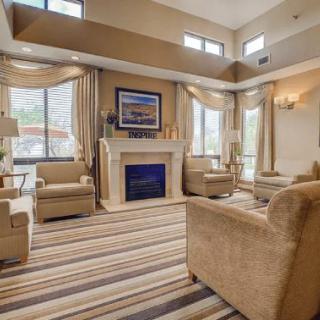

 Dementia Behaviors: In-Depth Understanding and Effective Coping Strategies
 5 Early Indicators of Dementia and What You Can Do
 8 Important Indicators That Memory Care May Be Necessary